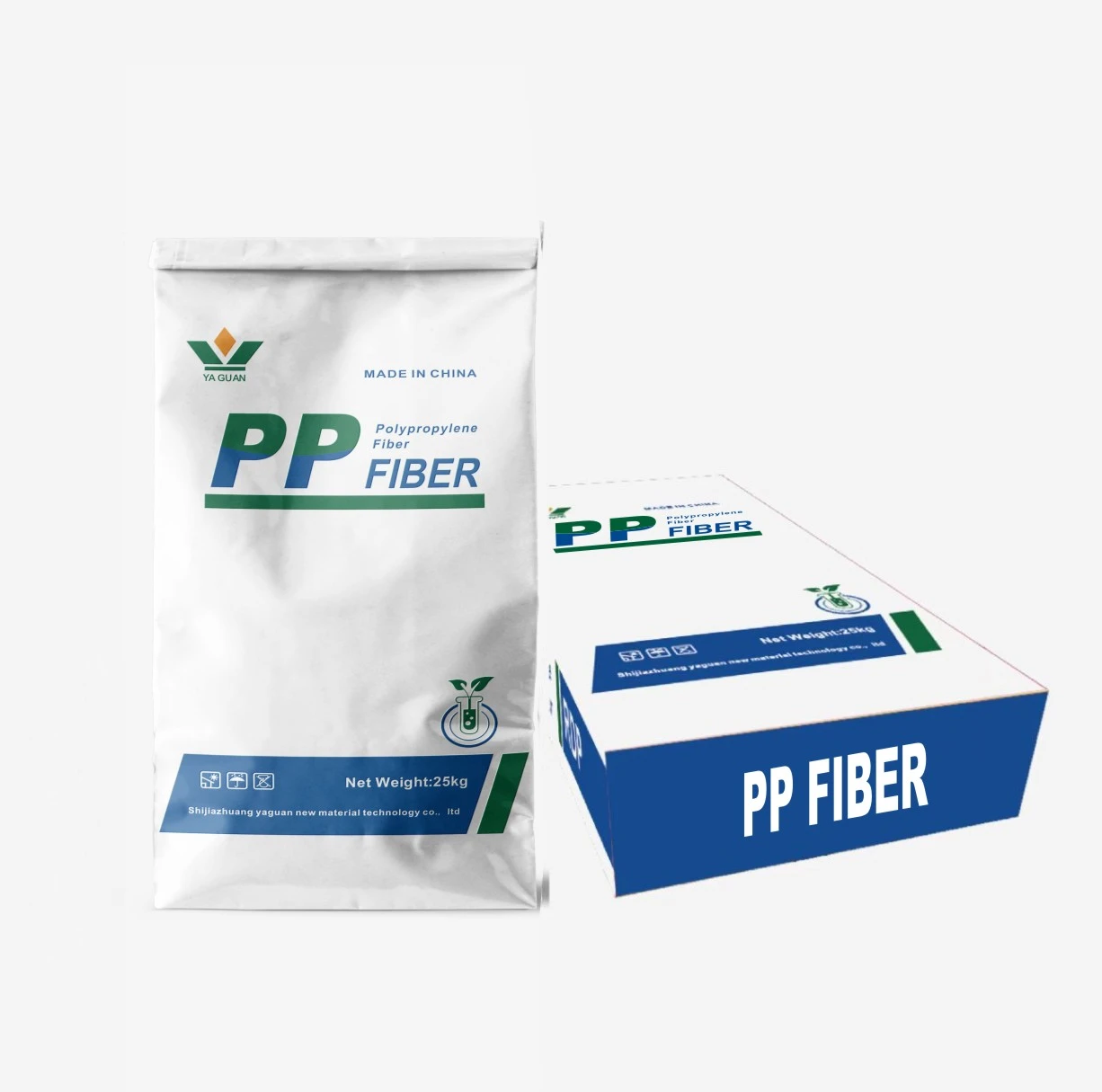
Understanding the PP Fiber Full Form: Why It Matters Globally
You might have stumbled upon the term “PP fiber full form” somewhere and wondered what it actually meant and why it’s gradually becoming a buzzword in industries across the globe. To cut through the jargon, PP fiber simply stands for Polypropylene fiber. But this seemingly simple abbreviation packs a punch when it comes to its application in construction, textiles, and even humanitarian aid. Understanding PP fiber isn’t just for engineers or material scientists—it has global significance, impacting sustainability, disaster relief, and new building technologies.
Why does it matter? Well, according to the United Nations, sustainable building materials like polypropylene fibers help reduce environmental impact and increase structural durability, thus addressing one of the major global challenges: safe, affordable housing and infrastructure that lasts.
The Global Context: Why PP Fiber Is Becoming Essential
Globally, we face increasing demands on infrastructure and textile industries to improve performance while lowering costs and environmental footprints. For example, the World Bank highlights that over a billion people live in inadequate housing, often vulnerable to natural disasters. Polypropylene fiber, with its durability and cost efficiency, has emerged as a potential gamechanger.
Yet, a challenge remains: how do industries embrace advanced materials like PP fiber without driving up costs or complicating supply chains? That’s where a basic understanding of the pp fiber full form and its versatile uses truly kicks in.
Defining PP Fiber: The Basics You Should Know
Simply put, the PP fiber full form—Polypropylene fiber—is a man-made synthetic fiber derived from the polymer polypropylene. It’s lightweight, has remarkable tensile strength, and is chemically resistant. Because of these properties, you’ll find it in everything from concrete reinforcement to fabric blends.
In the modern industrial and humanitarian sectors, PP fibers serve as a reliable material that enhances the flexibility, durability, and functionality of construction elements. This is crucial especially when traditional building materials fall short in disaster-prone or resource-limited settings.
Mini Takeaway:
- PP fiber refers to polypropylene fiber, a synthetic material known for durability and versatility.
- Its growing popularity stems from its cost-efficiency and sustainability potential.
Key Components of PP Fiber Explained
1. Durability
One of the reasons PP fiber is preferred is its impressive resistance to chemical aggression, moisture, and UV rays. It doesn’t rot or rust, unlike steel reinforcements, which makes it ideal for long-lasting applications.
2. Cost Efficiency
Compared with other fibers, polypropylene is relatively inexpensive to produce, reducing overall project costs. For large-scale industries or NGOs operating on tight budgets, this is a crucial benefit.
3. Lightweight and Flexible
Its low density makes PP fiber lighter than many conventional materials. This translates into easier transportation and handling, which is a huge plus in remote or disaster zones.
4. Compatibility With Concrete and Textiles
PP fibers are commonly added to concrete mixes to improve tensile strength and reduce cracking. Likewise, in textiles, they boost durability without compromising comfort.
5. Environmental Impact
Though synthetic, PP fiber contributes to sustainability by increasing the longevity of constructions and reducing waste from damaged materials, making it a step forward in green material solutions.
Mini Takeaway:
- Durability, cost, and lightweight nature make PP fiber widely applicable.
- Its versatility spans from industrial concrete reinforcement to textiles.
Global Applications & Use Cases of PP Fiber
PP fiber’s flexibility means it’s everywhere, often behind the scenes. From Asia to Africa and South America, industries and humanitarian organizations use it to:
- Aid post-disaster relief: Reinforced concrete panels using PP fiber are common in fast-build emergency shelters in earthquake-hit zones.
- Infrastructure projects: Roads, bridges, and tunnels benefit from the fiber’s crack resistance and longevity, notably in regions with extreme weather.
- Textile manufacturing: Its integration into geotextiles for erosion control or agricultural fabrics enhances durability.
- Remote industrial zones: Lightweight fiber-reinforced composites simplify construction and maintenance in hard-to-reach areas.
For example, the African Development Bank recently funded uses of PP fiber reinforced concrete to improve road networks across rural areas in Kenya, cutting down maintenance costs by roughly 30% over five years.
Mini Takeaway:
- PP fiber’s global reach includes construction, textiles, and disaster relief.
- It supports long-term infrastructure goals, especially in vulnerable areas.
Advantages & Long-Term Value of PP Fiber
What stands out about PP fiber isn’t just the measurable benefits, but also the subtle, long-lasting impacts:
- Cost Savings: Reduced repair costs and longer service life translate into real financial advantages.
- Sustainability: Decreased waste and lower need for raw materials improve environmental profiles.
- Social Impact: Safer, more durable homes improve quality of life, dignity, and community resilience.
- Innovation: The fiber’s adaptability encourages engineers to rethink construction paradigms and introduce novel building methods.
Oddly enough, many engineering teams report that working with PP fiber also encourages more creative problem-solving, likely because it offers a different set of physical properties than traditional materials.
Technical Specifications of Common PP Fibers
| Specification | Value | Notes |
|---|---|---|
| Tensile Strength | 350 - 550 MPa | Varies by fiber diameter |
| Density | 0.91 – 0.94 g/cm³ | Lightweight compared to steel |
| Melting Point | 160–170 °C | Look out for temperature limits in some applications |
| Water Absorption | Highly hydrophobic | |
| Chemical Resistance | Excellent | Resists acids, alkalis, and solvents |
Vendor Comparison: Choosing the Right PP Fiber Supplier
| Vendor | Main Product Focus | Pricing | Geographical Reach | Sustainability Initiatives |
|---|---|---|---|---|
| FiberTech Solutions | Concrete Reinforcement Fibers | Mid-Range | Global (Asia, Europe, Americas) | Recycled PP sourcing |
| Polyply Corp. | Textile Fibers & Yarns | Competitive | Europe & Asia | Low carbon manufacturing |
| EcoFiber International | Eco-Friendly PP Fibers | Premium | Global | 100% recycled PP & biodegradable options |
Future Trends & Innovations in PP Fiber
Industry insiders often mention that the future of PP fiber lies in smart materials and sustainability. The push toward green polypropylene fibers is quite strong, with innovations in recycled feedstock and biodegradable blends making headway.
Digital transformation, such as automated fiber production and tailored fiber blends, will also enhance performance. You might soon see PP fiber composites integrated with sensors or nano-coatings to add new functionalities.
One noteworthy trend is the increasing regulatory pressure to curb plastic waste, which will encourage manufacturers to develop better recycling and circular economy practices specific to polypropylene fibers.
Challenges & Possible Solutions
It’s not all smooth sailing, though. PP fiber manufacturing can be energy-intensive, and improper disposal poses environmental risks. Additionally, variability in fiber quality sometimes affects end-product performance.
Experts suggest that investing in quality control, adopting closed-loop recycling systems, and advancing composite formulations will help overcome these challenges. NGOs and industries alike are also collaborating on developing standards to improve consistency and sustainability.
FAQ: Common Questions About PP Fiber Full Form
- What exactly does PP fiber mean in construction?
- PP fiber means polypropylene fiber, commonly used as microfibers in concrete to enhance crack resistance and durability without adding much weight or cost.
- Is PP fiber sustainable considering it’s a plastic?
- While derived from plastic, PP fiber extends the lifespan of materials, reducing waste. Plus, recycling initiatives and biodegradable variants are improving its eco-friendliness.
- How does PP fiber compare with steel fibers?
- PP fibers are lighter, corrosion-resistant, and cheaper but generally less strong than steel. They are often used together to balance performance and cost.
- Can PP fiber be used in disaster relief housing?
- Absolutely! Its lightweight and durable nature makes it ideal for rapid-build shelters and concrete panels in emergency situations.
- Where can I learn more about polypropylene fibers?
- You can check out trusted industry sources like Wikipedia, or technical standards by ISO.
In Conclusion: Why the PP Fiber Full Form Deserves Your Attention
After everything, the pp fiber full form might seem like a simple abbreviation, but it unlocks a world of potential across construction, textiles, and sustainability sectors worldwide. Its ability to boost durability, reduce costs, and support green initiatives makes polypropylene fiber a staple material for projects today and decades ahead.
Whether you’re an engineer, a decision-maker, or just curious, understanding the nuances of PP fiber can empower better material choices that benefit our planet and people. For a deep dive into reliable PP fiber products or expert guidance, I recommend checking out our site and staying ahead in your project endeavors.
Reflective Thoughts
It’s fascinating how something as “technical” as a fiber name bridges across global issues — from sustainable development goals to disaster resilience. While materials keep evolving, the story of polypropylene fiber reminds us that behind every tiny strand is potential woven deep into societies and industries.