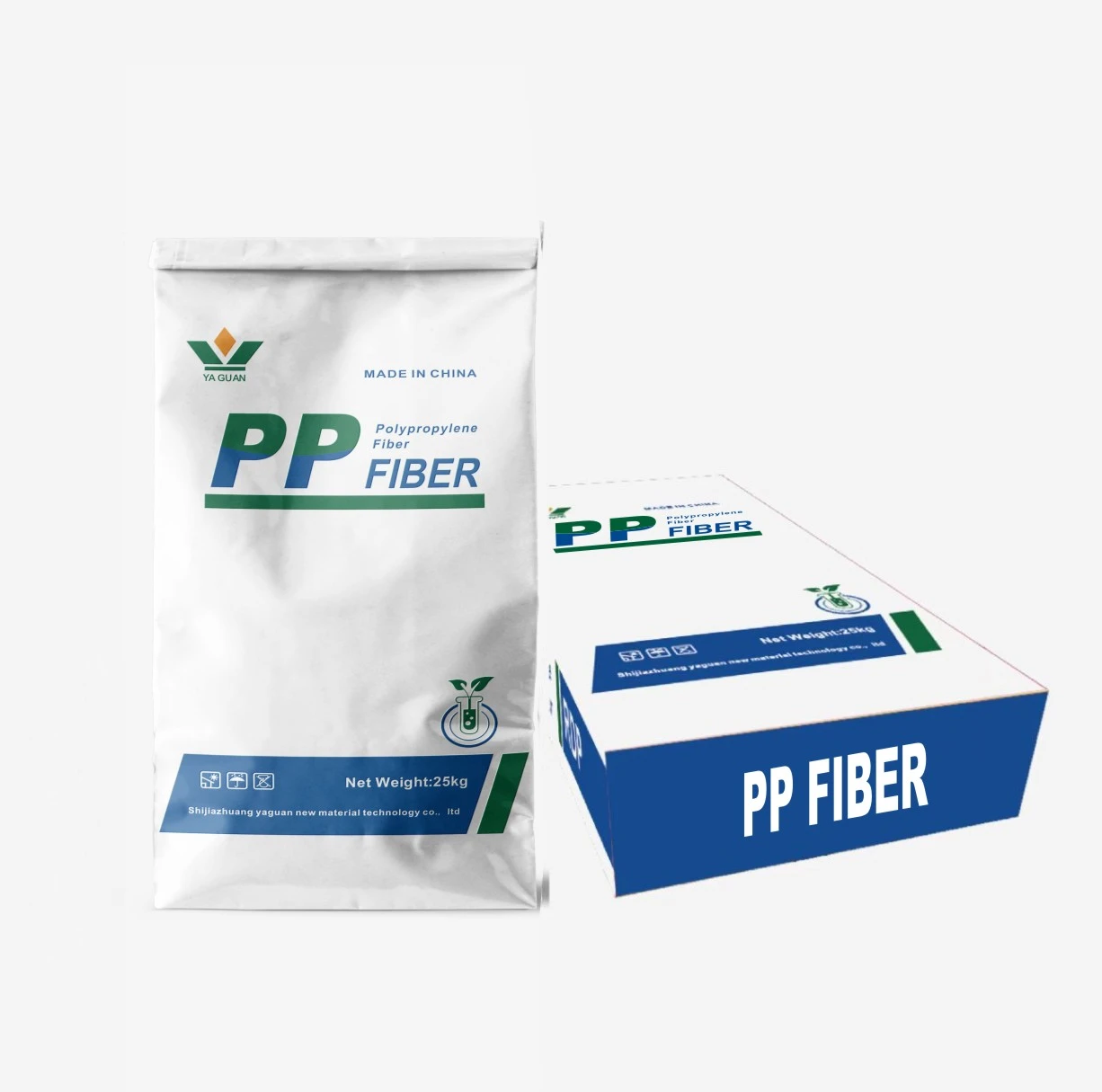

Why Polypropylene Fibre Concrete Matters More Than Ever
If you think concrete can’t get any better, think again. Polypropylene fibre concrete (PPC) is quietly revolutionizing construction worldwide. The idea is simple but powerful – tiny strands of polypropylene fibres mixed right into the concrete improve strength, durability, and resilience. Globally, with urban growth barreling forward and infrastructures aging fast, understanding this material isn’t just clever — it’s essential. From withstanding extreme weather to cutting repair costs, polypropylene fibre concrete is a nod to smarter, longer-lasting builds. It’s no coincidence that the UN and ISO are increasingly encouraging sustainable building materials. PPC blends a modern synthetic solution with a classic, centuries-old building staple: concrete. Mini takeaway: Polypropylene fibre concrete combines synthetic innovation with traditional building to meet global sustainability and durability needs.The Global Pulse: Why the World Is Turning to Polypropylene Fibre Concrete
The world’s infrastructure backlog is staggering — the Global Infrastructure Hub estimates trillions of dollars are needed within the next decade just to maintain current pathways, bridges, and housing. Meanwhile, climate change pushes materials to their limits, often accelerating corrosion, cracking, or water damage. Enter polypropylene fibre concrete. According to ISO standards and reports from the World Bank, this material offers vital advantages in durability and crack resistance. Especially in fast-growing or climate-vulnerable regions (think Southeast Asia, Africa), PPC helps reduce frequent repairs, conserving resources and manpower. However, challenges still exist: cost perception and adoption lag in some developing markets; lack of widespread technical know-how; and supply chain gaps for polypropylene fibres. Mini takeaway: Polypropylene fibre concrete addresses urgent global issues by extending infrastructure lifespan and supporting climate resilience.What Is Polypropylene Fibre Concrete, Exactly?
Let’s break it down plainly. Polypropylene fibre concrete is a concrete mix fortified with micro or macro polypropylene fibres dispersed throughout its mass. These tough, plastic-like fibres enhance the concrete’s internal structure, limiting cracking from shrinkage, impact, or temperature changes. It’s no accident this material is favored in both commercial projects and humanitarian efforts. The fibres improve tensile strength and toughness without compromising workability. Also, polypropylene is inert, so it doesn’t corrode or react with chemicals, unlike steel reinforcement. In short, it’s concrete that’s smarter, tougher, and often kinder to the environment, since it can reduce the need for steel reinforcements. Mini takeaway: Polypropylene fibre concrete adds synthetic strands to traditional concrete for greater durability and versatility.Key Features That Make Polypropylene Fibre Concrete Special
1. Durability and Crack Resistance
Polypropylene fibres distribute stress evenly, preventing cracks from spreading. This feature is especially critical for pavements, tunnels, and water-retaining structures, where small cracks turn into costly damage.2. Reduced Permeability
The fibres help block tiny pores inside concrete, which means less water ingress and, therefore, less corrosion. This is a huge benefit when building in marine or chemical-exposure environments.3. Lightweight Reinforcement
Compared to steel mesh or bars, polypropylene fibres add negligible weight. This means easier mixing, transport, and placement without losing strength.4. Cost Effectiveness
Though the fibres add upfront cost, the longer lifespan and less maintenance directly benefit budgets, especially for public infrastructure.5. Scalability and Workability
Polypropylene fibres mix well in standard concrete batching plants, making PPC adaptable from small repairs to commercial-scale slabs and precast products.6. Safety and Fire Resistance
Interestingly, these fibres melt under high temperatures, creating tiny channels that help release steam pressure, reducing explosive spalling risks in fires. Mini takeaway: Polypropylene fibre concrete’s benefits include durability, water resistance, fire safety, and adaptability for diverse projects.Here's a Quick Look at Typical Polypropylene Fibre Concrete Specifications
| Specification | Details |
|---|---|
| Fibre Length | 6 mm to 19 mm (micro to macro fibres) |
| Dosage Rate | 0.9 – 1.2 kg per cubic meter (typical) |
| Tensile Strength | >350 MPa (fibres) |
| Fire Resistance | Improved spalling resistance due to fibre melting |
| Water Absorption | Reduced by approx. 15-20% |
Who’s Using Polypropylene Fibre Concrete and Where?
This isn’t just theory — across the globe, industries and governments are leveraging PPC for better results. - Infrastructure Projects: Southeast Asia has embraced polypropylene fibre concrete heavily for highway expansions and flood control structures. - Industrial Facilities: In chemical plants in Europe and North America, PPC helps resist aggressive corrosion effects. - Disaster Relief Housing: Agencies in earthquake-prone zones (like Japan and Chile) specify fibre concrete for quicker, more resilient rebuilds. - Marine Applications: Dockyards and coastal barriers use it to prevent saltwater damage. Frankly, it feels like this material fits right where durability and sustainability must merge. And that’s exactly what utilities, NGOs, and planners worldwide look for. Mini takeaway: Polypropylene fibre concrete has found diverse use across continents, proving its practicality and reliability.The Advantages That Keep PPC in Demand
- Cost Savings Over Time: Less cracking, less repair. That’s a basic economic truth. - Enhanced Sustainability: Use less steel reinforcement, reduce raw material use, extend lifespan — all signs of a greener building. - Increased Safety: Fire mitigation and improved impact strength protect both structures and people. - Social Benefits: Reliable housing and infrastructure mean communities thrive even amid environmental stress. - On a softer note, many engineers say there’s a peace of mind you get working with polypropylene fibre concrete. It kind of feels like preparing for the future, but with your feet firmly planted today.Looking Ahead: Innovations Lighting the Way
The future is bubbling with ideas around smarter fibre concrete: - Nanotechnology: Enhanced fibres with nano-coatings to further resist chemicals or even self-heal. - Digital Mix Design: AI-assisted batching to optimize fibre content for specific environments. - Green Polymers: Biodegradable or recycled polypropylene alternatives to further reduce environmental impact. - Automation: Robotics in mixing and placement improve consistency, cutting human error. Manufacturers actively pursue certifications and partnerships ensuring PPC meets ever-tougher environmental and safety regulations worldwide.Common Challenges & How Experts Tackle Them
No material is perfect. With PPC, the key issues are: - Proper Fibre Dispersion: Clumping reduces effectiveness. Solution? Advanced mixing techniques and equipment calibration. - Cost Perception: Upfront costs higher than plain concrete deter some buyers. Data-driven life cycle cost analyses help change minds. - Standardization: More consistent international standards needed. Industry groups and ISO help bridge the gap. - Training: On-site staff need guidance to handle fibre concrete, especially in new regions. I’ve seen projects stumble on the first — getting the fibres mixed evenly. But once solved, the benefits pay off.FAQ: Your Polypropylene Fibre Concrete Questions Answered
Q1: How long does polypropylene fibre concrete last compared to traditional concrete?A1: Polypropylene fibre concrete typically outlasts traditional mixes by reducing cracking and damage, which extends its service life by years to decades depending on conditions. Maintenance frequency also drops, saving time and money. Q2: Is polypropylene fibre concrete difficult to work with on-site?
A2: Not really. While fibres require thorough mixing to avoid clumps, PPC uses standard batching and pouring methods. Training ensures smooth application without changing construction workflows drastically. Q3: Can polypropylene fibre concrete be recycled or reused?
A3: Concrete recycling is common, but fibres complicate processes slightly. However, advancements in recycling tech are improving, and using recycled polypropylene feedstock is emerging as a sustainable future option. Q4: Does adding fibres affect the color or finish of concrete?
A4: Generally, polypropylene fibres don’t change concrete’s appearance noticeably. They’re translucent and typically smaller than aggregates, so surface finishes remain consistent. Mini takeaway: PPC answers many practical concerns with minimal tradeoffs, making it accessible for varied projects.
How Does Polypropylene Fibre Concrete Stack Up? A Brief Vendor Comparison
| Vendor | Fibre Quality | Price per kg | Global Availability | Certification |
|---|---|---|---|---|
| Yaguan HPMC | High-tenacity microfibres | $3.50 | Asia, Europe, Americas | ISO 9001, ASTM C1116 |
| Polyfibers Ltd. | Macro and micro blends | $4.00 | Europe, North America | EN 14889, ISO certified |
| FibraTech Corp. | Recycled polypropylene fibres | $3.20 | Asia, Africa | ISO 14001, ASTM |