
Understanding the Benefits of Adding PVA to Cement
In the construction industry, achieving optimal cement performance is crucial for durability and longevity. One effective method for enhancing cement properties is adding PVA (Polyvinyl Alcohol) to cement mixtures. PVA acts as a powerful additive, dramatically improving workability, adhesion, and overall strength. This article will delve into the science behind this technique, its numerous benefits, applications, and important considerations. By understanding how PVA interacts with cement, you can unlock enhanced performance in your building projects.
How PVA Enhances Cement Properties
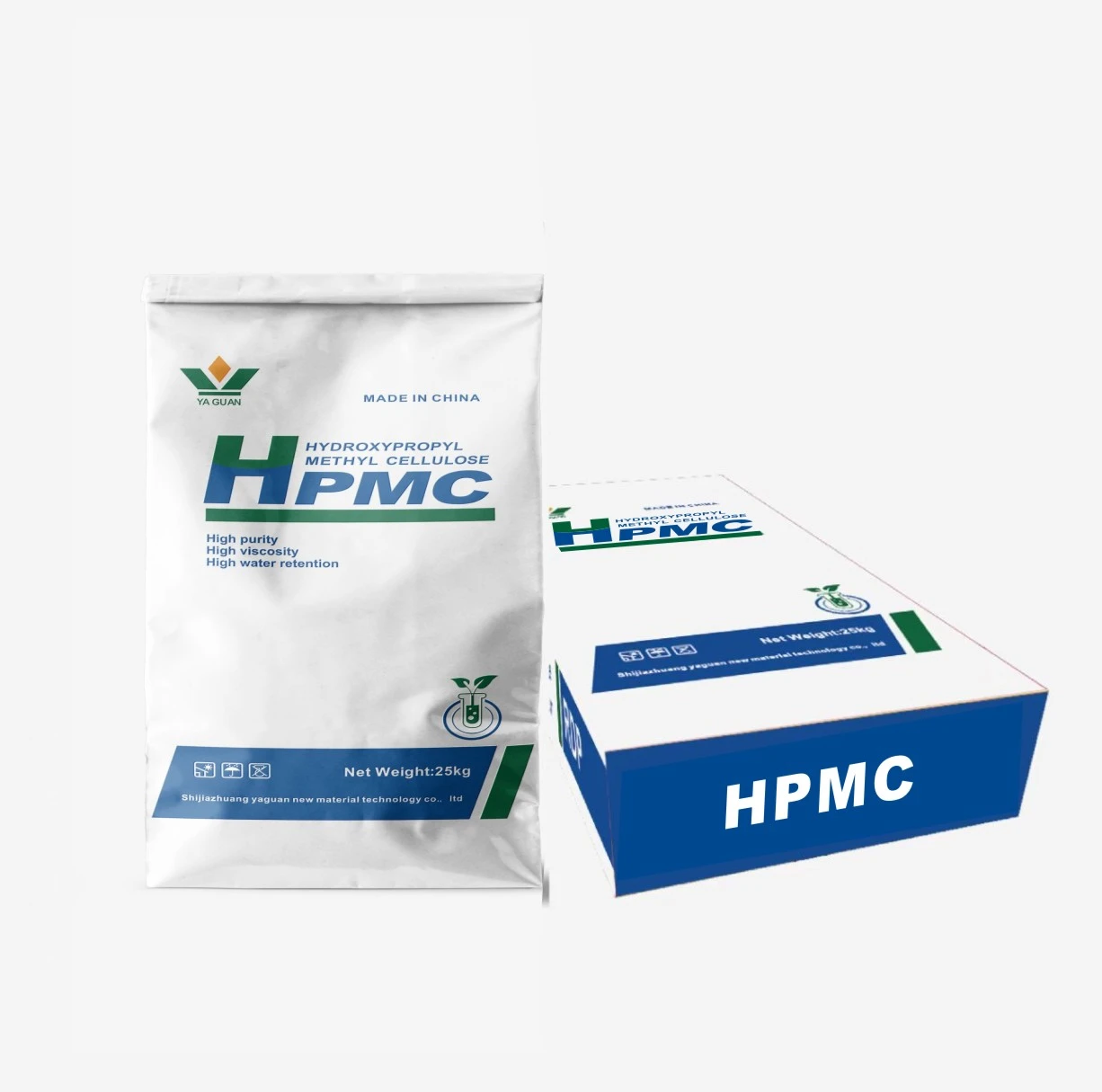
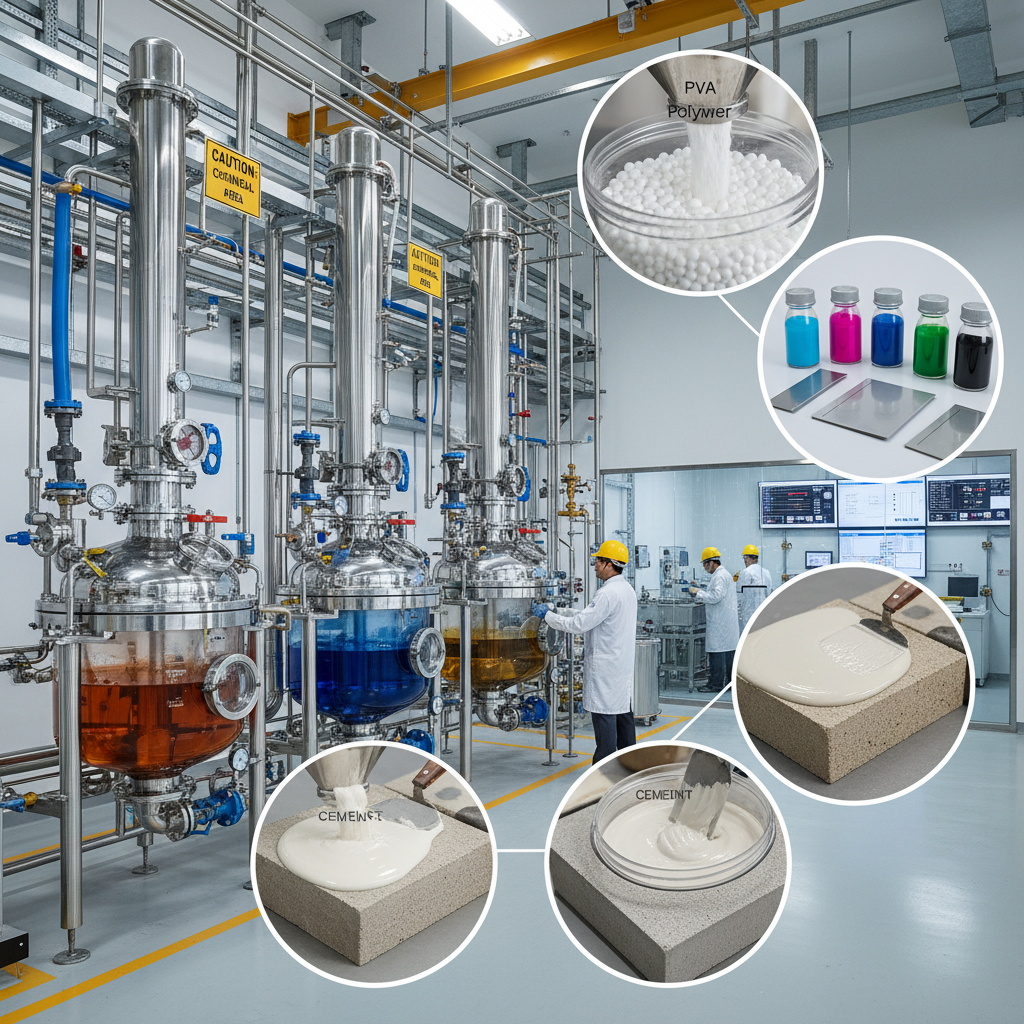
PVA is a synthetic polymer that, when added to cement, creates a network of fibers within the mixture. This network significantly alters the cement's properties. Primarily, PVA improves workability, making the cement easier to mix, pour, and finish. It also enhances adhesion, allowing the cement to bond more effectively to various substrates like concrete, brick, and stone. Furthermore, PVA reduces cracking by increasing the cement's flexibility and tensile strength. The result is a more durable and resilient final product. Yaguan HPMC offers high-quality PVA for consistent results.
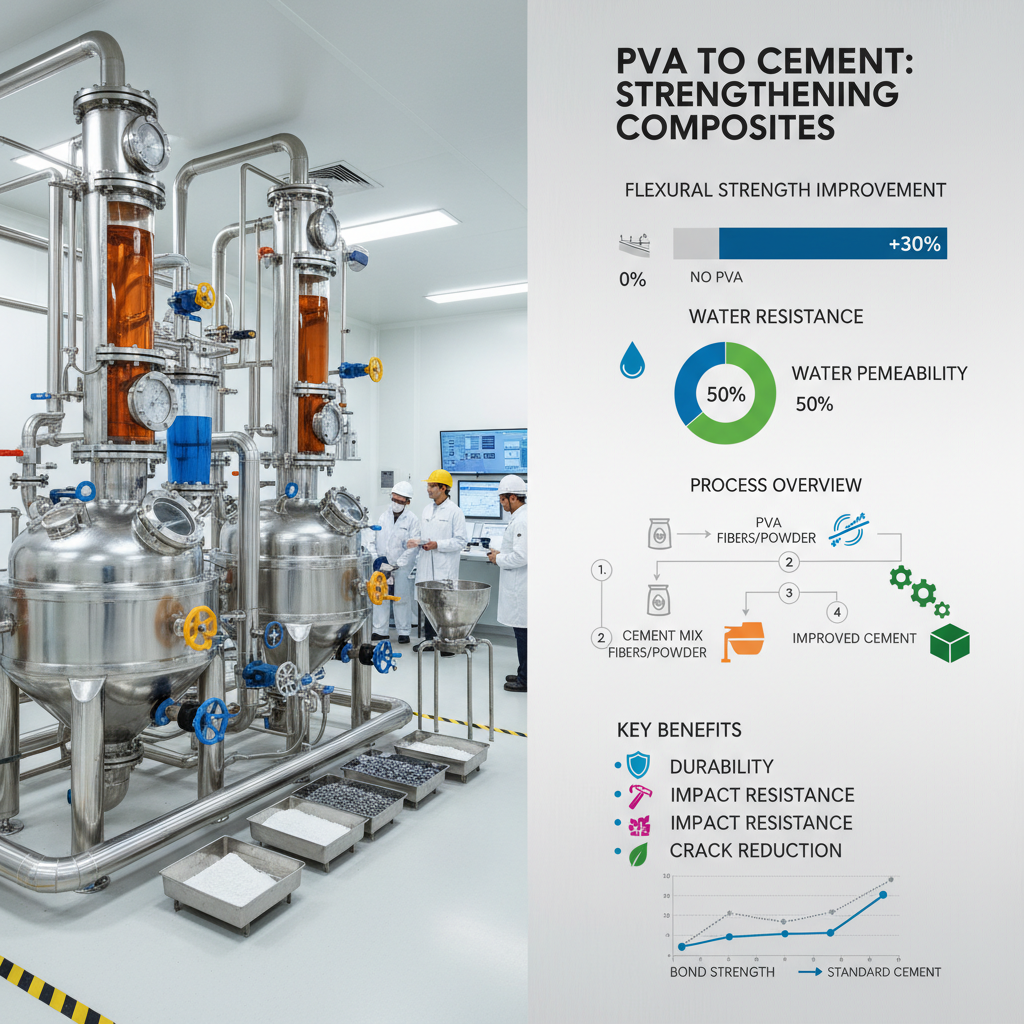
Key Benefits: Improved workability, enhanced adhesion, reduced cracking, increased tensile strength, and improved durability.
Specific Applications of PVA-Modified Cement
The versatility of PVA-modified cement makes it suitable for a wide range of applications. It's commonly used in tile adhesives, providing superior bonding strength and preventing tile slippage. In concrete repair, PVA helps to bridge cracks and restore structural integrity. It's also utilized in screeds and overlays to create smooth, durable surfaces. Furthermore, PVA is beneficial in rendering applications, improving adhesion and reducing shrinkage cracks. It is also commonly applied in waterproofing membranes. The specific use cases for PVA are expansive and constantly growing as construction techniques evolve.
Application Areas:
• Tile adhesives
• Concrete repair
• Screeds and overlays
• Rendering
• Waterproofing
Adding PVA to Cement: Dosage and Mixing
The optimal PVA dosage varies depending on the specific application and desired properties. Typically, PVA is added at a rate of 0.5% to 2% by weight of cement. It’s crucial to disperse the PVA thoroughly in water before adding it to the cement mixture. This ensures even distribution and prevents clumping. Use a mechanical mixer for consistent results. Avoid adding PVA directly to dry cement, as this can lead to uneven mixing and reduced effectiveness. Proper mixing is paramount for achieving the full benefits of PVA. Always follow the manufacturer's guidelines for precise dosage and mixing instructions.
PVA vs. Other Cement Additives: A Comparison
While several additives can enhance cement properties, PVA offers unique advantages. Compared to acrylic polymers, PVA is generally more cost-effective while providing comparable performance in terms of adhesion and workability. Unlike some latex additives, PVA doesn’t significantly reduce cement setting time. It's also more environmentally friendly than certain alternatives. While each additive has its strengths, PVA provides a balanced solution for improving cement performance across a broad range of applications. Choosing the right additive depends on the project’s specific requirements, and Yaguan HPMC can help you determine the best course of action.
Safety Precautions When Working With PVA
While PVA is generally considered safe, it's essential to follow proper safety precautions. Avoid inhaling PVA dust, as it can cause respiratory irritation. Wear appropriate personal protective equipment (PPE), including dust masks, gloves, and eye protection. Ensure adequate ventilation when mixing PVA with water or cement. Avoid contact with skin and eyes. In case of contact, rinse thoroughly with water. Refer to the Safety Data Sheet (SDS) for detailed safety information and handling instructions. Proper safety practices are paramount for a safe and productive work environment.
Conclusion: Elevating Cement Performance with PVA
Adding PVA to cement is a proven technique for enhancing its properties and achieving superior results. From improved workability and adhesion to increased strength and durability, PVA offers a cost-effective and versatile solution for a wide range of construction applications. By understanding the proper dosage, mixing techniques, and safety precautions, you can unlock the full potential of PVA and elevate the quality of your building projects.
Frequently Asked Questions (FAQs)
What is the shelf life of PVA?
Unopened PVA typically has a shelf life of 2-3 years when stored in a cool, dry place away from direct sunlight. Once opened, it’s best to use the PVA within 6-12 months to maintain its effectiveness. Exposure to moisture and temperature fluctuations can degrade the polymer over time. Always check the manufacturer’s packaging for specific storage and expiry date information. Proper storage is crucial for preserving the quality and performance of the PVA.
Can PVA be used with all types of cement?
Yes, PVA is generally compatible with most types of Portland cement, including ordinary Portland cement (OPC), rapid hardening cement, and white cement. However, it’s always recommended to conduct a small-scale test mix before applying PVA to a large-scale project. This helps to ensure compatibility and optimal performance. Different cement formulations may react slightly differently to PVA, so testing is a prudent step.
Will PVA affect the setting time of cement?
Generally, PVA has a minimal effect on the initial setting time of cement. In some cases, it may cause a slight delay, but this is usually negligible. Unlike some other additives like retarders, PVA doesn't significantly slow down the hydration process. However, higher dosages of PVA might result in a more noticeable delay, so it’s important to adhere to the recommended dosage guidelines.