What is PVA Used For? A Comprehensive Guide
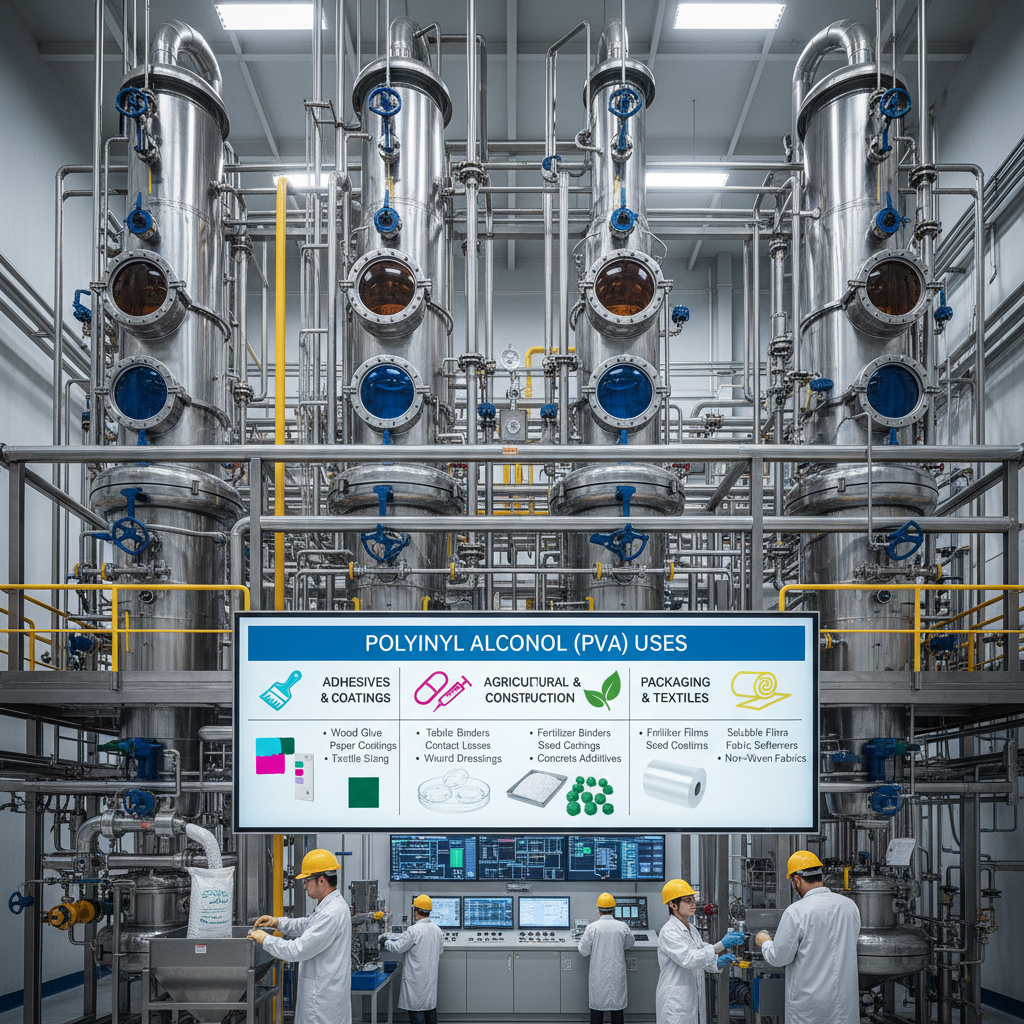
Polyvinyl alcohol (PVA) is a versatile synthetic polymer with a remarkably wide range of applications across various industries. From adhesives and textiles to packaging and medical applications, PVA’s unique properties – including water solubility, film-forming ability, and emulsification characteristics – make it an invaluable material. This article will delve into the diverse uses of PVA, explore its key properties, and highlight its significance in modern manufacturing. Understanding PVA’s applications can provide valuable insights for businesses and individuals alike.
Understanding PVA: Key Properties and Characteristics
PVA is a colorless, odorless, and non-toxic polymer. Its key properties include excellent film-forming capabilities, high tensile strength, and strong adhesion to various surfaces. Critically, PVA is soluble in water, meaning it dissolves readily, creating solutions of varying viscosity depending on the concentration and molecular weight. This solubility is crucial for many of its applications. Furthermore, PVA exhibits good resistance to oil, grease, and solvents. Different grades of PVA exist, categorized by their degree of hydrolysis and molecular weight, influencing their specific properties and suitability for different uses. Yaguan HPMC offers a range of PVA grades to meet diverse industry needs.
Key Highlights: PVA is a colorless, odorless, and non-toxic polymer with excellent film-forming capabilities and water solubility.
PVA in the Adhesive Industry
One of the most significant uses of PVA is in the production of adhesives. PVA-based adhesives are widely used in paper packaging, woodworking, and textile manufacturing. They offer excellent bonding strength, are easy to apply, and are relatively inexpensive. PVA adhesives are particularly popular in bookbinding, wallpaper pasting, and crafting applications. The water solubility of PVA makes these adhesives easy to clean up, adding to their convenience. Formulations can be tailored to adjust tack, drying time, and overall strength for specific bonding requirements.
PVA Adhesive Benefits:
• Excellent bonding strength
• Easy application and cleanup
• Cost-effective
• Versatile for various materials
PVA Applications in Textiles and Packaging
PVA plays a crucial role in textile sizing, where it's applied to yarns to increase their strength and abrasion resistance during weaving. This prevents yarn breakage and improves the quality of the finished fabric. In packaging, PVA films are used for water-soluble packaging, often seen in single-dose detergents, instant coffee, and agricultural films. These films dissolve completely in water, leaving no harmful residue, making them an environmentally friendly option. Furthermore, PVA is used as a coating for paper to improve its strength and printability.
PVA in Specialized Applications: Medical and Beyond
PVA finds applications in the medical field, including as a component in artificial tears and as a plasma volume expander. Its biocompatibility and non-toxicity make it suitable for these sensitive applications. It's also used in the production of polyvinylpyrrolidone (PVP), another important polymer. Beyond these, PVA is utilized in the creation of temporary protective coatings, release coatings, and even in 3D printing as a support material due to its water solubility. The adaptability of PVA continues to drive innovation in a variety of fields.
PVA Grades and Selection Considerations
The properties of PVA are significantly influenced by its degree of hydrolysis and molecular weight. Higher hydrolysis levels generally lead to increased water solubility and film strength. Different molecular weights affect viscosity and film-forming characteristics. Selecting the appropriate PVA grade depends heavily on the intended application. For instance, high-viscosity PVA is preferred for adhesives, while lower-viscosity grades are suitable for coating applications. Yaguan HPMC provides detailed specifications for each grade, allowing customers to choose the optimal material for their needs.
Conclusion: The Ubiquitous Versatility of PVA
PVA’s remarkable versatility and beneficial properties make it an indispensable material across a vast spectrum of industries. From its widespread use in adhesives and textiles to its increasingly important role in medical applications and sustainable packaging, PVA continues to innovate and adapt to evolving needs. By understanding its properties and applications, businesses and individuals can unlock its full potential. Yaguan HPMC remains committed to providing high-quality PVA solutions to meet the diverse challenges of modern manufacturing.
Frequently Asked Questions (FAQs)
What are the environmental considerations regarding PVA?
PVA is generally considered environmentally friendly due to its biodegradability under specific conditions. While it doesn’t readily degrade in all environments, it is susceptible to microbial breakdown in soil and wastewater treatment plants. Its use in water-soluble packaging significantly reduces plastic waste. However, the production of PVA itself requires energy and resources, so responsible manufacturing practices are crucial. Choosing PVA from reputable suppliers committed to sustainability is important for minimizing its environmental impact.
Is PVA safe for direct contact with skin?
PVA is generally considered non-toxic and safe for brief contact with skin. It’s commonly used in cosmetic and personal care products. However, prolonged or repeated exposure may cause mild irritation in some individuals. For medical applications, specific grades of PVA are rigorously tested for biocompatibility. It is always advisable to consult safety data sheets (SDS) and follow recommended handling procedures.
How does PVA compare to other polymers like starch?
Both PVA and starch are water-soluble polymers, but they differ in their properties and applications. Starch is derived from natural sources (plants) and is biodegradable, while PVA is synthetic. PVA generally exhibits higher tensile strength and film-forming capabilities than starch. Starch is also more susceptible to microbial degradation. PVA offers greater consistency in properties and is less affected by environmental factors compared to starch.
Where can I find high-quality PVA suppliers?
Finding a reliable PVA supplier is crucial for ensuring consistent quality and performance. Yaguan HPMC is a leading manufacturer and supplier of PVA, offering a wide range of grades and customized solutions. When selecting a supplier, consider factors such as product specifications, technical support, and adherence to quality standards.