
High Range Water Reducing Admixture: Essential Insights from Industry Experience
Having spent over a decade around concrete production and industrial equipment, I’ve come to appreciate just how much a small additive can shift an entire project’s outcome. High range water reducing admixture is one such game-changer. Frankly, it’s like giving concrete a secret weapon — improving workability without cranking up the water content. That subtle tweak, oddly enough, impacts strength, durability, and project efficiency in ways many casual observers might miss.
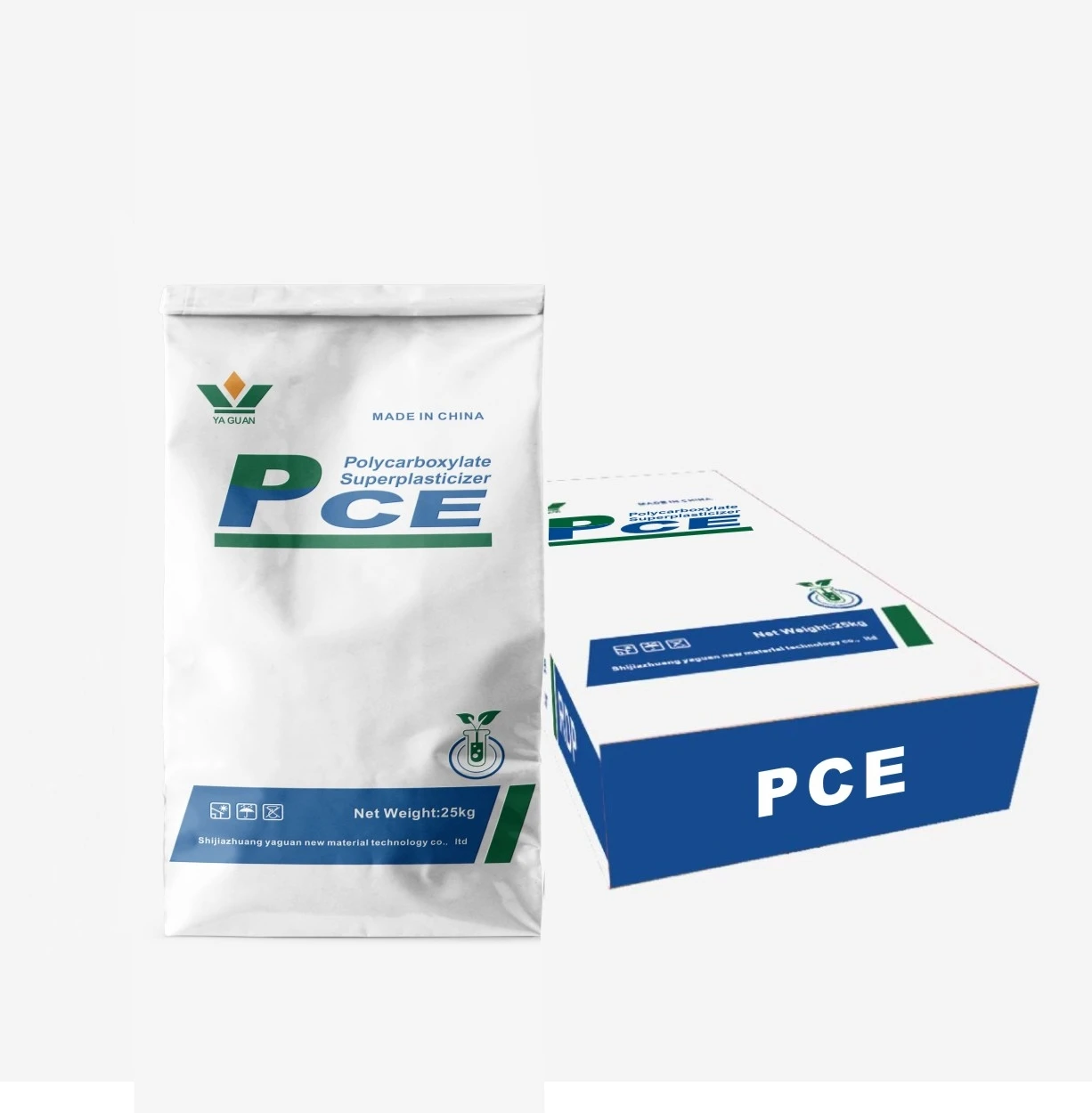
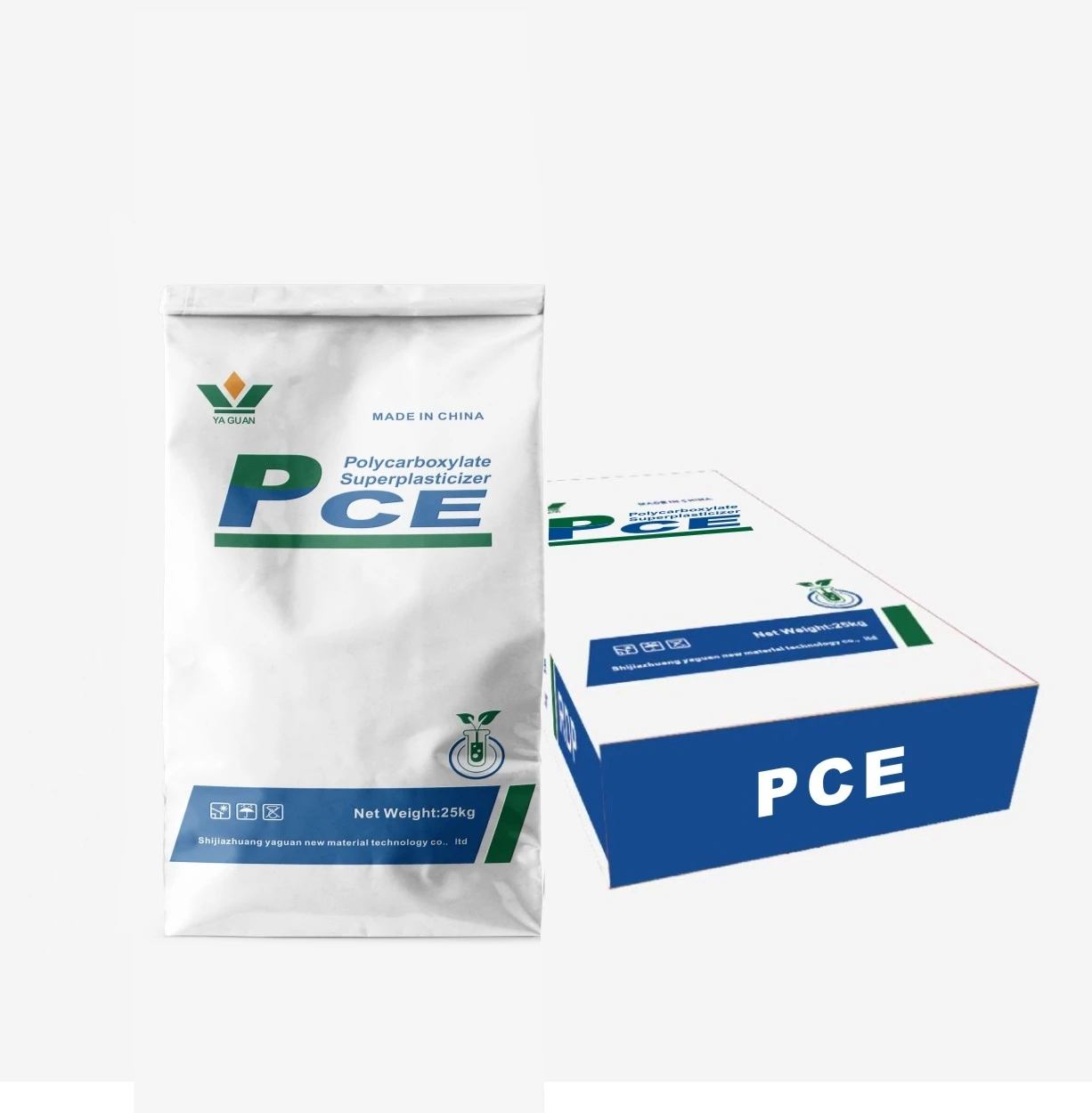
In real terms, these admixtures—sometimes called superplasticizers—are chemical compounds added to the concrete mix to dramatically reduce water demand. The result? Your batch flows smoother, sets tighter, and often carries a higher compressive strength once cured. Over the years, I’ve noticed how many engineers swear by their consistent use, especially in high-rise or infrastructure projects where every psi counts.
But it’s not just about throwing in chemicals. Product design varies substantially among manufacturers, which brings me to an important note: always verify the admixture's compatibility with your local materials and climatic conditions. From sulfonated naphthalene to polycarboxylate ether types, the chemistries differ—impacting setting times and flow curves. I recall one project where switching admixtures slightly shifted the slump retention, tweaking the placement window enough that crews had to adapt quickly.
| Parameter | Typical Value | Notes |
|---|---|---|
| Appearance | Brownish liquid | Viscous but pourable |
| pH | 6 - 8 | Neutral to slightly alkaline |
| Solid Content | 40% ± 2% | By weight |
| Water Reduction | 20% - 35% | Dependent on dosage |
| Dosage | 0.5% - 2.0% (by cement weight) | Adjust per mix design |
| Setting Time | May vary (+/- 30 min) | Depends on admixture type |
Over the years, I’ve worked with multiple suppliers, and it's crucial to understand how they differ. Sometimes, your decision isn’t just about chemical specs, but also about support, delivery, and cost-efficiency. To that end, here’s a brief vendor comparison from my experiences. Hopefully, it gives you a quick overview of what you might face when choosing your product source.
| Vendor | Product Type | Typical Price | Lead Time | Customer Support |
|---|---|---|---|---|
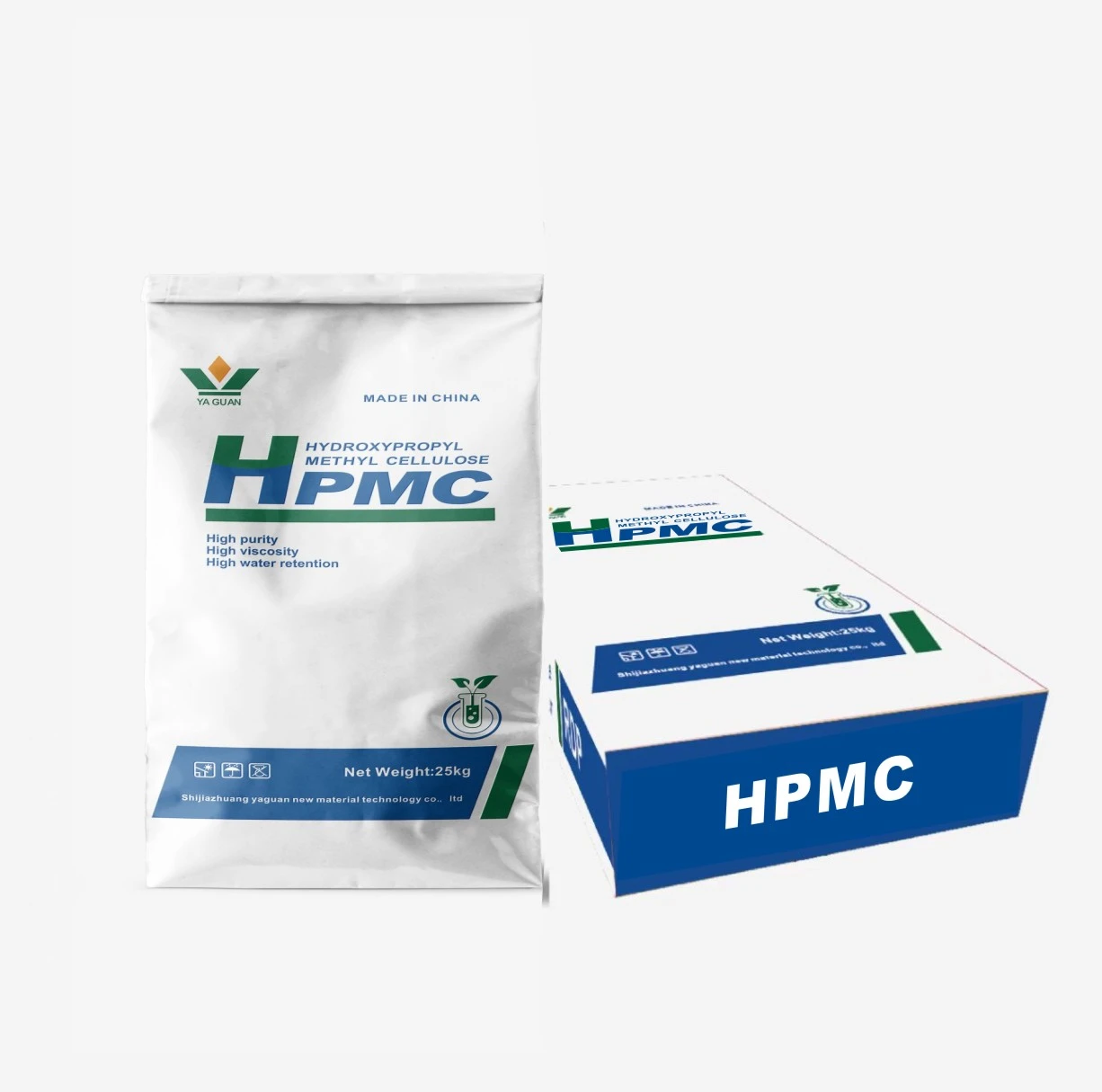
| Yaguan HPMC | Polycarboxylate Ether | Competitive | 7-10 days | Responsive, technical support available |
| GlobalChem | Sulfonated Naphthalene | Mid-range | 5-7 days | Good, but limited technical dept. |
| BuildMaster | Polycarboxylate Ether | Higher-end | 10-14 days | Extensive field support |
By the way, I can’t resist sharing one quick story. Not too long ago, a client from the infrastructure sector implemented a high range water reducing admixture sourced from Yaguan HPMC. The improved slump retention gave their crew more time to work with the concrete on a hot summer day — a factor that literally saved them from costly rework and inconsistencies. It’s a great example of how these products aren’t just theoretical „nice to have“ items; they change how real-world jobs unfold.
Of course, it’s essential to test any admixture in your specific mix designs and conditions. No one-size-fits-all here, as local aggregates, cement types, and ambient temperatures create a matrix of variables. (That’s the industrial equipment sector for you—constant calibration and adaptation.)
So, if you’re involved in concrete tech or project management, don’t underestimate the impact of choosing the right high range water reducing admixture. Start with a reliable supplier, get your dosages dialed in, and keep communicating with your team during pours. You’ll probably notice greater consistency, improved strength, and maybe just a little less stress on site.
In closing, having worked both in the field and on the specification side, I see high range water reducing admixture as a cornerstone of modern, efficient concrete production. Its importance will likely grow as infrastructure challenges deepen and precision becomes non-negotiable.
— An Experienced Industrial Equipment Professional
References:
- ACI Committee 212, “Chemical Admixtures for Concrete,” American Concrete Institute, 2021.
- R.D. Hooton, “Concrete Durability,” Portland Cement Association, 2020.
- Yaguan HPMC Technical Data Sheets and Product Literature, 2023.