
Understanding Water-Reducing Admixtures: Boosting Concrete Performance Globally
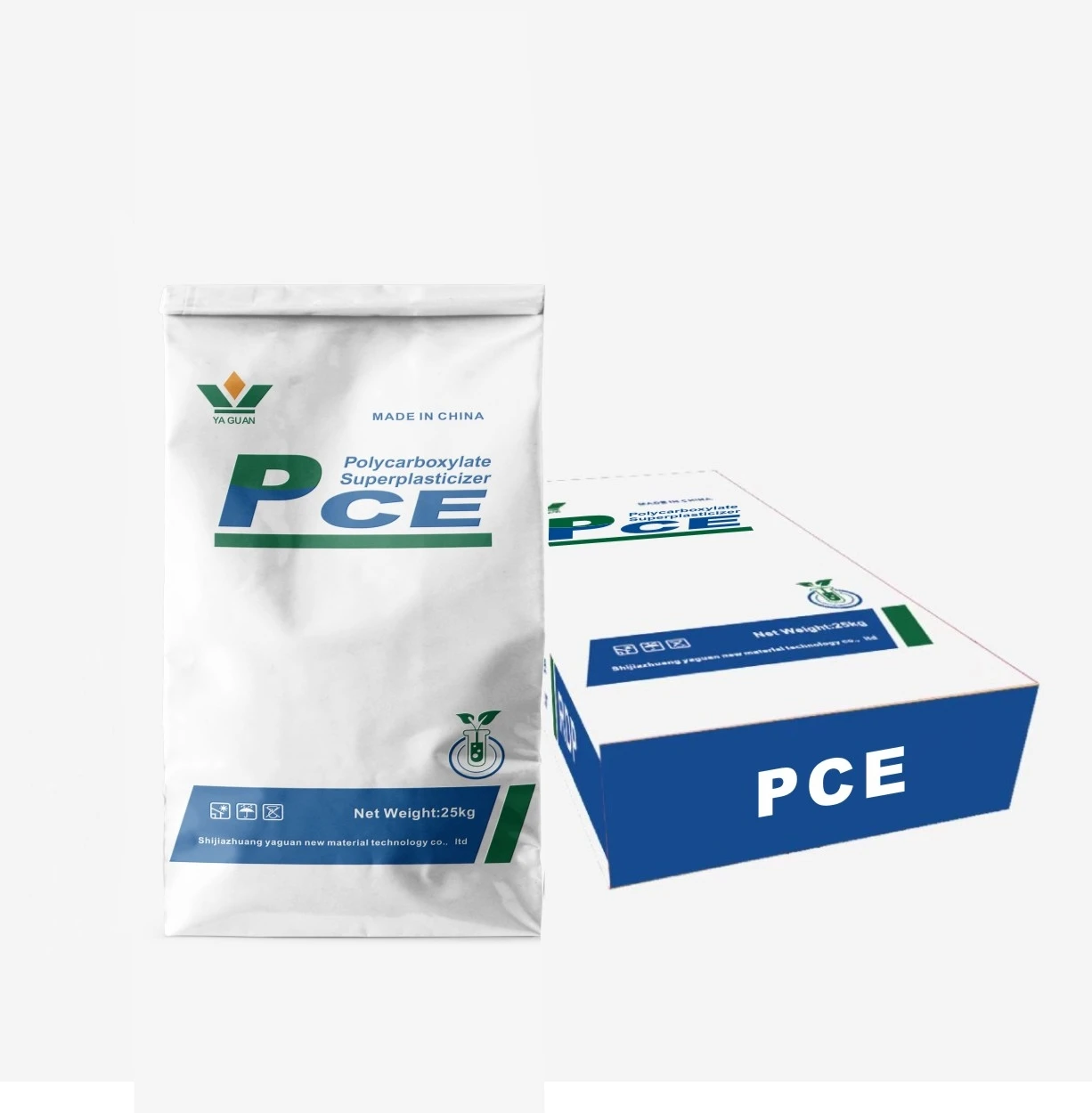
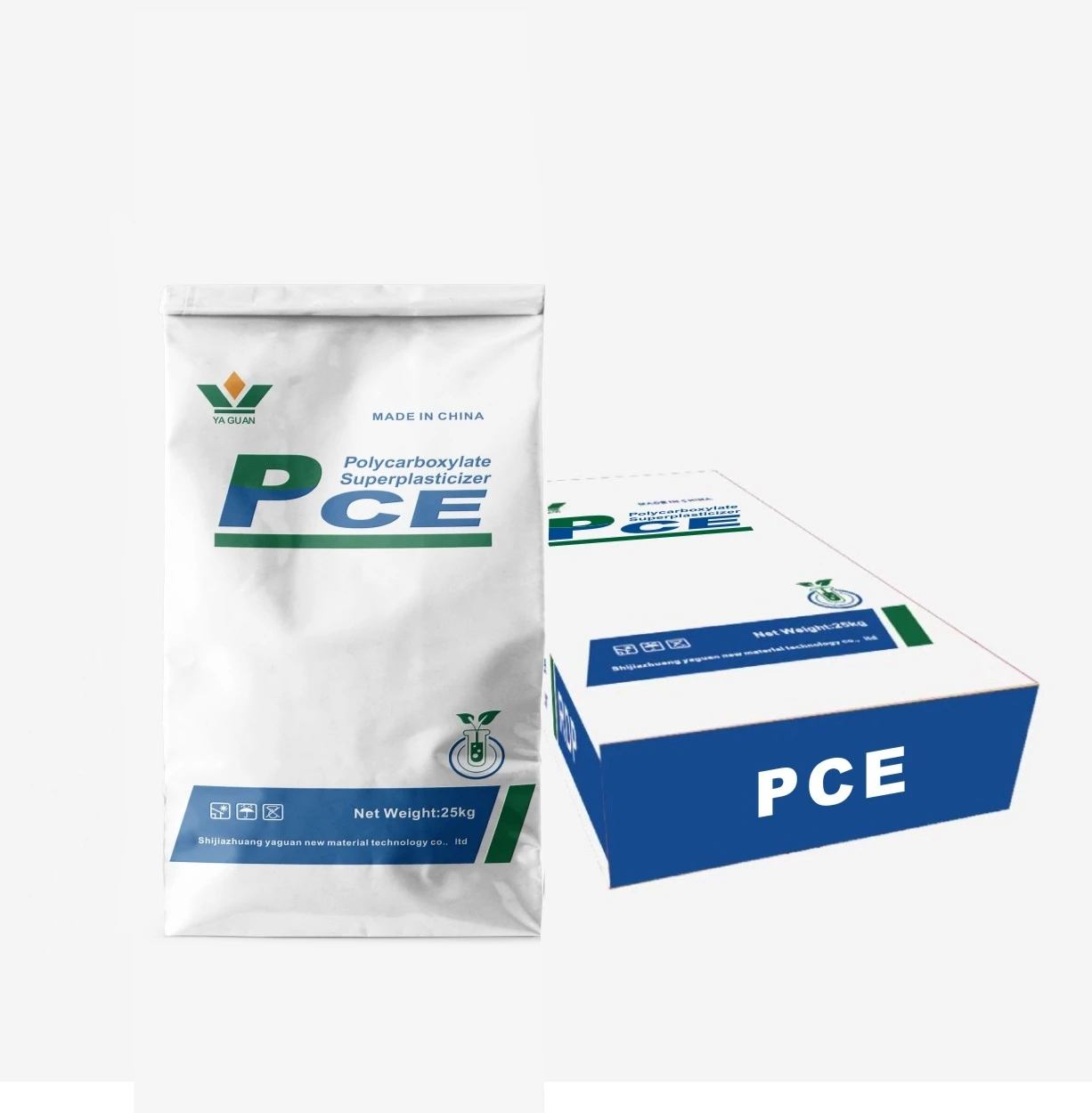
Water-reducing admixtures, simply put, are additives mixed into concrete to enhance its workability while reducing the amount of water needed without compromising strength. This seemingly small component plays a gigantic role in modern construction, infrastructure resilience, and even humanitarian aid. Globally, as urbanization surges and climate challenges grow, understanding how to optimize materials like concrete — the world’s most used man-made material — is crucial. Water-reducing admixtures are at the forefront because they meet demands for durability, sustainability, and cost-effectiveness.
Introduction: The Worldwide Impact of Water-Reducing Admixtures
On a global scale, concrete accounts for roughly 8% of carbon dioxide emissions, largely because of cement production. According to the United Nations Environment Programme (UNEP), innovations that improve concrete’s efficiency contribute directly to reducing environmental footprints. Here's where water-reducing admixtures step up: they allow producers to lower water content, which tightens the concrete’s microstructure, reduces porosity, and enhances strength — all without requiring more cement. It’s a win-win, tackling the dual challenge of performance and sustainability.
Yet, water-reducing admixtures also address practical hurdles faced by engineers and builders, especially in regions where water availability is limited or where rapid construction is critical. In disaster zones or developing urban centers, they enable the creation of high-quality concrete that performs well under adverse conditions.
What Exactly Is a Water-Reducing Admixture?
At its core, a water-reducing admixture is a chemical additive that modifies the properties of concrete. It reduces the required water-cement ratio for hydration, improving flow and workability without loosening the mix. Imagine trying to stir thick syrup; adding water helps but weakens the flavor. These admixtures act like a secret ingredient preserving flavor while making the syrup easier to handle.
From an industry perspective, these admixtures help balance durability with production efficiency. Humanitarian construction projects rely heavily on them to ensure quick setting times and sturdy structures using locally available materials. The synergy of chemistry and practical necessity makes these admixtures invaluable.
Key Factors Behind Water-Reducing Admixtures
1. Durability Enhancement
Reduced water content means fewer capillary pores, leading to concrete less prone to cracking, freeze-thaw damage, and chemical attack. Simply put, it lasts longer — a key factor in infrastructure longevity.
2. Workability and Pumpability
Without these admixtures, reducing water would make concrete too stiff to pour or pump. Water-reducers maintain fluidity, which is essential for complex forms or high-reach applications.
3. Cost Efficiency
Lower water means higher strength achieved without adding more cement, which is costlier and more carbon-intensive. The net result is savings both in materials and construction time.
4. Environmental Sustainability
Less water and cement reduce the ecological footprint. Some advanced admixtures even incorporate biodegradable or less toxic components, aligning with global green building standards like ISO 14001.
5. Adaptability in Extreme Conditions
They also help concrete set in challenging climates, whether hot deserts or freezing mountains, supporting more resilient constructions worldwide.
Global Applications and Real-World Use Cases
You’ll find water-reducing admixtures used everywhere from skyscrapers in New York to bridges in rural China. In urban areas, these admixtures allow for faster construction cycles with higher quality outputs. For example, in the rapid growth of African cities, where infrastructure lagged, these chemicals have made concrete more robust and installation manageable despite limited resources.
Humanitarian efforts have leveraged them too. After hurricanes or earthquakes, agencies use admixtures to produce concrete quickly in temporary shelters and permanent rebuilding efforts. It can mean the difference between structures that survive another storm and those that don’t.
In industrial zones, especially those far from water sources, they optimize scant resources — the admixtures’ efficiency compensates for limited water availability. Projects like hydropower dams in South America or ports in Southeast Asia use these admixtures extensively.
Advantages and the Long-Term Value of Water-Reducing Admixtures
- Cost savings: By reducing cement requirements and water use, they lower production costs.
- Sustainability: Lower carbon footprint and reduced demand on water resources.
- Performance: Increase in concrete strength, durability, and lifespan.
- Safety and trust: Structures that stand strong offer communities dignity and security.
- Innovation driver: They empower engineers and builders to try new architectural designs and techniques.
Honestly, it feels like these admixtures make concrete smarter, almost like adding a ‘brain’ to an otherwise basic material.
Product Specifications: Typical Water-Reducing Admixture Chart
| Property | Typical Value |
|---|---|
| Appearance | Light brown liquid |
| pH Value | 6.5–8.5 |
| Dosage | 0.2%–1.0% by weight of cement |
| Chloride Ion Content | |
| Water Reduction Rate | Up to 15% |
Vendor Comparison: Leading Water-Reducing Admixture Providers
| Feature | Company A | Company B | Company C |
|---|---|---|---|
| Product Range | Standard + High-performance | Eco-friendly options | Custom formulations |
| Environmental Compliance | ISO 14001 Certified | Green Seal Certified | Pending certifications |
| Pricing | Mid-range | Premium | Competitive |
| Technical Support | 24/7 hotline | On-site consultation | Online resources |
Looking Ahead: Future Trends and Innovations
Things are shifting in the admixture world. Sustainable construction practices, driven by tighter regulations and environmental consciousness, steer manufacturers toward greener chemicals. Digital innovations like AI-assisted mix design optimize admixture doses, ensuring maximum performance with minimal waste. Oddly enough, smart concrete infused with sensors works hand-in-hand with these admixtures to monitor structural health in real time.
Additionally, there's growing interest in bio-based admixtures derived from natural polymers, which promise lower toxicity and better biodegradability — pretty exciting for anyone passionate about a circular economy.
Challenges & Solutions in Using Water-Reducing Admixtures
Despite their benefits, these admixtures aren’t magic bullets. They can be sensitive to temperature changes and the quality of raw materials. Sometimes, improper dosage leads to issues like delayed setting or segregation. This is where expertise matters — continuous training, quality control, and collaboration between chemists and field engineers help overcome these hurdles.
Innovations like real-time monitoring devices now help detect mix inconsistencies early, preventing costly rework. Plus, educational efforts raise awareness among smaller contractors, which has been a noticeable gap.
FAQ: Common Questions About Water-Reducing Admixtures
- Q: How much water reduction can I expect with these admixtures?
A: Typically, they reduce water content by 5–15% without losing workability, depending on the specific product and mix design. - Q: Are water-reducing admixtures compatible with all cement types?
A: Most are compatible with Portland cement, but it’s best to consult product specifications, especially with specialty cements. - Q: What precautions should be taken in hot climates?
A: Admixture dosage might need adjustment to avoid rapid setting; consulting an expert or running trial mixes is recommended. - Q: Can these admixtures help reduce cracking in concrete?
A: Indirectly, yes. They lower water content, reducing shrinkage cracks and improving overall durability. - Q: How do I import these admixtures for international projects?
A: Work with certified distributors and verify compliance with local regulations; many manufacturers offer logistics support.
Conclusion: Embracing the Future with Water-Reducing Admixtures
Water-reducing admixtures represent a subtle but vital advancement in concrete technology. They enhance strength, save money, lower environmental impact, and deliver more reliable infrastructure — qualities the world urgently needs. If you want to explore high-quality admixtures tailored to your projects, check out water-reducing admixture specialists. It really pays to incorporate these additives — not just for your build, but for the planet.
Oh, and just a heads-up — these innovations will likely shape the concrete industry for decades, so staying informed is a smart move.
Mini Takeaway: Water-reducing admixtures power smarter, greener, longer-lasting concrete worldwide — a quiet revolution beneath our feet.
1. United Nations Environment Programme (UNEP): www.unep.org
2. ISO 14001 Environmental Management Standards: www.iso.org
3. Wikipedia: Water-reducing admixture en.wikipedia.org