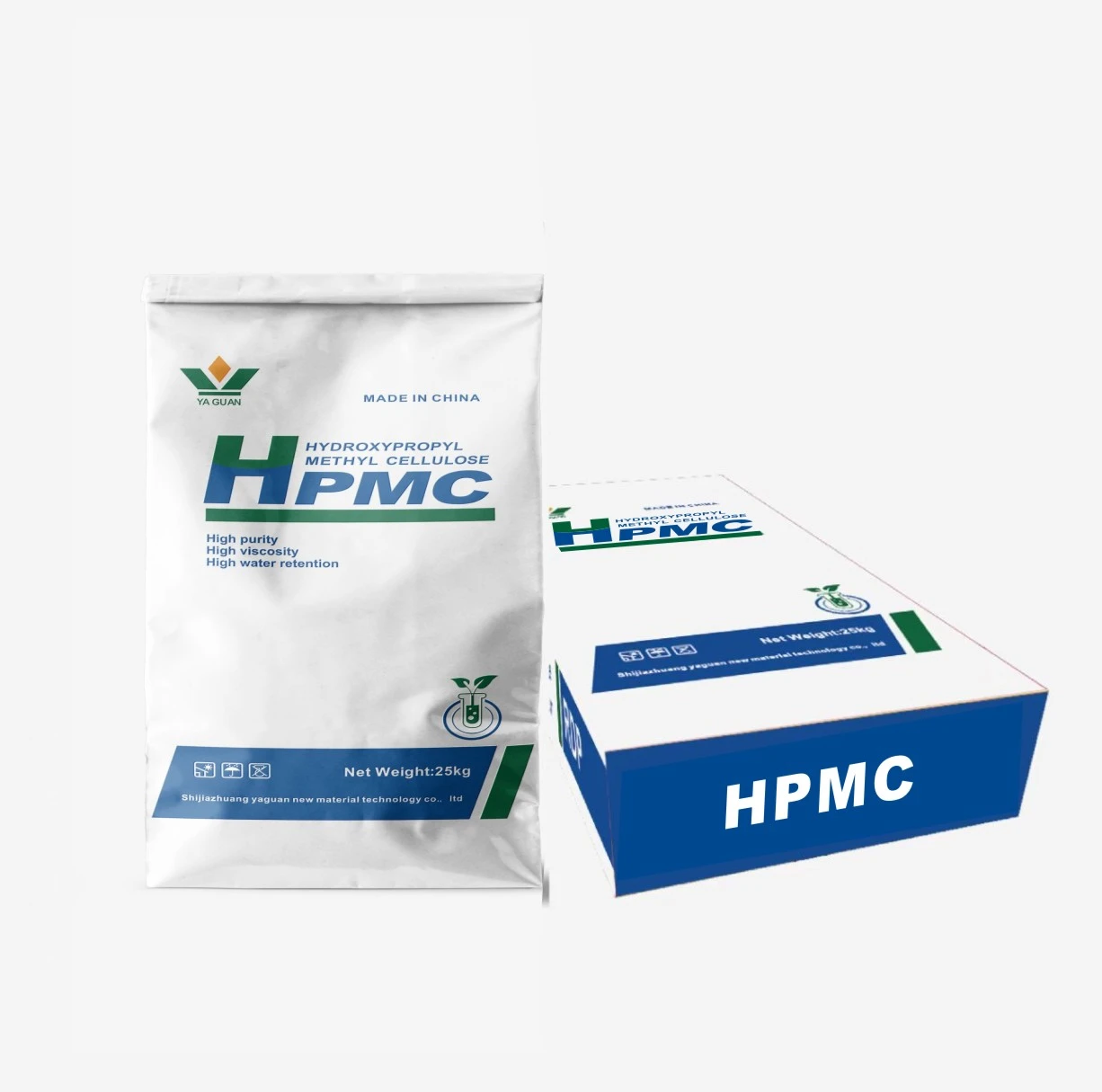

Understanding Ethyl Hydroxyethyl Cellulose: A Versatile Polymer for Modern Industry
Ethyl hydroxyethyl cellulose (EHEC) might not be a term you hear at the dinner table, but in the world of manufacturing and product formulation, it’s quietly at work in countless applications. This unique cellulose ether plays a crucial role in industries ranging from construction to cosmetics — and even humanitarian aid. Understanding this polymer's properties and benefits isn’t just a niche topic; it matters globally because it helps create safer, more sustainable products that support everything from everyday consumer goods to critical infrastructure.
Why EHEC Matters Globally
When I first stumbled on this polymer during a project for construction materials, I was surprised by its scope. According to ISO standards for cellulose ethers, such compounds feature prominently in improving product stability and performance worldwide. The global cellulose ethers market is estimated to grow steadily, supporting over a dozen industries. In real terms, this means better materials for millions — from affordable paints and adhesives to environmentally friendly detergents.
What’s more, the ability of ethyl hydroxyethyl cellulose to enhance viscosity and water retention addresses key challenges seen in harsh climates or resource-limited settings. For instance, imagine post-disaster zones where the right construction gauging or cosmetic treatment can literally improve quality of life overnight.
What Exactly Is Ethyl Hydroxyethyl Cellulose?
At its core, ethyl hydroxyethyl cellulose is a derivative of cellulose — a natural polymer sourced mainly from plant fibers. By chemically modifying cellulose with ethyl and hydroxyethyl groups, manufacturers create a water-soluble, non-ionic polymer. This means it thickens solutions without disrupting other components. In practical terms, it’s widely used as a thickener, stabilizer, and film former, with excellent tolerance to salts and varying pH levels.
Why does this matter in the industry? Because making formulations that stay stable under varying conditions — think extreme temperature swings or salty environments — is no small feat. EHEC provides that critical flexibility.
Core Features of Ethyl Hydroxyethyl Cellulose
1. Viscosity Control
One of the most prized features is its ability to control viscosity precisely. This is why it’s common in paints and coatings that must spread evenly but not drip excessively.
2. Water Retention and Stability
Especially important in cement and tile adhesives, EHEC helps retain moisture longer for better curing — something construction folks rave about.
3. Compatibility with Chemicals
Unlike some polymers, EHEC is non-ionic, offering excellent compatibility with other ingredients — including salts, surfactants, and pigments.
4. Thermal and pH Range Tolerance
It remains stable over a wide range of temperatures and pH values, ensuring formulations don’t break down during use or storage.
5. Film Formation
In cosmetics and personal care, EHEC can form smooth films on skin or hair, enhancing texture and product feel.
Applications of Ethyl Hydroxyethyl Cellulose Around the Globe
This polymer’s versatility means it gets spread wide across sectors and geographies.
- Construction: Used heavily in mortars, tile adhesives, and plasters, especially in Europe and Asia where building standards demand durability and flexibility.
- Cosmetics: Facial creams, shampoos, and lotions benefit from EHEC’s smooth thickening and moisturizing properties.
- Paints and Coatings: From automotive to industrial paints, its role in viscosity stabilization is central.
- Pharmaceuticals: Helps improve the texture and consistency of suspensions and gels.
- Detergents and Cleaners: Enhances viscosity and stability without reacting with surfactants.
To highlight a humanitarian example — in disaster relief, rapid-setting cement mixtures enhanced with EHEC improve shelter durability, critical when time and resources are scarce.
Mini Takeaway:
In short, ethyl hydroxyethyl cellulose is one of those unsung heroes — boosting product performance quietly but effectively worldwide.
Key Specifications of Typical Ethyl Hydroxyethyl Cellulose Grades
| Property | Typical Range | Unit |
|---|---|---|
| Viscosity (2% solution) | 2000 - 10000 | mPa·s |
| pH (1% solution) | 5.5 - 8.0 | – |
| Degree of Substitution (Ethyl) | 1.5 - 2.5 | mol/mol |
| Moisture Content | ≤5 | % |
| Appearance | White to off-white powder | – |
Vendor Comparison: Choosing the Right Supplier for EHEC
With many options out there, not all cellulose ethers are created equal. Here’s a quick rundown of some typical vendor factors you’ll want to keep in mind:
| Vendor | Technical Support | Price Range | Delivery Time | Sustainability Practices |
|---|---|---|---|---|
| Yaguan Chemicals | Excellent, 24/7 consulting | Mid-range | 1-2 weeks | ISO 14001 certified |
| Global Cellulose Inc. | Good, limited weekend support | Higher-end | 2-3 weeks | Recycling initiatives |
| EcoPolymer Supplies | Moderate, email only | Budget-friendly | 3-4 weeks | Limited carbon footprint data |
Advantages and Long-Term Value of Using Ethyl Hydroxyethyl Cellulose
Whether you’re formulating a water-resistant paint or a skin-soothing cream, EHEC offers tangible benefits:
- Cost Efficiency: A little goes a long way — improving materials without adding excessive cost.
- Enhanced Product Performance: Stability and viscosity control help maintain quality over shelf life.
- Sustainability: Derived from renewable cellulose, it's more eco-friendly than fully synthetic polymers.
- Social Impact: Products made with EHEC can improve safety and comfort, from durable shelters to hygienic personal care.
Emerging Trends and Innovations in Cellulose Ethers
The field isn’t standing still. Researchers are exploring ways to integrate EHEC with green energy materials, aiming for bio-based adhesives and coatings that reduce volatile organic compounds (VOCs). Oddly enough, digital transformation is influencing formulations too—smart sensors in construction paints, for instance, use cellulose ethers for stability while detecting environmental changes.
Automation in production lines means more precise polymer tailoring, customizing substitution degrees to match exact customer needs. These innovations could mean less waste, more recycling, and products that perform better for longer.
Challenges and How Experts Are Overcoming Them
One challenge is the solubility rate — EHEC can sometimes take longer to disperse well in cold water, which frustrates some formulators. However, new milling and micronization technologies are speeding this up.
Also, balancing film formation with breathability is tricky for cosmetic products. The solution? Combining EHEC with complementary polymers for tailored textures and feel.
Frequently Asked Questions About Ethyl Hydroxyethyl Cellulose
Q1: How does ethyl hydroxyethyl cellulose improve construction adhesives?
A: It enhances water retention and viscosity, which results in better workability and longer open time for adhesives, ensuring stronger and more durable bonds, especially in challenging environments.
Q2: Is EHEC safe for use in personal care products?
A: Absolutely. It is non-toxic, hypoallergenic, and often used in creams and shampoos to improve texture without irritating sensitive skin.
Q3: Can EHEC be used in formulations exposed to extreme temperatures?
A: Yes, EHEC remains stable across a broad temperature range, making it suitable for outdoor paints and industrial coatings that face environmental stress.
Q4: Where can I source high-quality ethyl hydroxyethyl cellulose?
A: Established suppliers like Yaguan Chemicals offer consistent product quality, technical support, and sustainable manufacturing practices, making them a strong choice.
Q5: How does EHEC support sustainability goals?
A: Being derived from renewable cellulose and reducing the need for synthetic thickeners, EHEC aligns with eco-conscious product development and contributes to lower carbon footprints.
Wrapping Up: Why Ethyl Hydroxyethyl Cellulose Should Be on Your Radar
In the end, ethyl hydroxyethyl cellulose combines natural origins with engineering versatility — a rare and valuable mix. Whether you're a chemist formulating the next innovative paint or a project manager overseeing construction materials during a crisis, leveraging this polymer can mean better performance, higher product stability, and real contributions to sustainability.
If you’re intrigued and want to explore what ethyl hydroxyethyl cellulose can do for your business or project, just reach out — the future is ready for smarter, cleaner, and more dependable solutions.
Quick Summary
Ethyl hydroxyethyl cellulose acts as a crucial modifier in many modern formulations. Its unique combination of viscosity control, compatibility, and sustainability makes it indispensable across global industries. Emerging innovations and ongoing challenges mean the story isn’t over — it’s only getting more interesting.