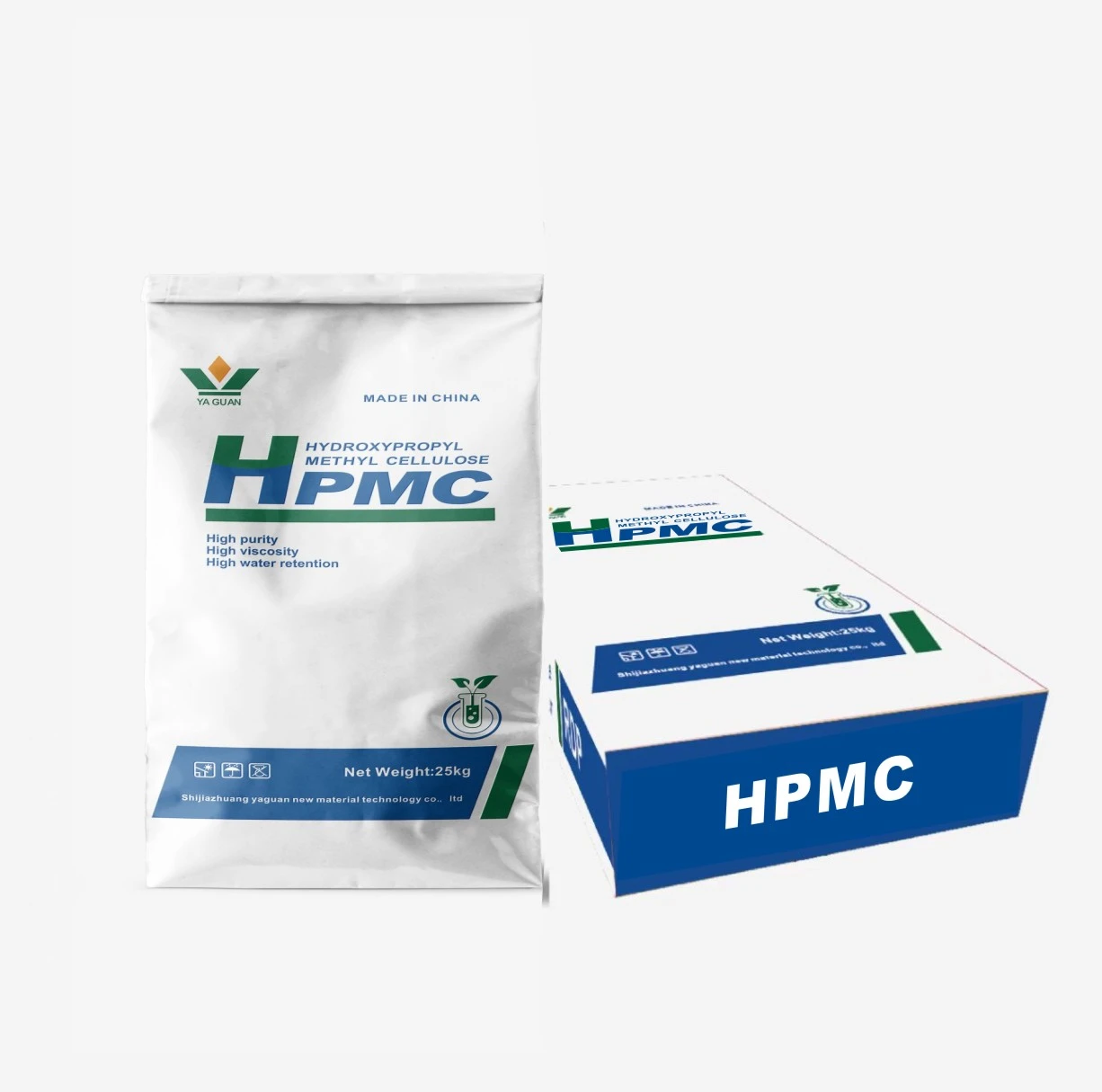
Understanding Methyl Ethyl Hydroxyethyl Cellulose: A Key Industry Component
When you first hear methyl ethyl hydroxyethyl cellulose, it might sound like a mouthful best left to chemists alone. But this compound — a derivative of cellulose — quietly plays a pivotal role in industries ranging from construction to personal care, and even food production. Globally, its efficient use touches daily lives in ways most never realize. Why does it matter? Because as the world strives for sustainability and innovation, understanding this material can unlock advances in product performance, environmental friendliness, and economic value.
In this article, we’ll dive beyond the jargon. From its chemical basics to why it’s increasingly relevant worldwide — and how companies tailor it to meet diverse needs — we’ll explore it all. Plus, if you’re working with or interested in this fascinating compound, there are a few handy takeaways to keep you ahead of the curve.
Global Context: Why Methyl Ethyl Hydroxyethyl Cellulose Matters
Globally, cellulose derivatives like methyl ethyl hydroxyethyl cellulose (MEHEC) have gained prominence due to expanding industrial and environmental demands. The United Nations estimates the global cellulose ethers market will grow at about 6.5% annually, driven by construction booms, personal care innovation, and food safety regulations.[1] MEHEC, with its unique solubility and stabilization properties, serves as a critical additive in everything from cement admixtures to moisturizing creams.
But a key problem remains: how to balance high performance with sustainability. Industries require additives that don’t just boost function but are also environmentally responsible. MEHEC answers some of this challenge thanks to its renewable cellulose base and adaptability. When you think about it, that’s quite a promise for an ingredient seemingly so obscure.
Mini Takeaway:
- MEHEC’s global demand is growing with sustainable manufacturing trends.
- It addresses key challenges in improving product performance while maintaining eco-standards.
What Exactly is Methyl Ethyl Hydroxyethyl Cellulose?
Put simply, methyl ethyl hydroxyethyl cellulose is a chemically modified cellulose ether derived from plant fibers. Cellulose, the world's most abundant natural polymer, is used as a base, then altered by introducing methyl, ethyl, and hydroxyethyl groups. These chemical tweaks give MEHEC its thickening, stabilizing, and water-retaining qualities.
Its ability to form gels and films makes it valuable for controlling viscosity and texture, which is why you’ll find it listed as an ingredient in construction materials, food additives, pharmaceuticals, and cosmetics. Notably, its bio-based origin connects it to wider moves towards greener industrial chemistry.
Mini Takeaway:
- MEHEC is a cellulose derivative modified for enhanced functional properties.
- Its versatility roots in both chemistry and sustainability.
Core Features of Methyl Ethyl Hydroxyethyl Cellulose That Make It So Useful
1. Viscosity Modification
One of the most prized qualities MEHEC brings is its ability to precisely control the thickness or flow of liquids. Whether slowing down cement slurry or improving cream texture, it acts as the rheological maestro behind the scenes.
2. Water Retention
MEHEC’s water-binding capacity helps maintain moisture in products like paints or pharmaceutical gels, preventing drying out—a vital trait for both product lifespan and performance.
3. Compatibility with Other Ingredients
This makes MEHEC a go-to partner in complex formulations. Its chemical neutrality combined with adaptability allows seamless blending without impairing other components.
4. Thermal Stability
For high-temperature scenarios such as plaster or drilling fluids, MEHEC maintains integrity rather than breaking down, making it reliable under stress.
5. Eco-Friendliness
Being cellulose-based, MEHEC is biodegradable and sourced from renewable materials, a key factor in industries aiming to reduce their carbon footprint.
Mini Takeaway:
- MEHEC’s multifunctional properties unlock innovation across industries.
- Its fine balance of performance and environmental benefits is a rare find in additives.
Global Applications: Where Does Methyl Ethyl Hydroxyethyl Cellulose Shine?
If you’re wondering where this chemical marvel shows up, the answer is: almost everywhere. But here are some highlights:
- Construction: MEHEC enhances mortar and plaster by improving workability and reducing water use in dry-mix cement products—crucial for efficiency and environmental standards in modern building.
- Pharmaceuticals: It stabilizes suspensions and gels, improving drug delivery while maintaining safe, biocompatible ingredients.
- Cosmetics & Personal Care: Used extensively in lotions, shampoos, and creams for texture and moisture retention.
- Food Industry: Acts as a thickener and stabilizer in low-calorie foods, sauces, and dressings, supporting the texture without additives from synthetic sources.
- Oil & Gas: In drilling muds, MEHEC helps regulate fluid loss and maintains suspension of solids at high temperatures and pressures in harsh environments.
Companies in Asia, Europe, and North America lead the production and innovation of MEHEC formulations, with regulatory agencies like ISO and FDA endorsing its safety and efficacy.[2]
Mini Takeaway:
- MEHEC’s application diversity leads to global significance.
- It offers tailored solutions to critical industry challenges across many sectors.
Advantages & Long-Term Value: What Makes It a Smart Choice?
One obvious upside is cost efficiency. MEHEC allows formulation adjustments that reduce raw material waste and improve shelf life, saving manufacturers money. But it’s more than just dollars and cents.
Its sustainability angle means industries can meet stricter environmental regulations without compromising quality — a win for consumers who care, frankly. On a social level, products made with MEHEC can offer greater safety (imagine a pharmaceutical gel that stays stable in heat), which builds trust between brands and end-users.
Plus, MEHEC supports innovation. Engineers and chemists often praise it as a “take-it-anywhere” ingredient—improving everything from fuel-efficient paints to skincare products that moisturize better with fewer irritants.
Product Specification Table
| Specification | Typical Value | Unit |
|---|---|---|
| Methoxy Content | 19–22 | % |
| Ethyl Content | 4–6 | % |
| Hydroxyethyl Content | 16–20 | % |
| Viscosity (2% Solution) | 1800–2500 | mPa·s |
| pH (1% Solution) | 6.5–8.5 | – |
Vendor Comparison: Leading Suppliers of Methyl Ethyl Hydroxyethyl Cellulose
| Supplier | Global Reach | Product Range | Sustainability Certifications | Price Competitiveness |
|---|---|---|---|---|
| Company A | Worldwide | High variety, customized grades | ISO 14001, FSC Certified | Moderate |
| Company B | Asia, Europe | Standard and specialty grades | REACH Compliant | Competitive |
| Company C | Global | Broad portfolio with R&D focus | EcoLabel Certified | Premium |
The Road Ahead: Future Trends and Innovations
Oddly enough, while MEHEC feels like a mature product, there’s fresh energy behind its evolution. Research is exploring bio-derived cross-linking variants that could boost biodegradability without sacrificing strength — perfect for packaging and agriculture. Digital transformation in formulation software also allows chemists to predict how MEHEC blends will perform under various environmental conditions, cutting trial-and-error time.
Meanwhile, stricter green energy policies nudge manufacturers to source raw materials closer to home, reducing logistical emissions. Automated quality control systems in production plants enhance batch consistency. Slowly but surely, MEHEC is part of a quiet revolution toward smarter, cleaner industrial chemistry.
Challenges and How Experts are Tackling Them
If MEHEC were flawless, it’d be boring. Realistically, its viscosity can be sensitive to pH shifts and salts, complicating formulations. Also, sourcing sustainable cellulose pulp amid fluctuating forestry regulations raises supply chain headaches. Transparency in certification often lags behind demand.
Innovations like enzyme-assisted modification improve product stability. Simultaneously, companies lean on blockchain for supply chain traceability — a bit futuristic, but gaining ground. On the chemical side, blending MEHEC with complementary polymers can buffer sensitivities and open new markets.
Frequently Asked Questions About Methyl Ethyl Hydroxyethyl Cellulose
- What are the main advantages of methyl ethyl hydroxyethyl cellulose over other cellulose ethers?
- MEHEC offers a balanced combination of viscosity control, water retention, and thermal stability, making it more versatile in demanding formulations like cement or pharmaceuticals compared to simpler cellulose ethers.
- How does MEHEC improve the quality of construction materials?
- By enhancing water retention and adhesion, MEHEC makes mortars easier to apply and more durable, reducing cracking and improving overall structural integrity.
- Is methyl ethyl hydroxyethyl cellulose safe for use in food and pharmaceuticals?
- Yes, it is recognized by regulatory agencies such as the FDA and European Pharmacopoeia for use in specified dosages, thanks to its inert, non-toxic nature derived from renewable resources.
- Can MEHEC formulations be customized for specific industrial applications?
- Definitely. Suppliers often provide tailored grades varying in viscosity and substitution degree to fit precise requirements of industries from cosmetics to oil drilling.
- Where can I source high-quality methyl ethyl hydroxyethyl cellulose?
- Leading global manufacturers listed above supply MEHEC in bulk. Purchasing through certified distributors ensures quality and compliance with sustainability standards.
Conclusion: Why Methyl Ethyl Hydroxyethyl Cellulose is a Smart Choice for the Future
Methyl ethyl hydroxyethyl cellulose might not be a household name, but in the world of sustainable, high-performing chemical additives, it punches well above its weight. Its versatility, eco-friendliness, and evolving innovation pipeline make it indispensable in tackling current and future industrial challenges.
If your work involves moisture control, texture, or stabilization — in construction, pharma, or cosmetics — it’s worth exploring MEHEC further. Don’t just take my word for it; explore the detailed methyl ethyl hydroxyethyl cellulose offerings to find the product that fits your needs and pushes green innovation forward.
Ultimately, the ongoing global push for safer, smarter, and greener solutions means MEHEC will only grow more important. And that’s something we can all appreciate—whether you’re in the lab, on the build site, or just considering how your cosmetics keep you feeling fresh.
References:
- United Nations Environment Programme, "Sustainable Chemical Industry Reports," 2023.
- International Organization for Standardization, ISO 9001 & 14001 Certifications overview.
- European Food Safety Authority (EFSA) Guidance on cellulose ethers in food, 2022.