PVA What Is It? A Comprehensive Guide
Polyvinyl Alcohol (PVA) is a fascinating synthetic polymer with a surprisingly wide range of applications, from adhesives and textiles to packaging and even medical uses. Understanding its properties and diverse roles is crucial for businesses involved in various industries. This article provides a detailed overview of PVA, exploring its characteristics, manufacturing process, applications, and considerations for sourcing high-quality material. We will help you understand how PVA can benefit your operations and offer insights into finding the right supplier for your needs.
Understanding the Chemical Composition of PVA
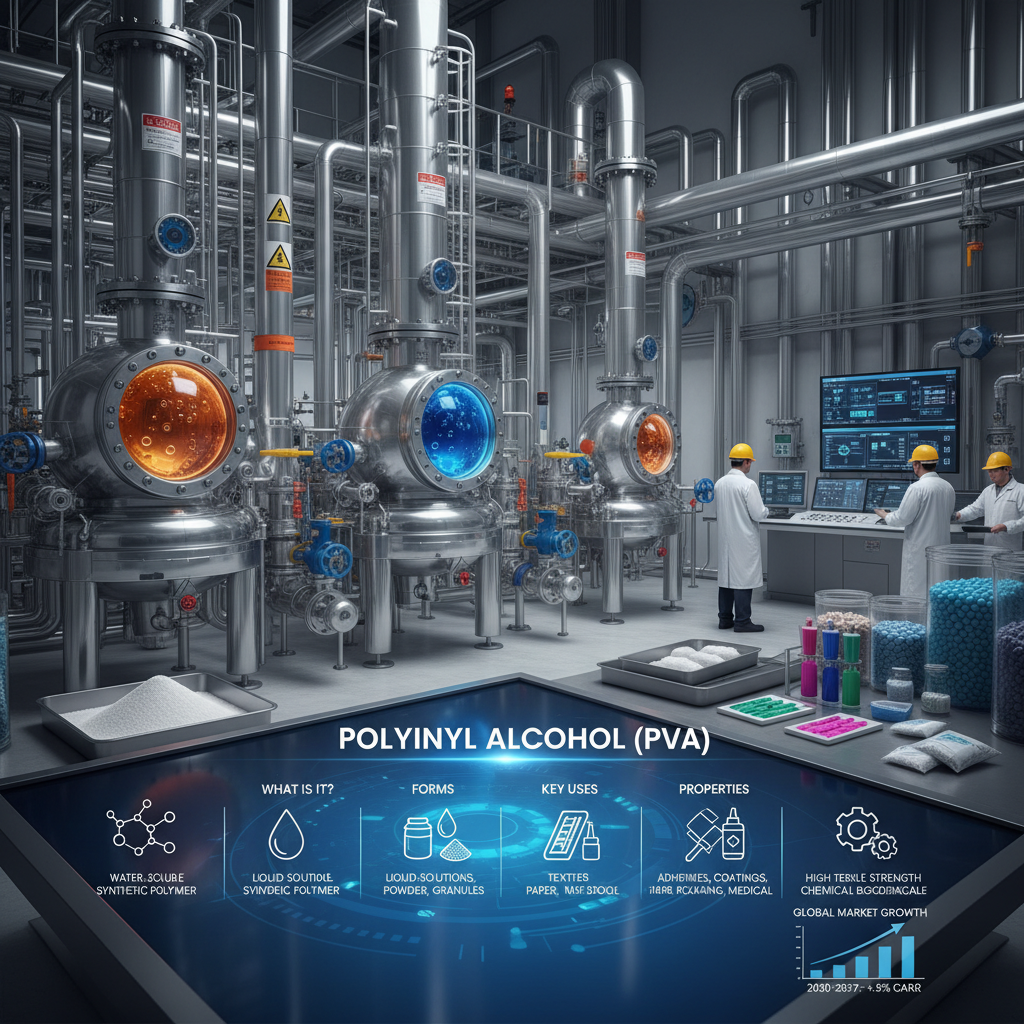
PVA is created through the polymerization of vinyl acetate. It’s a water-soluble synthetic polymer that exists as a white or yellowish powder, granules, or film. The degree of hydrolysis – the percentage of acetate groups converted to alcohol groups – dramatically influences PVA's properties. Higher hydrolysis levels generally result in increased tensile strength and reduced water solubility. PVA is known for its excellent film-forming, emulsifying, and adhesive characteristics. It's also biocompatible, making it suitable for pharmaceutical and biomedical applications.
The Manufacturing Process of PVA
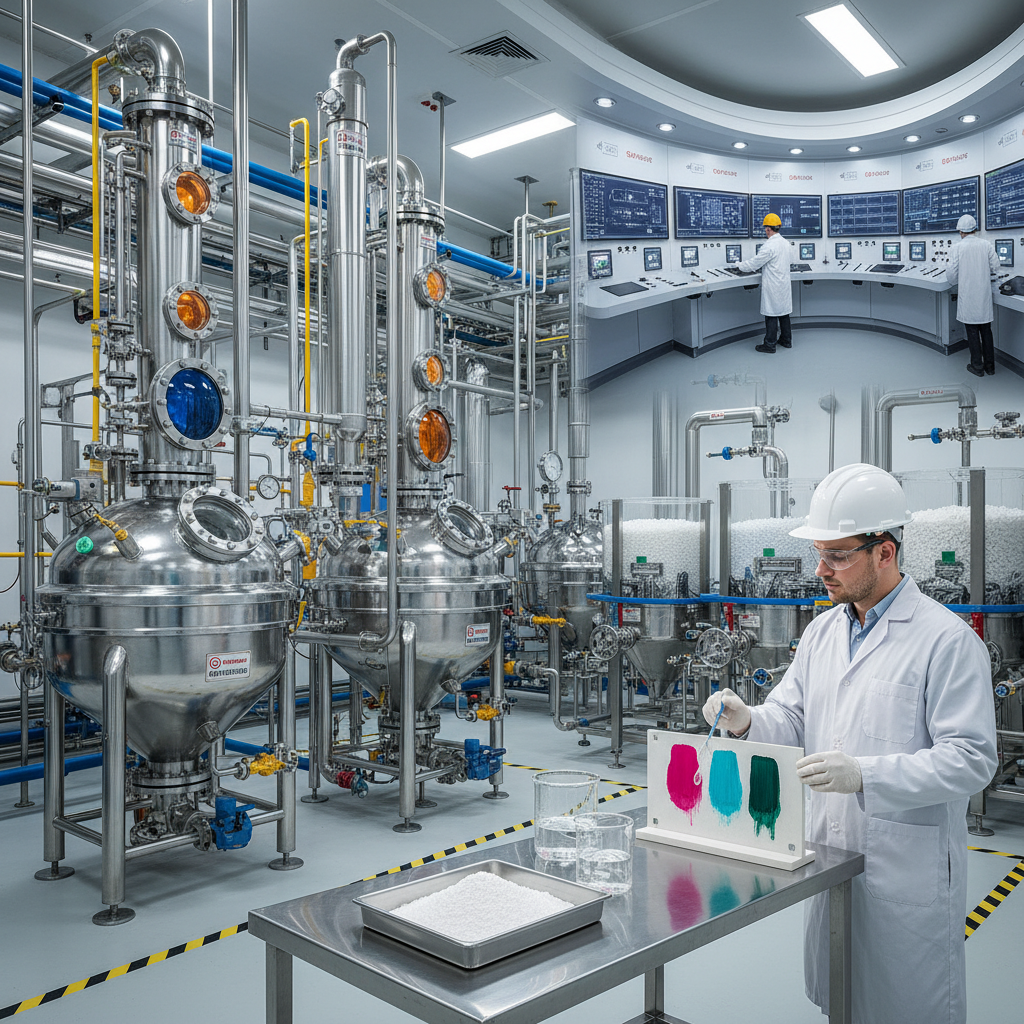
The production of PVA typically involves two main steps: the production of polyvinyl acetate (PVAc) and the subsequent hydrolysis of PVAc. PVAc is created by polymerizing vinyl acetate monomers. Then, PVAc undergoes alcoholysis, reacting with methanol in the presence of a catalyst, to break down the acetate groups and form PVA. The degree of hydrolysis is carefully controlled during this stage to achieve specific properties. Following hydrolysis, the PVA is purified, dried, and processed into various forms, such as powders, granules, or solutions. Yaguan HPMC offers a range of PVA grades tailored to diverse industrial applications.
Key Manufacturing Considerations: Controlling the hydrolysis degree is critical. Purification processes ensure the final product meets quality standards for various applications. The drying method impacts the physical form (powder, granules, etc.).
Key Applications of PVA: A Versatile Polymer
PVA's versatility makes it invaluable in numerous sectors. In the textile industry, it’s used as a warp sizing agent to strengthen yarns. In adhesives, it provides excellent bonding properties. Packaging benefits from PVA's film-forming abilities, and it’s even utilized in the production of polyvinylpyrrolidone (PVP), a key ingredient in cosmetics and pharmaceuticals. Further applications include paper coatings, emulsion stabilizers, and even as a component in 3D printing filaments. The growing demand for sustainable materials is also driving increased interest in PVA due to its biodegradability under certain conditions.
PVA Applications by Industry:
• Textiles: Warp sizing, fiber reinforcement
• Adhesives: Paper adhesives, wood adhesives
• Packaging: Water-soluble films, barrier coatings
• Pharmaceuticals: Tablet binders, drug delivery systems
PVA Grades and Properties: Choosing the Right Material
PVA is available in various grades, differentiated by their molecular weight, degree of hydrolysis, and viscosity. Lower molecular weight PVA typically exhibits lower viscosity and better solubility, while higher molecular weight grades offer increased strength and film-forming properties. The degree of hydrolysis influences water solubility and adhesive strength. Selecting the optimal grade is crucial for achieving the desired performance in your application. Here's a comparative overview:
Sourcing PVA: Key Considerations for Businesses
When sourcing PVA, several factors are essential. Prioritize suppliers with consistent quality control processes and certifications. Consider their production capacity to ensure they can meet your demands. Evaluate their logistics capabilities and pricing structure. Finally, assess their commitment to sustainability and responsible manufacturing practices. Yaguan HPMC is a reliable supplier of high-quality PVA, offering tailored solutions and competitive pricing.
Conclusion: PVA – A Material with a Bright Future
PVA stands as a remarkably versatile polymer with a continually expanding range of applications. Its unique properties, combined with growing sustainability concerns, position it for continued growth in diverse industries. By understanding the nuances of PVA grades and sourcing from reputable suppliers like Yaguan HPMC, businesses can unlock its full potential and drive innovation.
Frequently Asked Questions (FAQs)
Is PVA biodegradable?
While PVA isn’t readily biodegradable in all environments, it’s considered biodegradable under specific conditions, particularly in aerobic environments with specific microbial activity. The rate of biodegradation depends on factors such as temperature, pH, and the presence of suitable enzymes. Modified PVA formulations are also being developed to enhance biodegradability. It's important to note that biodegradation pathways can vary significantly, and complete breakdown may take time.
What are the safety considerations when handling PVA?
PVA is generally considered non-toxic and safe to handle. However, as with any chemical substance, it's essential to follow basic safety precautions. Avoid inhalation of PVA dust, as it can cause respiratory irritation. Wear appropriate personal protective equipment (PPE), such as gloves and safety glasses, when handling PVA. Ensure adequate ventilation in the work area. Refer to the Safety Data Sheet (SDS) for detailed safety information.
How is PVA different from other polymers like PVC?
PVA and PVC (Polyvinyl Chloride) are both synthetic polymers, but they have distinct properties and applications. PVC is a thermoplastic polymer known for its durability and resistance to chemicals, commonly used in construction and piping. PVA, on the other hand, is water-soluble and biodegradable under certain conditions, making it suitable for applications like adhesives, textiles, and packaging. PVC contains chlorine, while PVA does not, influencing their environmental impact and recyclability.
What industries are driving the demand for PVA?
Several industries are experiencing growing demand for PVA. The packaging industry is seeing increased use of PVA films as a sustainable alternative to traditional plastics. The textile industry continues to rely on PVA for warp sizing. The pharmaceutical sector utilizes PVA in drug delivery systems and tablet coatings. Furthermore, the rising popularity of 3D printing is driving demand for PVA as a support material.