
Preparing Walls with PVA Before Tiling: A Comprehensive Guide
Proper surface preparation is paramount for a successful tile installation. One often overlooked, yet critical step, is applying Polyvinyl Alcohol (PVA) to your walls before tiling. This article will delve into the benefits of using PVA, how to apply it correctly, and why it's essential for achieving a long-lasting, professional tile finish. Understanding the role of PVA will significantly improve the adhesion and durability of your tiling project. Ignoring this step can lead to costly repairs and a less aesthetically pleasing result.
What is PVA and Why Use it Before Tiling?
PVA, or Polyvinyl Alcohol, is a water-based adhesive that acts as a primer for porous surfaces like plasterboard, screed, and even existing tiles. It's not a bonding agent on its own, meaning it doesn’t replace tile adhesive. Instead, it reduces the absorbency of the surface, ensuring the tile adhesive creates a strong and consistent bond. Without PVA, the wall can suck the moisture out of the adhesive, resulting in weak adhesion, tile slippage, and potential cracking over time. Applying PVA creates a more uniform surface, improves adhesive workability and enhances the overall longevity of your tiling project. Using high-quality PVA from a trusted supplier like Yaguan HPMC is crucial for optimal results.
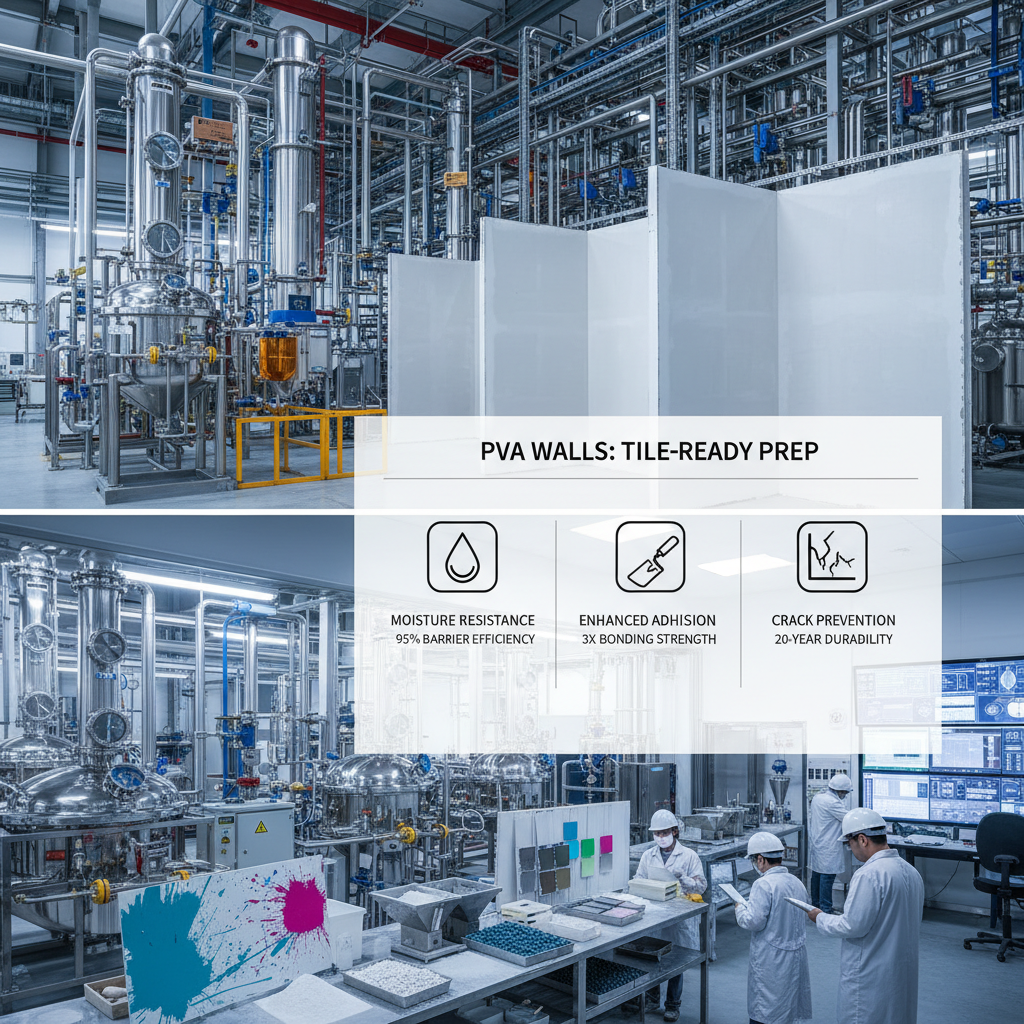
Key Benefits: Reduces absorbency, improves adhesion, prevents tile slippage, extends tile life, enhances adhesive workability.
How to Apply PVA Before Tiling: A Step-by-Step Guide
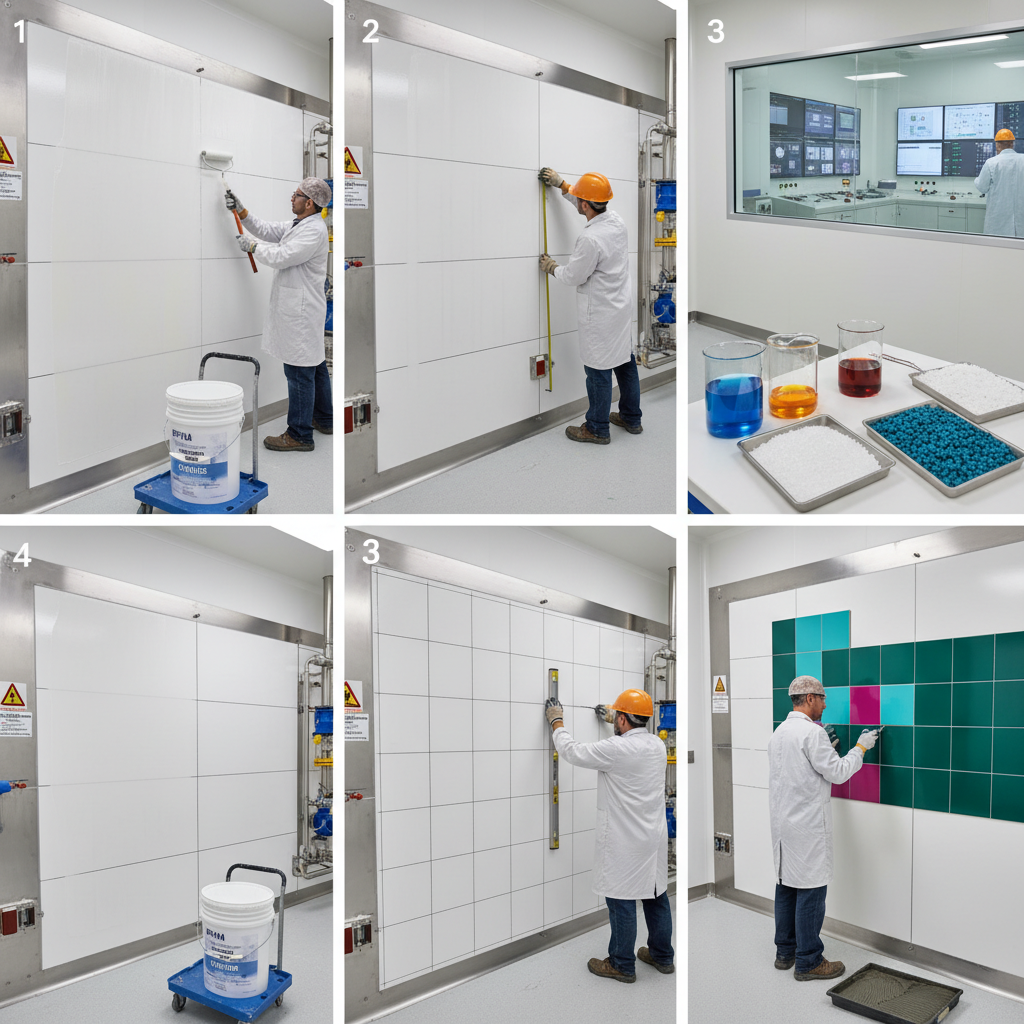
Applying PVA is a straightforward process, but attention to detail is essential. First, ensure the surface is clean, dry, and free of dust, grease, or loose particles. Use a brush or roller to apply a generous, even coat of diluted PVA. Most PVA products recommend a dilution ratio of 1 part PVA to 5 parts water, but always check the manufacturer's instructions. Avoid creating puddles or drips. Allow the PVA to dry completely – usually 20-30 minutes – before applying the tile adhesive. Don't apply tile adhesive directly onto wet PVA. Applying multiple coats isn't typically necessary and could actually weaken the bond.
PVA Application Checklist:
• Clean and dry the surface thoroughly.
• Dilute PVA according to manufacturer's instructions (typically 1:5).
• Apply a generous, even coat with a brush or roller.
• Allow to dry completely before tiling.
PVA Walls Before Tiling: Comparing Surfaces and PVA Types
The type of surface dictates how crucial PVA application is. Highly porous surfaces, like new plasterboard, benefit the most. Existing tiles, while less porous, still require PVA to enhance adhesion, particularly if the original adhesive is failing. Different PVA formulations are available, catering to specific needs. Standard PVA is suitable for most tiling applications, while some specialized formulas offer increased water resistance or flexibility. Choosing the right PVA depends on the type of tiles you are using and the environment where they will be installed.
Common Mistakes to Avoid When Using PVA
Several mistakes can compromise the effectiveness of PVA. Applying PVA to a dirty surface, failing to dilute it correctly, and applying tile adhesive before the PVA is fully dry are common errors. Avoid over-application, as this can create a slippery surface. Also, using too much PVA can hinder the adhesive's curing process. Following the manufacturer’s instructions and practicing proper technique are critical for a successful outcome. Using high-quality PVA from a reputable source like Yaguan HPMC minimizes the risk of product-related issues.
Conclusion: The Importance of PVA for Long-Lasting Tiles
Investing in a Solid Foundation for Your Tiling Project
Don't underestimate the importance of PVA in achieving a durable, beautiful tile installation. By taking the time to properly prepare your walls with PVA, you're investing in the long-term integrity of your project. Choosing a high-quality PVA like those offered by Yaguan HPMC ensures optimal performance and peace of mind. Skip this step at your peril!
Frequently Asked Questions (FAQs)
Can I use PVA on all types of tiles?
PVA is suitable for use with most tile types, including ceramic, porcelain, and natural stone. However, certain porous natural stones may require a specialized primer recommended by the tile supplier. Always check the compatibility of PVA with your specific tile type before application. It’s generally a good practice to test a small, inconspicuous area first. While PVA enhances adhesion, it doesn’t alter the tile’s properties; it simply prepares the surface for a stronger bond.
How long should I wait for PVA to dry before tiling?
Generally, you should wait 20-30 minutes for PVA to dry before applying tile adhesive. However, drying time can vary depending on temperature, humidity, and ventilation. The PVA should be dry to the touch and not tacky. Applying adhesive to wet PVA will compromise the bond. Always refer to the manufacturer's instructions on the PVA container for specific drying time recommendations.
What if I accidentally apply tile adhesive before the PVA is dry?
If you apply tile adhesive before the PVA is completely dry, it’s best to remove the adhesive and start again. The wet PVA will create a weak bond and the tiles are likely to become loose over time. Allow the surface to dry completely before reapplying PVA and then the adhesive. Trying to salvage a tiling job done on wet PVA is often more trouble than it's worth.
Is PVA a substitute for tile adhesive?
No, PVA is not a substitute for tile adhesive. It's a primer that prepares the surface for better adhesion. Tile adhesive is the actual bonding agent that holds the tiles in place. PVA reduces the porosity of the surface so the adhesive can create a strong, lasting bond. Using PVA in conjunction with high-quality tile adhesive is essential for a successful tiling project.