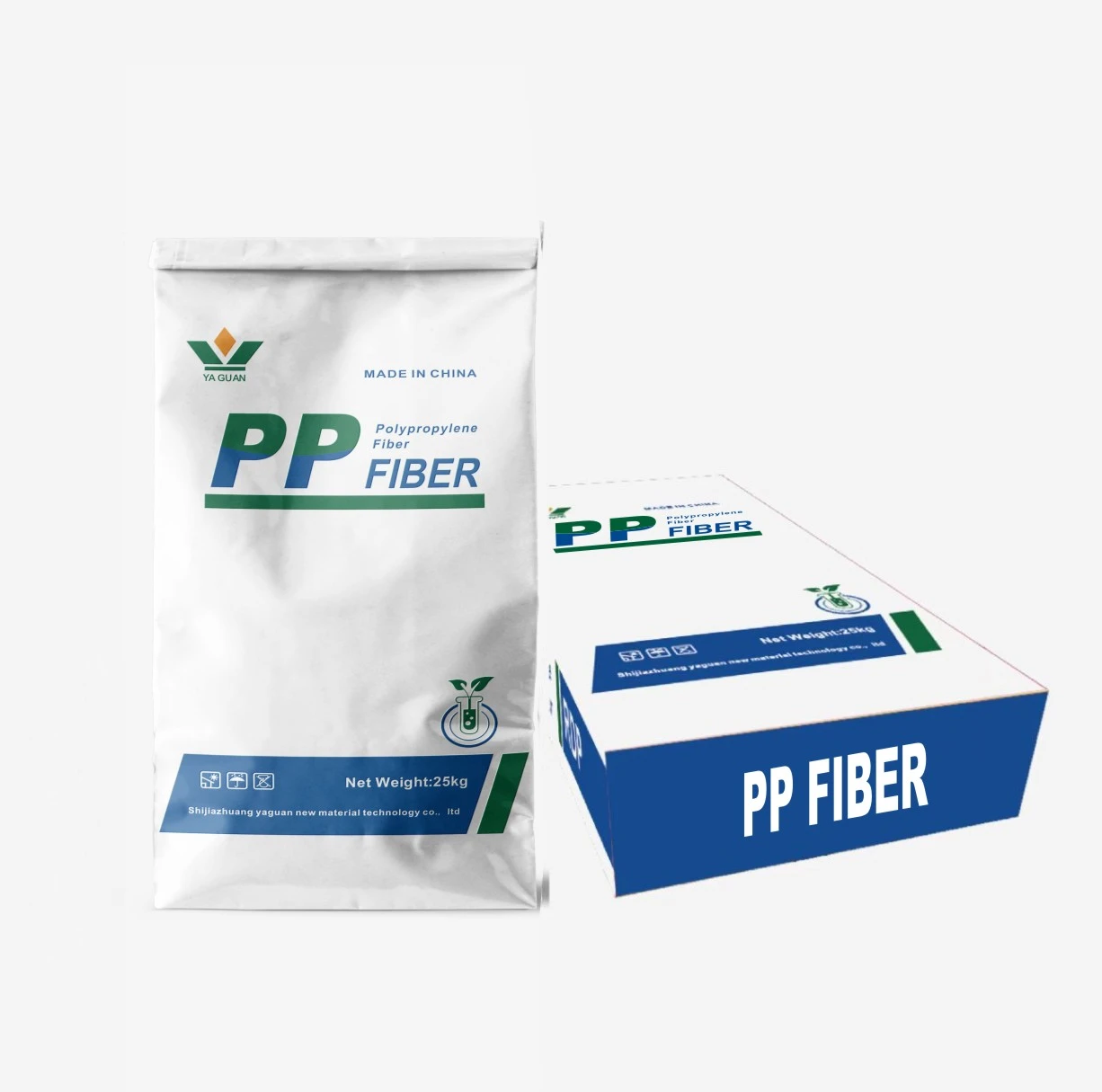

Glass Filled PP: A Modern Marvel in Engineering Materials
If you’re working in manufacturing, automotive, or even consumer goods, you’ve probably bumped into glass filled PP—polypropylene enhanced with glass fibers. It sounds technical, sure, but understanding this composite material’s global relevance is surprisingly important. Not only does it contribute massively to stronger, lighter components, it directly tackles some pretty heavy challenges like sustainability, cost efficiency, and performance in harsh environments. So, why does this matter on a global scale? In simple terms, glass filled PP blends the best of plastics and glass fibers to create something tougher and more reliable that’s helping industries worldwide optimize products, reduce waste, and innovate smarter.
Here’s a quick preview of what you’ll find: from what glass filled polypropylene actually is, to why it’s favored in industries spanning from automotive hubs in Europe and Asia to emerging markets in Africa—and even how the material lifts humanitarian projects off the ground swiftly and reliably.
glass filled ppThe Global Impact: Beyond Just Plastic
Globally, the polymer market is projected to surpass $700 billion by 2028, with glass filled PP grabbing a healthy chunk thanks to its versatility (MarketsandMarkets, 2023). Think about it—lighter, more durable components mean less fuel consumption in vehicles, reduced carbon footprint in manufacturing, and lower logistical costs overall. The United Nations’ push for sustainable industrial innovation (Innovation Goal 9 in the SDGs) also highlights materials that improve resource efficiency, like glass filled PP. Yet, many industries wrestle with limitations of traditional plastics that just don’t cut it under stress or heat. Glass filled PP emerges as an answer to those problems, making products last longer without adding excessive weight or cost.
Mini takeaway: Glass filled polypropylene isn’t just another plastic; it’s a powerful enabler of cleaner, safer, and more efficient manufacturing globally.
What Exactly Is Glass Filled PP?
In the simplest terms, glass filled polypropylene is a composite material where tiny glass fibers—often around 10-30% by weight—are blended into standard polypropylene resin. This infusion makes the polymer stiffer, more heat resistant, and generally tougher, without transforming it into something unmanageable. This isn’t some exotic new stuff, but rather a refined evolution of thermoplastics designed to meet modern demands.
Its connection with industries is deep: automotive manufacturers use it to cut vehicle weight without sacrificing strength; electronics makers rely on it for durable casings; and even humanitarian organizations increasingly turn to glass filled PP parts when quick-mobile solutions like shelters or transport containers are needed. It’s a quiet workhorse underpinning innovation everywhere.
Key Aspects of Glass Filled PP That Make It Stand Out
1. Durability and Strength
Glass fibers dramatically boost tensile strength and reduces warpage under heat. Many engineers say this composite outperforms neat polypropylene by a factor of two or more in mechanical properties. That means parts can bear more stress without cracking or deforming—and that stability is priceless in safety-critical applications.
2. Heat Resistance
Polypropylene alone melts or warps easily with heat, but with glass filling, you get better resistance to distortion at elevated temperatures. This opens up uses near engines, electronics, and other hot spots.
3. Cost Efficiency
While introducing glass fibers costs a bit more upfront, the longevity and lightweight nature reduce material use and energy consumption down the line. This kind of smart investment pays dividends in lower maintenance and fuel savings.
4. Processability
Despite its added toughness, glass filled PP remains relatively easy to mold and extrude, meaning manufacturers get the best of strength and production speed—a rare combo.
5. Environmental Impact
Its contribution to reducing vehicle weight directly cuts emissions, and polypropylene’s recyclability means smaller landfill loads compared to other composites. Industry trends head firmly toward these green credentials.
Mini takeaway: Durability, heat resistance, and cost-effectiveness make glass filled PP a practical choice, stringing together performance and sustainability.
Real World Uses Around the Globe
In automotive hotspots like Germany, Japan, and the US, glass filled PP is standard for engine covers, dashboards, and even brake components. The lighter these parts get, the better their fuel efficiency. Meanwhile, in Asia and Africa, industrial machinery often uses this material due to its resistance against chemical exposure and mechanical stress—critical for reliability in tough environments.
Humanitarian groups benefit, too—think modular shelters shipped to disaster zones that demand fast assembly and resilience in unpredictable climates. Because glass filled PP supports injection molding, producing complex, tough parts quickly is reliable, helping cut delays.
| Specification | Glass Filled PP |
|---|---|
| Glass Fiber Content | 10%-30% by weight |
| Tensile Strength | ~80-120 MPa (varies by glass content) |
| Heat Deflection Temperature | Up to 140°C |
| Density | 1.0 - 1.2 g/cm³ |
| Molding Methods | Injection molding, Extrusion |
| Typical Applications | Automotive parts, Electrical housings, Industrial components |
Mini takeaway: The bright spot here is how diverse applications span from high-tech vehicles to vital humanitarian aid gear — it’s gently everywhere.
Advantages & Lasting Value of Glass Filled PP
- Cost-Effective Longevity: Investing upfront results in far less replacement and stronger structural integrity.
- Sustainability Edge: Lower emissions due to weight reduction and recyclable material.
- Social and Safety Impact: Safer vehicles, reliable industrial parts, and rapidly deployable humanitarian structures.
- Innovation Driver: Companies trust glass filled PP to push the envelope on design without scrapping durability.
Frankly, it’s one of those rare materials where logical benefits meet emotional reassurance—a sense that these polymer composites carry your trust through everything from daily commutes to emergency relief zones.
Emerging Trends Shaping the Future of Glass Filled PP
Looking ahead, the material scene is buzzing with developments such as bio-based polypropylene blends combined with glass fillers to further improve environmental footprints. Automation in manufacturing is fine-tuning molding precision, reducing waste. Digital twin technology even allows testing virtual prototypes before committing raw materials.
Green energy demands impact choices too—lighter, efficient materials like glass filled PP help electric vehicles extend range and longevity. Climate-aware product design places composites at the centerpiece of tomorrow’s lightweight, durable solutions.
Tackling Challenges Head-On
It’s not all as smooth as it sounds. Glass filled PP sometimes faces issues like fiber abrasion during molding, surface finish challenges, and recycling complications due to composite complexity. But chemical coupling agents and improved molding tech mitigate these problems. Moreover, recycling centers increasingly innovate to separate fibers for reuse, aligning with circular economy principles.
FAQ: Common Questions About Glass Filled PP
- Q1: How does glass filled PP differ from standard polypropylene?
- A1: Glass filled polypropylene contains reinforcing glass fibers that significantly enhance strength, stiffness, and heat resistance compared to standard PP, making it suitable for demanding applications.
- Q2: Can glass filled PP be recycled efficiently?
- A2: While recycling composites is more complex than pure plastics, technologies are improving to reclaim polypropylene and glass fibers separately, supporting sustainability goals.
- Q3: Is glass filled PP suitable for outdoor applications?
- A3: Yes, its enhanced mechanical and heat resistance properties make it durable under varying weather conditions, though UV stabilizers are often added to improve sunlight resistance.
- Q4: How customizable is glass filled PP for different uses?
- A4: The glass fiber content and processing methods can be tailored to balance strength, weight, and flexibility based on specific industrial needs.
- Q5: What industries benefit the most from using glass filled PP?
- A5: Automotive, electronics, construction, and humanitarian sectors are among the top users due to the material’s strength, durability, and cost efficiency.
Comparing Top Vendors of Glass Filled PP
| Vendor | Fiber Content Range | Typical Applications | Sustainability Focus | Global Reach |
|---|---|---|---|---|
| Yaguan HPMC | 10-30% | Automotive, Industrial | Recyclable products, greener manufacturing | Asia, Europe, Americas |
| Global Fibers Inc. | 15-35% | Electronics, Construction | Eco-friendly composites research | North America, Europe |
| PolyTech Solutions | 10-25% | Consumer goods, Automotive | Sustainable resin sourcing | Global |
Wrapping Up: Why Glass Filled PP Should Be On Your Radar
To sum up, glass filled polypropylene is sort of the backbone material quietly revolutionizing industries worldwide. It provides incredible strength and heat resistance without the penalties of extra weight or excessive cost. Whether you’re eyeing automotive parts that need to perform flawlessly or designing rapid-deploy humanitarian equipment that must survive the rough-and-tumble of disaster zones, this composite answers the call with perk and precision.
Looking for reliable, high-quality glass filled PP products that tick all the boxes? Feel free to visit our website to explore your options and contact specialists who get you.
It’s impressive how a little glass inside a polymer can make such a big difference. The future is lightweight, tough, and sustainable—and glass filled PP is already leading the charge.
References:
1. MarketsandMarkets Global Polymer Market Report
2. United Nations SDG 9 – Industry, Innovation and Infrastructure
3. Wikipedia: Polypropylene