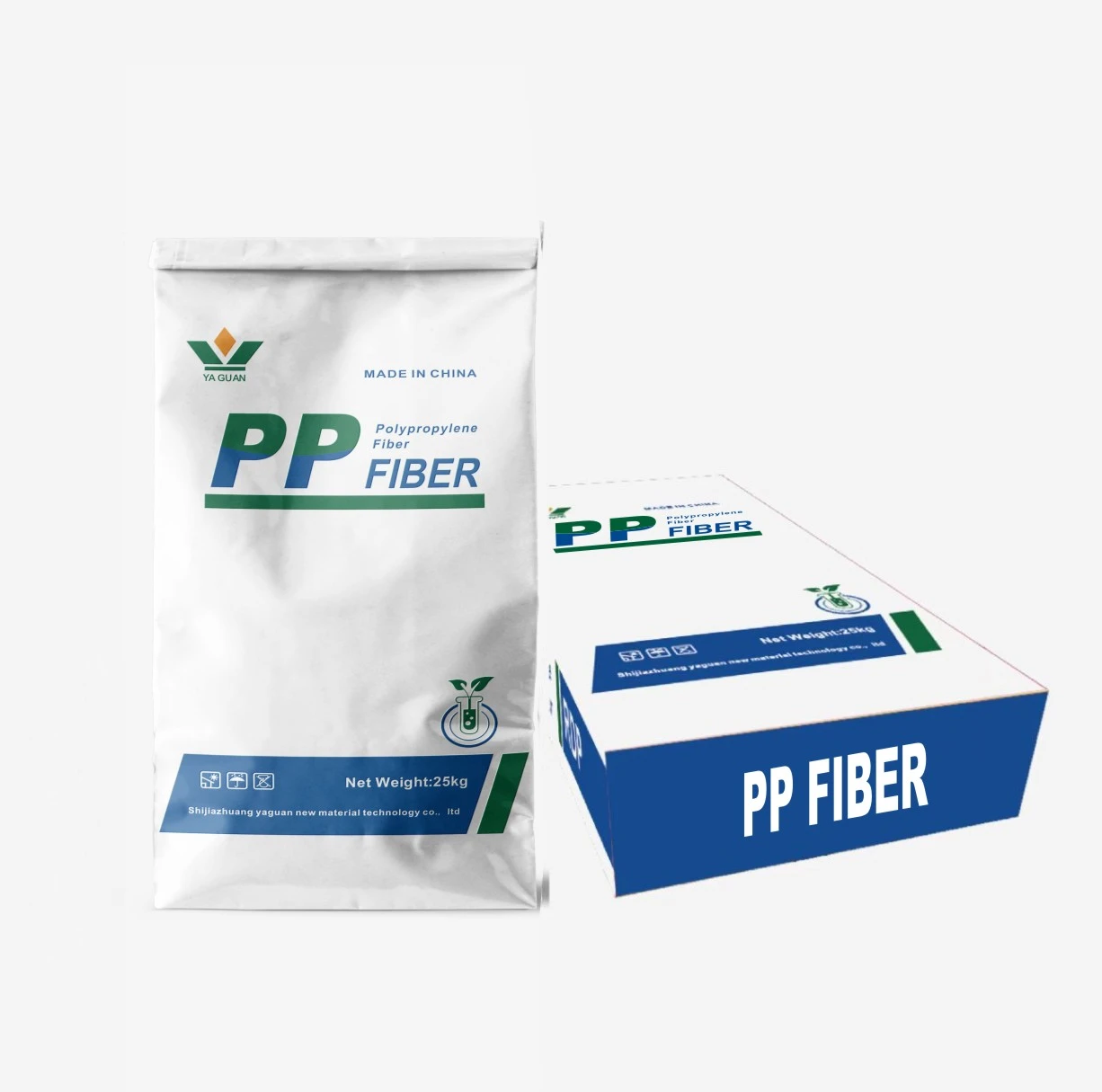

What Makes Glass Reinforced Polypropylene a Global Game-Changer?
Glass reinforced polypropylene (GRPP) might sound like a mouthful, but honestly, it’s just the kind of material that’s quietly reshaping industries from automotive to humanitarian relief. Why does it matter? Well, in a world increasingly focused on sustainability, cost-efficiency, and durability, understanding materials like GRPP isn't just for engineers or product designers anymore—it's for anyone invested in smart, long-term innovations that work well under pressure.
Globally, industries are looking for plastics that deliver strength without being heavy or expensive. GRPP fits this bill. As we rush toward greener solutions and smarter construction—think fast-deploy shelters or lightweight vehicle parts—the buzz around glass reinforced polypropylene is only growing louder.
Mini takeaway: GRPP blends toughness with affordability, making it a must-understand material in today's resource-conscious world.
Why Glass Reinforced Polypropylene Is Vital in Today's Industry Landscape
The global plastics market is projected to reach over $750 billion by 2025, with reinforced polymers constituting a significant slice of that growth. According to data from the International Organization for Standardization, reinforced polypropylene composites are prized for their mechanical properties and recyclability, which addresses — frankly — some of the harsh environmental criticisms leveled against plastics in general. Plus, with rapid urbanization and the push for lightweight, fuel-efficient automotive parts, the demand for GRPP is soaring.
Still, there’s a real problem that GRPP solves: traditional materials used in construction or vehicle parts tend to be either too heavy, too brittle, or wildly expensive. Glass reinforced polypropylene brings a balance — it's light enough to reduce emissions and costs, yet strong enough to endure tough, everyday use.
Mini takeaway: In a world growing more sensitive to sustainability, GRPP offers a practical solution to engineering challenges faced globally.
What Exactly Is Glass Reinforced Polypropylene?
Simply put, glass reinforced polypropylene is polypropylene plastic infused with tiny glass fibers. This combo strengthens the polymer significantly without making it heavy or brittle—sort of like how steel rebar strengthens concrete. Polypropylene, alone, is flexible and resistant to chemicals, but add glass fibers, and you gain stiffness, impact resistance, and dimensional stability.
Industries like automotive manufacturing, building materials, and even humanitarian relief benefit because this material can be molded into complex shapes but won’t easily warp or degrade under stress. So, whether it’s a bumper panel on your car or parts in a temporary medical shelter, GRPP is doing the heavy lifting behind the scenes.
Mini takeaway: Glass reinforced polypropylene fuses plastic flexibility with glass fiber strength, meeting numerous industry demands efficiently.
Key Factors Driving the Success of Glass Reinforced Polypropylene
Durability
GRPP components don’t just crack under pressure. Thanks to those embedded glass strands, the material’s tensile strength spikes, making it ideal where repeated stress or harsh weather is a concern. Think rugged automotive parts or modular housing panels.
Cost Efficiency
Compared to metals or other composites, GRPP costs less to produce and transport due to its light weight. The savings trickle down to manufacturers and, eventually, consumers.
Versatility
From injection molding to extrusion, manufacturers can shape GRPP into almost anything. This flexibility means custom solutions for different industry requirements—from aerospace fairings to medical equipment casings.
Sustainability
Oddly enough, though it’s a plastic composite, GRPP is recyclable and contributes to lower fuel consumption in vehicles because of its weight advantage—solid wins for green initiatives.
Chemical Resistance
In hostile environments—like industrial facilities exposed to solvents or saltwater—GRPP holds up better than many traditional materials.
Thermal Stability
Glass fibers improve the heat resistance of polypropylene, broadening its usability to higher temperature applications.
Mini takeaway: When durability meets adaptability, you get a material that’s truly versatile—and frankly, quite hard to beat.
Real-World Applications of Glass Reinforced Polypropylene
One reason GRPP is so interesting is how broadly it’s adopted worldwide. In automotive hubs like Germany and Japan, manufacturers design lighter car parts with it, improving mileage and safety. In Asia and Africa, GRPP panels are used in modular emergency shelters because the material stands up to weather and rough handling but keeps weight—and costs—low.
Post-disaster relief operations particularly rely on this material: shelters must be robust yet quick to assemble and affordable enough to be deployed widely. Organizations operating in seismic or flood-prone zones have started switching out traditional timber or metal frameworks for GRPP composites to speed recovery efforts.
Plus, in remote industrial zones, chemical plants, or water treatment facilities from the US to Europe, GRPP is used for pipes and fittings due to its excellent corrosion resistance.
Product Specifications Table
| Property | Typical Value | Unit |
|---|---|---|
| Tensile Strength | 80-110 | MPa |
| Flexural Modulus | 5000-7000 | MPa |
| Impact Strength (Izod) | 30-50 | kJ/m² |
| Density | 1.1-1.3 | g/cm³ |
| Heat Deflection Temp. | 100-130 | °C |
Advantages and Long-Term Impact of Glass Reinforced Polypropylene
In real terms, using GRPP isn’t just about specs and stats—it’s about solving problems and helping people. For manufacturers, it cuts costs without sacrificing quality. For end-users, the benefits trickle down in products that last longer, weigh less, and sometimes even save lives when incorporated into shelters or medical equipment.
From an environmental angle, lighter vehicles mean lower fuel consumption, a simple but powerful way to reduce emissions. Emotionally, knowing that materials used in temporary homes or sustainable products are reliable and safe builds trust—and isn’t that what innovation should be about?
Mini takeaway: GRPP offers real value in durability, cost-savings, and environmental responsibility—making innovation a bit kinder.
Future Trends Shaping Glass Reinforced Polypropylene
The future for GRPP looks bright, especially as innovations in glass fiber treatments and polymer blends improve performance further. With green energy and digital transformation advancing, automakers and construction firms are increasingly focused on materials that can be recycled or reused. There’s also buzz about combining GRPP with bio-based polypropylene to nudge plastics toward total circularity.
Automation in manufacturing means precision-molded parts become quicker and cheaper to produce, which could expand GRPP’s reach into even more specialized markets. Plus, stricter regulations on vehicle emissions and building codes worldwide mean demand for lightweight, reliable composites will only escalate.
Mini takeaway: As tech and policy push toward sustainability, GRPP is well-positioned to remain a frontline material.
Challenges and How Industry Is Overcoming Them
Despite its many advantages, GRPP does face challenges. One common problem is achieving perfect fiber dispersion during manufacturing to avoid weak spots. Some engineers also note that while GRPP is recyclable, the process is more complex than for pure polypropylene, which can limit end-of-life reuse in certain cases.
However, companies are working on specialized additives and improved fiber-processing techniques to enhance consistency. Additionally, advances in recycling technology—like chemical recycling—might soon address current limitations, making GRPP easier to reprocess without quality loss.
Mini takeaway: Challenges exist, but technical innovation and industry focus mean they're far from deal-breakers.
Frequently Asked Questions About Glass Reinforced Polypropylene
- What industries benefit most from glass reinforced polypropylene?
- Automotive, construction, electrical appliances, and humanitarian relief sectors are among the top users. These areas require parts that are lightweight yet sturdy—making GRPP a top choice.
- How does GRPP improve fuel efficiency in vehicles?
- Because GRPP is lighter than metal alternatives but similarly strong, replacing heavy parts with GRPP reduces overall vehicle weight, which in turn lowers fuel consumption and emissions.
- Is glass reinforced polypropylene environmentally sustainable?
- GRPP is recyclable and helps reduce emissions during product life due to lightweight properties. While plastics always involve trade-offs, GRPP offers a greener alternative to many metals and composites.
- Can GRPP be used for outdoor structures exposed to harsh weather?
- Absolutely. GRPP's chemical and weather resistance make it a popular choice for outdoor panels, pipes, and shelter components that must withstand UV exposure, moisture, and temperature swings.
- How do manufacturers ensure the quality of GRPP parts?
- Producers rely on rigorous fiber dispersion techniques, stringent quality control, and modern processing tools like injection molding with precise temperature control to maintain part consistency and durability.
Conclusion: Looking Ahead with Glass Reinforced Polypropylene
To wrap up, glass reinforced polypropylene is more than just a material buzzword—it’s a practical solution blending durability, efficiency, and sustainability. From cutting costs to enhancing product longevity and easing environmental impact, GRPP marks a real shift in how we think about plastic composites.
If you want to explore how glass reinforced polypropylene can transform your products or projects, visit our website and see the latest offerings.
Vendor Comparison: Glass Reinforced Polypropylene Suppliers
| Vendor | Product Range | Price Range ($/kg) | Global Reach | Additional Services |
|---|---|---|---|---|
| Yaguan HPMC | Standard & Custom GRPP | 2.5 - 3.5 | Worldwide | Technical Support, Rapid Prototyping |
| PolyFibers Inc. | High-Strength GRPP | 3.2 - 4.1 | North America, Europe | Custom Blending, R&D Partnership |
| Global Composites Ltd. | Eco-Friendly GRPP | 2.8 - 3.8 | Asia, Australia | Sustainability Consulting |
References: