
Understanding the High Range Water Reducer: A Practical Industry Perspective
Having worked in the industrial equipment sector for years, I’ve seen firsthand how high range water reducers have quietly revolutionized concrete technology. Now, I won’t pretend it’s some magic bullet—there are nuances, limitations, and plenty of chemistry involved—but in real terms, these admixtures have made a huge difference for contractors and engineers alike.
So what exactly makes a high range water reducer stand apart? Simply put, this is a superplasticizer designed to drastically reduce the amount of water in a concrete mix, often by as much as 30% or more. The benefit? Stronger, more durable concrete with enhanced workability. It’s the difference between pouring a stiff, fussy mix and having something fluid enough to flow into complex formworks without sacrificing strength.
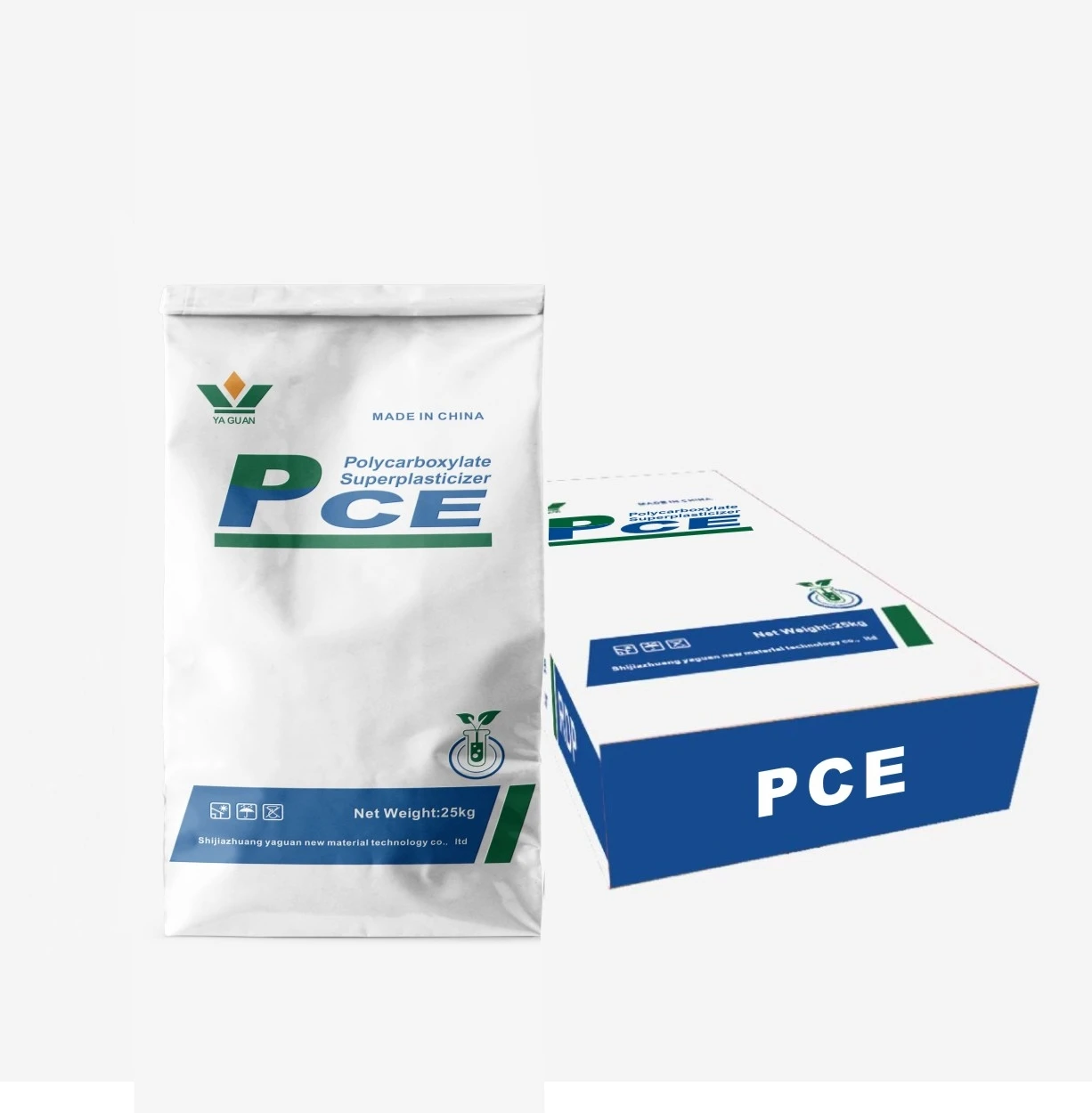
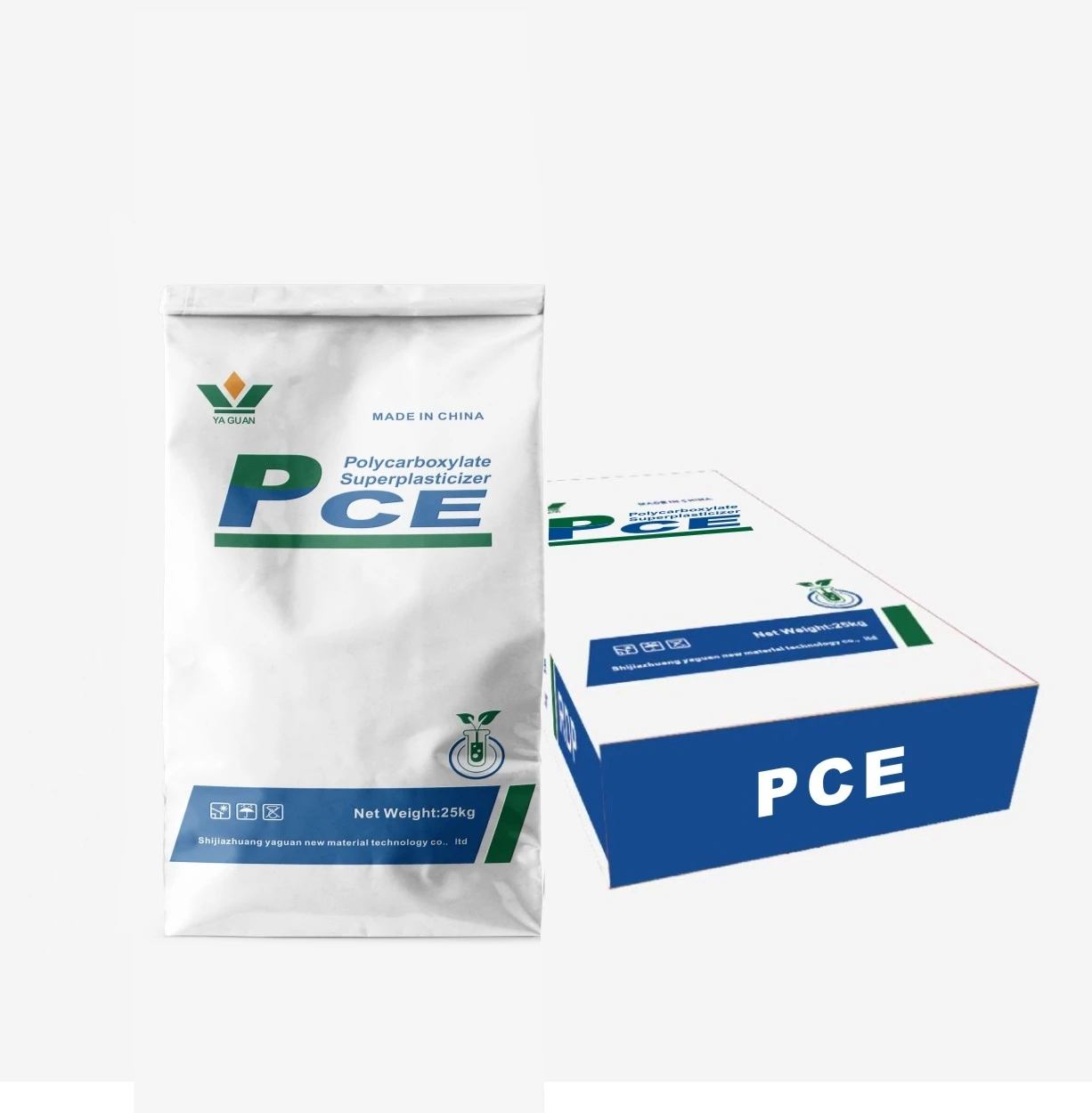
Oddly enough, despite its importance, the chemistry behind these mixtures isn’t always well appreciated in casual conversations. They often belong to the family of polycarboxylate ethers (PCEs), a class of chemical additives that work by dispersing cement particles, reducing clumping, and ultimately lowering water demand. Many engineers I speak with describe it as “kind of a dance at the microscopic level.”
Now, the formulation complexities are worth noting. You want a product that doesn’t air-entrain or negatively affect setting times unless modified for that purpose. It’s a delicate balance. Frankly, I’ve always admired suppliers who can maintain consistency in their water reducers because even subtle shifts in raw materials or production conditions can throw off performance.
Here’s a quick glance at typical product specifications you might encounter with a good high range water reducer:
| Specification | Parameter |
|---|---|
| Appearance | Light brown liquid |
| pH Value | 6.0 - 8.0 |
| Density | 1.08–1.12 g/cm³ |
| Solid Content | 40% ± 2% |
| Water Reduction Rate | 25% - 35% |
| Setting Time (Initial) | 1 to 2 hours |
Competition is stiff in this segment, with many manufacturers offering variants tailored to specific climates, concrete types, and construction challenges. Based on years of field experience, I compiled the following vendor comparison that seems to reflect market realities pretty well:
| Vendor | Water Reduction (%) | Set Time Impact | Typical Use Cases | Comments |
|---|---|---|---|---|
| Yaguan | 30-35% | Minimal Delay | High-performance concrete | Consistent quality, reliable source |
| Vendor B | 25-30% | Moderate Delay | General construction | Lower price but less adaptability |
| Vendor C | 28-33% | Slight Delay | Bridge and infrastructure | Good for large pours, weather resistant |
For me, a memorable project was a mid-size bridge in a coastal region, where traditional concrete mixes were struggling with early cracking due to excessive water content. After switching to a high range water reducer from Yaguan, the contractor noted improved slump without compromising strength, and the structure has held up better than expected against saltwater exposure. I suppose it’s these stories that bring the technical specs to life.
In a world where sustainable practices are gaining momentum, these water reducers play a surprisingly critical role, allowing for less cement use (which means cutting carbon emissions) while not sacrificing performance. I often say the best admixtures are the ones you barely notice in operation, yet deliver measurable benefits.
To wrap it up, if you’re navigating concrete mix designs or managing construction projects, a high range water reducer – particularly a reliable product backed by proven field results – is worth serious consideration. And yes, the devil is in the details, but with experience, it’s a dependable tool in your industrial toolkit.
Feel free to explore trusted suppliers like Yaguan, where quality and consistency really matter. Trust me, after years in this field, those are virtues you never compromise on.
References:
1. “Polycarboxylate ether superplasticizers in concrete,” Concrete Technology Journal, 2021.
2. Field case study reports – coastal bridge project, 2019.
3. Supplier datasheets and product manuals 2023.