
Understanding PCE Superplasticizer: Why It’s a Game Changer in Concrete Technology
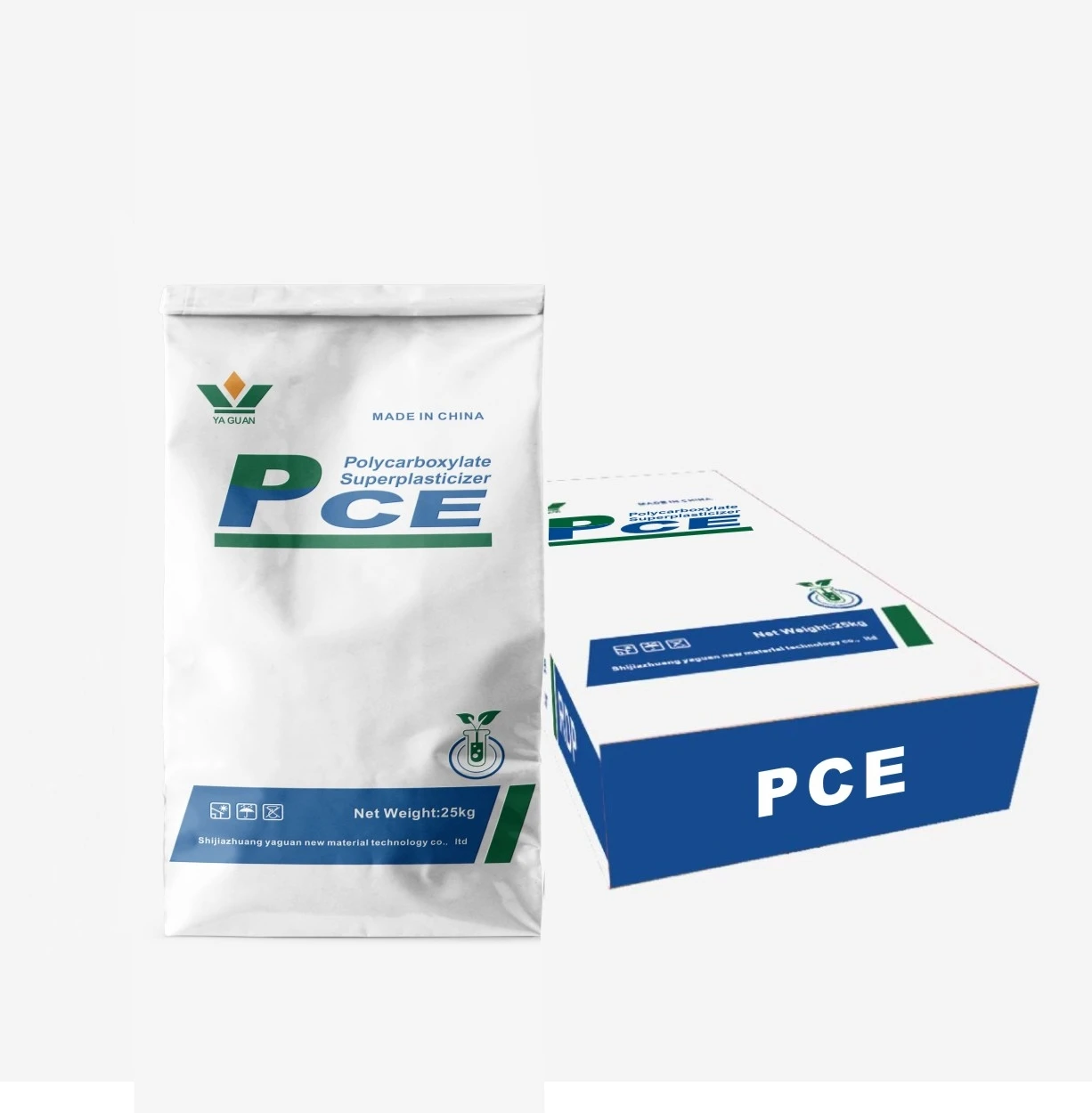
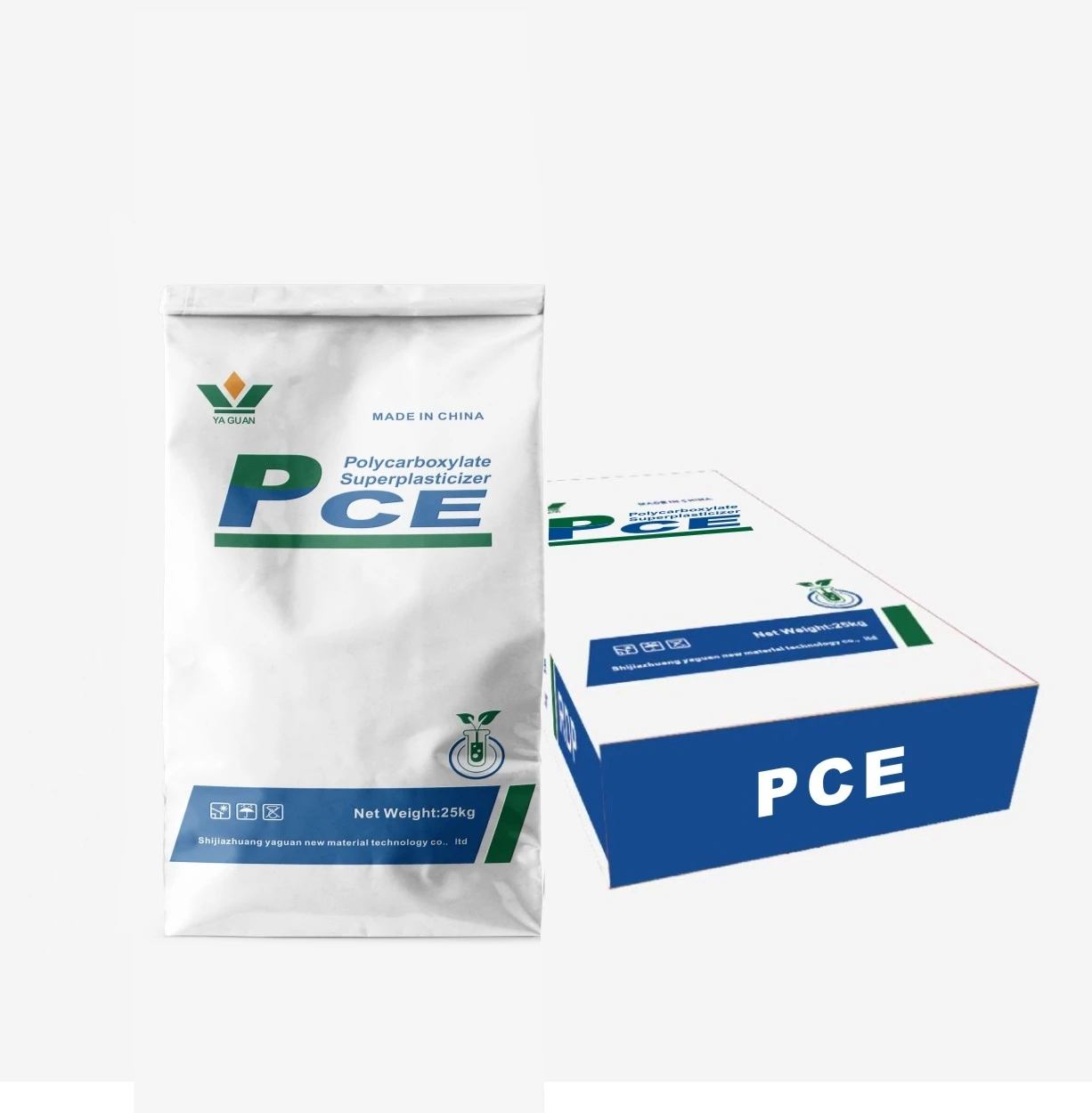
Having spent years in the industrial equipment and concrete admixture business, I can tell you the one thing that really stands out when working with modern additives is how much PCE Superplasticizer has advanced the game. It’s not just marketing buzz — in real terms, this compound, part of the polycarboxylate ether family, transforms concrete mix performance in ways that conventional plasticizers simply can’t match.
Now, if you’re not deeply entrenched in concrete technology, the idea of a superplasticizer might sound a bit technical or even exotic. But trust me, it’s more common than you think, especially in construction projects aiming for higher strength, better workability, or improved durability.
PCE Superplasticizer is prized primarily for its remarkable water-reducing abilities. You see, reducing water content in a concrete mix without sacrificing flowability leads to stronger, denser, and more durable concrete. It’s a simple concept but a tough nut to crack. The kind of superplasticizer you use significantly affects your final outcome — that much I’ve witnessed on countless job sites.
Oddly enough, the real magic lies in the molecular structure — these polycarboxylate ethers have long side-chains that repel cement particles and disperse them uniformly, avoiding clumps or early stiffening. What this means for engineers and concrete technologists is a smoother, more stable mix that can be pumped or molded with ease.
PCE Superplasticizer: Typical Product Specifications
| Parameter | Typical Value | Unit |
|---|---|---|
| Appearance | Light brown liquid | – |
| Solid Content | 40-45 | % |
| pH Value | 6-8 | – |
| Chloride Ion Content | ≤0.1 | % |
| Density (20°C) | 1.08-1.12 | g/cm³ |
| Water Reduction Rate | 20-30 | % |
One detail I’ve noticed — not every PCE Superplasticizer is made equal. There’s considerable variation in molecular weight, side chain length, and side chain density. All these factors tweak the product’s performance about flow retention, slump loss, and compatibility with different cement types. So picking the right supplier is more than just picking a name off the list.
Comparing Top Vendors of PCE Superplasticizers
| Vendor | Water Reduction % | Slump Retention (1hr) | pH Range | Typical Applications |
|---|---|---|---|---|
| Yaguan HPMC | 25-30% | Stable (70-80 mm) | 6-8 | Ready mix concrete, precast |
| Vendor B | 20-25% | Drops after 30 min | 5-7 | Self-compacting concrete |
| Vendor C | 22-28% | Moderate retention | 6-9 | High performance concrete |
Speaking from experience, I recall one project involving precast concrete elements for a bridge. We tried switching from a conventional plasticizer to a high-quality PCE Superplasticizer, and the improvement was immediate. The concrete mix retained its flow longer, reducing downtime between pours, and ultimately delivered higher compressive strength after curing. Small changes in admixtures, but huge impacts in the field, you know?
Customization is another area where these products shine. I’ve worked with suppliers who tailor polymer side chains or adjust dosing recommendations based on specific cement compositions and project requirements. This level of technical collaboration is invaluable – frankly, it separates the casual reseller from the true partners in innovation.
In terms of challenges, compatibility always deserves attention. Some PCE formulations don’t quite gel with certain mineral additives or accelerate agents. Testing small batches remains a rule-of-thumb I swear by (even after all my years). It’s a small step that avoids costly on-site adjustments.
So, to sum up, if you’re looking to squeeze out maximum performance from your concrete mixes, embracing PCE Superplasticizer isn’t just an option; it’s almost a necessity. The investment pays off through better material efficiency, stronger structures, and fewer headaches. At least, that’s been my take after decades in this field.
Thanks for sticking with me through this. It’s always a pleasure to share insights from the trenches — concrete might be heavy stuff, but the chemistry behind it is surprisingly nimble and constantly evolving.
References:
- ACI Committee 212, "Report on Chemical Admixtures for Concrete."
- “Advances in Polycarboxylate Superplasticizers,” Cement and Concrete Research, 2021.
- Yaguan HPMC Product Technical Datasheets and Application Notes.