

Hydroxypropyl Methyl Cellulose( HPMC): field notes from job sites and lab benches
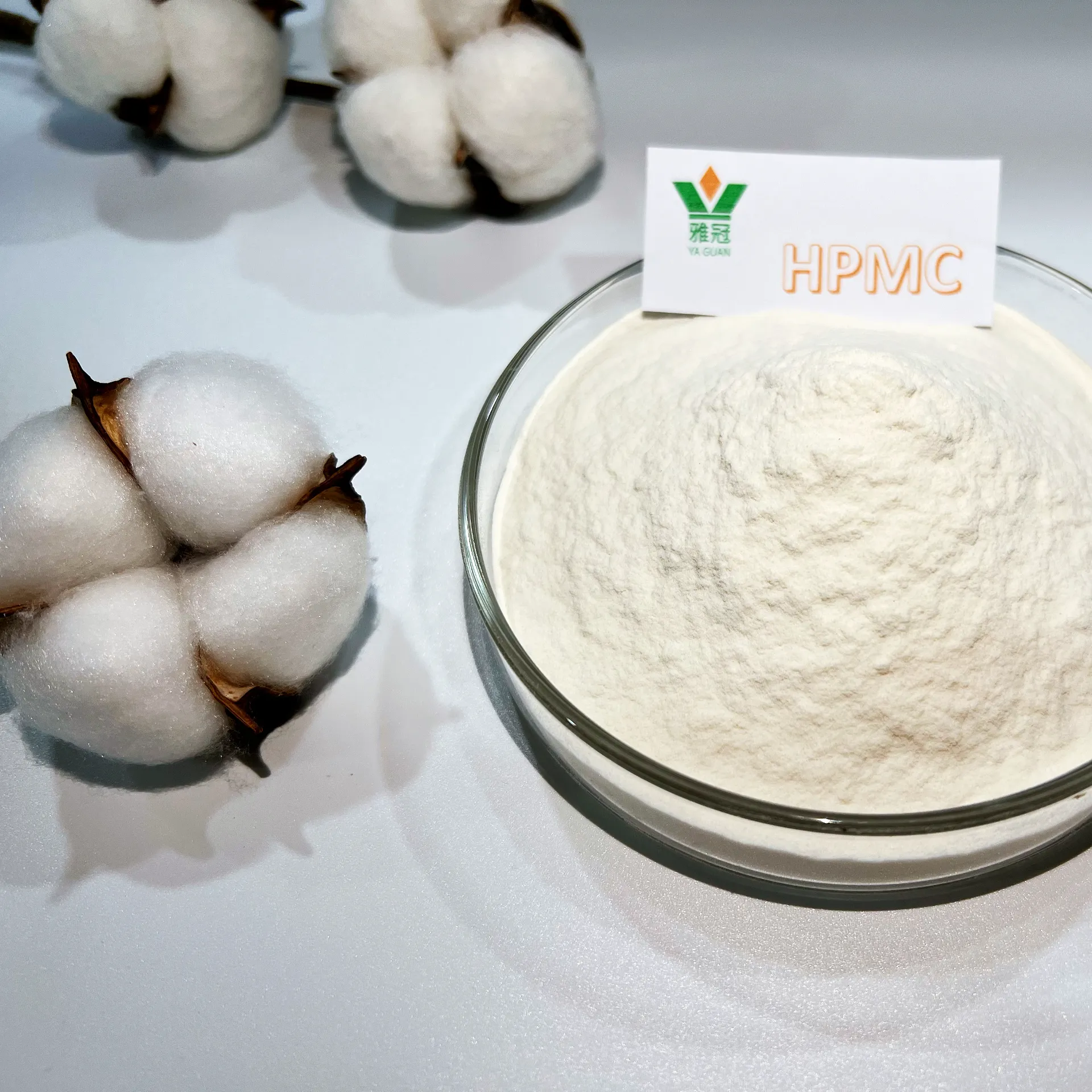
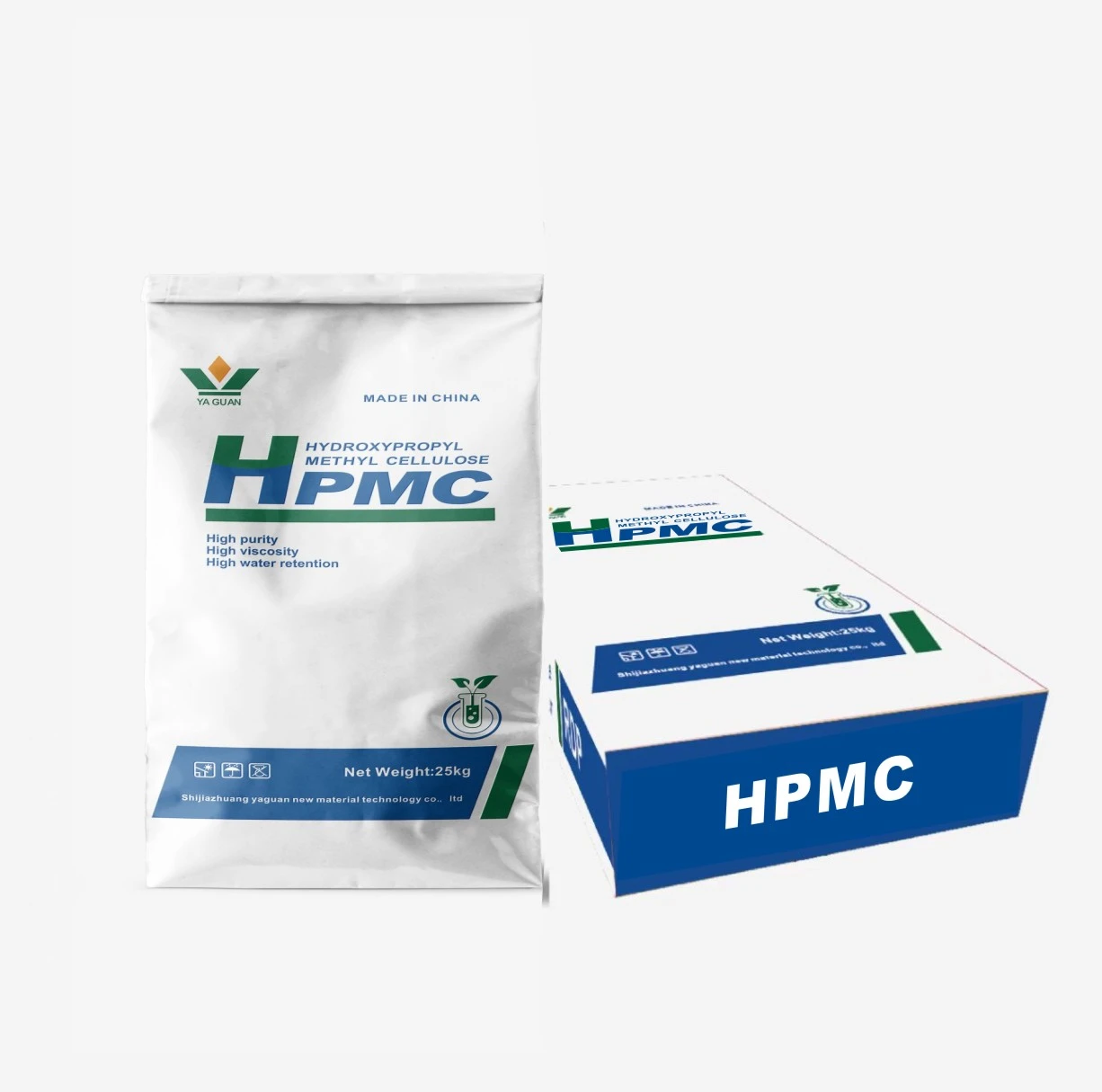
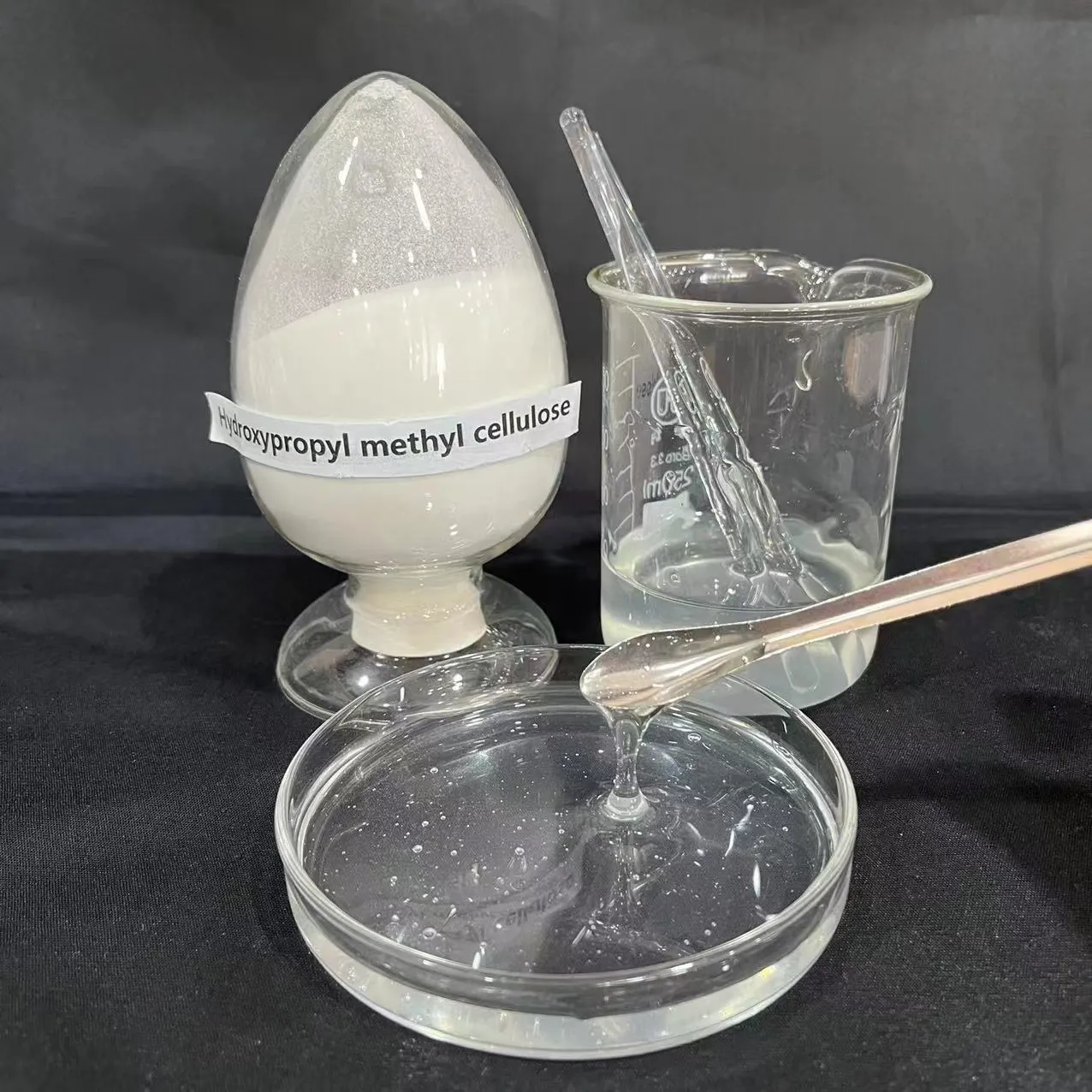
If you’ve mixed tile adhesive in July heat or tuned a water-based paint for sag resistance, you already know the quiet hero here: Hydroxypropyl Methyl Cellulose( HPMC). YAGUAN’s grade is a non-ionic cellulose ether—odourless, tasteless, non-toxic—coming as a high-purity white powder. It dissolves in water and most polar solvents, and it behaves like a multitool: thickener, binder, water-retainer, film former, emulsifier. Honestly, it’s the backbone of modern dry-mix mortars and more.
Origin matters to procurement teams, so here you go: Room 1320, Block C, Dongsheng Plaza, Chang'an District, Shijiazhuang, Hebei Province. I visited the area last year; lots of seasoned cellulose people around there.
Where it’s used (and why people keep reordering)
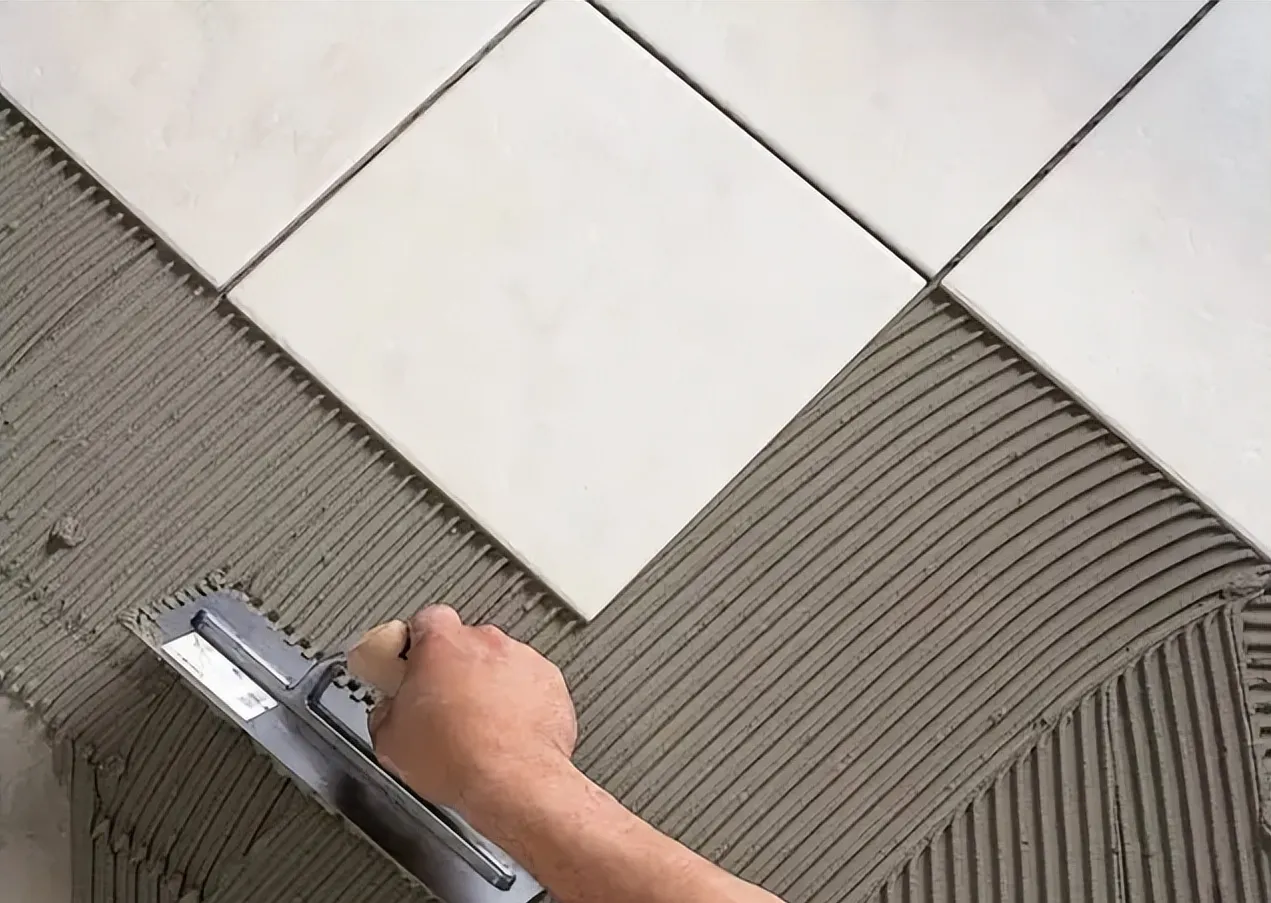
- Tile adhesives & grouts: water retention, open time, slip resistance.
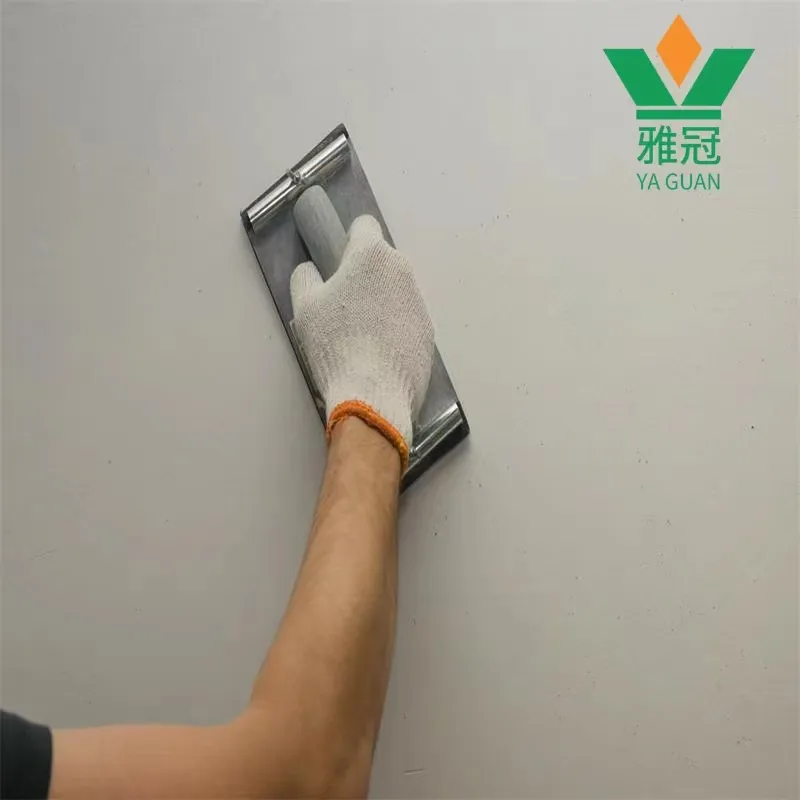
- Gypsum/putty/plasters: workability, anti-sag, crack mitigation.
- Self-leveling underlayments: controlled viscosity, segregation control.
- Water-based paints & coatings: KU build, spatter control, leveling.
- Detergents & cleaners: stable thickening in broad pH ranges.
- Ceramic extrusion & PVC: binder/green strength enhancement.
- Pharma (hypromellose): binder/film former; release control (grade-specific).
Typical specifications
| Item | Typical/Range (≈) | Method / Standard |
|---|---|---|
| Viscosity (2% sol., 20°C) | 300–200,000 mPa·s (grades) | Brookfield RV |
| Methoxy content | 19–28% | USP/Ph.Eur. |
| Hydroxypropyl content | 4–12% | USP/Ph.Eur. |
| Moisture | ≤5% | Loss on drying |
| Ash | ≤1.5% | USP |
| pH (1% sol.) | 5.5–8.0 | ISO 976 |
| Gel temperature | 60–85°C | Internal method |
| Particle size | ≥98% pass 80 mesh | Sieving |

From pulp to powder: process at a glance
Materials: refined cellulose, NaOH (alkalization), methyl chloride, propylene oxide (etherification), followed by neutralization, washing, drying, milling, blending. I like that YAGUAN uses tight DS/MS control; it shows in batch-to-batch viscosity stability.
Testing & compliance: mortar tests per EN 1015 (workability/water retention), tile adhesive per EN 12004 (open time, slip), ASTM C1437 flow, plus USP–NF/Ph.Eur. specs for pharma grades. Shelf life: around 24 months sealed, cool/dry. Real-world use may vary with humidity, obviously.
Performance notes (field + lab)
- Water retention in C1T tile adhesive: ≥92% at 0.2–0.3% dosage (EN 1015-8).
- Open time gain: +10–20 min depending on cement and fines.
- Sag/slip: down to ≤0.3 mm with right viscosity and cellulose blend.
- Paint KU build: predictable, low spatter; good leveling with associative thickeners.
Vendor landscape (quick comparison)
| Vendor | Strengths | Limitations | Certs |
|---|---|---|---|
| YAGUAN (Hebei) | Stable viscosity, tailored grades, responsive tech service | Lead time can extend in peak season | ISO 9001/14001 (typical) |
| Generic Trader A | Wide sourcing, flexible MOQs | Batch variation risk | Varies |
| Local Blender B | Fast delivery, custom blends | Limited pharma compliance | Often ISO 9001 |
Customization and support
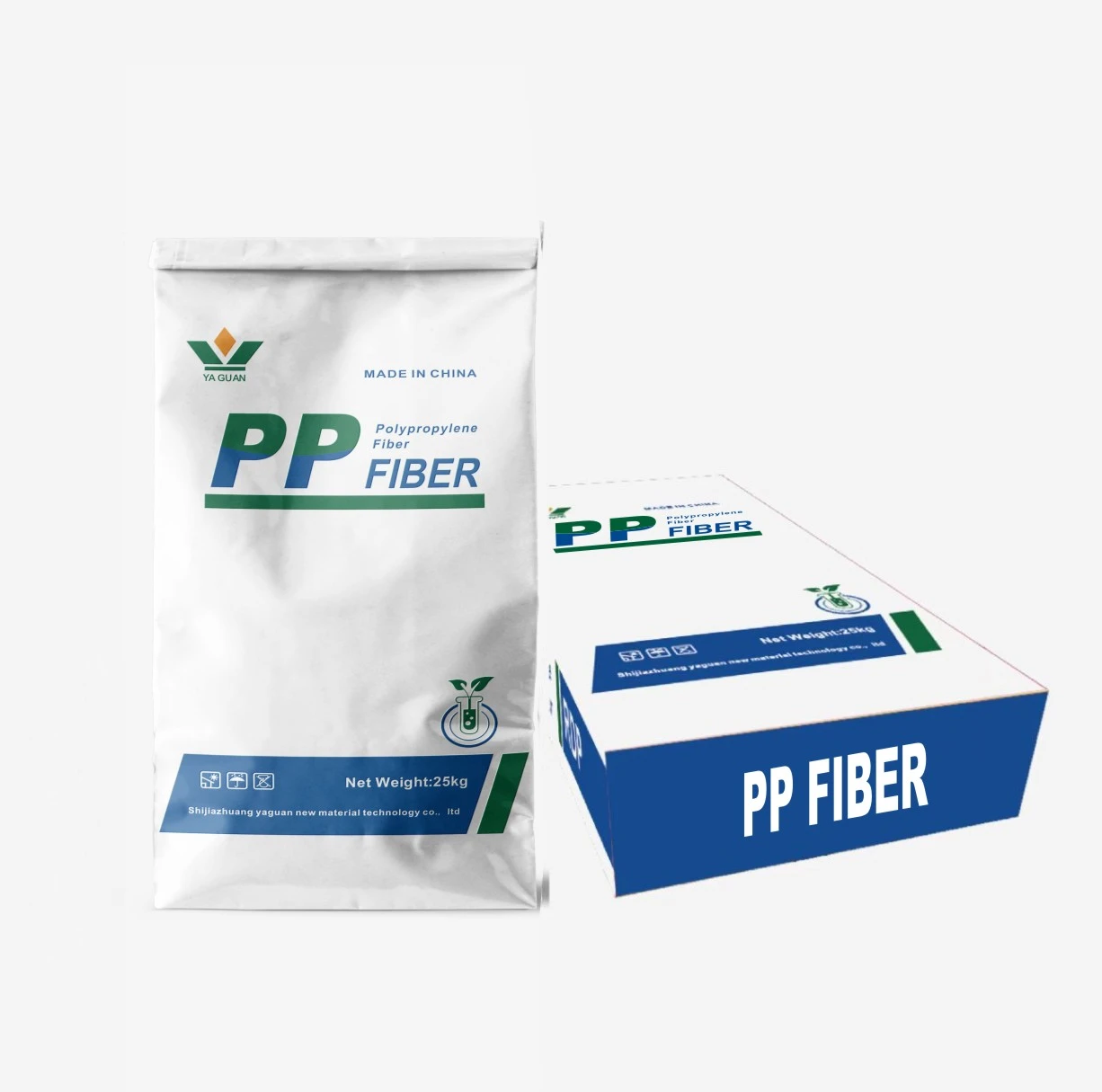
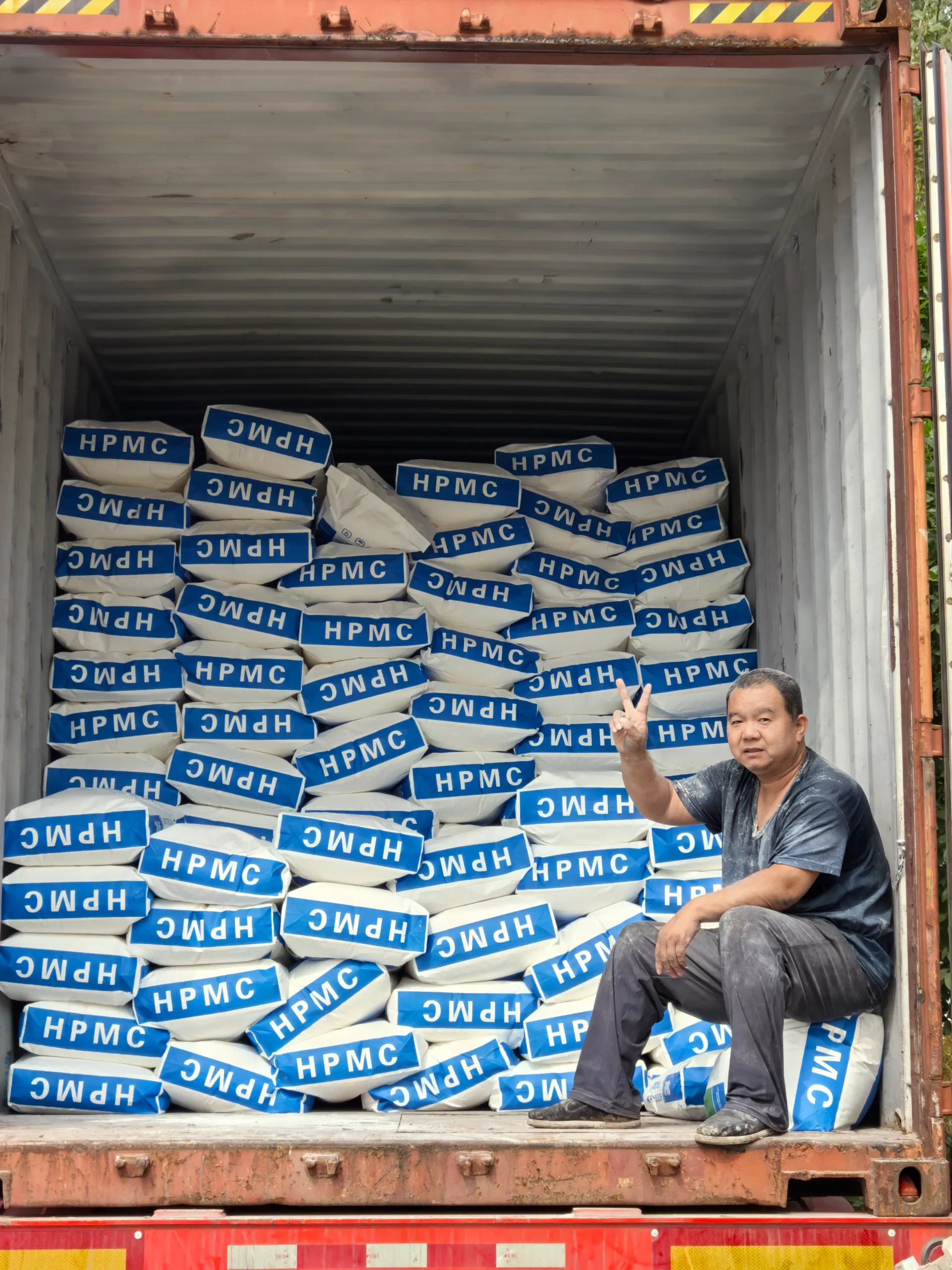
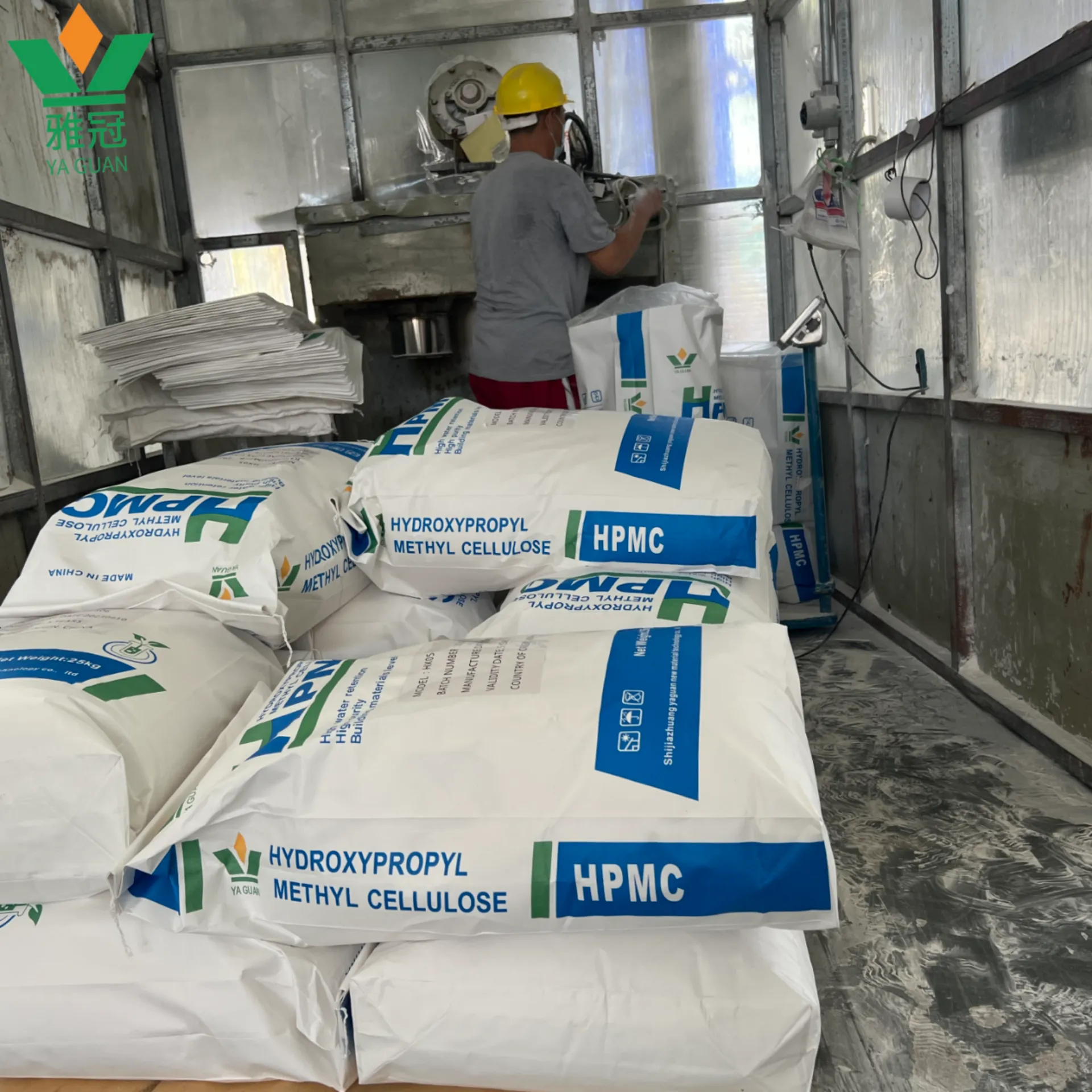
Grades from 300 to 200,000 mPa·s, surface-treated (delayed hydration) or fast-wet, particle sizes, and targeted DS/MS for set-time tuning. Packaging usually 25 kg bags; custom pallets available. Many customers say the application lab is happy to optimize dosage for tricky cements—nice touch.
Mini case files
- Hot-climate tile adhesive (GCC): switched to higher gel-temp Hydroxypropyl Methyl Cellulose( HPMC), open time +18 min; callbacks dropped, contractor happy.
- Gypsum skim coat (EU): low-dust treated grade improved mixing window; surface looked cleaner—my own observation on site.
- Detergent gel (APAC): pH 9.5 system held clarity and viscosity over 8 weeks at 40°C stress.
Final thought: specs matter, but application fit matters more. To be honest, getting the right viscosity and substitution balance for your cement and sand is 80% of the game. The rest is storage, mixing discipline, and, yes, a bit of luck with the weather.