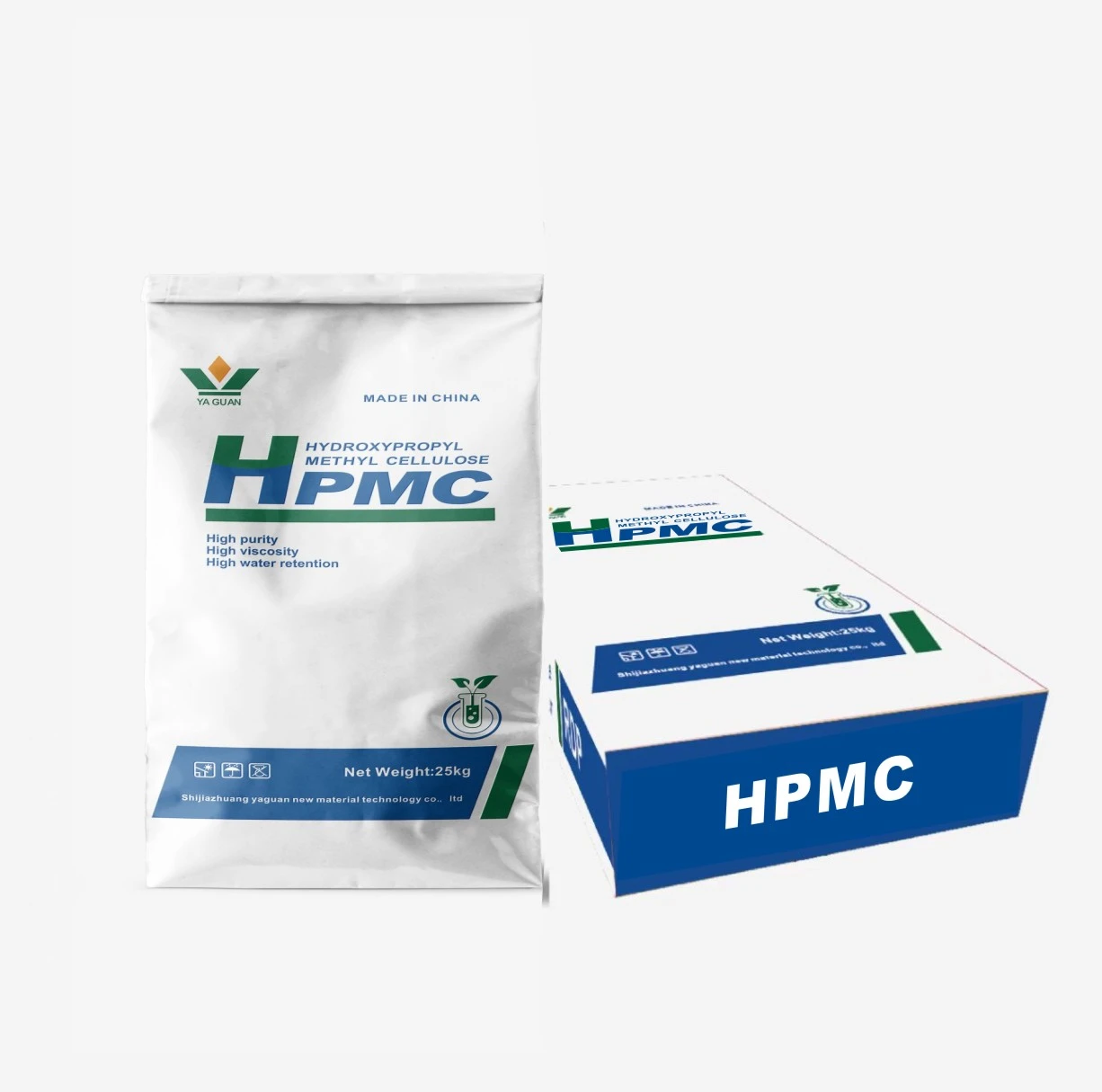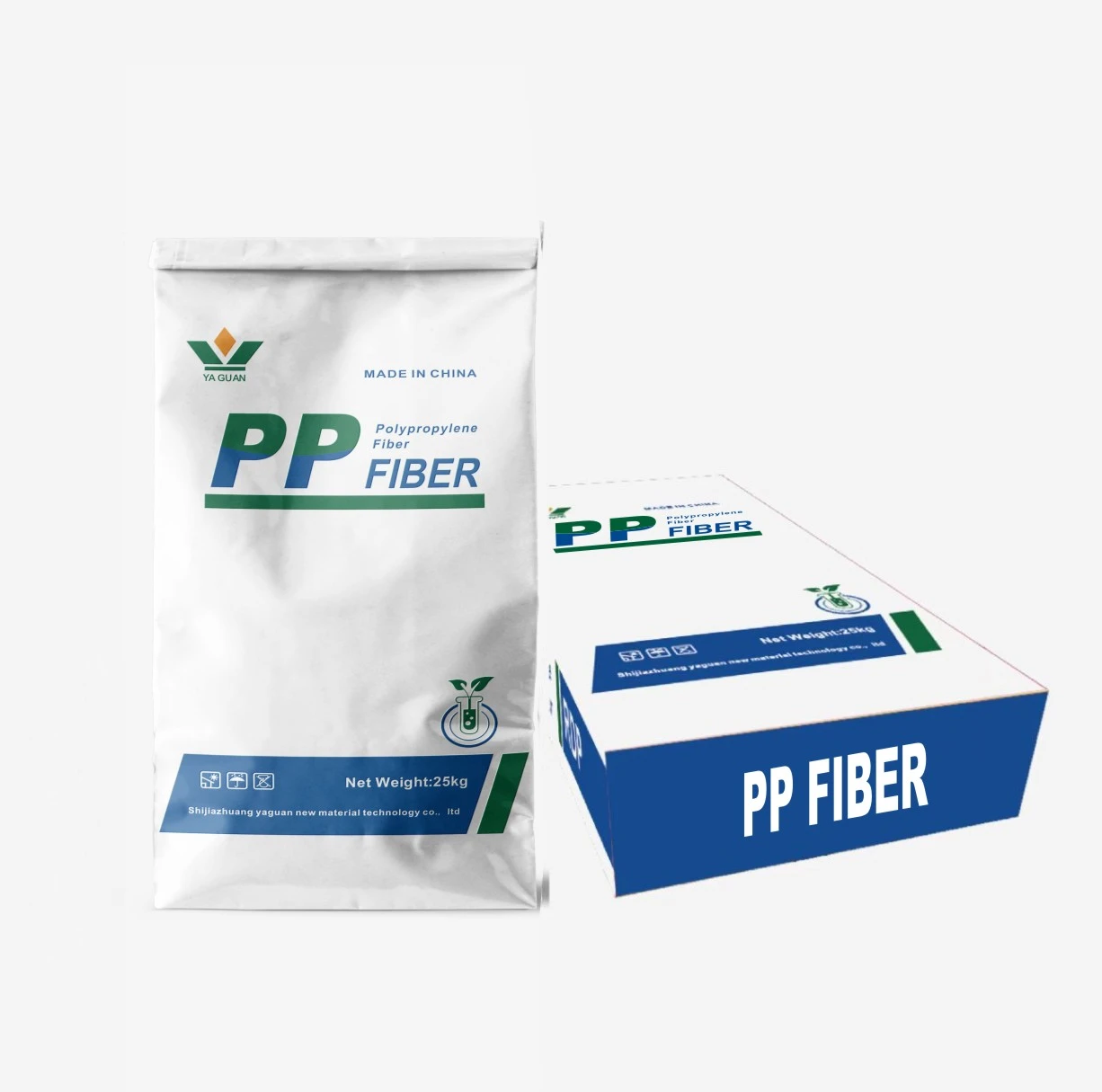


Hydroxypropyl Methyl Cellulose( HPMC) is a key solution in the chemical industry industry, specifically within Specialty Chemicals and cellulose ether. This article explores how Shijiazhuang Yaguan New Material Technology Co., Ltd. supports professionals with durable, high-performance products, and explains why this product is an ideal choice for businesses in these sectors.
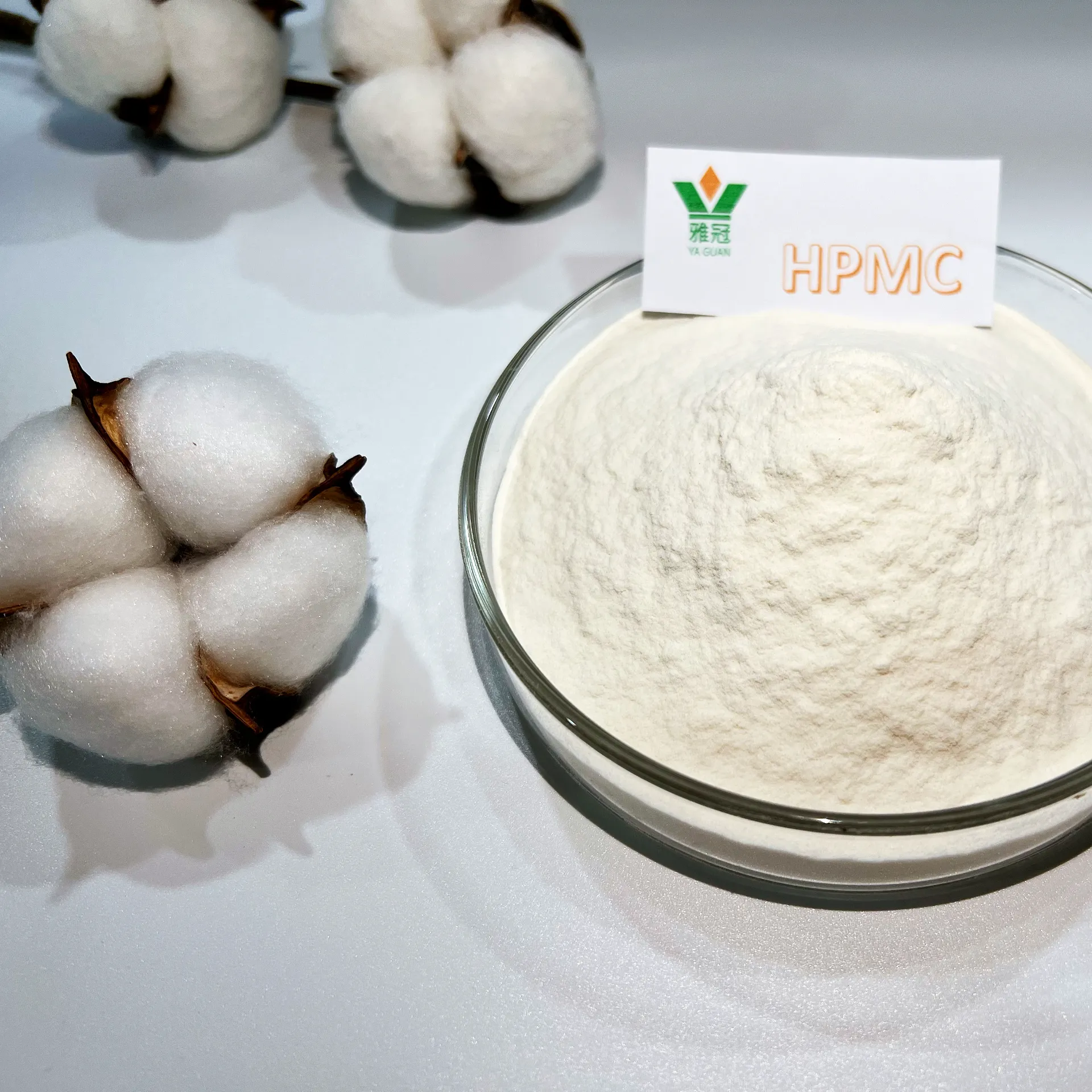
Table of Contents
- Hydroxypropyl Methyl Cellulose( HPMC) Overview
- Benefits & Use Cases of Hydroxypropyl Methyl Cellulose( HPMC) in cellulose ether
- Cost, Maintenance & User Experience
- Sustainability & Market Trends in chemical industry
- Conclusion on Hydroxypropyl Methyl Cellulose( HPMC) from Shijiazhuang Yaguan New Material Technology Co., Ltd.
Hydroxypropyl Methyl Cellulose( HPMC) Overview
Hydroxypropyl Methyl Cellulose( HPMC) is a non-ionic, water-soluble cellulose ether engineered to control rheology, retain water, and improve adhesion in a wide range of formulations. Within Specialty Chemicals and cellulose ether, it is a workhorse additive for dry-mix mortars, architectural coatings, detergents, and more. Produced by etherifying refined cellulose with methyl and hydroxypropyl groups, HPMC delivers consistent thickening, film-forming, and stabilization performance across cementitious and gypsum systems as well as water-borne paints and personal/home care products.
Technical characteristics are tailored by grade. Typical specifications include viscosity ranges from 400 to 200,000 mPa·s (2% solution, Brookfield, 20°C), methoxy content around 19–30%, hydroxypropyl content about 4–12%, moisture ≤5%, ash ≤5%, pH stability from 4–8, and gelation temperature roughly 60–75°C. Common particle sizes are 80–120 mesh for fast, lump-free dissolution in industrial mixers. Packaging is usually 25 kg multi-layer bags with PE liners to protect from moisture and preserve flowability and shelf-life. Consistency and dispersion behavior can be tuned using surface-treated or delayed-solubility grades for high-shear or ambient mixing lines.
Shijiazhuang Yaguan New Material Technology Co., Ltd. manufactures HPMC with rigorous process control—automated etherification, solvent recovery, and multi-point QC—ensuring viscosity stability, low odor, and excellent batch-to-batch reproducibility. For B2B decision makers, this translates into reliable performance at low dosage and reduced formulation risk across production sites.
Benefits & Use Cases of Hydroxypropyl Methyl Cellulose( HPMC) in cellulose ether
In cellulose ether applications, Hydroxypropyl Methyl Cellulose( HPMC) unlocks formulation efficiency and end-use performance—especially in dry-mix building materials. In cement tile adhesives, it provides water retention and sag resistance for improved open time and tile slip control. In gypsum plaster and wall putty, HPMC enhances workability, spreadability, and crack resistance while reducing dusting and shrinkage. For self-leveling compounds, it optimizes viscosity, minimizes bleeding/segregation, and helps achieve smooth surfaces with controlled flow. In EIFS/ETICS adhesives and renders, it stabilizes the mix, improves adhesion to insulation boards, and maintains cohesiveness on vertical substrates.
- High water retention at low dosage (often 0.2–0.6%), improving cement hydration and strength development.
- Rheology control for trowelability, anti-sag, and superior finish in mortars and putties.
- Surface-treated grades for delayed solubility and dust-reduced handling; consistent viscosity for process stability.
- Compatibility with other additives (starch ethers, redispersible powders, air-entrainers) to fine-tune performance.
Beyond mortars, HPMC is widely used in water-borne paints for sag control and leveling, and in household/personal care as a robust, salt-tolerant thickener. Shijiazhuang Yaguan New Material Technology Co., Ltd. backs each application with formulation guidance, from viscosity grade selection to mixing strategy, helping technical teams accelerate lab-to-plant scale-up and maintain consistent quality across sites and seasons.
Cost, Maintenance & User Experience
Total cost of ownership for Hydroxypropyl Methyl Cellulose( HPMC) is driven by dosage efficiency, production stability, and reduced rework. Because effective levels are typically below 1%, small formulation adjustments deliver outsized gains in open time, adhesion, and workability—cutting jobsite callbacks and waste. Stable viscosity grades minimize batch variability and line interruptions, protecting throughput and margins. For procurement teams, predictable lead times and strong packaging integrity reduce logistics risk and material loss from caking or moisture ingress.
Maintenance is straightforward: store in a cool, dry area; keep bags sealed; and feed into a strong vortex to avoid lumping. Many users adopt surface-treated grades for dust control and smoother incorporation. Common field practices include pre-mixing with other powders and observing a brief maturation period (10–20 minutes) to reach final viscosity before application. Feedback from Specialty Chemicals customers often highlights consistent water retention across seasons, cleaner trowel feel, and improved vertical hold—factors that translate to faster application rates and better finishes. Shijiazhuang Yaguan New Material Technology Co., Ltd. supports ROI through technical service, grade matching to regional cements/gypsums, and reliable after-sales support.
Sustainability & Market Trends in chemical industry
Sustainability in Specialty Chemicals increasingly centers on renewable raw materials, low VOCs, and energy-efficient manufacturing. Hydroxypropyl Methyl Cellulose( HPMC) aligns well: derived from plant-based cellulose and used primarily in water-borne systems, it supports the shift away from solvent-heavy chemistries. In construction chemicals, HPMC’s water retention enables leaner water-to-binder ratios and robust hydration, helping formulators target durability with optimized cement usage—an important lever for embodied carbon reduction. Meanwhile, regulators worldwide continue to tighten standards around emissions, worker exposure, and product labeling, encouraging adoption of safer, high-performance additives.
Shijiazhuang Yaguan New Material Technology Co., Ltd. operates with a forward-looking, eco-conscious approach—emphasizing solvent recovery, wastewater treatment, and process optimization to reduce environmental footprint. The company offers low-odor, low-VOC HPMC grades and supports documentation needs for compliance frameworks and regional registrations. For B2B decision makers navigating green building codes and product stewardship, partnering with a supplier that combines technical depth with responsible manufacturing helps future‑proof portfolios while meeting performance targets in mortars, coatings, and care products.
Conclusion on Hydroxypropyl Methyl Cellulose( HPMC) from Shijiazhuang Yaguan New Material Technology Co., Ltd.
For the chemical industry’s Specialty Chemicals segment—especially cellulose ether—Hydroxypropyl Methyl Cellulose( HPMC) delivers proven rheology control, water retention, and stability at low dosage, enabling robust performance in dry-mix mortars, coatings, and beyond. Shijiazhuang Yaguan New Material Technology Co., Ltd. stands out with consistent quality, tailored grades, and responsive technical service that de-risks formulation and scale-up. Ready to optimize your formulation or qualify a dependable supplier? Contact us: email: info@ya-guan.com. Visit our website: https://www.yaguanhpmc.com