

Field Notes on Calcium Format: What Buyers Really Ask
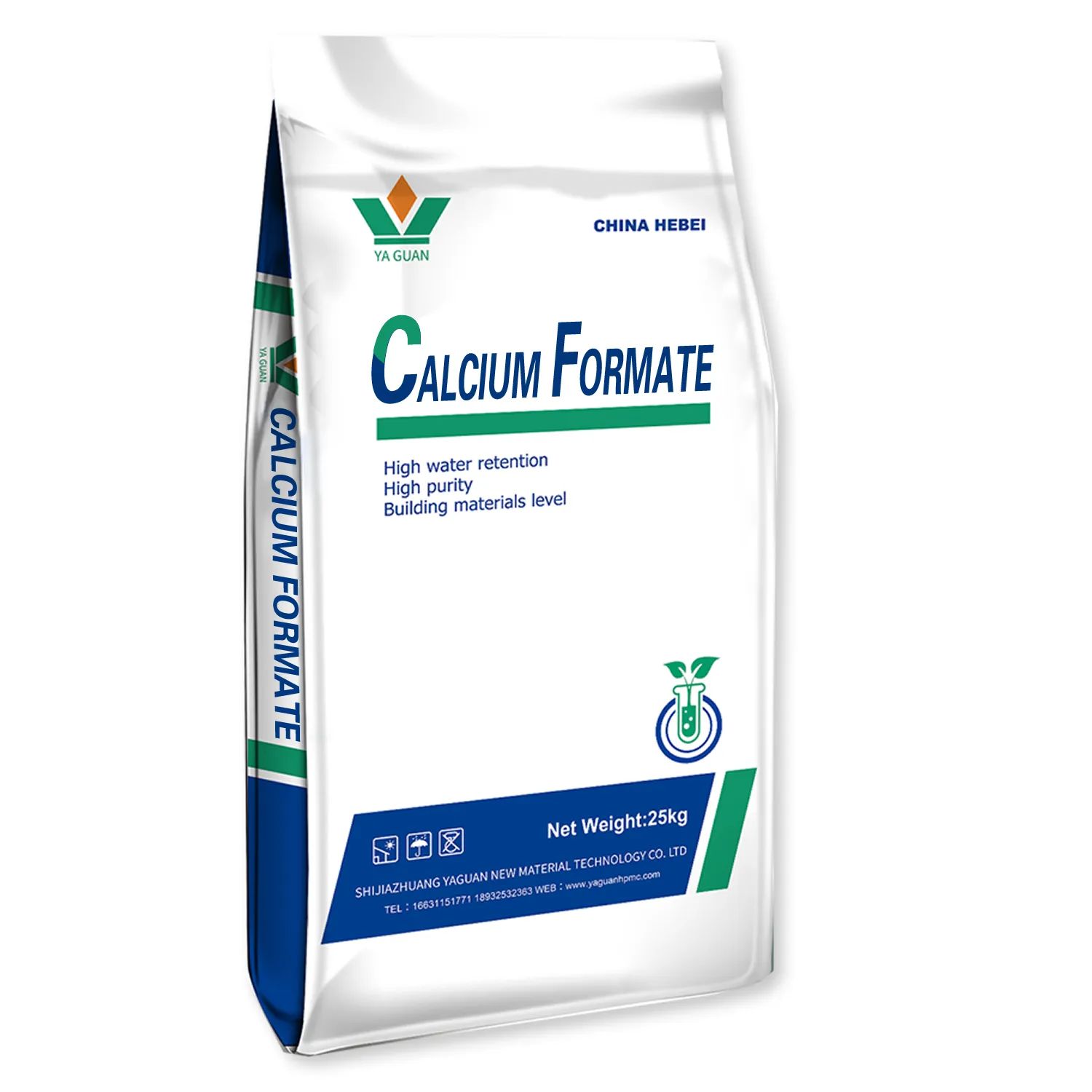
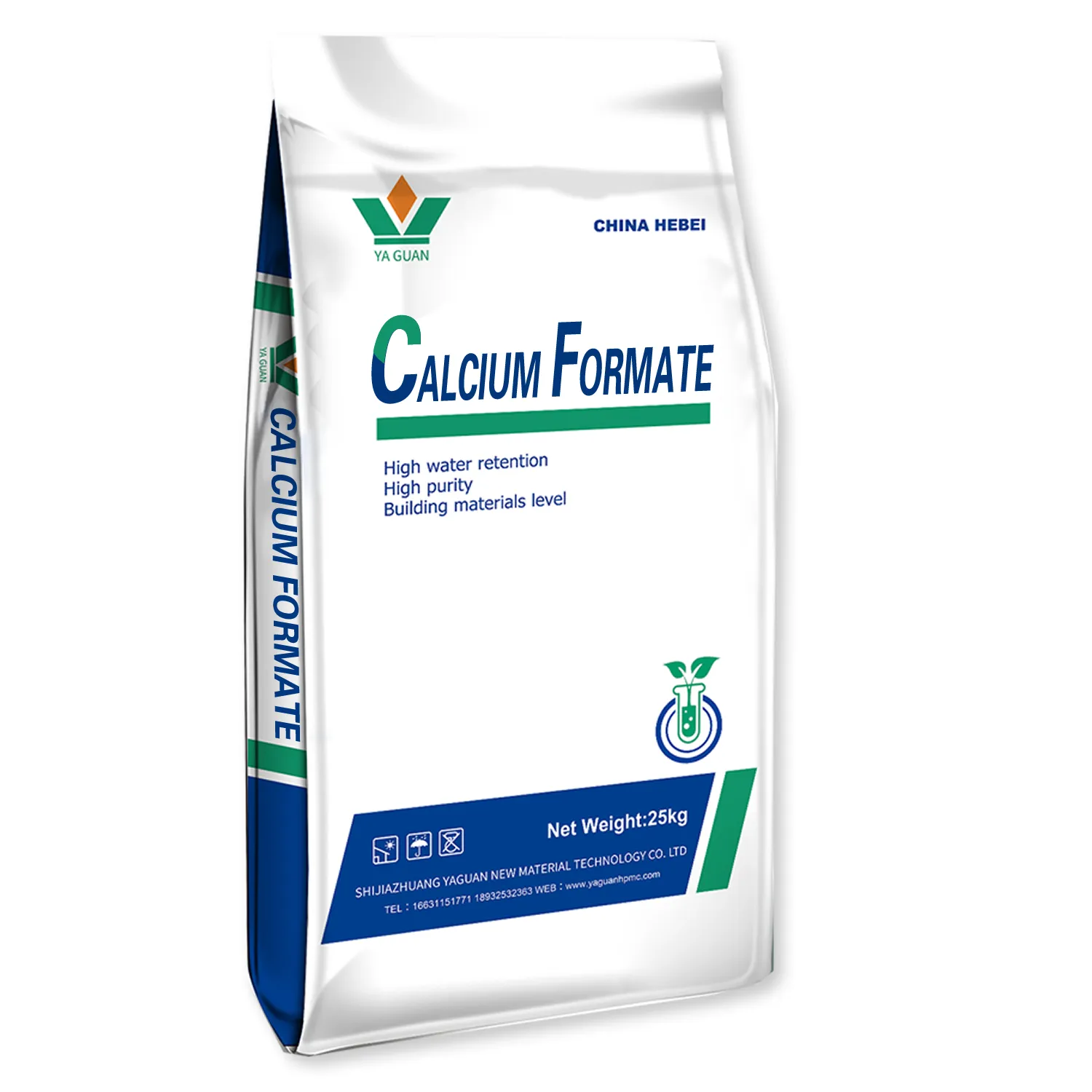
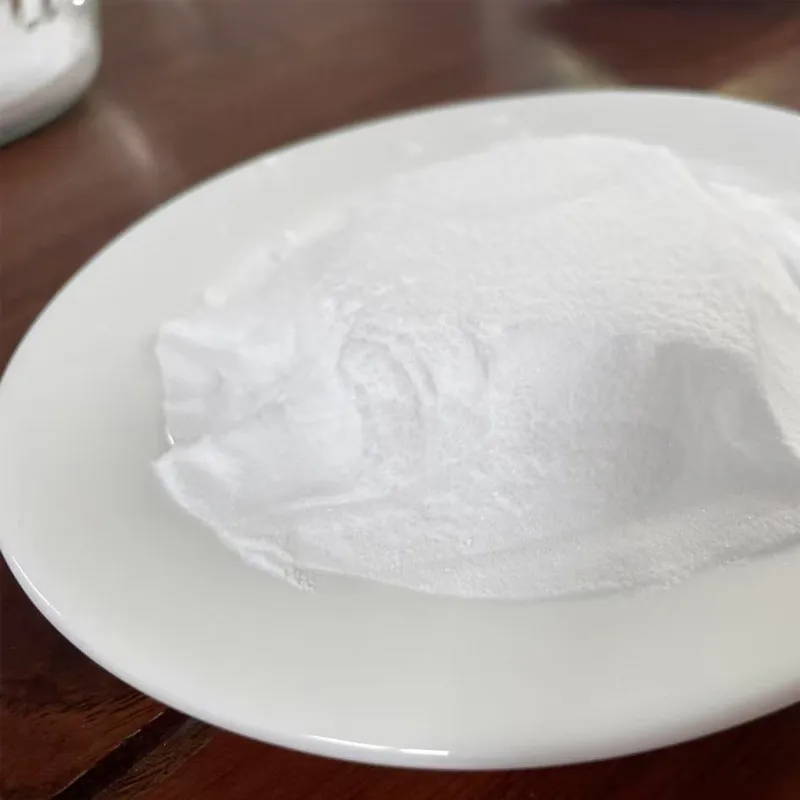
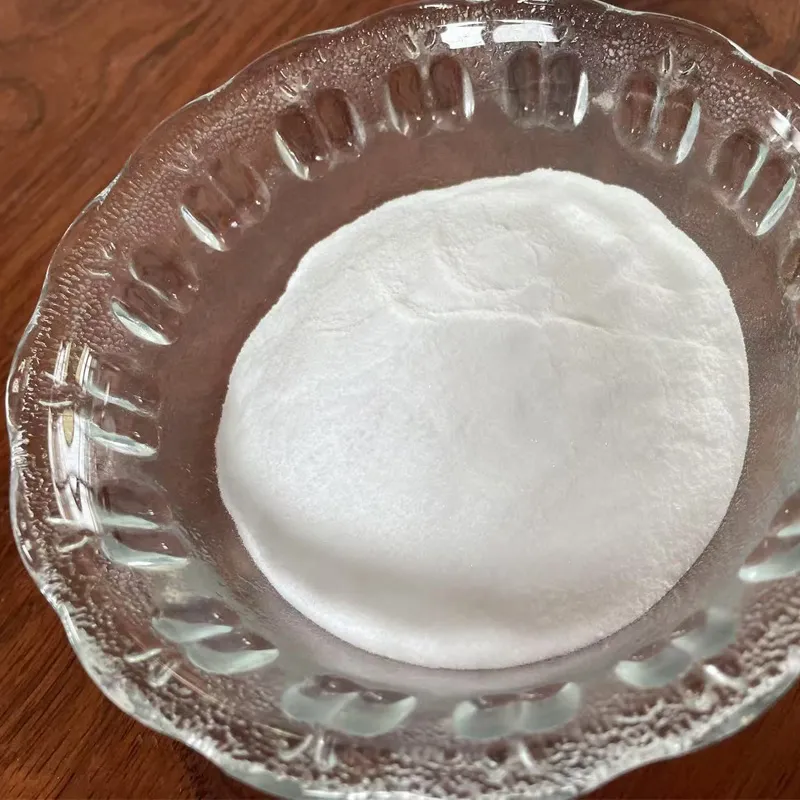
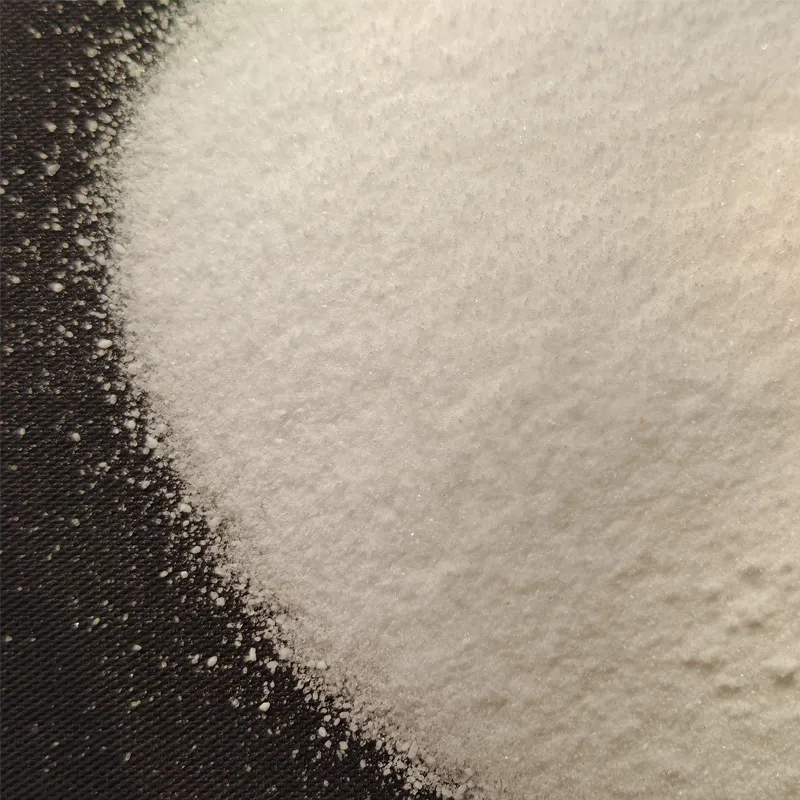
I’ve spent the past year talking to contractors and plant engineers about accelerators. The one that keeps coming up—sometimes whispered as a “winter saver”—is Calcium Format (also known in labs as calcium formate). YAGUAN’s material ships from Room 1320, Block C, Dongsheng Plaza, Chang'an District, Shijiazhuang, Hebei Province. It’s a white-to-yellowish powder with a faint smell, used in construction mortars, concrete, and as a petroleum/gas processing aid. To be honest, it’s not flashy—just quietly effective.
Industry pulse: why now?
Two trends: cold-weather pours don’t wait for spring, and admixture stacks are getting cleaner. Many customers say Calcium Format gives earlier strength without the corrosion baggage of high-chloride systems. In fact, we’re seeing it paired with HPMC, PCE, and redispersible powders in tile adhesive and self-leveling compounds to stabilize early grab.
Product snapshot and technical specs
| Chemical name | Calcium diformate (aka Calcium Format), CAS 544-17-2 |
| Purity (as Ca(HCOO)2) | ≥ 98.0% (typical 98–99%) — titration/IC |
| Moisture | ≤ 0.5% — GB/T 6283 (KF) |
| pH (10% solution) | 6.5–8.0 — glass electrode |
| Chloride | ≤ 0.05% — ISO 9297 |
| Heavy metals (Pb) | ≤ 20 ppm — ICP-OES |
| Particle size | D50 ≈ 150–300 μm; 95% < 0.6 mm |
| Bulk density | 0.8–1.0 g/cm³ |
Performance tests are typically run under ASTM C403 (setting), ASTM C109 (mortar strength) and EN 934-2 for admixture classification. Real-world results vary with cement chemistry and temperature, of course.
Where it earns its keep
- Construction mortar and concrete: 0.2–2.0% bwoc dosage to speed set and early strength in cold or damp conditions.
- Tile adhesives/self-levelers: faster walk-on times, better early green strength.
- Petroleum/gas processing aid: used as a benign salt in certain dehydration/blending steps; surprisingly common in plants chasing lower corrosion profiles.
Observed test data: 20–40% set-time reduction (ASTM C403) and +15–30% 24‑h compressive strength in CEM I systems at 0.5–1.5% dosage. Freeze–thaw durability unchanged vs. control when air is properly entrained.
Process flow and QC
Calcium Format is made by neutralizing formic acid with calcium hydroxide/carbonate, followed by filtration, drying, milling, anti-caking conditioning, and sieving. QC steps: purity by titration/IC, moisture by KF, particle-size laser diffraction, chloride, heavy metals, plus application tests in standard mortar. Shelf life: around 24 months sealed; keep dry and off the floor. Packaging: 25 kg bags or ≈1000 kg FIBCs—custom logos on request.
Vendor landscape (quick take)
| Vendor | Purity | Lead time | Customization | Certs | Notes |
|---|---|---|---|---|---|
| YAGUAN (Calcium Format) | 98–99% | 7–15 days (≈) | PSD, anti-caking, private label | ISO 9001/14001, REACH prereg. | Strong mortar know-how |
| Vendor A (EU blender) | 97–99% | 10–20 days | Limited PSD options | ISO 9001 | Good documentation |
| Vendor B (APAC trader) | 96–98% | 15–30 days | Basic bag options | Supplier-declared | Price-led, check QC |
Customization and buyer feedback
Contractors often request tighter PSD for pumpable self-levelers. Plant buyers like anti-caking agents tuned to humid coastal storage. Several customers told me they saw smoother set curves when Calcium Format was co-dosed with lignosulfonates at low dosages—your mileage may vary.
Mini case files
- Highway patch, −5 °C ambient: 1.0% Calcium Format cut initial set by ≈30% and delivered +22% 24‑h strength vs. control (ASTM C109 cubes).
- Gas plant blend: switching to Calcium Format salt reduced perceived corrosion risk; operators reported cleaner equipment surfaces after 3 months, though this is anecdotal.
Standards and compliance checklist
Admixture use: ASTM C494 (Type C/E as applicable) and EN 934‑2 frameworks; setting by ASTM C403; mortar strength by ASTM C109. Drilling/fluids labs often reference API RP 13B procedures. Safety: request SDS and heavy-metal/halide statements. For large tenders, ask for ISO 9001/14001 and REACH updates.
References:
- ASTM C494/C494M: Standard Specification for Chemical Admixtures for Concrete.
- ASTM C403/C403M: Time of Setting of Concrete Mixtures by Penetration Resistance.
- ASTM C109/C109M: Compressive Strength of Hydraulic Cement Mortars.
- EN 934‑2: Admixtures for concrete, mortar and grout — Concrete admixtures.
- API RP 13B: Recommended Practice for Field Testing Water‑Based Drilling Fluids.











