
Polypropylene Fiber: field notes, specs, and what actually works on site
If you’ve poured a slab in summer, you already know the story: plastic shrinkage cracks show up before lunch. That’s why crews keep coming back to Polypropylene Fiber—it’s simple, predictable, and (honestly) cost-effective. Many customers say they see the difference before the finishing trowel cools down.
What it is and why it’s still trending
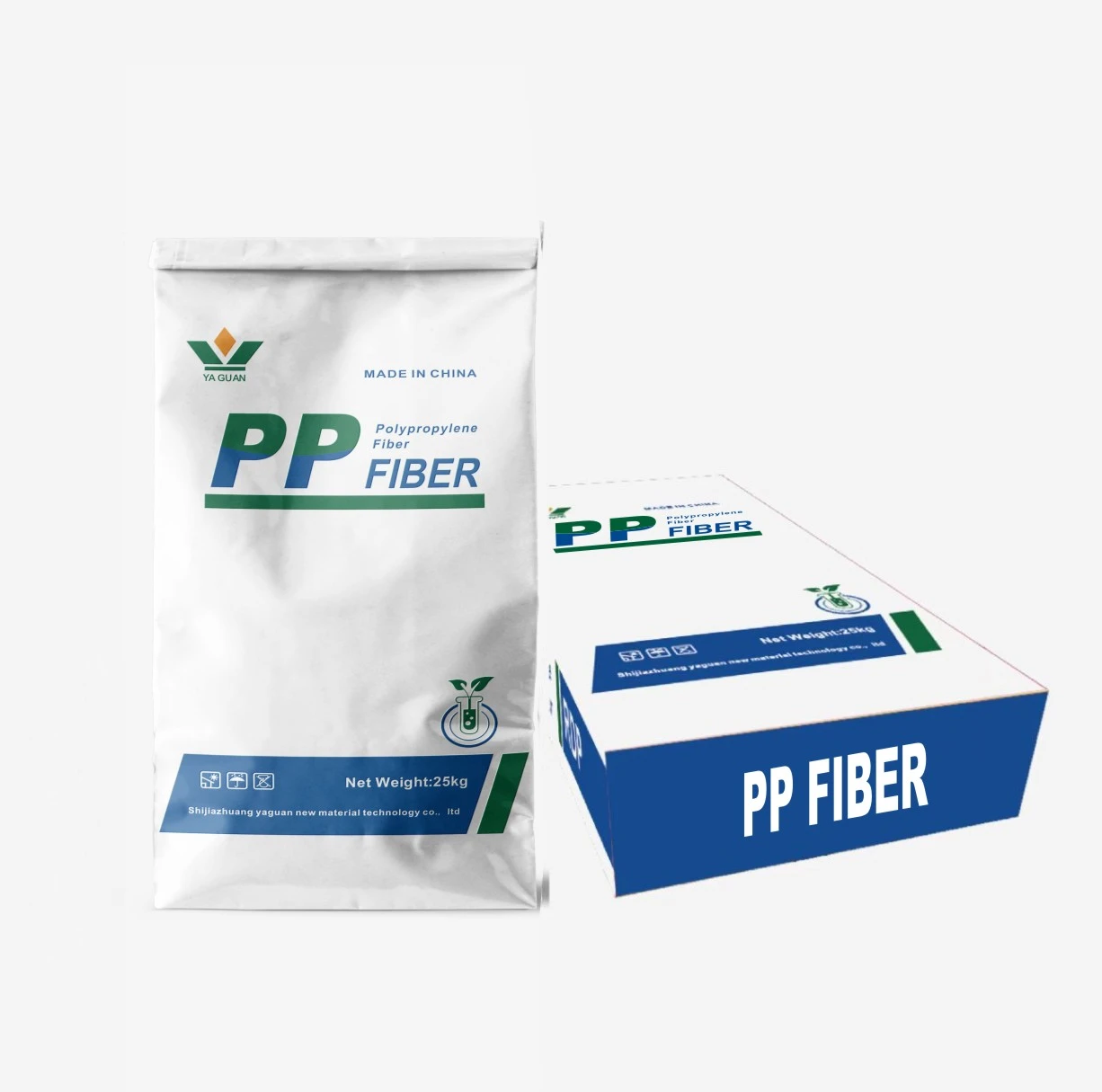
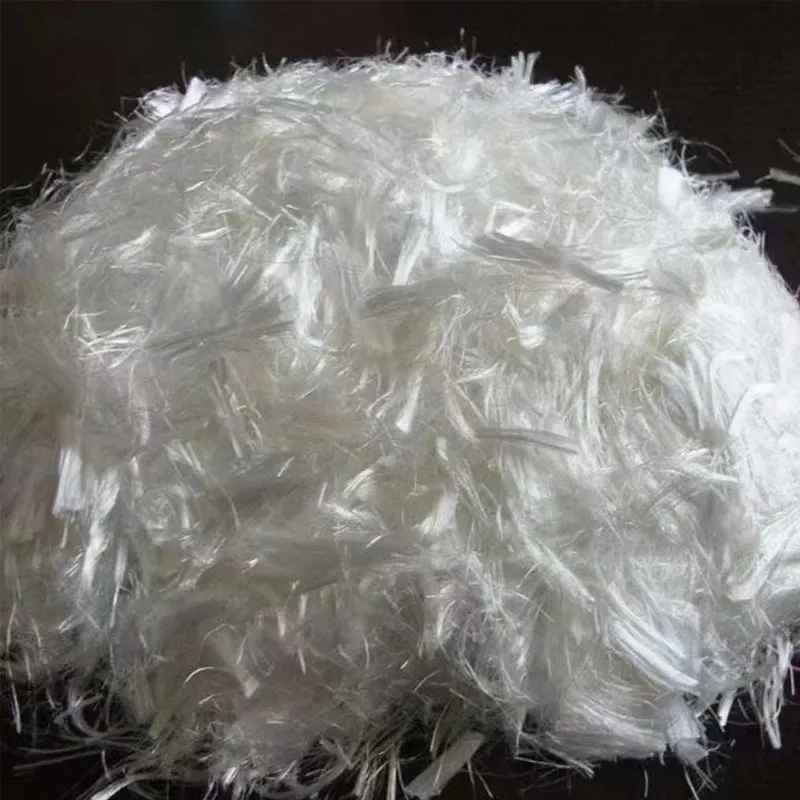
YAGUAN’s Polypropylene Fiber (often called anti-cracking fiber, PP fiber, or concrete fiber) is a high-strength bundled monofilament designed to control micro-cracks from plastic shrinkage and early thermal movement. The industry trend is clear: pair micro PP fibers for crack control with structural reinforcement as needed, and you get tighter surfaces, better durability, and—surprisingly—cleaner finishes with fewer callbacks. There’s also a steady uptick in fibers used for fire-spalling mitigation in high-performance concrete.
Process flow (how it’s made and tested)
-
- Materials: isotactic PP resin pellets, antioxidant package, optional surface-wetting finish.
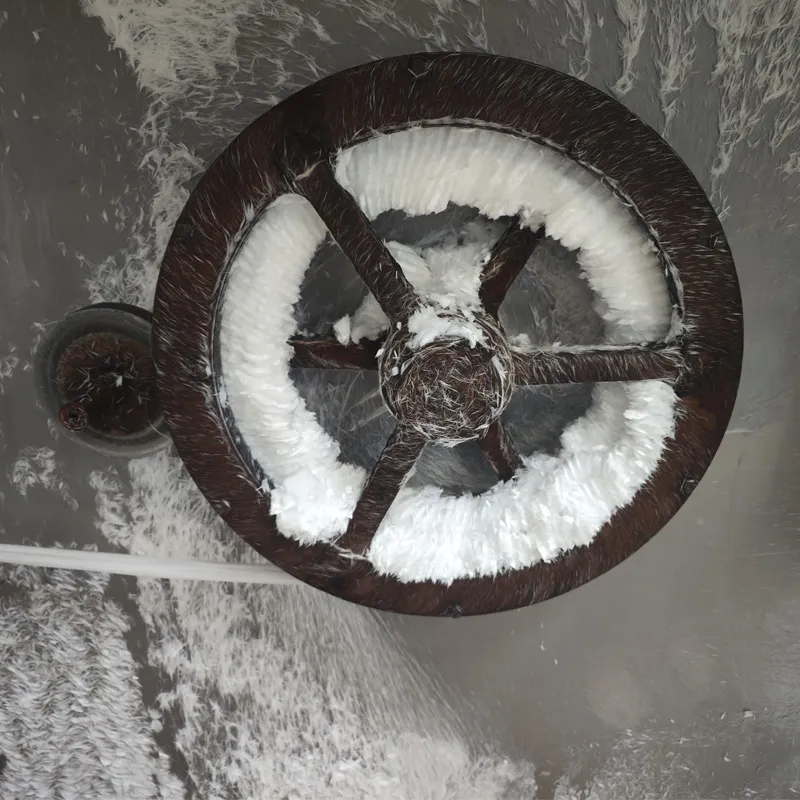
- Methods: melt-spinning → cold drawing → precision chopping → bundling with water-dispersible glue → bagging.
- QC & standards: single-fiber tensile (ASTM D3822), density (ASTM D792), geometry checks; concrete performance per ASTM C1116, shrinkage per ASTM C157, flexural behavior per ASTM C1609/ACI 544 guidance; EU compliance per EN 14889-2.
- Service life: chemically inert in alkaline pore solution; real-world use may track the design life of the concrete element (≈ 25–100 years, depending on the structure and exposure).
- Industries: residential slabs and screeds, precast, shotcrete in tunnels, industrial floors, overlays, marine works, repair mortars, and 3D-printed mixes (yes, that’s happening).
Product specification (typical values)
| Polymer | Isotactic PP, hydrophobic, alkali-resistant |
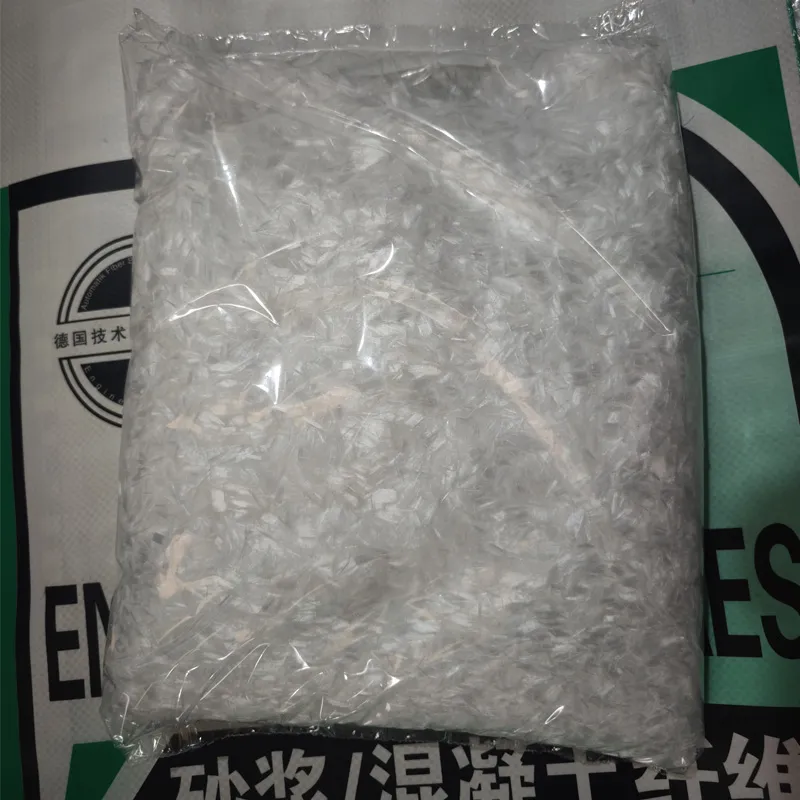
| Fiber type | Bundled monofilament, water-dispersible |
| Length options | 3, 6, 12, 19 mm (custom on request) |
| Diameter (≈) | 18–40 μm |
| Density | ≈ 0.91 g/cm³ |
| Tensile strength | ≥ 500–700 MPa (real-world use may vary) |
| Elastic modulus | ≈ 3.5–5.0 GPa |
| Melting point | ≈ 160–170°C (beneficial for fire-spalling mitigation) |
| Dosage (crack control) | 0.6–1.0 kg/m³ for concrete; 0.3–0.9 kg/m³ for mortar |
| Standards | ASTM C1116 Type III; EN 14889-2 |
Applications and field feedback
Use Polypropylene Fiber in slabs-on-ground, screeds, renders, precast elements, and shotcrete. In our trials (0.9 kg/m³), plastic shrinkage crack area dropped by ≈80–90% versus control, and finishing crews reported easier edge retention. In tunnel shotcrete, rebound felt lower; I guess that’s the fiber network stiffening the fresh matrix just enough.
Quick vendor comparison
| Vendor | Certs | Customization | Lead time | Approx. price/kg | Notes |
|---|---|---|---|---|---|
| YAGUAN (Hebei) | ISO 9001; ASTM/EN conformity | Lengths, denier, packaging | 7–15 days (typ.) | $2.2–$3.5 | Strong value, responsive tech support |
| Sika/Global Brand | CE; ASTM/EN data sheets | Standard grades | Stock-dependent | $3.5–$5.5 | Broad distributor network |
| BASF MasterFiber | CE; internal QA | Portfolio-based | Made-to-order | $3.8–$6.0 | Strong documentation |
Customization and logistics
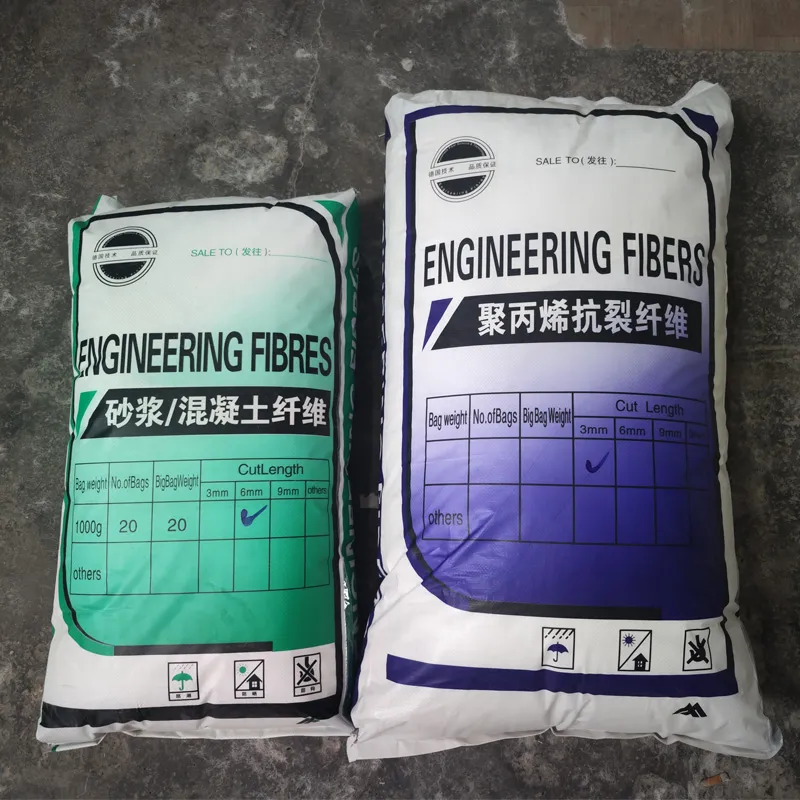
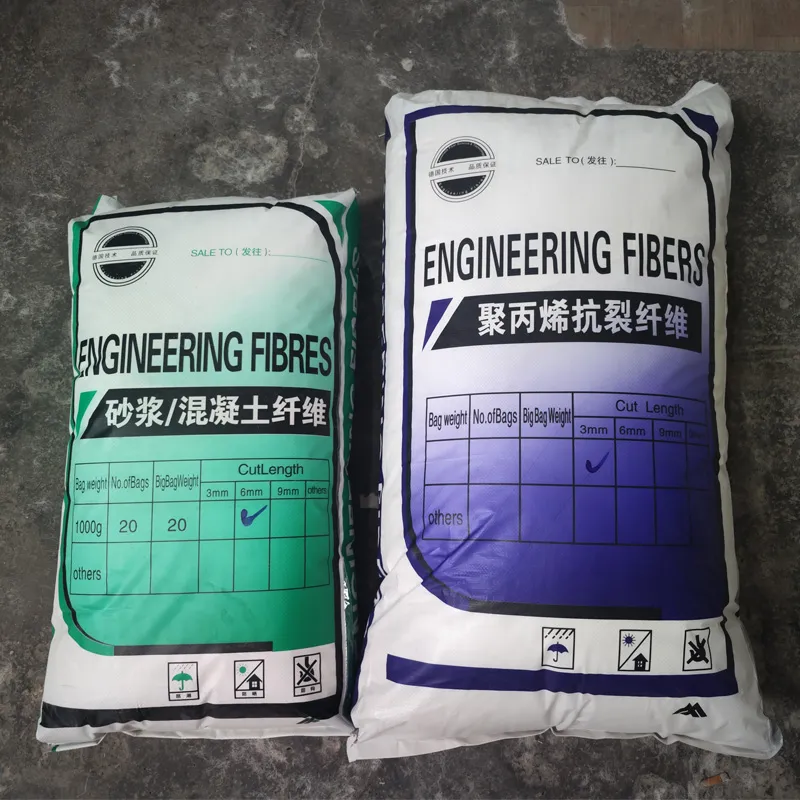
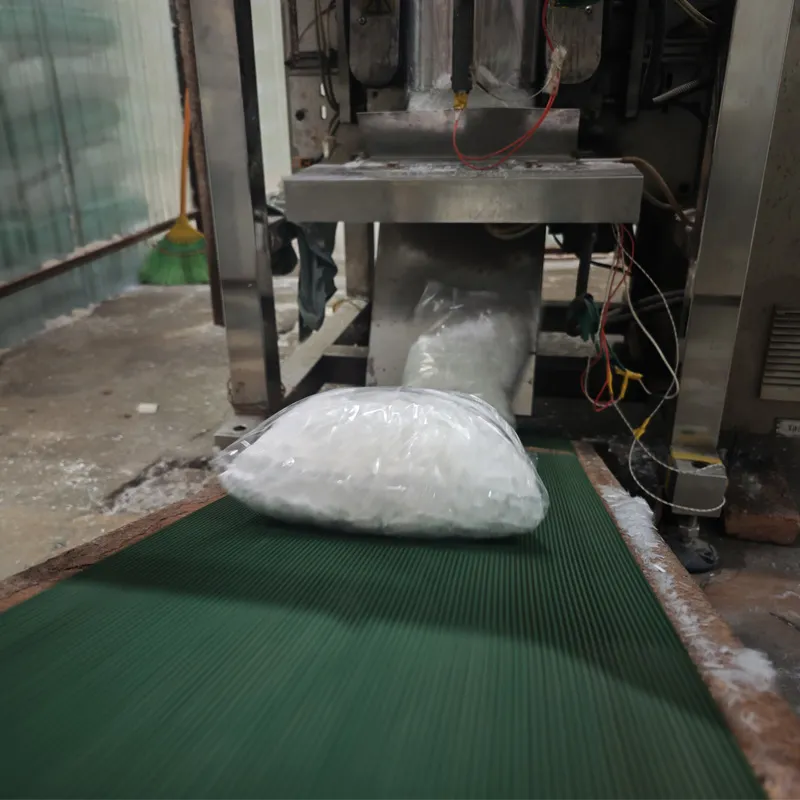
From Room 1320, Block C, Dongsheng Plaza, Chang'an District, Shijiazhuang, Hebei Province, YAGUAN ships Polypropylene Fiber with tailored length, denier, and packaging (water-soluble bags are popular). Tech sheets include mix design tips and on-site dispersion checks. Typical MOQs are flexible for trials, which helps.
A fast case study
Municipal sidewalk, North China: 120 mm slab, 30 MPa mix, 0.9 kg/m³ Polypropylene Fiber. Weather was windy; the control panel showed visible crazing within two hours, while the fibered panel had fine hairlines that never propagated. After 28 days, cores indicated comparable compressive strength and noticeably tighter surface—maintenance team signed off with zero patch orders.
Citations
- ASTM C1116/C1116M – Standard Specification for Fiber-Reinforced Concrete.
- EN 14889-2 – Fibres for concrete – Polymer fibres – Definitions, specifications and conformity.
- ACI 544.1R – Report on Fiber-Reinforced Concrete.
- ASTM C157/C157M – Length Change of Hardened Hydraulic-Cement Mortar and Concrete.
- ISO 9001:2015 – Quality Management Systems.