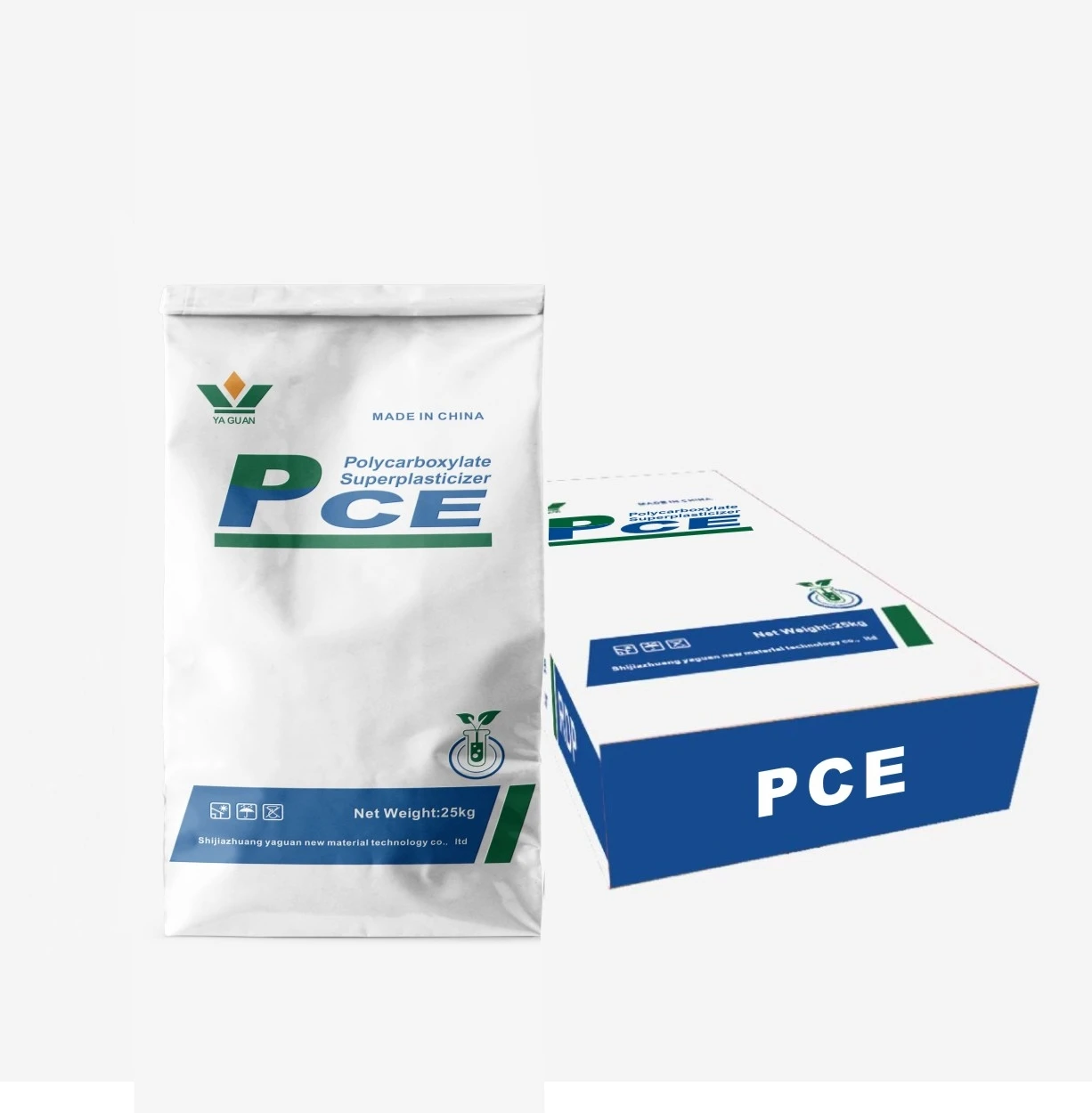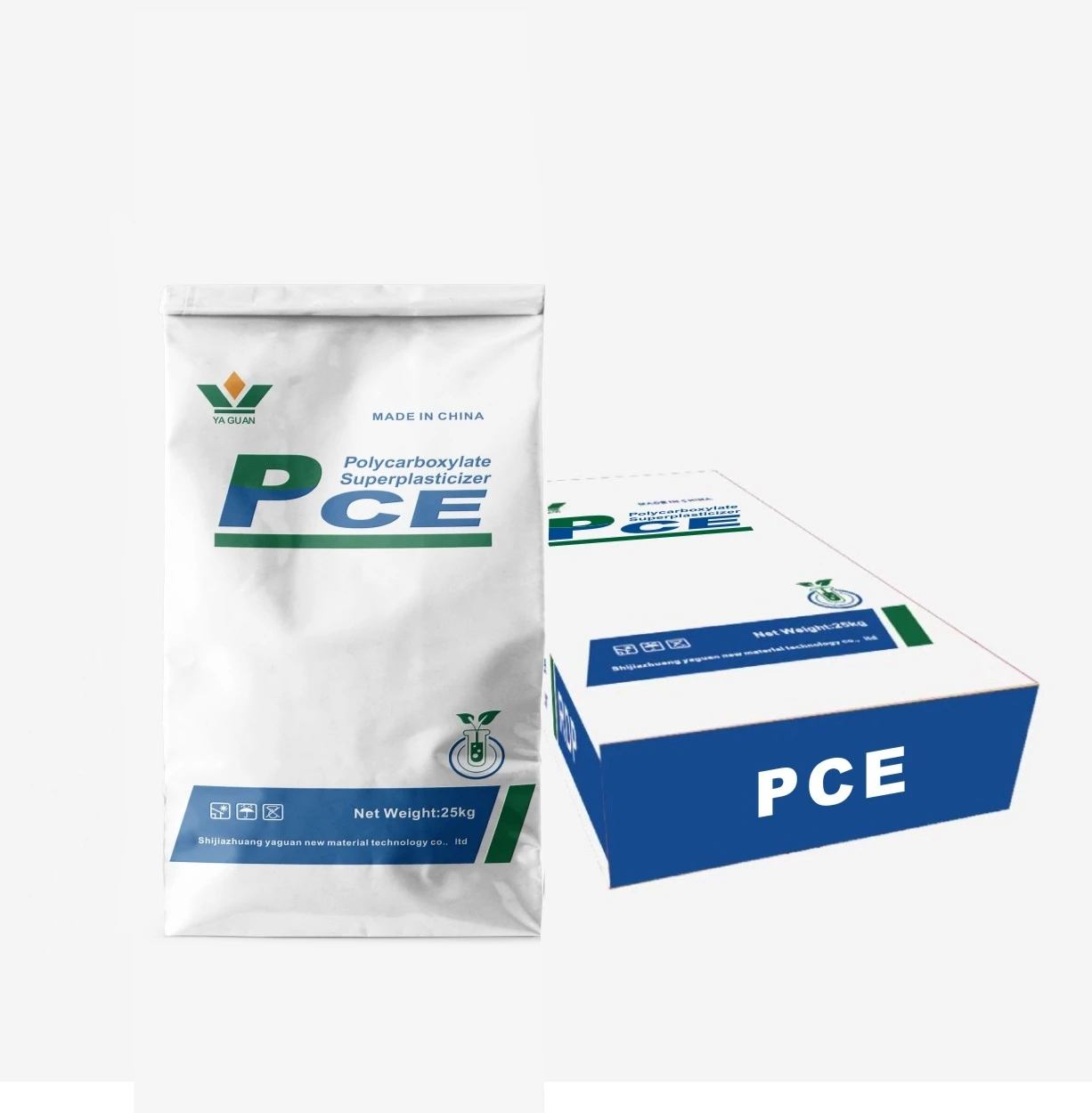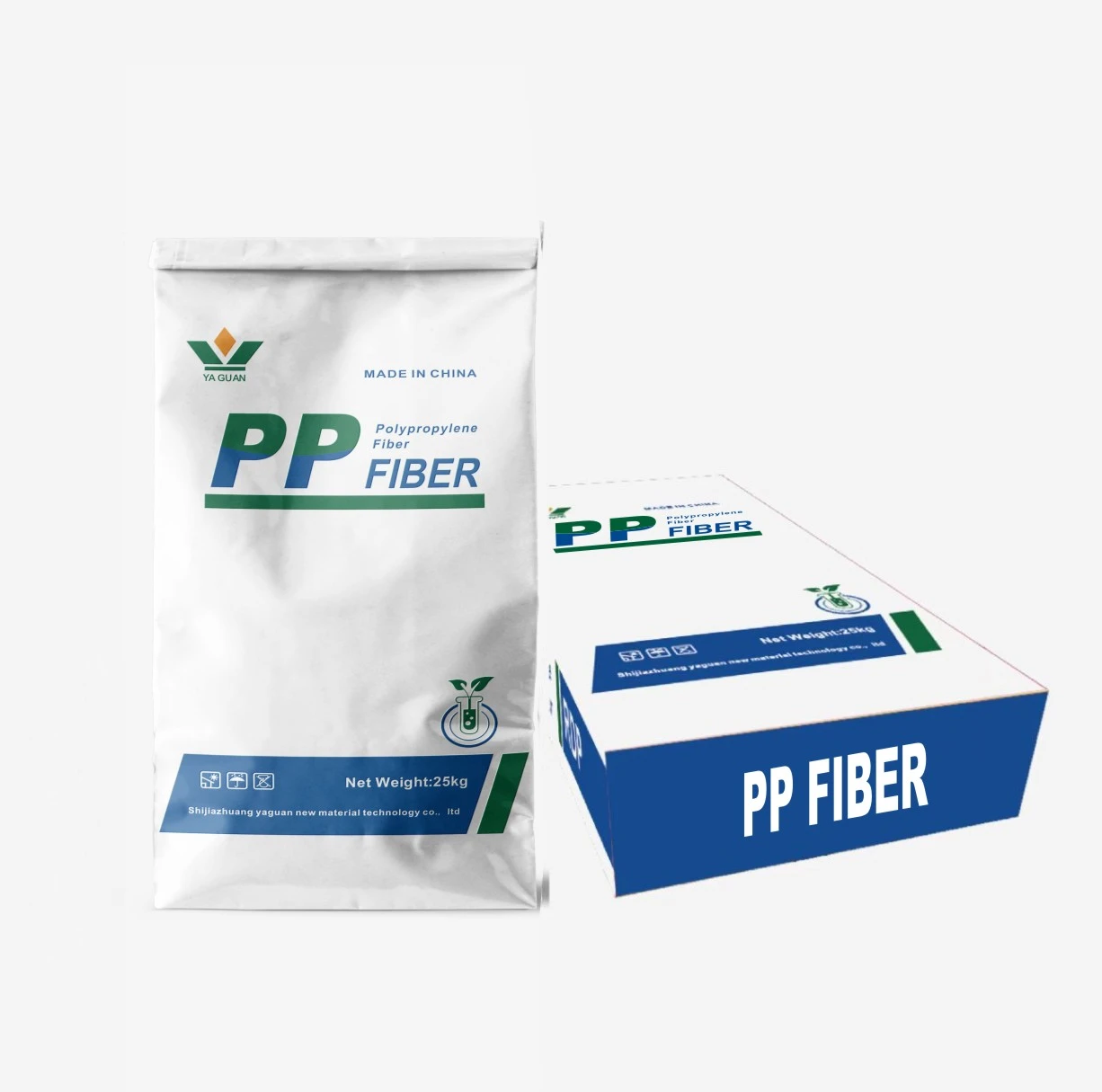

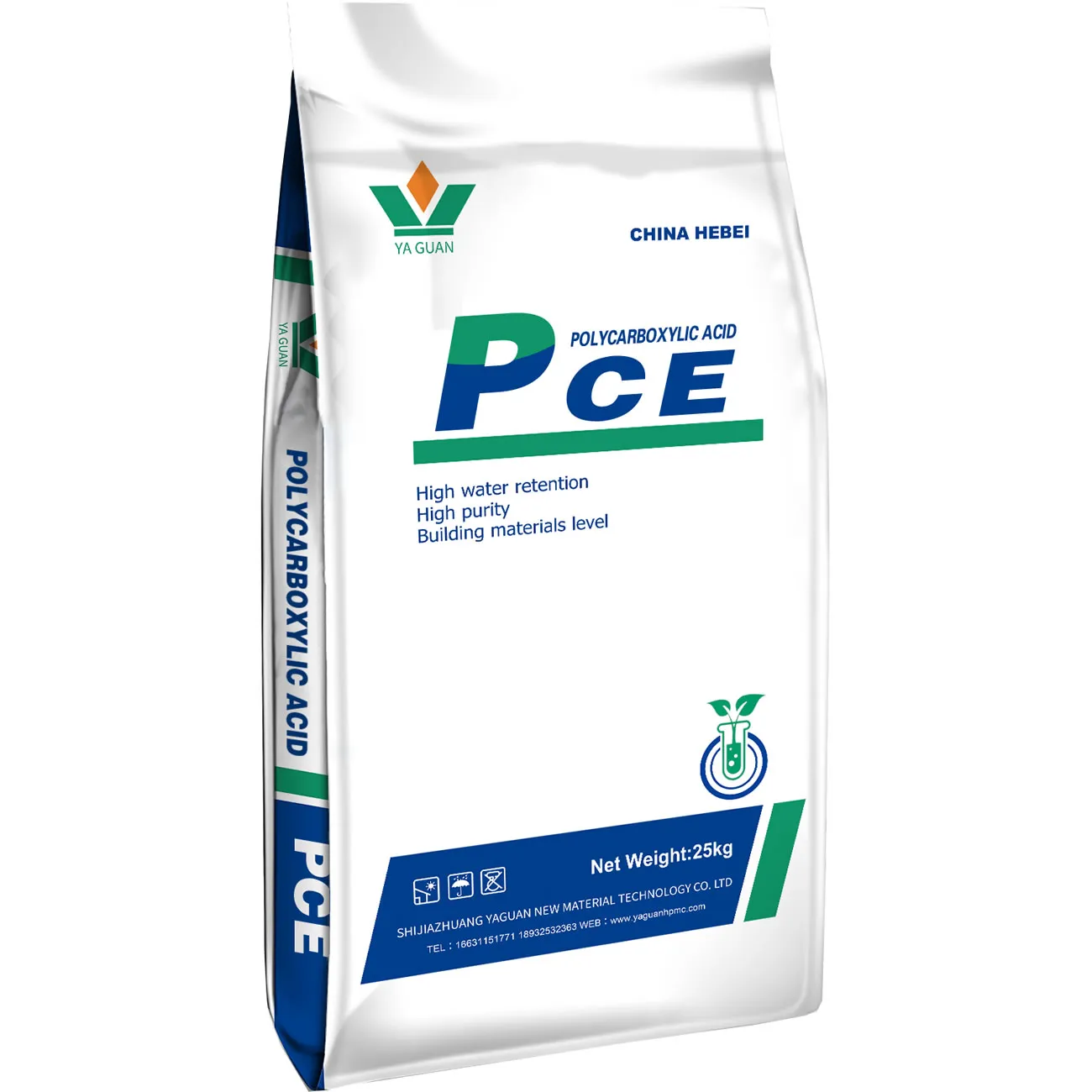
Hands-on with PC-733 Powder Polycarboxylate Water Reducing Agent: a dry superplasticizer that actually delivers
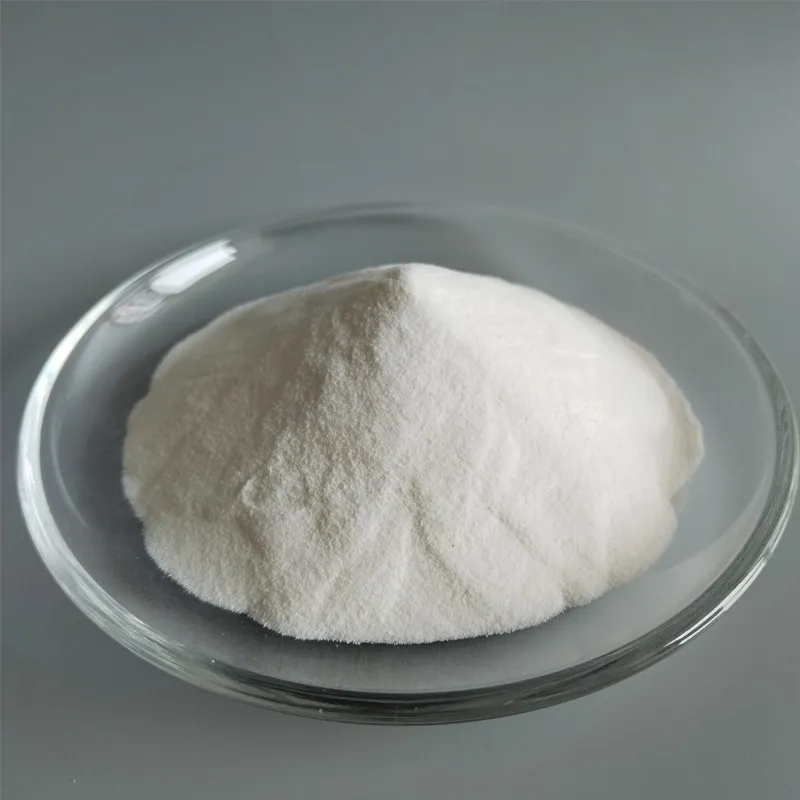
If you work around ready-mix plants or precast yards, you've probably felt the shift: more dry admixture formats, smarter polymers, fewer batching headaches. That’s where PC-733 Powder Polycarboxylate Water Reducing Agent has been turning heads. It’s a spray-dried, modified polyether polymer—ultra-high water reduction, neat packability, and surprisingly forgiving in the field. Origin: Room 1320, Block C, Dongsheng Plaza, Chang'an District, Shijiazhuang, Hebei Province. Small detail, big output.
Why the market cares (trend check)
Precast and dry-mix mortar producers want less water, more consistency, and clean dosing—without liquid logistics. In fact, powder PCEs are booming for UHPC, SCC, and bagged products. Many customers say they switched because storage and winter handling got simpler. To be honest, I didn’t expect slump retention to hold this well in hot weather.
Key specs at a glance
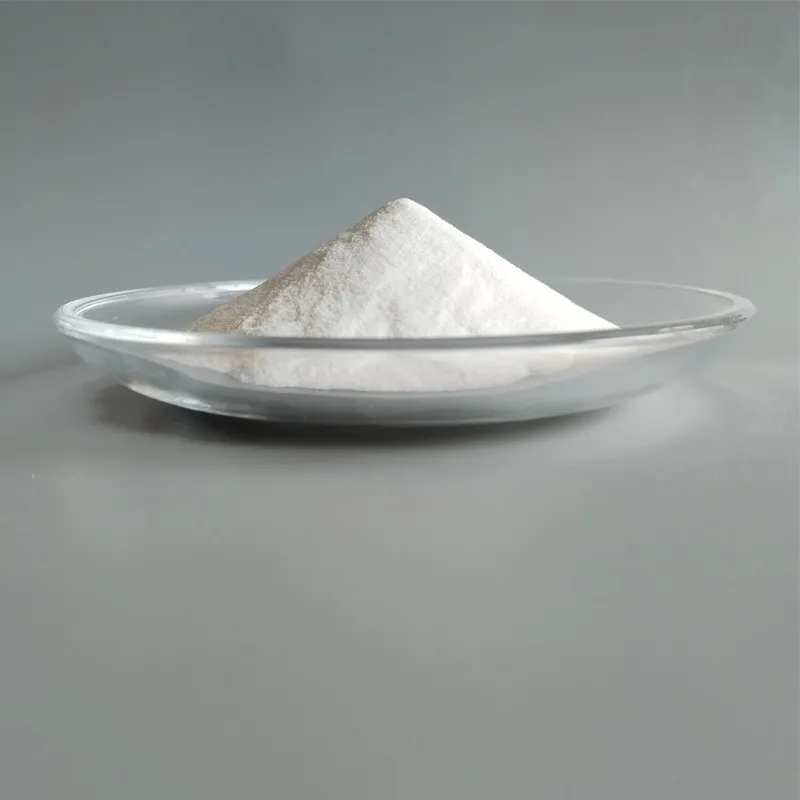
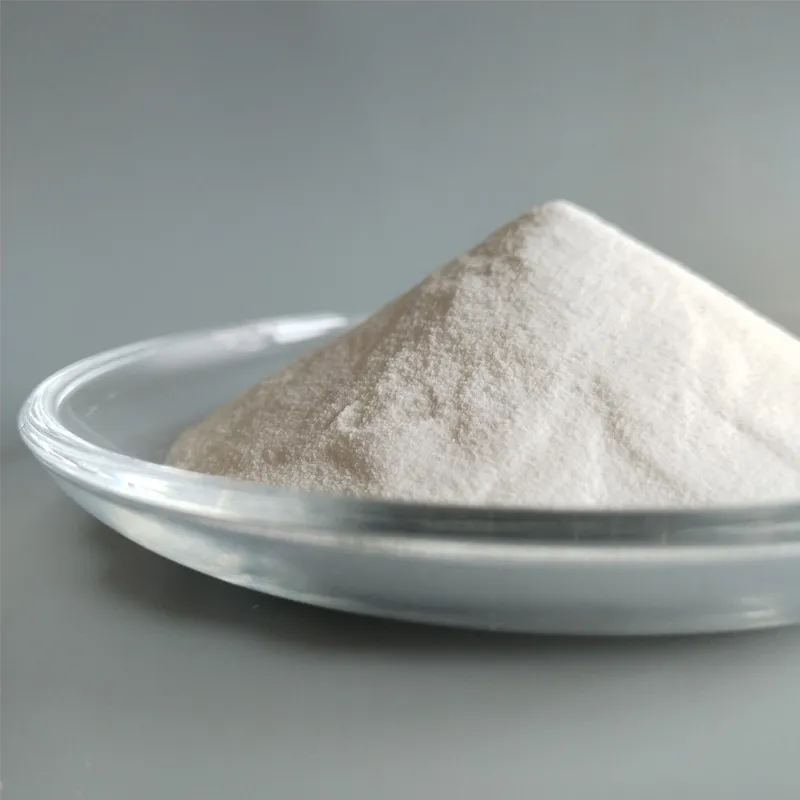
| Appearance | Free-flowing light-colored powder |
| Active content | ≈ 95% (real-world use may vary) |
| Moisture | ≤ 3% |
| Chloride ion | ≤ 0.05% |
| pH (20% sol.) | 6–8 |
| Bulk density | ≈ 500–650 kg/m³ |
| Water reduction | ≥ 25–35% per ASTM C494 Type F/G |
| Recommended dosage | 0.10–0.60% of binder, by weight |
| Shelf life | 12 months, dry and sealed |
How it’s made (quick process flow)
Materials: modified polyether macromonomers, acrylic monomers, chain transfer agents, deionized water, and a clean antifoam. Methods: controlled free-radical polymerization → molecular weight tuning → filtration → special spray-drying → anti-caking → sieving → packaging. QC testing: ASTM C494, EN 934-2, GB/T 8076 (slump, water reduction, setting, compressive strength, air). Service life impact: by lowering w/b ratio and permeability, PC-733 Powder Polycarboxylate Water Reducing Agent supports concrete durability toward 50–100-year designs (environment dependent).
Where it fits
SCC and UHPC; precast beams, pipes, sleepers; RMC in hot climates; dry-mix grout and repair mortars; industrial floors; tunnels & mining shotcrete (powder dosing is handy underground). Actually, it seems that blended cements (P, S, F) play nicely after a short lab tune-up.
Why users pick it
- Ultra-high water reduction with clean finish; fewer bugholes.
- Stable slump retention; less retempering drama.
- Powder format simplifies export and cold-weather storage.
- Low chloride, low alkali; steel-friendly.
- Good compatibility with fly ash and slag; I guess limestone cements need minor tweaks.
Vendor snapshot (fair comparison)
| Criteria | Yaguan PC-733 | Supplier A | Supplier B |
|---|---|---|---|
| Water reduction | ≈ 30%+ | ≈ 25–28% | ≈ 27–32% |
| Slump retention 60 min | Good–Very Good | Medium | Good |
| Chloride content | ≤ 0.05% | ≤ 0.10% | ≤ 0.05% |
| Customization support | Yes (retarding/retention) | Limited | Yes |
Customization and testing
Tailor molecular weight distribution and side-chain density for target slump retention (30–120 min). Blends available: accelerator, retarder, anti-foamer. Testing per ASTM C494 (Type F/G), EN 934-2, and GB/T 8076. Typical lab data: 28-day compressive +10–25% at equal slump vs. control; permeability down by ≈30%.
Field notes (mini case files)
PC-733 Powder Polycarboxylate Water Reducing Agent in a coastal precast plant: dosage 0.25% of binder produced SCC (650–700 mm flow) with water cut by ≈28%, and steam-curing strength up by ~15%. Highway deck pour in hot, dry weather: with 0.20% dosage and ice-water batching, slump loss stayed within 30 mm over 60 min—surprisingly calm for August.
What users say and compliance
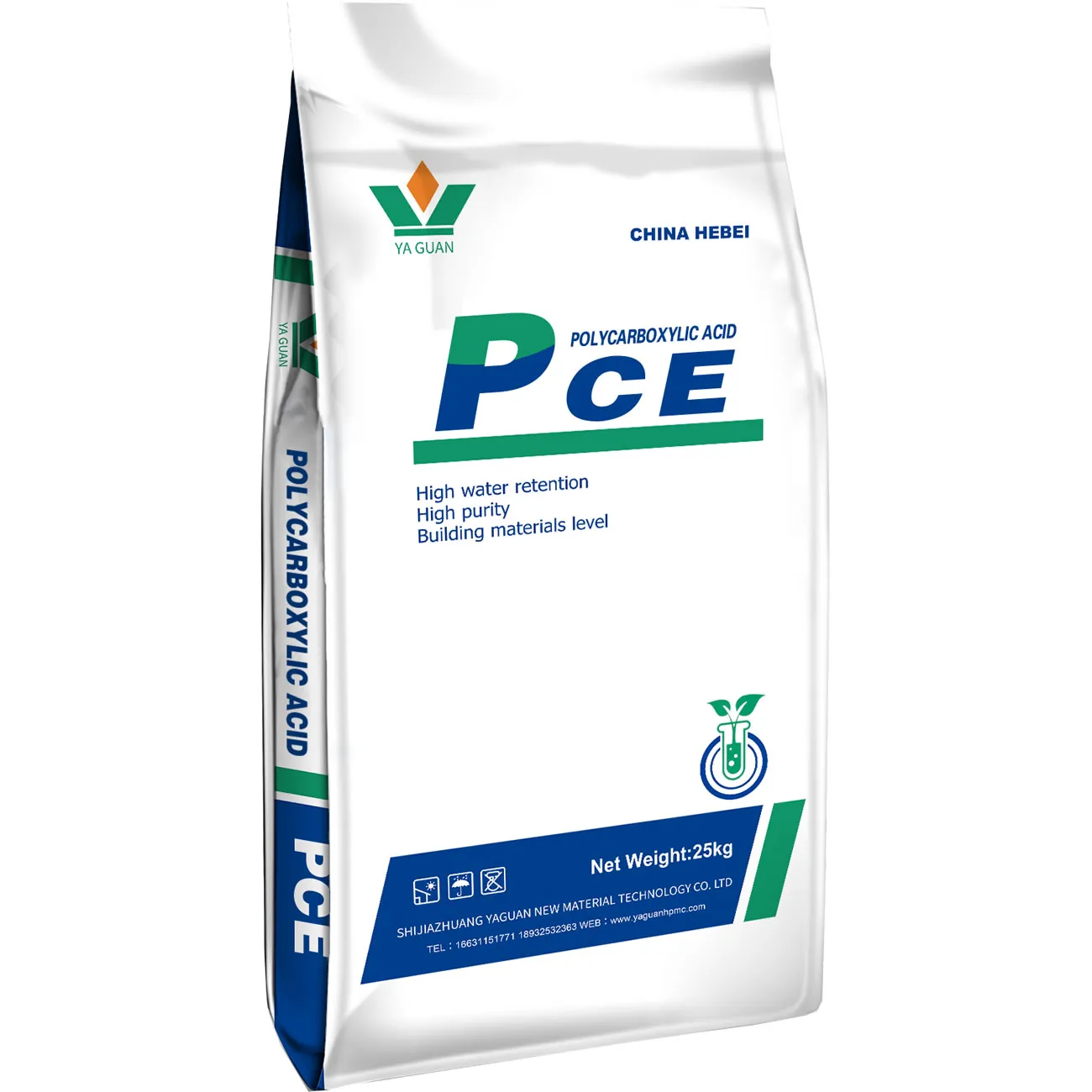
Feedback I keep hearing: “less variability,” “cleaner finish,” and “no more winter drums.” Certifications: ISO 9001 quality system; conformity with ASTM C494, EN 934-2, and GB/T 8076 benchmarks. Packaging: moisture-proof bags; keep sealed—powder loves dry rooms.
References
- ASTM C494/C494M: Standard Specification for Chemical Admixtures for Concrete.
- EN 934-2: Admixtures for concrete, mortar and grout – Concrete admixtures.
- GB/T 8076: Concrete Admixtures – National Standard of China.
- ACI 212.3R: Report on Chemical Admixtures for Concrete.