
Field Notes on Redispersible Polymer Powder(RDP): what’s actually working on site
I’ve been in and around dry-mix mortar labs and job sites long enough to know that polymer powders make or break adhesion. And, to be honest, the difference shows up most when things go wrong—water immersion, heat, or freeze–thaw. That’s where Redispersible Polymer Powder(RDP) earns its keep.
What it is (and why contractors care)
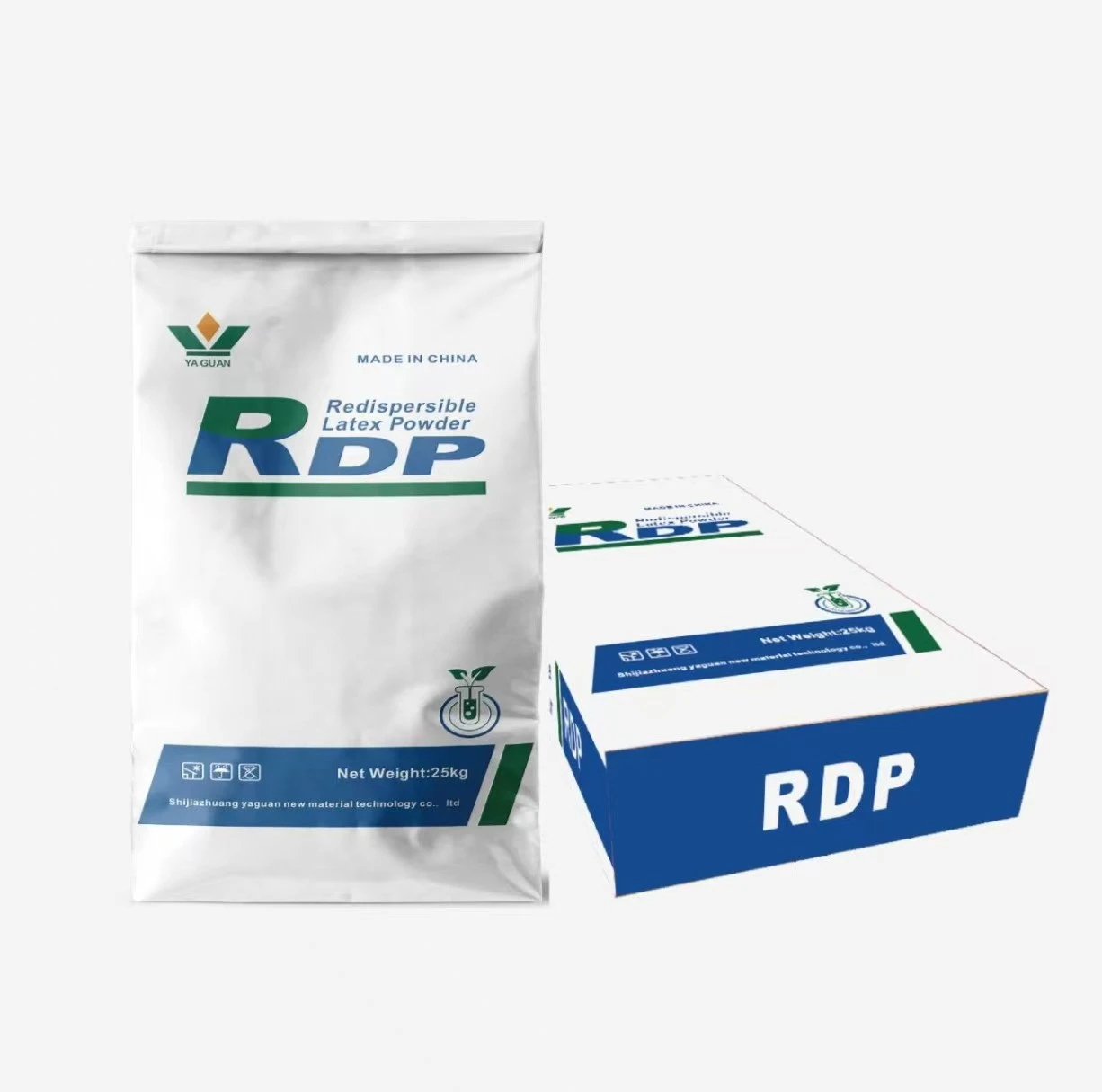
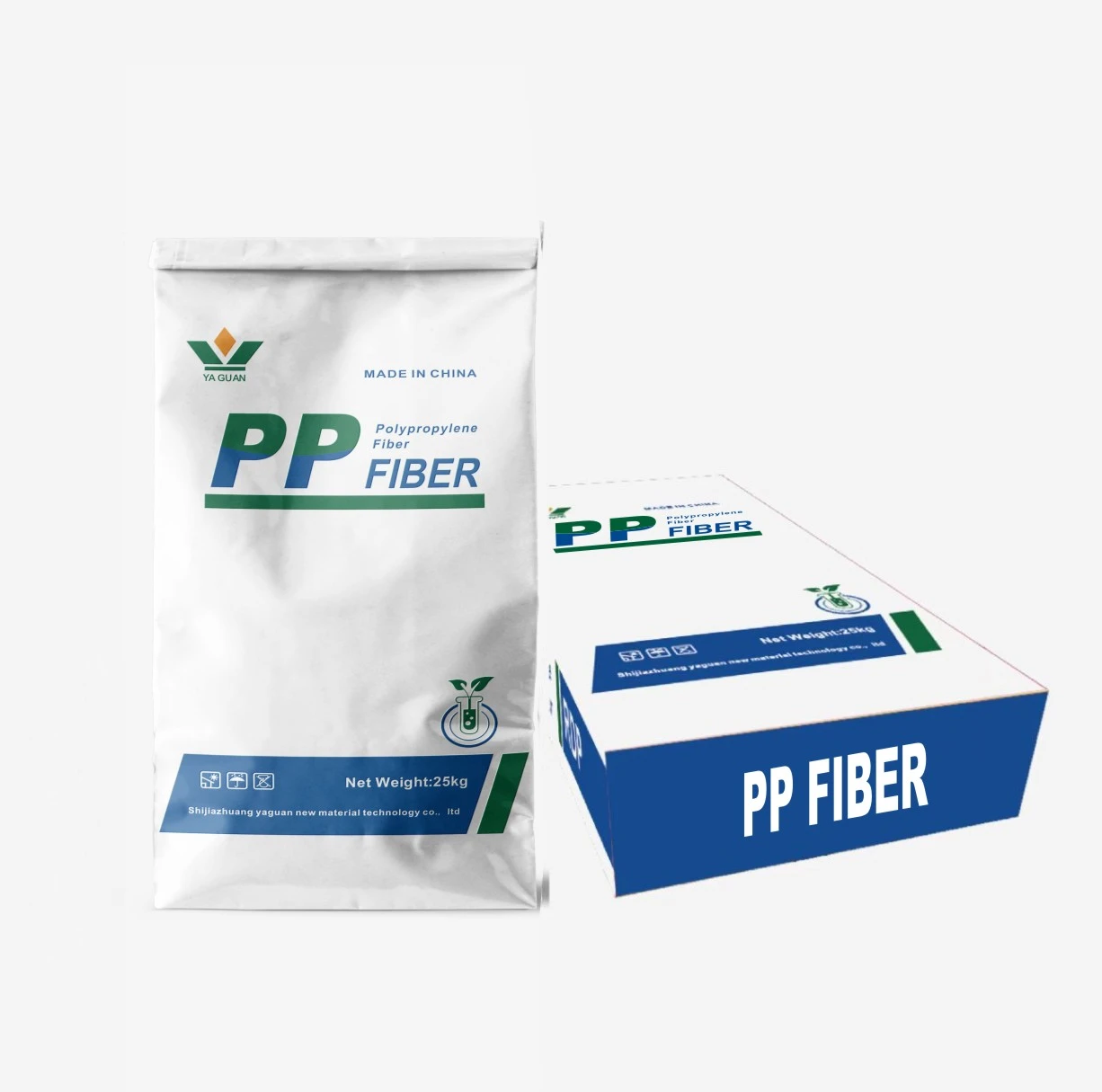
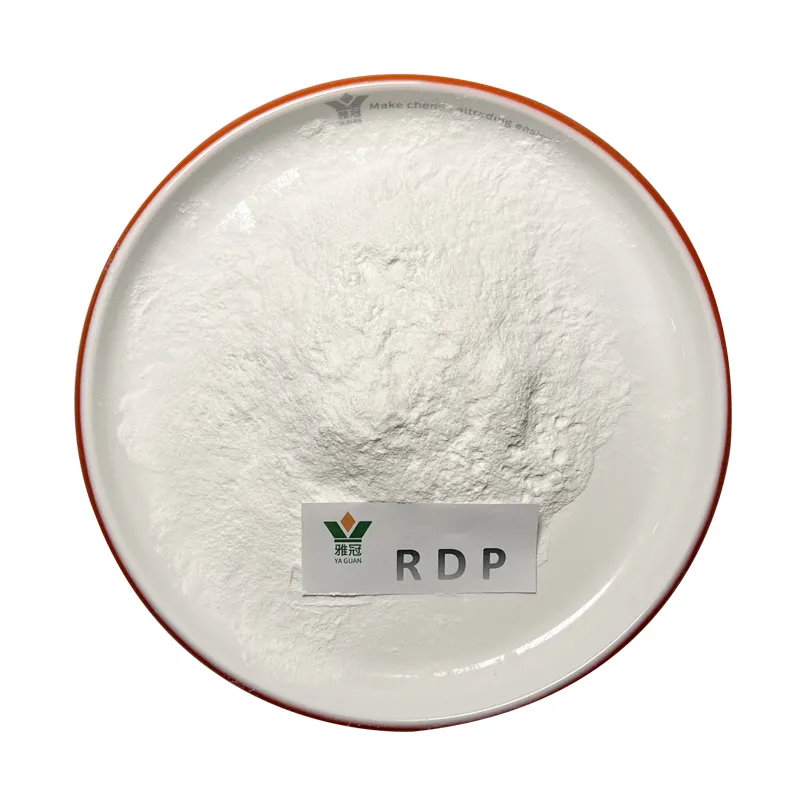
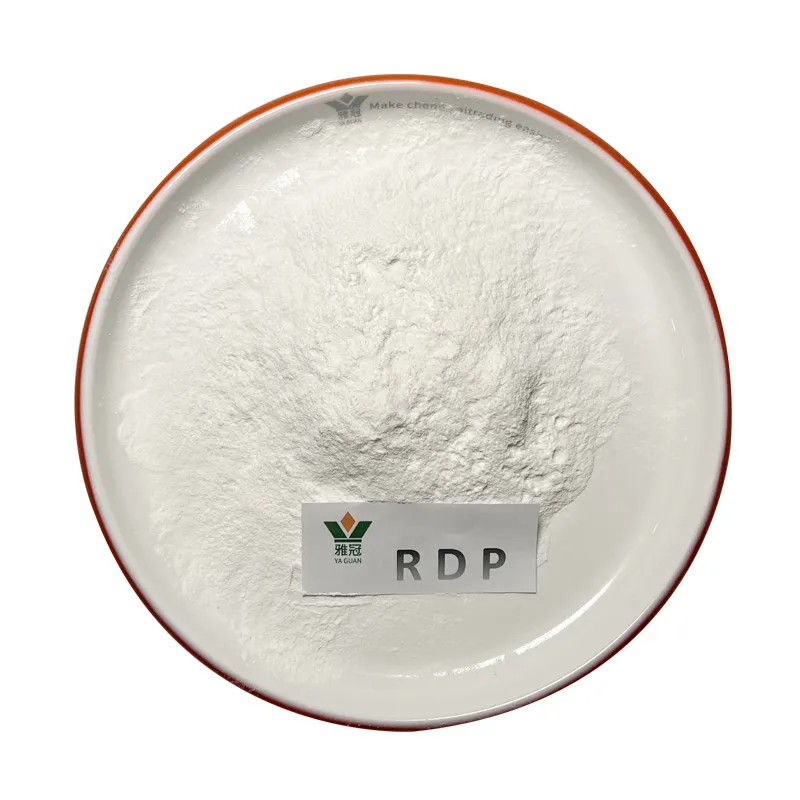
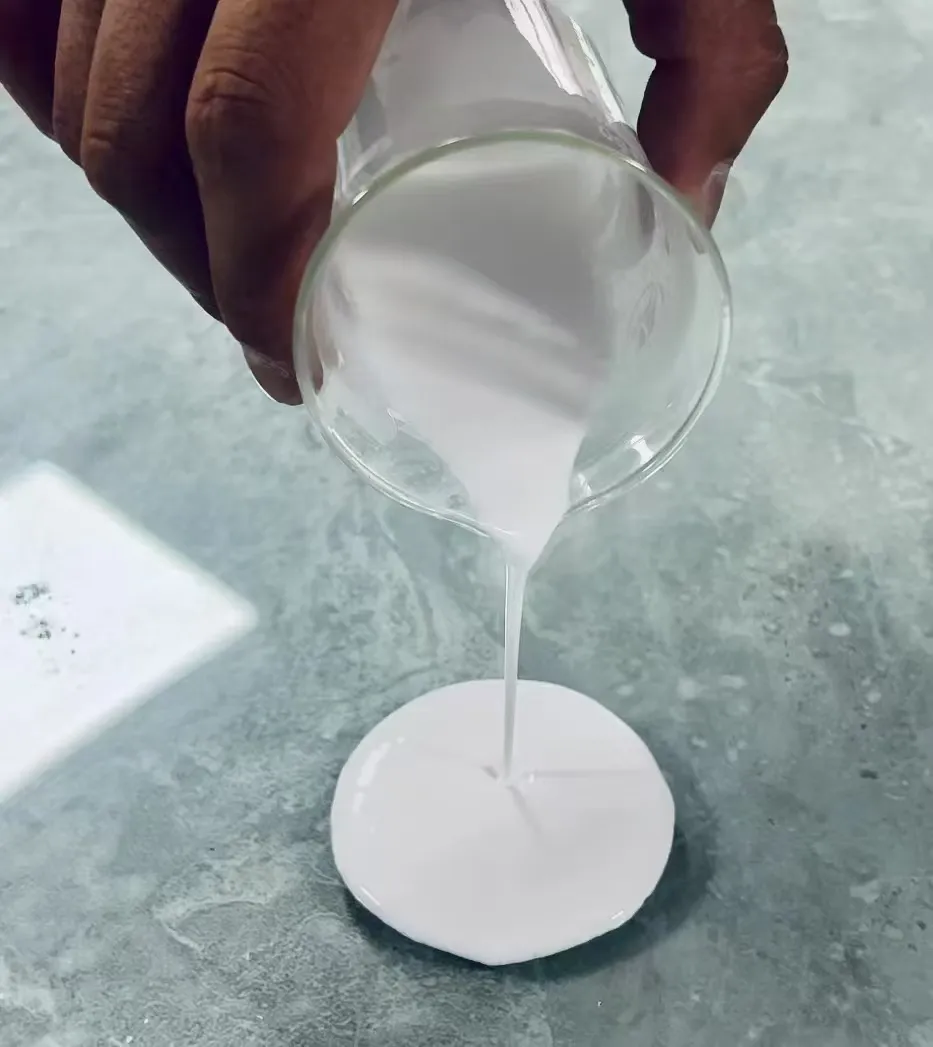
YAGUAN’s Redispersible Polymer Powder(RDP) is an EVA-based emulsion powder that disperses in water, adding flexibility, plasticity, and abrasion resistance to cementitious systems. In field mixes—tile adhesives, ETICS base coats, self-leveling—many customers say it “saves” marginal sands and keeps adhesion after soaking and heat. Origin: Room 1320, Block C, Dongsheng Plaza, Chang'an District, Shijiazhuang, Hebei Province.
Quick spec snapshot
| Base polymer | EVA (ethylene-vinyl acetate) |
| Appearance | Free-flowing white powder |
| Tg / MFFT | ≈ −7 to +5 °C / around 0–5 °C (real-world use may vary) |
| Bulk density | ≈ 0.40–0.60 g/cm³ |
| Residual moisture | ≤ 1.5% (EN ISO 12570) |
| Ash content (1000 °C) | ≈ 10–14% |
| pH (50% dispersion) | 5.0–8.0 |
| Recommended dosage | 1–6% on cement binder; waterproofing up to ≈ 10–12% |
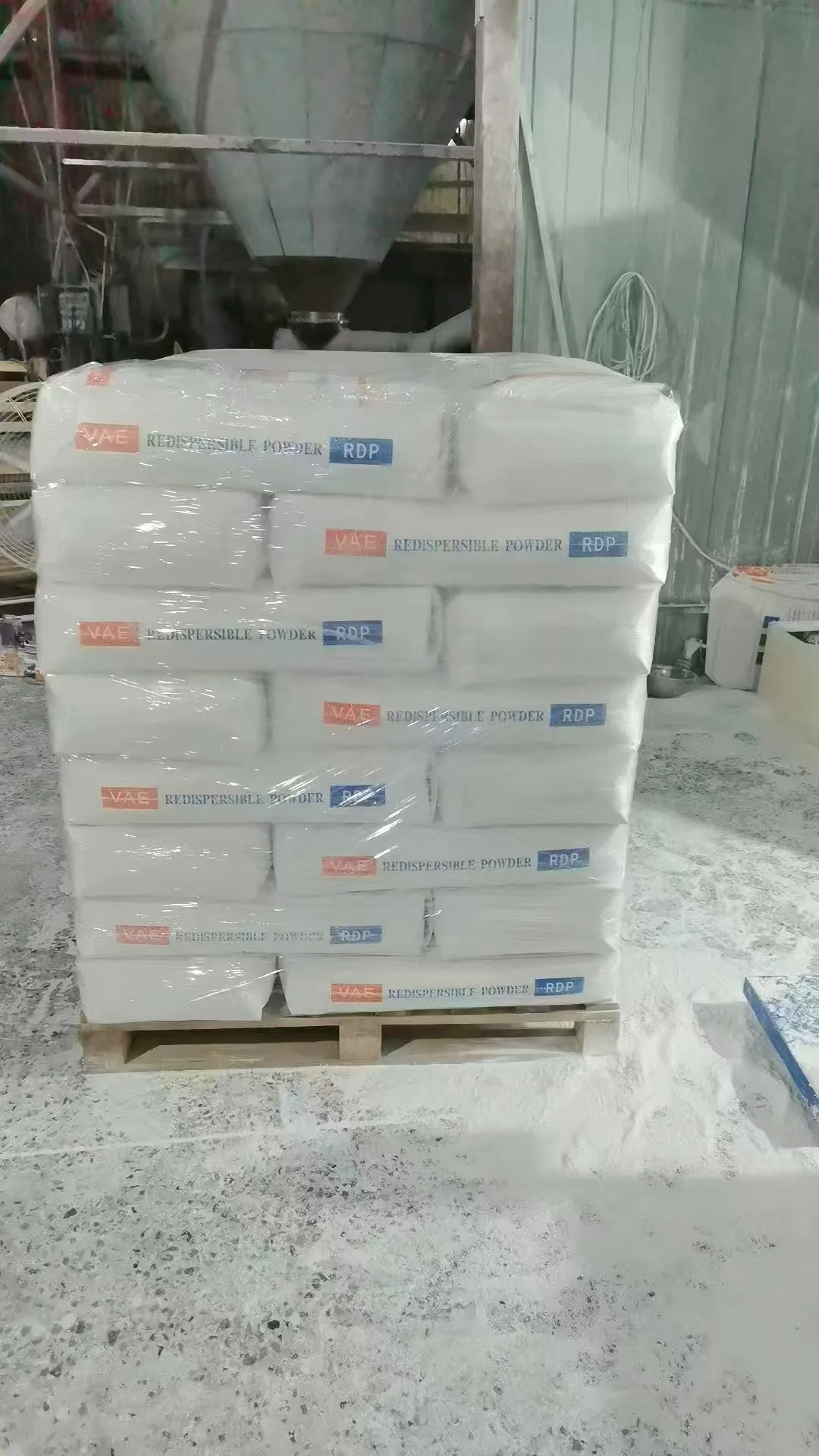
| Shelf life | 12 months, cool and dry |
Process flow and testing (the unglamorous part that matters)
Materials: EVA emulsion + protective colloid (often PVA) + anti-caking agents. Method: controlled spray-drying → sieving → PE-lined bag packaging. Typical QA: particle size and moisture; redispersion check; tensile adhesion in cement mortars per EN 12004-2; pull-off adhesion per ASTM C1583/ISO 4624; flexural/compressive per EN 196-1; freeze–thaw per ETAG 004 methods for ETICS. Service life? In well-designed systems, polymer-modified mortars routinely exceed 20–25 years, assuming proper detailing and exposure class.
Application scenarios and target industries
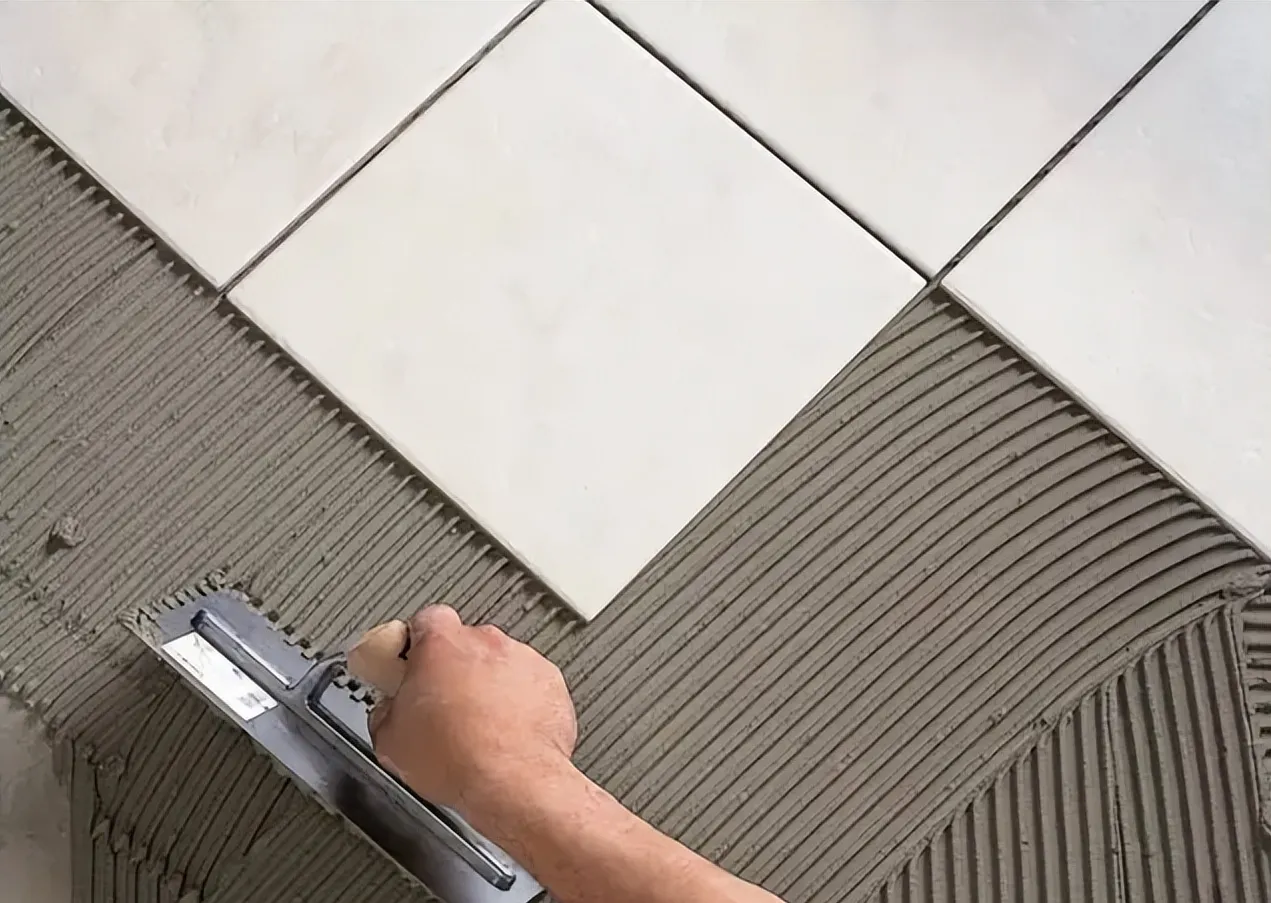
- Tile adhesives and grouts (C2/CT, S1 deformability checks).
- ETICS/EIFS base coats and adhesives for EPS/XPS/mineral wool.
- Self-leveling underlayments (cement or gypsum), skim coats, plasters.
- Waterproof slurries, repair mortars, masonry and AAC block adhesives.
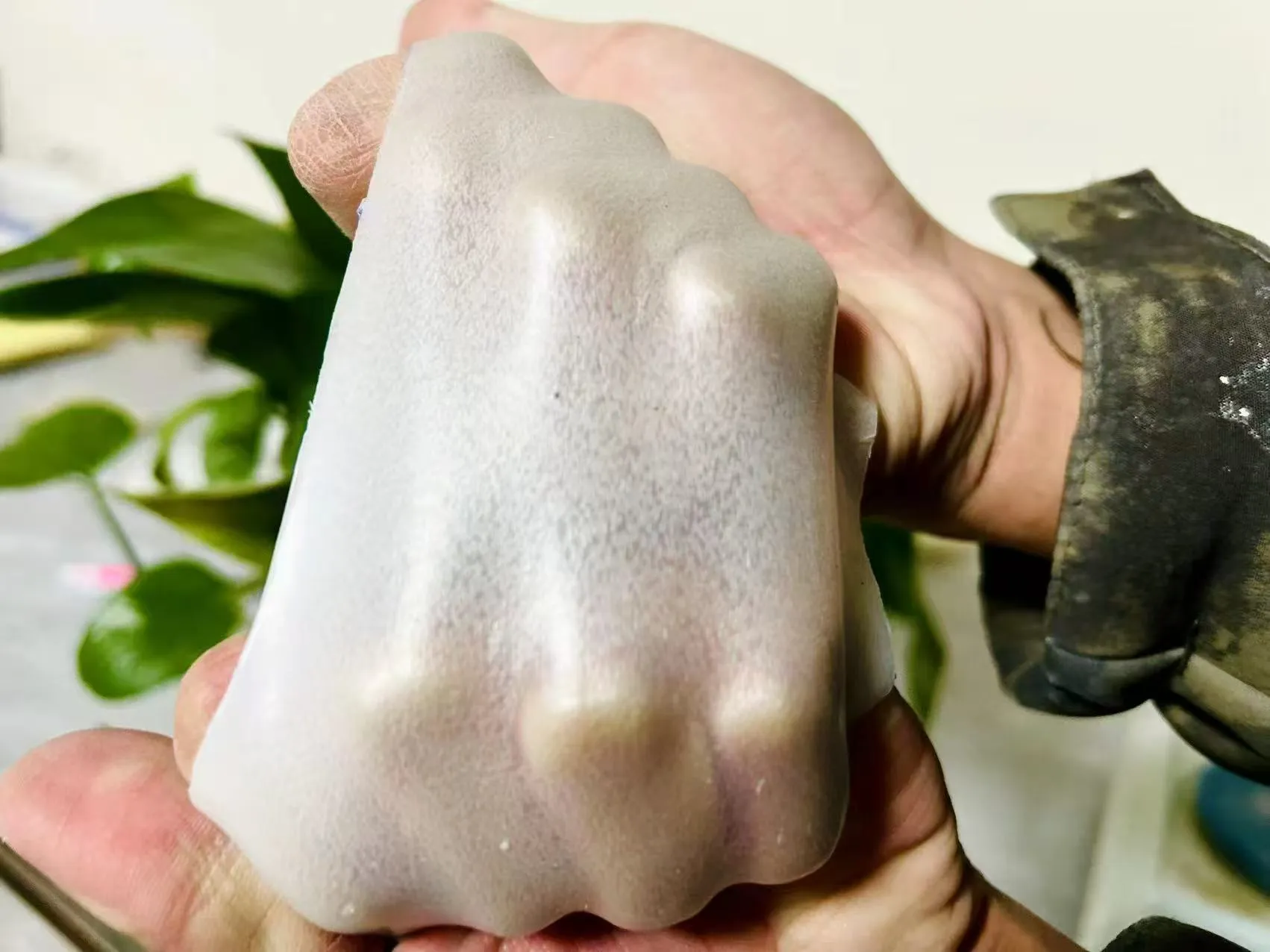
Advantages users report: better wet adhesion, longer open time, reduced cracking, crack-bridging on hairlines, and surprisingly good workability even with lean sand curves. It seems that Redispersible Polymer Powder(RDP) especially shines in hot, windy jobs where open time is king.
Real-world case notes
- Southeast Asia high-rise, C2TE tile adhesive: tensile adhesion 1.6 MPa (dry), 1.2 MPa (water immersion), open time ≥ 30 min; slip ≈ 0.2 mm—above EN 12004-2 thresholds.
- EU warehouse self-leveling: flow spread +10% vs control; surface dusting eliminated; shrinkage cracks reduced ≈ 40% (ASTM C157 trend).
- Cold-region ETICS base coat: after 50 freeze–thaw cycles, pull-off ≈ 1.2 MPa on EPS, no debonding at interface.
Feedback is candid: “Forgiving with site water swings,” one foreman told me. Another pointed out the abrasion resistance on corridor floors “felt tougher the next day.”
Customization, certifications, and compliance
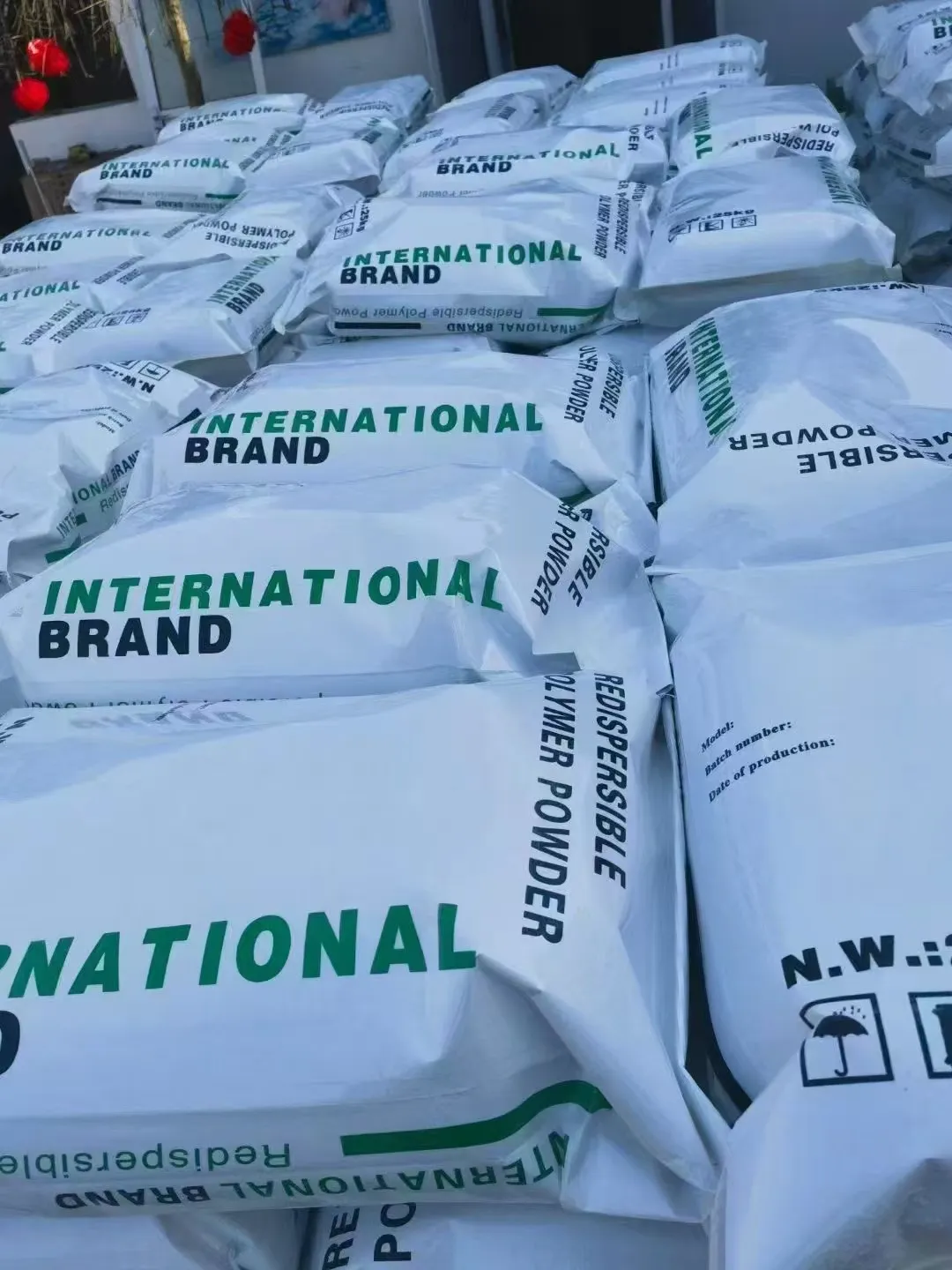
YAGUAN offers tuned grades of Redispersible Polymer Powder(RDP) for deformability (S1), water resistance, and slip resistance. Typical documentation: ISO 9001/14001, VOC statements, and REACH-compliant declarations (SVHC screening). Third-party test reports can be provided against EN 12004, EN 998-1/2, and ETAG 004 where applicable.
Vendor snapshot (what buyers compare)
| Vendor | Customization | Support | Certs | Lead time |
|---|---|---|---|---|
| YAGUAN | EVA grades; Tg/MFFT tuning; anti-slip/open-time packages | Formulation help, on-site trials | ISO 9001/14001; REACH statements | ≈ 2–4 weeks (region-dependent) |
| Competitor A (importer) | Limited stock grades | Email-only | Basic CoA | Around 4–6 weeks |
| Competitor B (EU brand) | Broad portfolio | Strong lab network | Extensive EU compliance | ≈ 3–5 weeks |
How to use (field-proven notes)
- Dry blend cement + mineral fillers + cellulose ether, then add Redispersible Polymer Powder(RDP) and anti-slip agents.
- Target dosages: tile adhesives 2–4%; ETICS base coats 3–6%; self-leveling 0.5–1.5%; waterproof slurries up to ≈ 10%.
- Water addition: start low, mix 3–5 minutes, rest, then re-mix—open time and slip improve noticeably.
Note from the lab bench: YAGUAN describes its RDP as highly flexible with strong plasticity and abrasion resistance, aimed at increasing adhesion and improving mechanical performance in polymer-cement mortars—exactly what field tests above reflect.
Standards and references
- EN 12004-2:2017 Ceramic tile adhesives—Test methods.
- ASTM C1583/C1583M Pull-Off Strength of Concrete Surface Repairs.
- ISO 4624 Paints and varnishes—Pull-off test (applied to mortars in practice).
- EN 196-1 Methods of testing cement—Strength tests.
- ETAG 004 (EOTA) ETICS Guidelines—Freeze–thaw and system performance.
- EN 998-1/2 Specifications for mortar for masonry (rendering and masonry mortars).