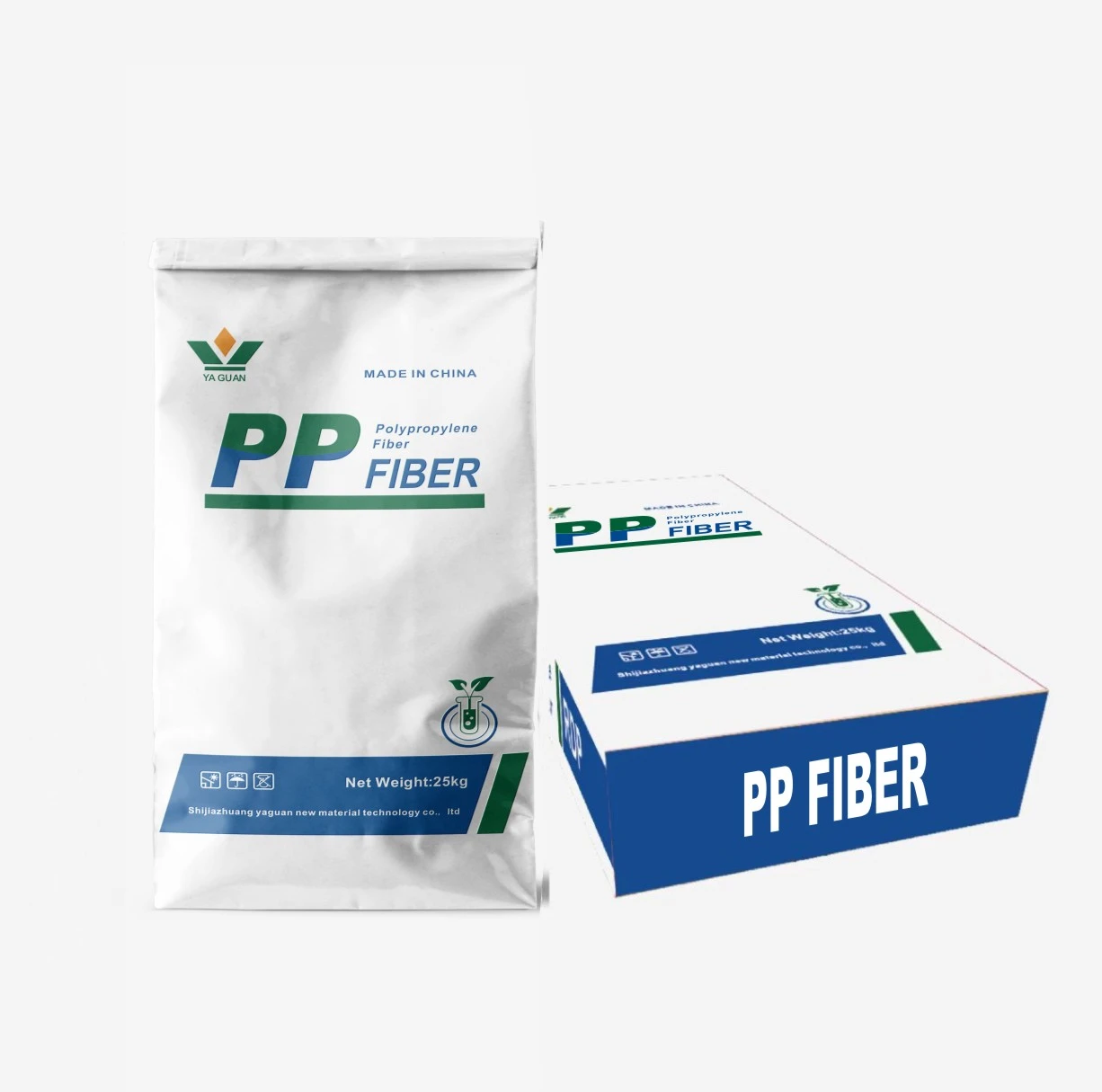

Understanding Monofilament Fiber for Concrete: Why It Matters Globally
Concrete is everywhere. From skyscrapers cradling city skylines to bridges stretching across rivers, it’s the most widely used construction material on Earth. But if you’ve ever noticed cracks slicing through sidewalks or walls in older buildings, you’re looking at concrete’s Achilles’ heel: brittleness. Enter monofilament fiber for concrete, a game changer in strengthening this essential material. It’s a tiny, yet mighty addition that improves toughness, reduces shrinkage cracks, and ultimately extends the lifespan of concrete structures worldwide. For engineers, architects, and humanitarian agencies alike, understanding this innovation is key to safer, more sustainable infrastructure.
Why Is Monofilament Fiber for Concrete So Important Globally?
Consider this: The United Nations estimates that by 2050, nearly 70% of the world’s population will live in urban areas. That means mass infrastructure building — not just in well-established cities but also in rapidly developing regions with challenging conditions. Data from the World Bank indicates infrastructure investment needs of trillions annually to keep pace, much of it involving concrete structures.
Yet, traditional concrete suffers from cracking due to shrinkage, temperature fluctuations, and mechanical stress. Cracks might sound minor, but they compromise safety, accelerate corrosion of reinforcements, and trigger expensive repairs. Monofilament fibers for concrete act as micro-reinforcements that help prevent these micro-cracks before they spread — an approach that’s crucial in regions facing natural disasters or harsh climates.
Oddly enough, though, many projects still skip adding fibers due to unfamiliarity or upfront costs. As sustainability and durability take center stage worldwide, adopting these fibers isn’t just smart — it’s increasingly necessary.
What Exactly is Monofilament Fiber for Concrete?
Simply put, monofilament fiber is a single, continuous synthetic strand — typically made of polypropylene — embedded into concrete mixes. Picture a tiny fishing line woven invisibly through the concrete matrix, helping it behave more like a flexible fabric rather than a brittle slab.
Unlike bundled fibers or irregular chopped strands, monofilament fibers are uniform in diameter and length, providing consistent performance. They bridge tiny cracks as they form, reducing crack width and improving impact resistance. This innovation answers a practical need for modern construction and humanitarian relief alike, where robust, quick-setting yet durable concrete is vital.
Benefits at a Glance
- Controls plastic shrinkage cracking
- Improves durability and longevity
- Enhances impact and abrasion resistance
- Maintains lightweight and workability
Core Factors That Make Monofilament Fiber Essential
Durability and Crack Control
Cracks don’t just look ugly—they let moisture in, weakening reinforcement bars and concrete itself. Monofilament fibers distribute micro-tensile stress evenly, preventing cracks from growing. Many engineers mention how this extends the life of floors, slabs, tunnels, and more.
Workability and Pumpability
Because monofilament fibers are uniform and fine, they mix smoothly without clogging pumps or complicating placement. That makes them ideal for projects requiring fast delivery or complex forms.
Cost Efficiency Over Lifecycle
The upfront fiber cost may add a few dollars per cubic meter, but the reduction in cracks cuts long-term repair and maintenance expenses significantly. Client case studies from industrial facilities highlight a surprising ROI when factoring in downtime avoidance.
Sustainability and Environmental Impact
These fibers contribute to durability, reducing the need for replacement or large repairs—and thus less material waste. Some suppliers even produce polypropylene fibers from recycled plastics, further lowering carbon footprints.
Compliance and Standardization
Global standards—from ASTM to ISO—are increasingly recognizing fiber-reinforced concrete in construction codes. This paves the way for broader adoption, yet still requires project designers to familiarize themselves with fiber types and dosages.
Real-World Uses of Monofilament Fibers in Concrete
From highways battered by winter freeze-thaw cycles in Canada to flood-resistant dams in Southeast Asia, monofilament fiber has found a vital role. Here are some typical use cases:
- Post-disaster recovery: Rapidly poured concrete shelters reinforced with fibers resist cracking despite rushed construction.
- Industrial flooring: Warehouses and factories benefit from superior abrasion resistance and durability.
- Bridge decks and tunnels: Added toughness helps endure heavy traffic and environmental stress.
- Remote regions: Where maintenance is tough, fiber-reinforced concrete cuts down on costly repairs.
One interesting example is remote mining operations in Australia where fiber-reinforced slabs significantly reduced downtime due to cracking — saving thousands in operational costs.
Advantages and Long-Term Value
Think beyond just concrete strength. Using monofilament fiber in concrete brings a mix of practical, emotional, and social benefits:
- Safety: Cracks widening unevenly bring risks of structural failure. Fiber control means greater reliability.
- Cost savings: Fewer repairs mean funds are freed up for innovation or expansion.
- Sustainability: Extending structural lifespan helps conserve materials and energy.
- Trust and innovation: Clients appreciate visible investments in quality; it’s a mark of professionalism.
- Dignity: Safer shelters and buildings offer occupants peace of mind in vulnerable situations.
All these add up — it’s more than just fiber in concrete; it’s smarter construction supporting modern life.
Looking to the Future: Trends and Innovations
Just as concrete itself evolves, so do fibers. Trends on the horizon include:
- Green fibers: Bio-based or recycled materials replacing conventional polypropylene.
- Smart fibers: Embedded sensors detecting stress and reporting structural health in real-time.
- Advanced mixing tech: Automation and digital batching optimizing fiber dispersion.
- Hybrid reinforcement: Combining fibers with mesh or rebar for tailored performance.
These trends align with worldwide pushes for sustainability and digital transformation — sort of like fibers meet Industry 4.0.
Challenges and How Industry Tackles Them
Nothing’s perfect. Some common hurdles with monofilament fiber for concrete include:
- Proper dispersion: Fibers can clump if mixing isn’t thorough, weakening benefits.
- Dosage errors: Too little or too much fiber alters workability or performance.
- Cost concerns: Some projects hesitate on upfront investment despite long-term gains.
Innovation is addressing these through better mixing equipment, supplier support for training, and ongoing research to optimize formulations. Plus, engineers are developing standards for fiber use in new construction types — closing the gap between skepticism and accepted practice.
Product Specifications of Typical Monofilament Fiber for Concrete
| Specification | Typical Value |
|---|---|
| Material | Polypropylene |
| Length | 6 mm to 18 mm |
| Diameter | 20 to 40 microns |
| Density | 0.91 g/cm³ |
| Melting Point | 160–170 °C |
| Typical Dosage | 0.9 to 2.0 kg/m³ |
Comparing Leading Vendors of Monofilament Fiber for Concrete
| Vendor | Fiber Length Options | Eco-Friendly Options | Typical Applications | Notes |
|---|---|---|---|---|
| FiberTech Inc. | 6, 12, 18 mm | Limited recycled polypropylene | Industrial floors, slabs | Strong customer support |
| GreenFibers Ltd. | 12, 18 mm | Yes, bio-based fibers | Sustainable housing, tunnels | R&D leader in eco products |
| ConcreteRein Solutions | 6 mm only | No | Fast-set concretes, repairs | Cost effective, volume discounts |
Frequently Asked Questions About Monofilament Fiber for Concrete
What is the typical lifespan improvement when using monofilament fiber?
While results vary depending on application, many studies show that monofilament fibers can extend concrete lifespan by up to 30% by reducing crack-related deterioration. This assumes proper dosage and mixing as per standards.
Can monofilament fiber be used in all types of concrete mixes?
Generally yes. These fibers are compatible with most concrete types, including self-compacting, fast-setting, and shotcrete mixes. However, mix designs may need minor adjustments to maintain workability.
How does fiber dosage affect concrete properties?
Dosage typically ranges between 0.9 and 2.0 kg/m³. Too little fiber offers limited crack control; too much can reduce workability. It’s best to consult with suppliers or engineers to find optimal levels for specific projects.
Is monofilament fiber environmentally friendly?
Traditional polypropylene fibers aren't biodegradable, but many manufacturers increasingly offer recycled or bio-based fibers. Plus, by enhancing concrete durability and reducing repair frequency, they indirectly support sustainability.
Where can I learn more or purchase monofilament fiber for concrete?
We recommend visiting specialist suppliers like monofilament fiber for concrete sources who offer technical advice and samples tailored to your project needs.
Wrapping It Up: Why Invest in Monofilament Fiber for Concrete?
Here’s the bottom line: Adding monofilament fiber into your concrete mix isn’t just a technical tweak. It’s a strategic move that ensures safer, more durable infrastructures capable of standing up to today’s environmental and social challenges. Whether you’re working on a sprawling urban development or emergency shelters in disaster zones, these tiny fibers pack a massive punch.
Curious? Interested in seeing how fiber-reinforced concrete could solve your project headaches? Don’t hesitate to explore more practical details and supplier options via monofilament fiber for concrete — your journey to smarter concrete starts now.
Summary Takeaways
- Monofilament fibers prevent early cracking, improving concrete’s service life.
- Global infrastructure demands make fiber reinforcement more critical than ever.
- Compatibility with various concrete types makes for versatile adoption.
- Sustainability trends push toward greener or recycled fiber options.
- Proper dosage and mixing remain essential to maximize benefits.