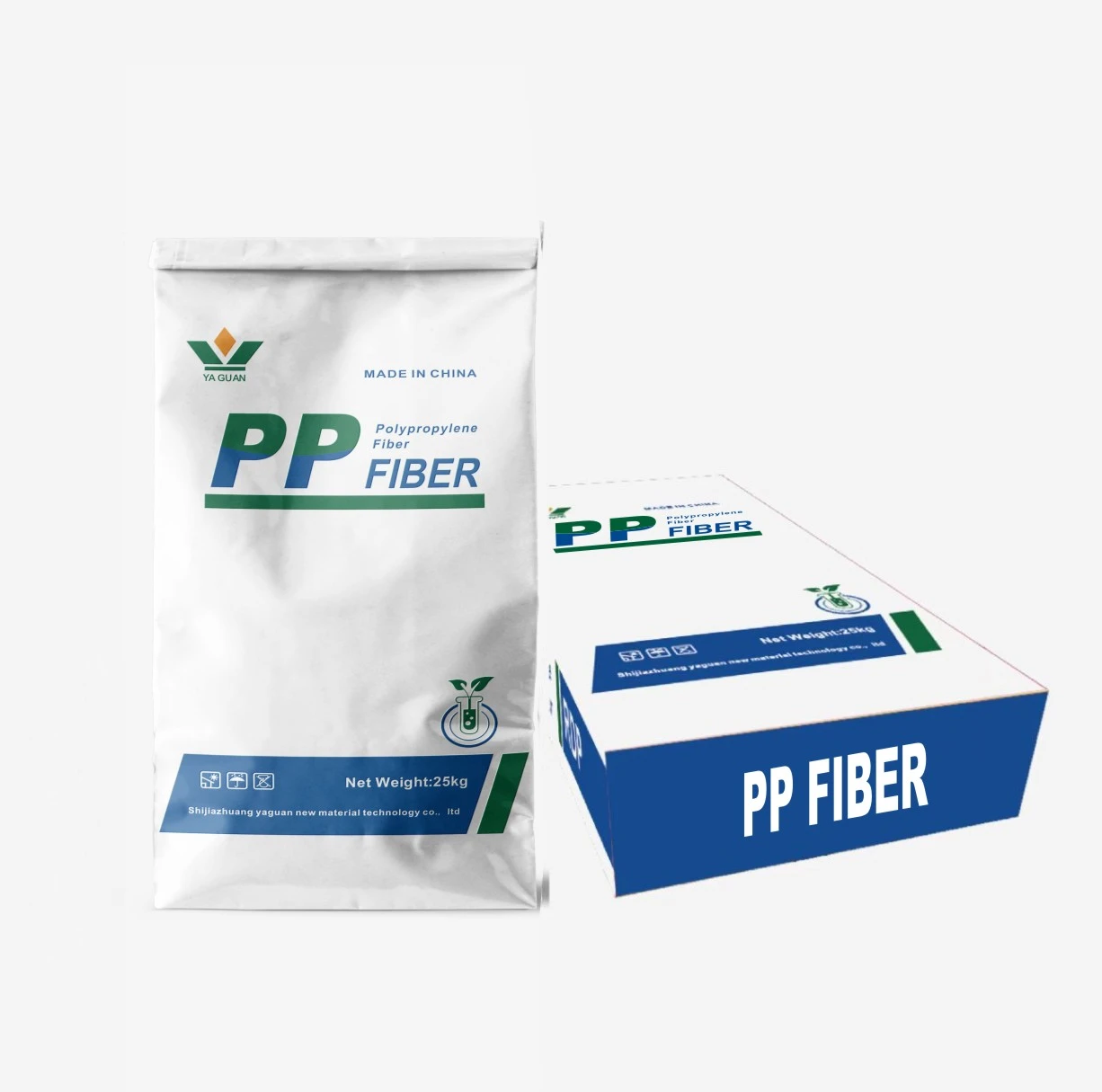

Understanding Monofilament Polypropylene Fiber and Its Global Impact
Monofilament polypropylene fiber might not be a phrase that pops up in daily conversation, but it’s quietly powering a multitude of industries worldwide. From textile reinforcements and packaging solutions to cutting-edge construction materials, this synthetic fiber is a key player in the global materials market. Knowing what it is and why it matters opens a window into how modern industry and humanitarian efforts maintain resilience and sustainability in a fast-paced world.
Globally, the demand for lightweight, durable, and cost-effective materials has surged. According to the International Organization for Standardization (ISO), polypropylene materials rank among the most versatile polymers, valued for their strength and adaptability. Considering issues like climate change stresses on infrastructure or the massive need for affordable shelter in disaster zones, monofilament polypropylene fiber addresses real critical challenges.
Mini takeaway: While it may sound technical, monofilament polypropylene fiber serves as a foundational material with broad applications, shaping industries and responses to global challenges alike.
Setting the Stage: Why Monofilament Polypropylene Fiber Matters Globally
On a broad scale, the world’s population is growing and urbanizing rapidly — by 2050, nearly 68% of people are expected to live in cities, per UN population data. This urban sprawl demands smarter materials that balance cost, durability, and sustainability, especially in infrastructure and manufacturing sectors. Monofilament polypropylene fiber fits perfectly into this equation: a lightweight, strong synthetic fiber with excellent chemical resistance.
Industry reports suggest the polypropylene fiber market was valued in the billions in recent years, with a growing share focused on monofilament forms. Why? Because the monofilament fiber’s consistency and strength make it ideal for applications ranging from geotextiles in road construction to fishing nets, offering durability in harsh conditions without adding excessive weight.
Yet, challenges persist — like ensuring recyclability or reducing carbon footprints in producing such polymers. But innovations continue to mitigate these concerns, showing the fiber’s promising future.
What Exactly Is Monofilament Polypropylene Fiber?
Simply put, monofilament polypropylene fiber is a single, continuous filament composed of polypropylene — a thermoplastic polymer. Imagine a very fine but robust thread, extruded and often used in mesh or fabric forms.
This fiber differs from multifilament or staple fibers mainly by its one-strand structure, which gives it unique mechanical properties like high tensile strength and resistance to abrasion.
In practical terms, it’s a cornerstone in fields requiring tough yet lightweight and flexible materials: for example, in reinforcement fibers for concrete, filtration membranes, ropes, or even specialized textiles. Plus, it’s notable for being hydrophobic and resistant to chemicals, which ensures longevity in demanding environments.
Key Features Behind the Fiber’s Strength and Versatility
Durability and Chemical Resistance
Monofilament polypropylene fiber is tough stuff. It resists many chemicals, acids, and alkalis, which makes it perfect for industrial environments or outdoor exposure. Engineers often praise its ability to withstand UV exposure when properly stabilized — not bad for a plastic filament.
Lightweight and Cost-Efficient
Polypropylene fibers are lighter than many alternatives, reducing transportation and handling costs. For large-scale projects, that’s a matter of serious savings — plus easier installation.
Scalability and Customization
The manufacturing process of monofilament fibers is flexible, allowing producers to tailor thickness, strength, and length to specific purposes. This scalability makes it a go-to for diverse industries.
Environmental Considerations
While polypropylene is a petroleum-based product, research into recycling and bio-based polypropylene shows promise. The fiber’s long lifecycle reduces replacement frequency, indirectly lowering environmental impact. Better yet, manufacturers are working on reuse economies and biodegradable blends.
Compatibility with Other Materials
It integrates well with other industrial materials like concrete or composites. For example, adding monofilament polypropylene fibers to concrete mix greatly improves crack resistance, a game changer in infrastructure longevity.
Mini takeaway: These defining factors—durability, lightweight nature, scalability, and environmental awareness—make monofilament polypropylene fiber a versatile choice across industries.
From Roads to Relief: Global Applications in Action
Monofilament polypropylene fiber’s reach is vast. In Asia, it strengthens geotextiles used in flood defenses; in Europe, it reinforces concrete pavements to withstand heavy traffic; in Africa, it supports the lightweight membranes of temporary shelters used in refugee camps.
- Post-Disaster Relief: Emergency shelters and temporary infrastructures often utilize polypropylene monofilament fabrics for their resilience and ease of transport.
- Industrial Filtration: Many wastewater and air filtration systems depend on these fibers’ chemical resistance.
- Fishing and Agriculture: Durable nets and crop protection covers frequently consist of monofilament fibers.
- Automotive Industry: Used in composite parts, trims, and lightweight components that help reduce overall vehicle weight.
In truth, this fiber quietly strengthens the fabric of so many under-the-radar products. NGOs and manufacturers alike trust it not only for reliability but also for lifespan and cost-effectiveness.
Monofilament Polypropylene Fiber Product Specification
| Parameter | Typical Value | Unit |
|---|---|---|
| Fiber Diameter | 0.18 – 0.5 | mm |
| Tensile Strength | 350 – 450 | MPa |
| Elongation at Break | 10 – 20 | % |
| Density | 0.91 – 0.93 | g/cm³ |
| Melting Point | 160 – 170 | °C |
Comparing Leading Vendors of Monofilament Polypropylene Fiber
| Vendor | Strength Range (MPa) | Customization | Eco Initiatives | Lead Time |
|---|---|---|---|---|
| Yaguan HPMC | 350–420 | High – tailored fiber diameters & lengths | Recycling programs & bio-polymer research | 3–4 weeks |
| PolyMer Tech Corp | 360–435 | Medium – preset fiber options | Limited eco products | 4–6 weeks |
| FiberMax Solutions | 340–400 | Low – standard fibers only | None | 2–3 weeks |
Long-Term Benefits of Using Monofilament Polypropylene Fiber
When you invest in this fiber, you’re betting on more than just mechanical properties. It’s about cost savings due to lower material usage and longer service life, and an environmental tilt since less frequent replacements mean less waste.
At a human level, think about the thousands who rely on shelters made from polypropylene fiber-based fabrics after a hurricane or earthquake. The resilience, lightness, and durability directly translate into safety and dignity.
From an innovation perspective, companies like Yaguan HPMC are pushing boundaries in combining fibers with green tech and digital manufacturing workflows, making the future of polypropylene even brighter.
What’s Next? Trends to Watch with Monofilament Polypropylene Fiber
Automation in fiber production promises ever tighter control over fiber dimensions, improving consistency. Meanwhile, the green energy push means production plants increasingly rely on cleaner power sources, cutting overall environmental footprints.
New composite materials mixing bio-based polypropylene and recycled fibers are emerging. These alternatives could help overcome the raw-material sustainability issues that the industry faces.
Digital twins and AI in fiber design could optimize product properties before physical trials, saving time and cost. Oddly enough, even in such a “simple” fiber, high-tech is playing a significant role.
Challenges & Solutions Facing the Industry
Polypropylene’s reliance on fossil fuels remains a big challenge, as does its slow degradation in natural environments. Recycling infrastructures for these fibers are patchy worldwide, making circularity difficult.
Industry insiders suggest boosting chemical recycling and blending fibers with biodegradable polymers as promising steps. Also, increasing transparency around sourcing and production emissions helps clients make greener choices — a win-win.
FAQ: Practical Answers about Monofilament Polypropylene Fiber
Q: How long can monofilament polypropylene fibers last in outdoor applications?
A: Typically, they last between 5 to 10 years when UV-stabilized. Exposure to harsh sunlight, mechanical wear, and chemicals may reduce lifespan, but proper additives significantly extend durability.
Q: Is monofilament polypropylene fiber recyclable?
A: Yes, polypropylene fibers are recyclable, though the processes vary by region. Mechanical recycling is common, but chemical recycling and reuse are growing trends to address sustainability concerns.
Q: Can monofilament polypropylene fibers replace glass or carbon fibers?
A: While polypropylene fibers won’t match the extreme strength of glass or carbon fibers, they’re much lighter and more cost-effective. They’re suited for applications prioritizing flexibility and chemical resistance over maximal strength.
Q: How customizable are the fibers for different industries?
A: Very customizable. Producers tailor fiber diameter, tensile strength, and length to suit applications from geotextiles to filtration meshes, providing optimal performance per industry need.
Q: Where can I learn more or purchase high-quality fibers?
Visit reputable manufacturers and vendors like Yaguan HPMC, who offer both product information and customization options.
Wrapping It Up: Why Monofilament Polypropylene Fiber Deserves Your Attention
To sum it up, monofilament polypropylene fiber stands as a versatile, durable, and cost-effective solution that meets the challenges of modern industries and humanitarian efforts. Its ability to combine strength with lightness and resist harsh conditions offers tangible benefits across the board. And with growing sustainability efforts, its future looks promising.
Whether you're an engineer, NGO, or a manufacturer, understanding this fiber helps you leverage materials that strike a fine balance between performance, price, and planetary impact.
Curious to explore further? Dive into monofilament polypropylene fiber products, innovations, and applications on Yaguan HPMC’s website.
After all, sometimes the smallest threads hold the biggest stories.