
Understanding Water Reducing Agents: A Comprehensive Guide
In the realm of concrete production and construction, achieving the desired workability and strength of concrete mixes is paramount. Water reducing agents play a crucial role in optimizing these properties while minimizing water content. This article delves into the world of water reducing agents, exploring their types, benefits, applications, and considerations for effective use. Understanding these additives is essential for engineers, contractors, and anyone involved in concrete technology. We will cover how they impact concrete performance and provide information on choosing the right agent for specific projects.
What are Water Reducing Agents?
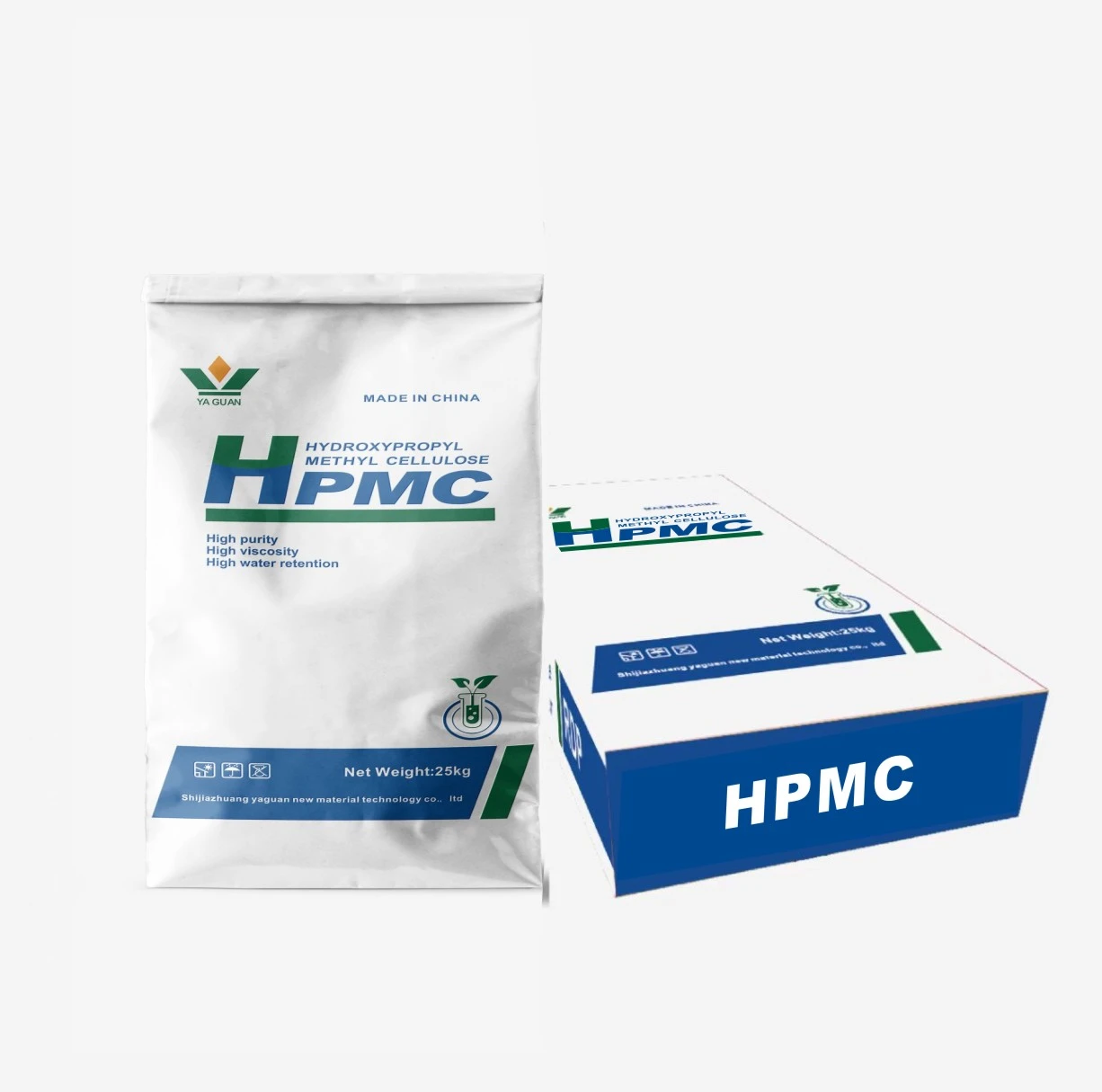
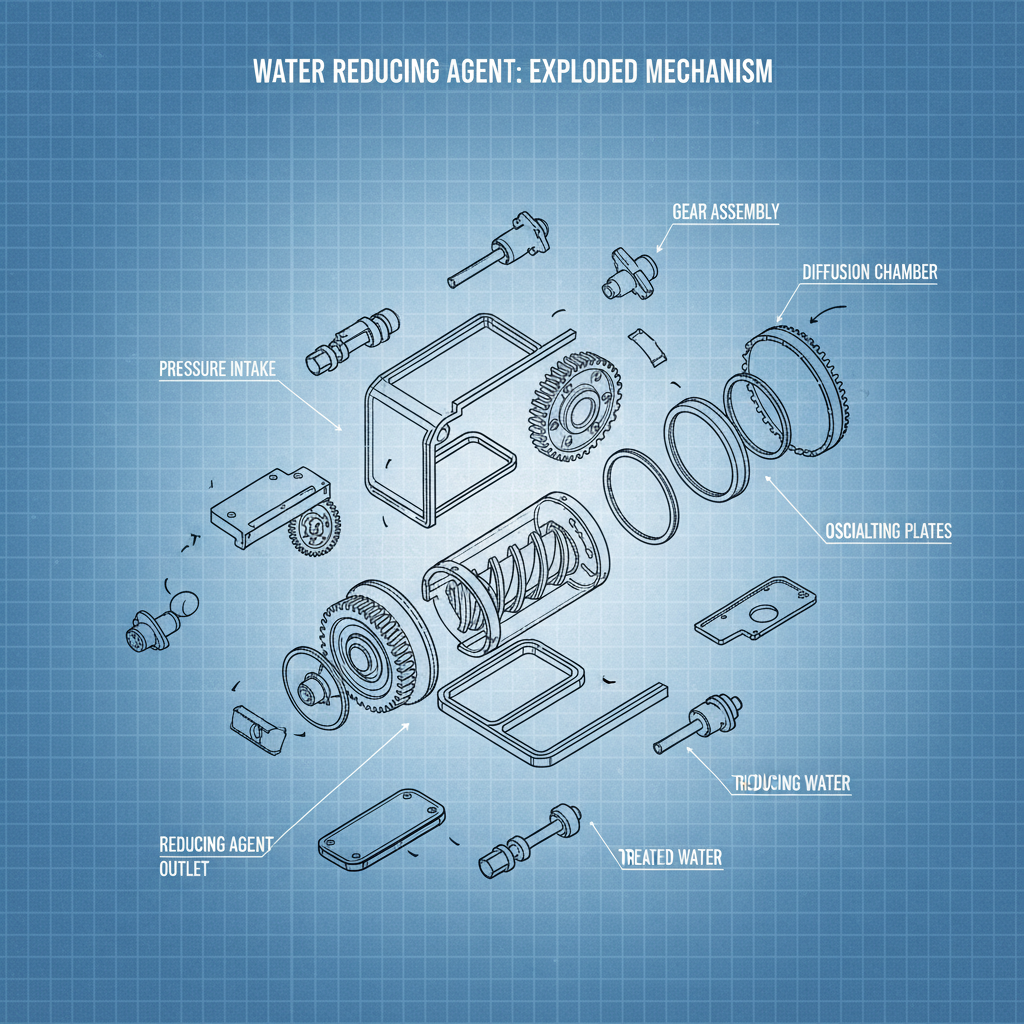
Water reducing agents, also known as plasticizers, are admixtures added to concrete mixes to enhance workability without increasing the water-cement ratio. They achieve this by dispersing cement particles, reducing interparticle friction and allowing them to flow more easily. This dispersion results in a more workable mix that requires less water for a given slump (consistency). By reducing water content, the strength and durability of the hardened concrete are significantly improved. These agents are categorized into several types, each with unique characteristics and applications. Visit Yaguan HPMC to learn more about our range of water reducing solutions.
Key Benefit: Improved concrete strength and durability through reduced water content and optimized cement dispersion.
Types of Water Reducing Agents
Several types of water reducing agents are available, each offering different levels of water reduction and performance characteristics. Common types include:
- Lignosulfonates: These are byproducts of the paper industry and are among the oldest and most cost-effective water reducers.
- Hydroxycarboxylic Acids: Offer moderate water reduction and can improve early strength development.
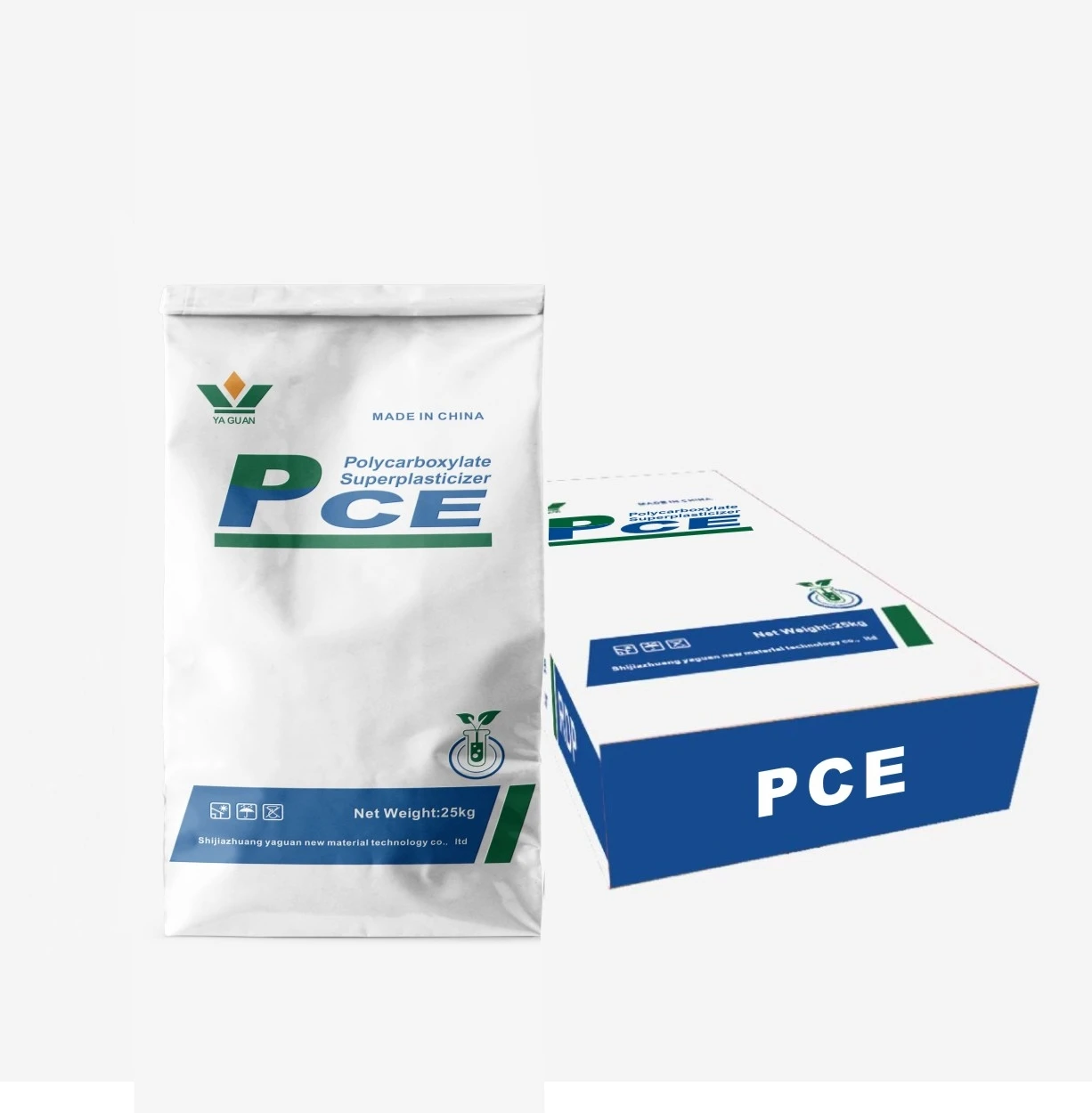
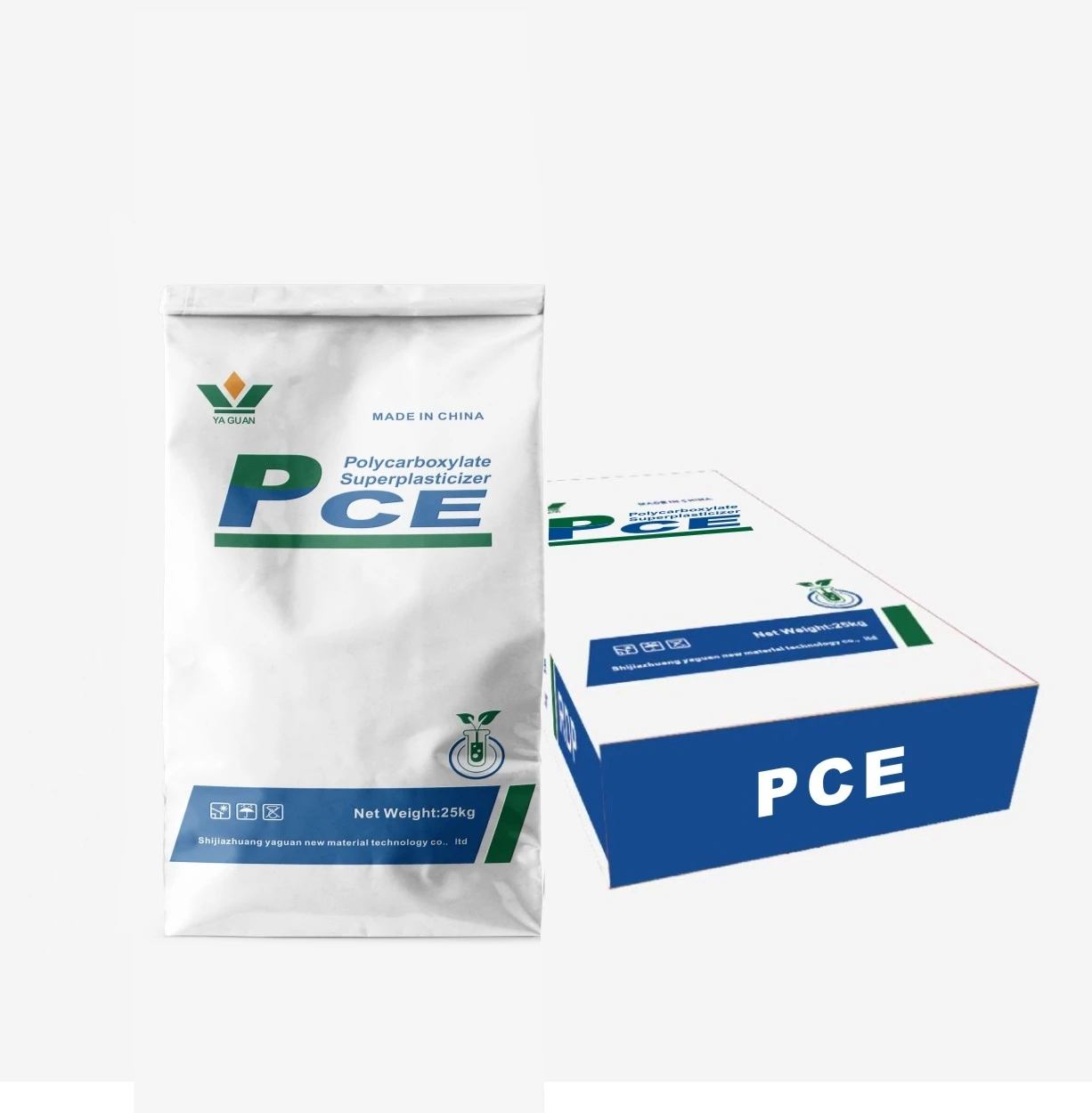
- Polycarboxylate Ethers (PCEs): These are the most advanced type, providing superior water reduction, excellent workability retention, and compatibility with various cement types.
- Modified Lignosulfonates: Enhanced versions of lignosulfonates with improved performance.
The choice of water reducing agent depends on the specific project requirements, cement type, and desired concrete properties. Contact Yaguan HPMC for expert advice on selecting the ideal agent for your needs.
Water Reducer Performance Comparison:
• Lignosulfonates: Cost-effective, moderate reduction.
• Hydroxycarboxylic Acids: Moderate reduction, early strength enhancement.
• Polycarboxylate Ethers (PCEs): Superior reduction, excellent workability.
Benefits of Using Water Reducing Agents
The benefits of incorporating water reducing agents into concrete mixes are numerous:
- Increased Strength: Reduced water-cement ratio leads to higher compressive and flexural strength.
- Improved Durability: Lower permeability reduces the ingress of harmful substances, enhancing resistance to freeze-thaw cycles, chemical attack, and corrosion.
- Enhanced Workability: Easier placement and consolidation of concrete, reducing labor costs.
- Reduced Cement Content: In some cases, water reducers allow for a reduction in cement content while maintaining desired strength, lowering material costs and environmental impact.
- Better Finishability: Improved surface finish and reduced cracking.
Applications of Water Reducing Agents
Water reducing agents find applications in a wide range of concrete projects, including:
- High-Rise Buildings: Where high-strength concrete is essential.
- Bridges and Infrastructure: For durable and long-lasting structures.
- Pavements and Roads: Improving workability and reducing cracking.
- Precast Concrete: Enhancing surface finish and dimensional stability.
- Repair and Rehabilitation: Restoring damaged concrete structures.

Key Considerations When Choosing a Water Reducing Agent
Selecting the appropriate water reducing agent requires careful consideration of several factors:
Conclusion: Optimizing Concrete Performance with Water Reducing Agents
Water reducing agents are indispensable tools for modern concrete construction. By carefully selecting and applying the appropriate agent, engineers and contractors can significantly enhance concrete strength, durability, and workability. Yaguan HPMC provides a comprehensive range of high-quality water reducing agents and expert technical support to meet your project needs. Investing in these advanced admixtures is an investment in the longevity and performance of your concrete structures.
Frequently Asked Questions (FAQs)
What is the optimal dosage of a water reducing agent?
The optimal dosage depends on the type of agent, the cement used, and the desired concrete properties. It’s crucial to follow the manufacturer's recommendations and conduct trial mixes to determine the best dosage for your specific application. Overdosing can lead to segregation, air entrainment issues, and delayed setting. Underdosing may not achieve the desired water reduction and performance benefits. Consulting with a concrete specialist can help determine the ideal dosage.
Can water reducing agents be used with other admixtures?
Yes, water reducing agents are often used in combination with other admixtures, such as air-entraining agents, accelerators, and retarders. However, compatibility must be verified. Certain combinations can lead to undesirable interactions. It’s essential to consult with the admixture suppliers or a concrete specialist to ensure compatibility and avoid adverse effects on concrete performance. Always perform trial mixes before using multiple admixtures in a full-scale application.
What is the shelf life of water reducing agents?
The shelf life of water reducing agents varies depending on the type of agent and storage conditions. Generally, liquid admixtures have a shelf life of at least one year when stored in a cool, dry place, away from direct sunlight and extreme temperatures. Powdered admixtures should be stored in sealed containers to prevent moisture absorption. Always check the manufacturer's expiration date and storage recommendations before use. Expired admixtures may have reduced effectiveness.

Next