Water Reducing and Accelerating Admixtures: A Comprehensive Guide
In the world of concrete construction, achieving optimal strength, workability, and durability is paramount. Water reducing and accelerating admixtures play a crucial role in achieving these goals. These chemical additives modify the properties of concrete, offering significant advantages in various construction applications. This article delves into the intricacies of these admixtures, exploring their types, benefits, applications, and considerations for effective implementation. Understanding these admixtures is essential for modern concrete technology, enabling builders and engineers to create structures that are both strong and efficient.
Understanding Water Reducing Admixtures
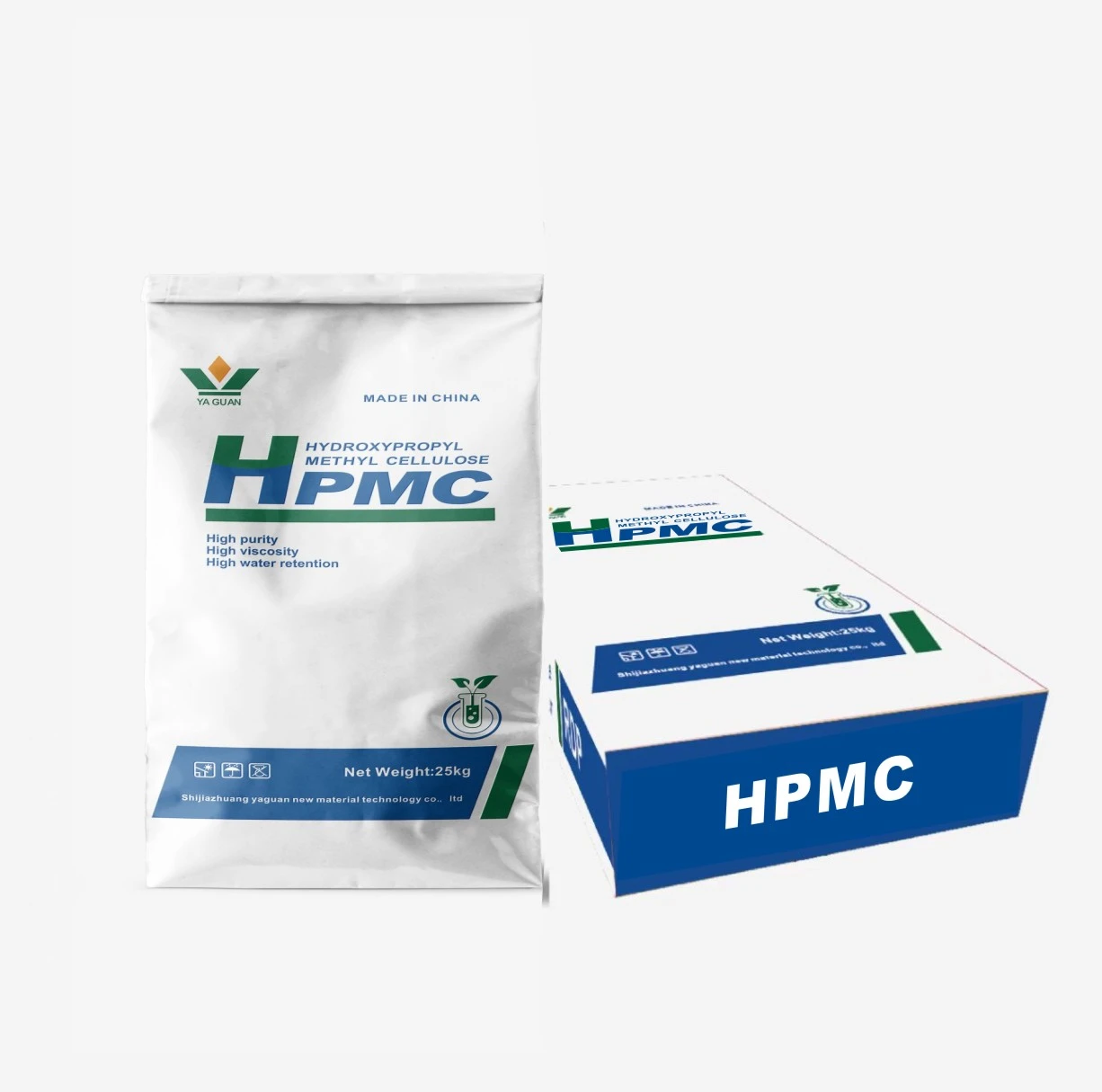
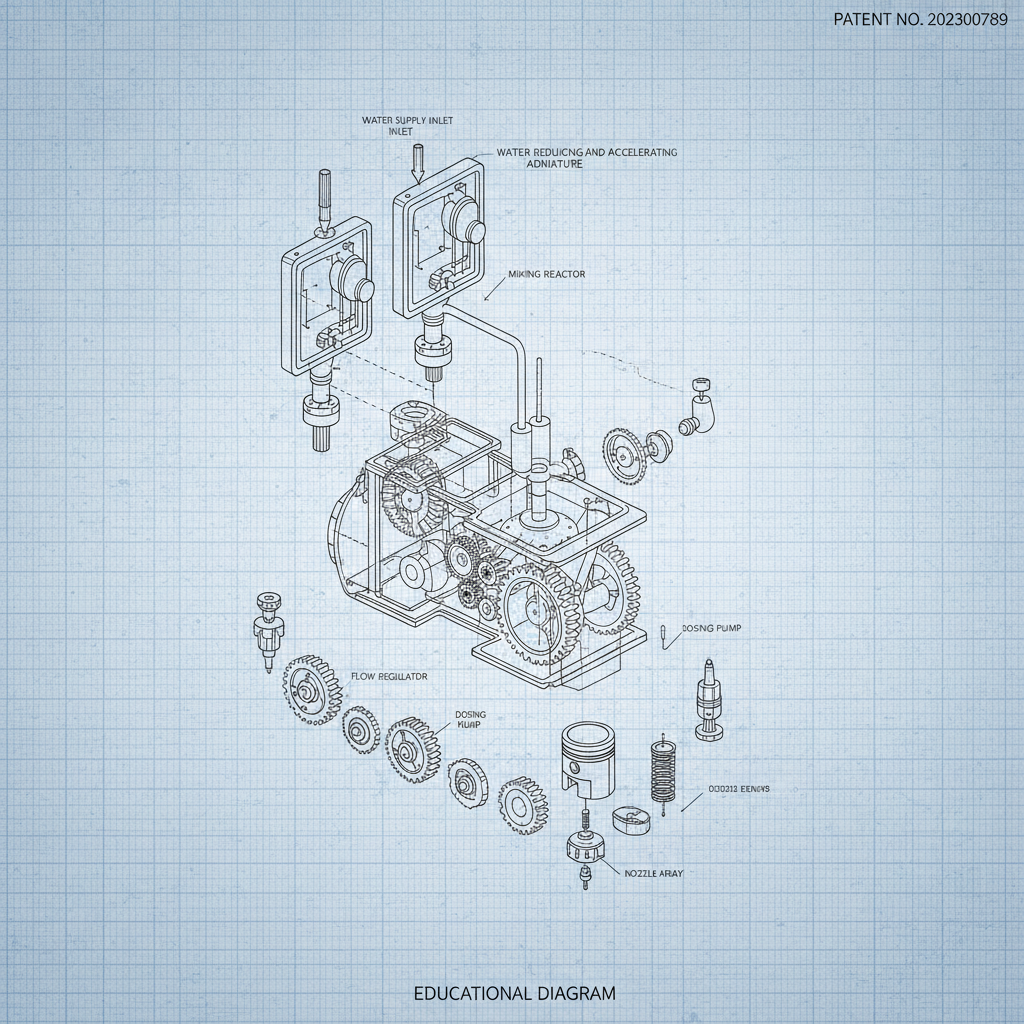
Water reducing admixtures, also known as plasticizers, work by dispersing cement particles more effectively within the concrete mix. This improved dispersion allows for a reduction in the water content required to achieve a desired level of workability. Less water means a denser concrete matrix, leading to increased strength and reduced permeability. These admixtures are particularly valuable in situations where high workability is needed without compromising concrete strength. They are widely used in applications like high-rise buildings, bridges, and pavements. Yaguan HPMC offers a range of water-reducing admixtures tailored for different concrete mixes.
Key Benefit: Reduced water content leads to higher concrete strength and durability, reducing long-term maintenance costs.
Accelerating Admixtures: Speeding Up Concrete Setting
Accelerating admixtures, conversely, shorten the setting time of concrete. They achieve this by increasing the rate of hydration of cement. These admixtures are particularly useful in cold weather conditions where hydration slows down, or when rapid strength gain is required, such as in precast concrete operations. Calcium chloride was traditionally used, but due to corrosion concerns with reinforcing steel, non-chloride accelerators are now preferred. Selecting the right accelerator is crucial to prevent unwanted rapid setting and maintain concrete quality.
Benefits of Acceleration:
• Reduced setting time, allowing for faster project completion.
• Increased early strength, enabling quicker formwork removal.
• Improved performance in cold weather environments.
Combining Water Reducing and Accelerating Admixtures
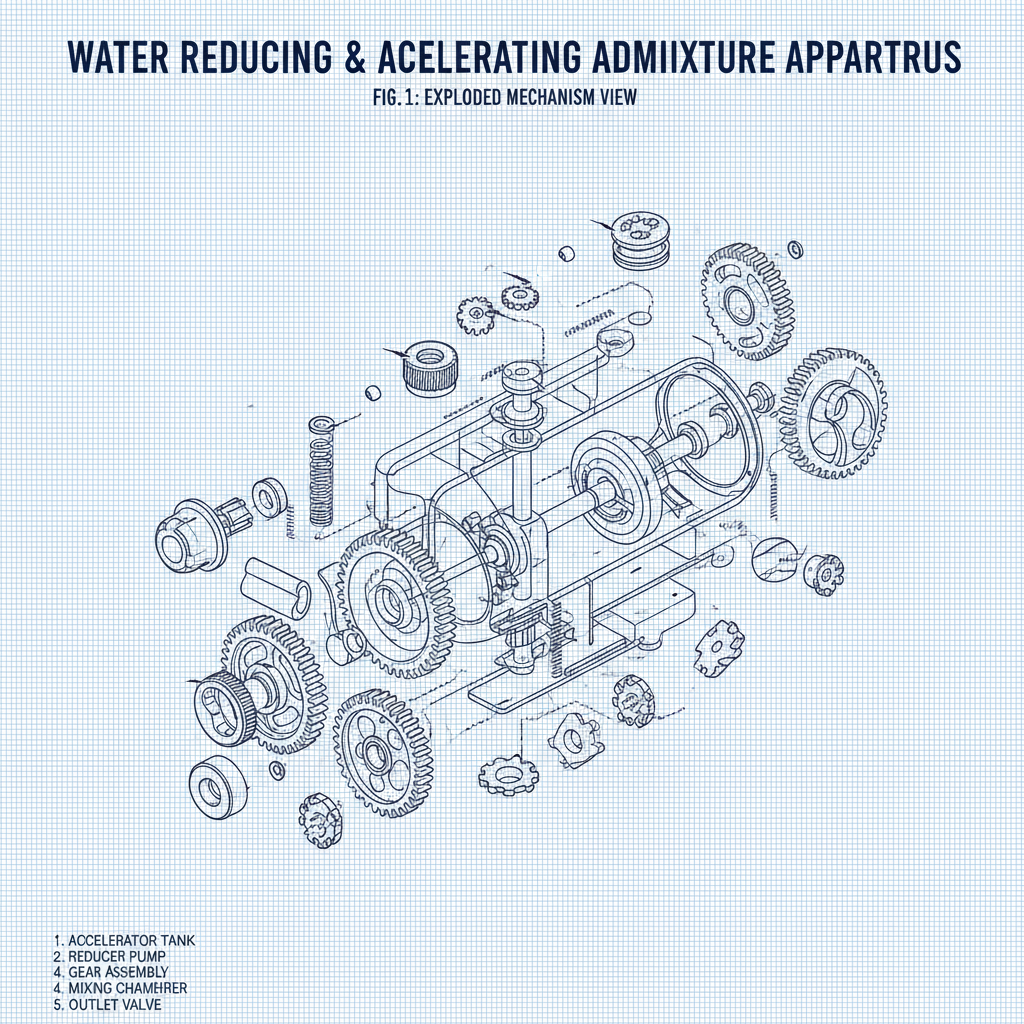
Often, the best results are achieved by using a combination of water reducing and accelerating admixtures. This synergistic effect allows for both improved workability and faster setting times. These combined admixtures are particularly useful in situations where both properties are desired, such as in urgent repair projects or when working with large concrete pours. However, careful consideration must be given to compatibility and dosage rates to avoid adverse reactions. Yaguan HPMC provides pre-blended admixtures formulated for optimal performance.
Factors Influencing Admixture Dosage
Determining the correct dosage of water reducing and accelerating admixtures is critical for achieving optimal results. Several factors influence the required dosage, including the type of cement used, the desired workability, the ambient temperature, and the specific properties of the concrete mix. It’s always recommended to conduct trial mixes to determine the ideal dosage for a particular application. Furthermore, following the manufacturer’s recommendations and adhering to relevant industry standards are essential for ensuring safety and performance. Overdosing or underdosing can lead to adverse effects, such as delayed setting or reduced strength.
Choosing the Right Admixture Supplier
Selecting a reputable supplier of water reducing and accelerating admixtures is crucial for ensuring quality and consistency. Look for suppliers who offer comprehensive technical support, product testing, and adherence to industry standards. Yaguan HPMC is a trusted partner for concrete admixtures, providing high-quality products and expert assistance. Their commitment to innovation and customer satisfaction makes them a reliable choice for construction projects of all sizes.
Conclusion: Optimizing Concrete Performance with Admixtures
Water reducing and accelerating admixtures are essential tools for modern concrete construction, offering significant benefits in terms of strength, workability, and setting time. By understanding the different types of admixtures, their applications, and the factors influencing their dosage, builders and engineers can optimize concrete performance and create durable, efficient structures. Choosing a reliable supplier like Yaguan HPMC ensures access to high-quality products and expert support.
Frequently Asked Questions (FAQs)
What are the common types of water reducing admixtures?
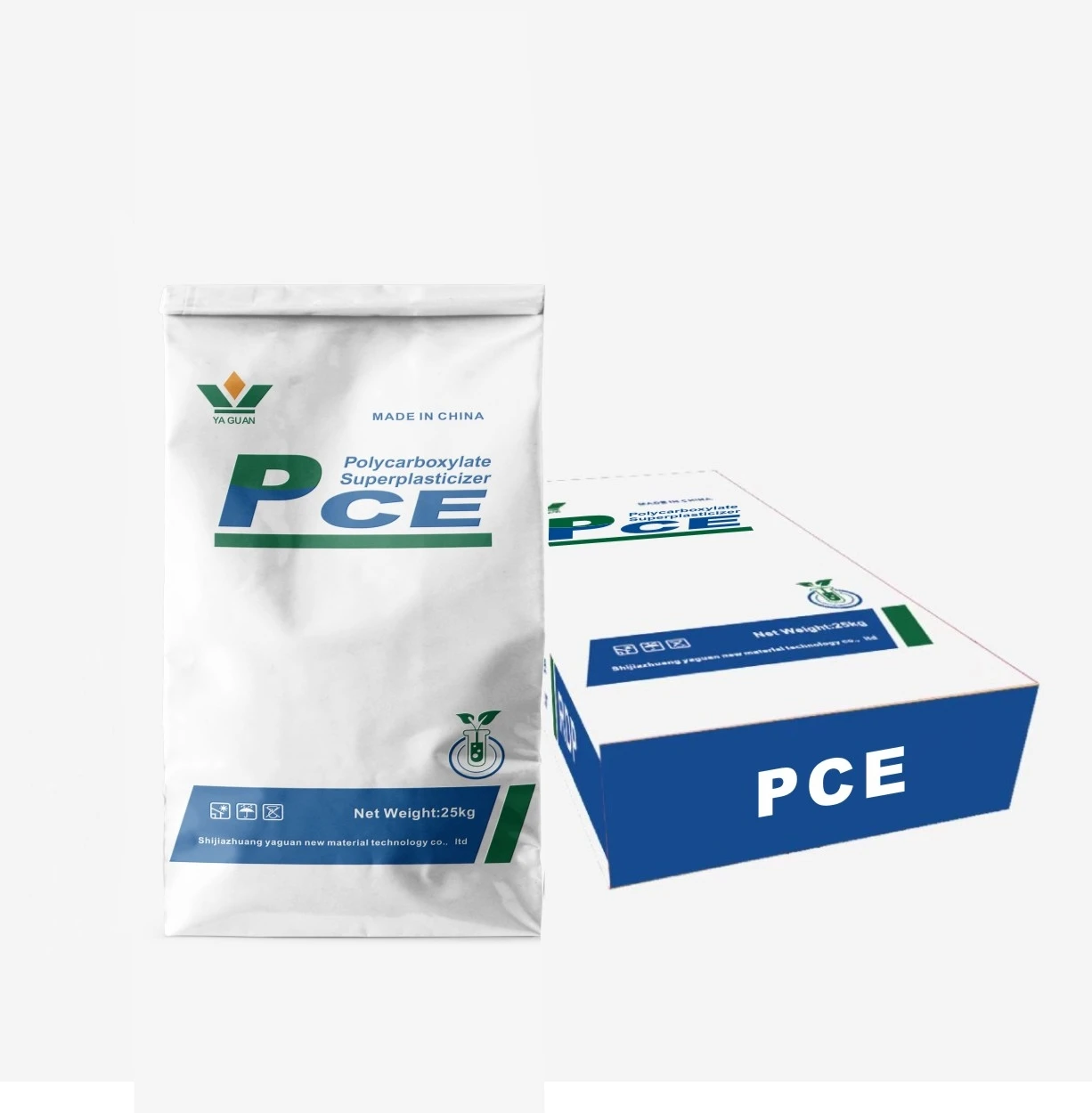
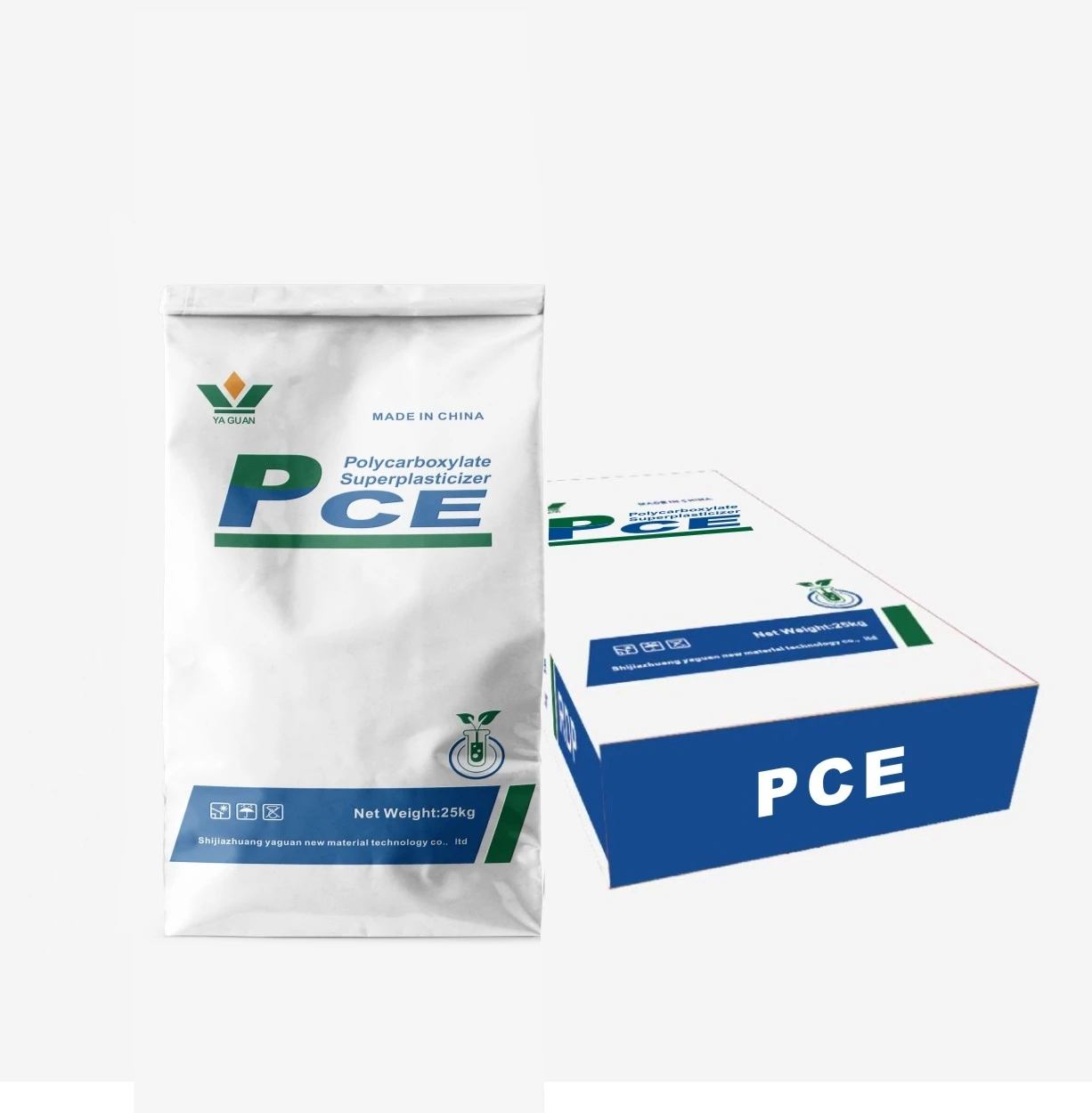
There are several types of water reducing admixtures, including lignosulfonates, hydroxylated carboxylic acids, and polycarboxylate ethers (PCEs). PCEs are the most advanced type, offering superior water reduction and workability retention. They are particularly effective in producing high-performance concrete. The choice of water reducer depends on the specific requirements of the concrete mix and the desired properties of the final product. Yaguan HPMC provides a wide selection of water reducers, including advanced PCE-based solutions.
Are accelerating admixtures suitable for all concrete mixes?
While accelerating admixtures can be beneficial, they are not always suitable for all concrete mixes. They can potentially reduce the long-term strength of concrete and may cause cracking if used excessively. They are most effective in cold weather conditions or when rapid strength gain is required. It's crucial to carefully consider the potential drawbacks and conduct trial mixes to determine the appropriate dosage. Always refer to the manufacturer's guidelines and relevant industry standards.
How do I determine the correct dosage of admixture?
Determining the correct dosage requires careful consideration of several factors, including the type of cement, desired workability, ambient temperature, and the specific properties of the concrete mix. It's highly recommended to conduct trial mixes with varying dosages to find the optimal level. Refer to the admixture manufacturer's technical data sheet for guidance and follow their recommended dosage ranges. Always start with a lower dosage and gradually increase it until the desired results are achieved.
What safety precautions should be taken when handling admixtures?
Always wear appropriate personal protective equipment (PPE) such as gloves, goggles, and a dust mask when handling admixtures. Avoid contact with skin and eyes. Read and understand the safety data sheet (SDS) before using any admixture. Store admixtures in a cool, dry, and well-ventilated area. Follow the manufacturer's instructions for handling and disposal. In case of contact with skin or eyes, rinse immediately with plenty of water and seek medical attention.

Pervious