
Understanding PCE admixture for Modern Construction
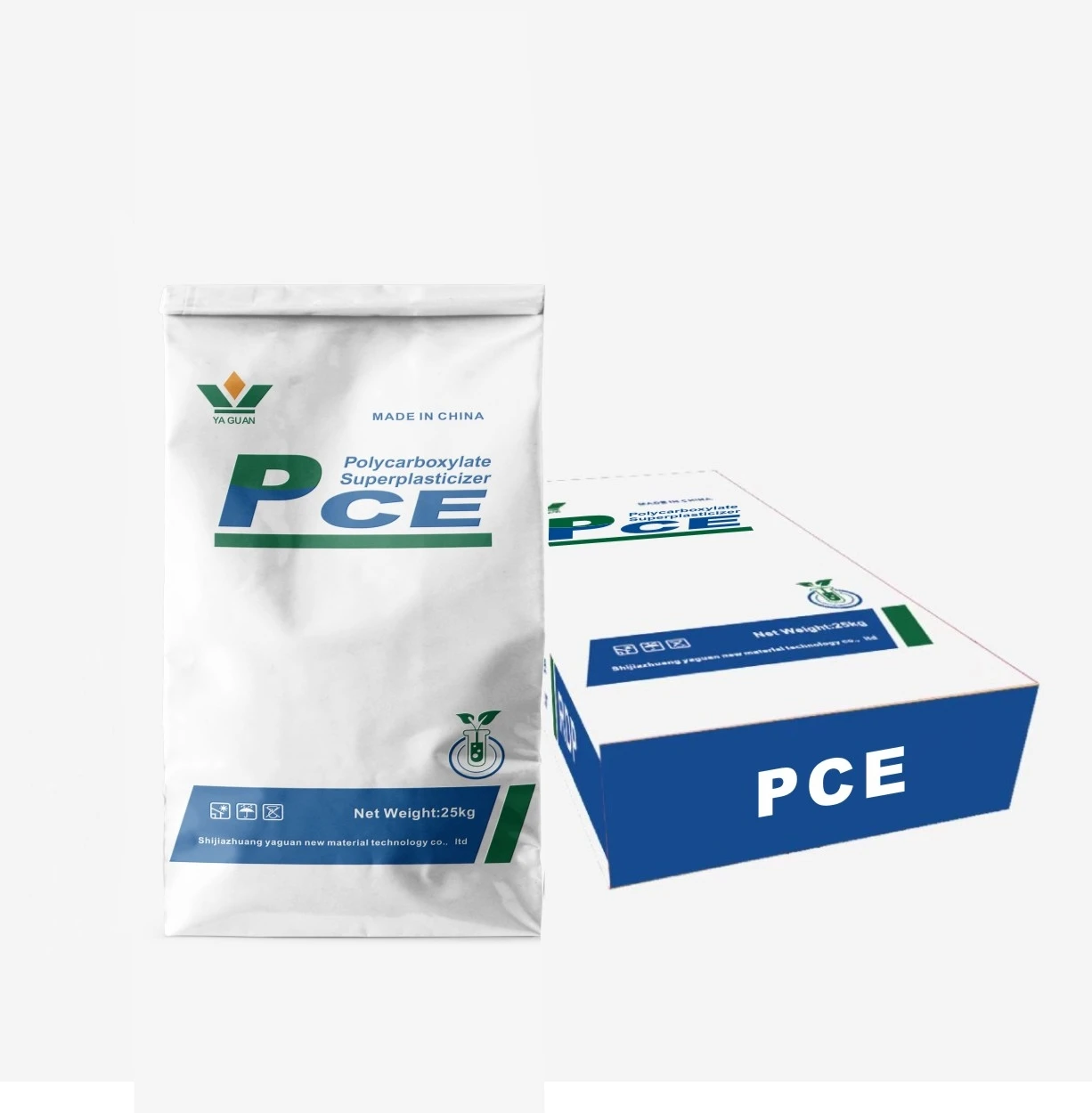
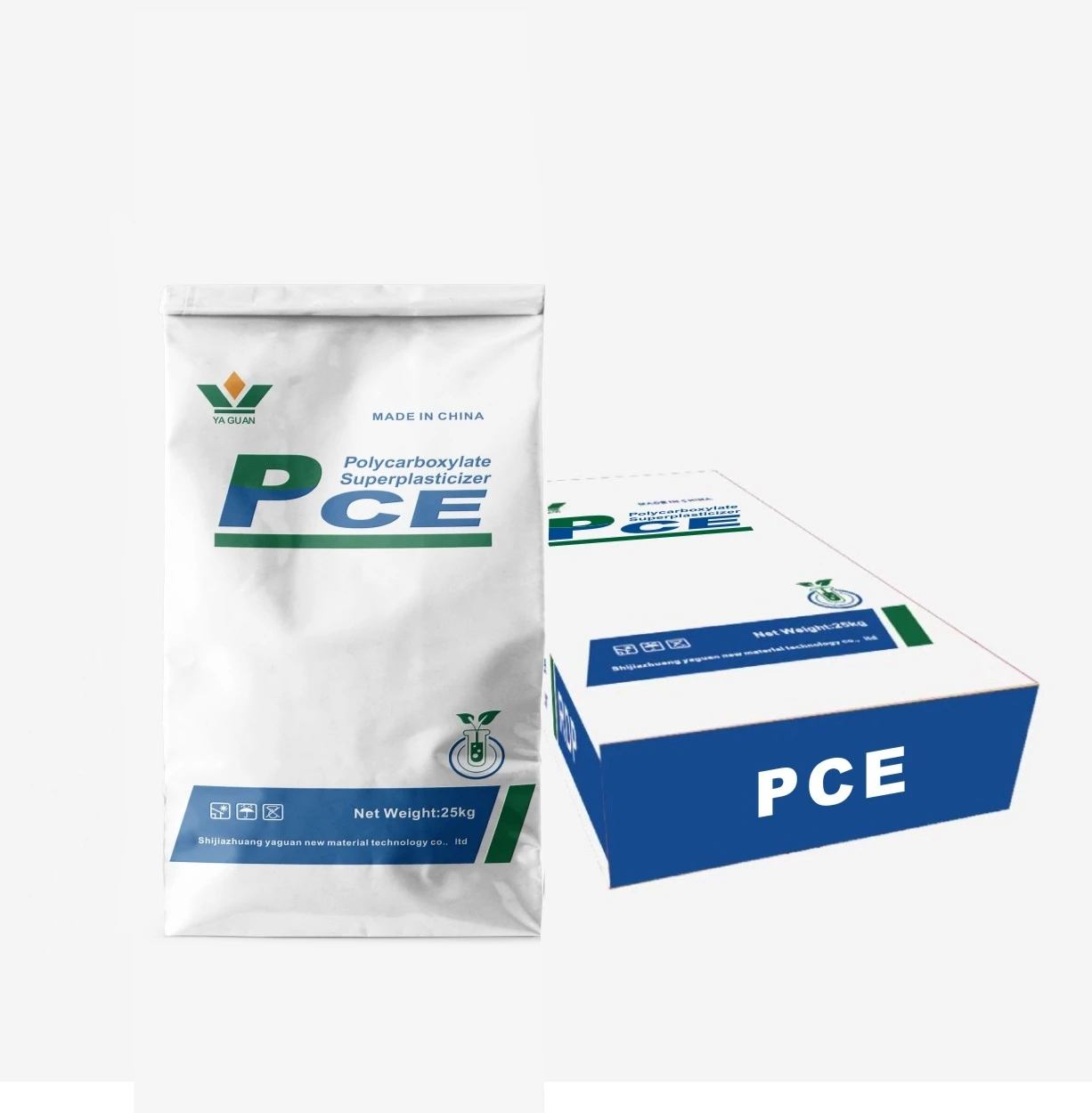
After spending well over a decade in the industrial equipment sector — specifically around concrete admixtures — I’ve come to appreciate how crucial PCE admixtures have become for high-performance construction. For those unfamiliar, PCE stands for polycarboxylate ether, a chemical marvel that’s reshaped the way we control concrete workability and strength.
Oddly enough, when I first encountered PCE admixtures, I thought they were just another “add-on” product — something engineers threw in to tweak mix designs here and there. But it wasn’t long before I realized these admixtures aren’t just additives; they’re game changers. They enable lower water-to-cement ratios without sacrificing flowability, which means stronger, more durable concrete with less effort. Pretty neat, right?
What makes PCE admixtures stand out?
In real terms, PCE molecules act like tiny spaghetti strands curling around cement particles, keeping them dispersed. This reduces the amount of water needed to maintain fluidity. You get the slump you want, without watering down your concrete and compromising strength. Many engineers—and frankly, I’m among them—prefer PCE admixtures because of their versatility. They can be fine-tuned for everything from rapid set times to extreme weather durability.
The manufacturing process for PCE admixtures involves precise polymer chain engineering, meaning the side chains on the molecule can be adjusted for different performance needs. This flexibility is one reason why leading suppliers like the ones listed below can offer products tailored specifically for various regions and constructions codes.
| Parameter | Typical Value | Unit |
|---|---|---|
| Solid Content | 35-40 | % |
| pH | 6.5–8.5 | — |
| Density | 1.05 | g/cm³ |
| Water Reduction | 20–30 | % |
| Chloride Content | ≤0.1 | % |
Choosing the right supplier: a quick glance
Now, picking a vendor isn’t as straightforward as it seems. Each supplier offers products with slight variations, and those small differences can make a world of difference, especially if you’re working on projects with tight specs or unusual environmental conditions. Here’s a simple comparison I put together based on my field observations and product datasheets.
| Vendor | Water Reduction (%) | Typical Setting Time | Best Use Case |
|---|---|---|---|
| Yaguan HPMC | 25–30 | Standard | High strength, self-leveling concrete |
| Vendor B | 20–25 | Fast setting | Rapid repair works |
| Vendor C | 22–28 | Delayed setting | Hot climate conditions |
In my own experience working with PCE admixtures, especially those sourced from Yaguan HPMC, I noticed how their product offered great slump retention with a clean, consistent finish — that’s not something every vendor nails. I recall one project in a humid coastal city where we needed extended workability, and their admixture performed admirably with minimal adjustments.
Of course, what works best really depends on your project specifics. For example, freeze-thaw resistance requirements, local cement chemistry, or pumpability might change the ideal admixture choice. That’s why testing batches before large pours remains highly recommended... something that many engineers don’t do enough, in my opinion.
For anyone involved in concrete mix design or procurement, staying current with admixture tech trends is crucial. The industry is moving toward greener, more sustainable solutions — and advanced PCE admixtures fit neatly into this shift by enabling lower cement content mixes without compromising strength.
So, if you’re curious about PCE admixture options, it’s worth reaching out to trusted suppliers, testing their materials in your local conditions, and thinking long-term about performance rather than short-term cost.
After all, concrete is not just about pouring—it’s about performance that lasts decades.
References:
1. Neville, A. M. Properties of Concrete, 5th ed., Pearson, 2011.
2. Mechtcherine, V., & Reinhardt, H. W. (Eds.). Self-Compacting Concrete: Materials, Properties and Applications, Springer, 2012.
3. Product technical sheets and datasheets from various PCE admixture suppliers including Yaguan HPMC.