
Understanding water reducing agents in industrial applications
Having spent more than a decade working hands-on in the industrial equipment world, I’ve seen firsthand how subtle changes in material inputs can ripple through an entire process. One such “quiet hero” in concrete and construction sectors is the water reducing agent. Oddly enough, it’s one of those products that rarely gets the spotlight but is indispensable once you understand the full scope of its benefits.
In real terms, a water reducing agent is an additive used primarily in concrete mixtures to reduce the amount of water needed, while maintaining or improving workability. By making the mix more fluid with less water, you improve strength, reduce drying time, and often increase durability. As a guy who has mixed thousands of batches on site, I can say that these advantages aren’t just marketing hype — they really make a difference out there.
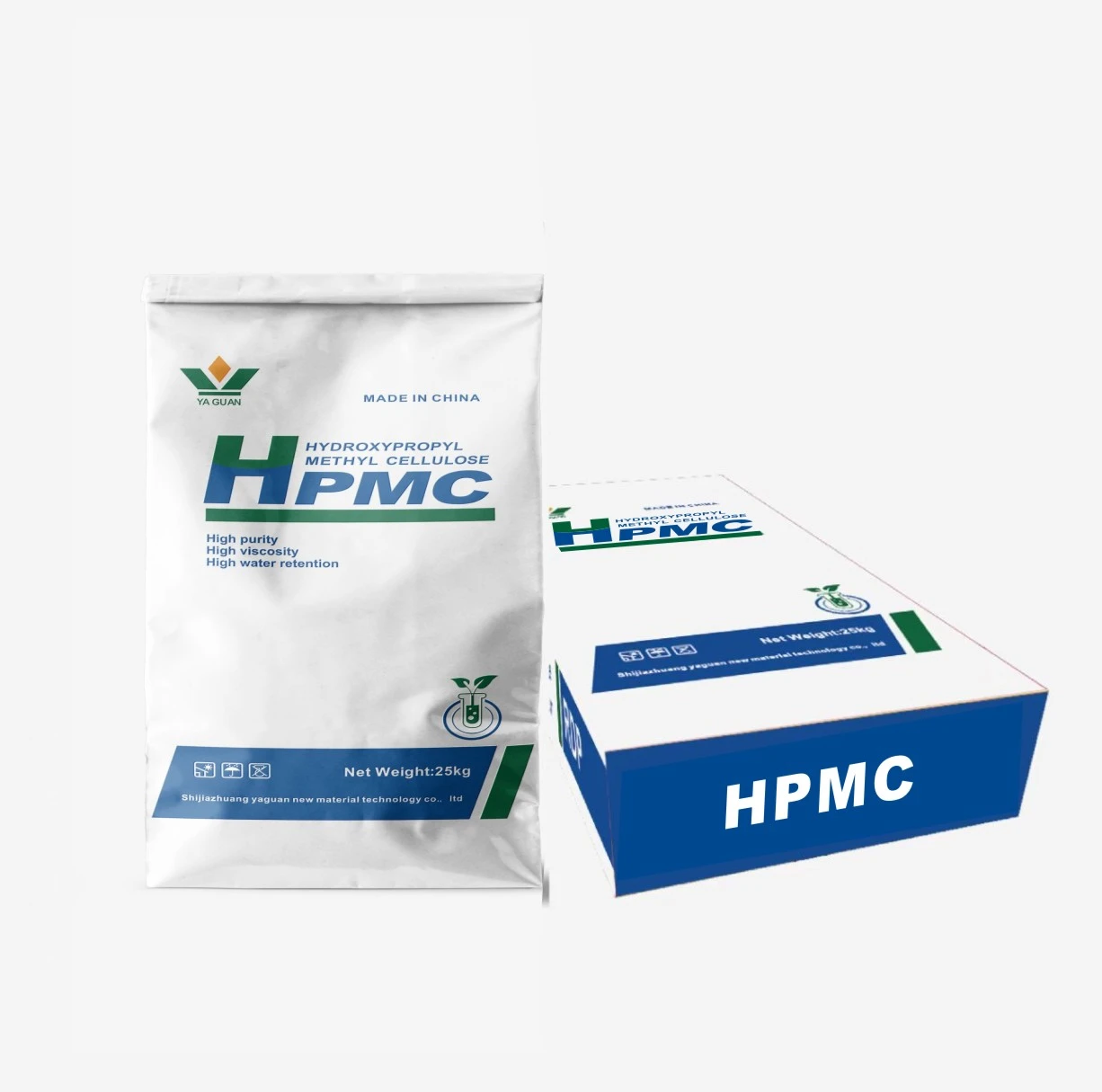
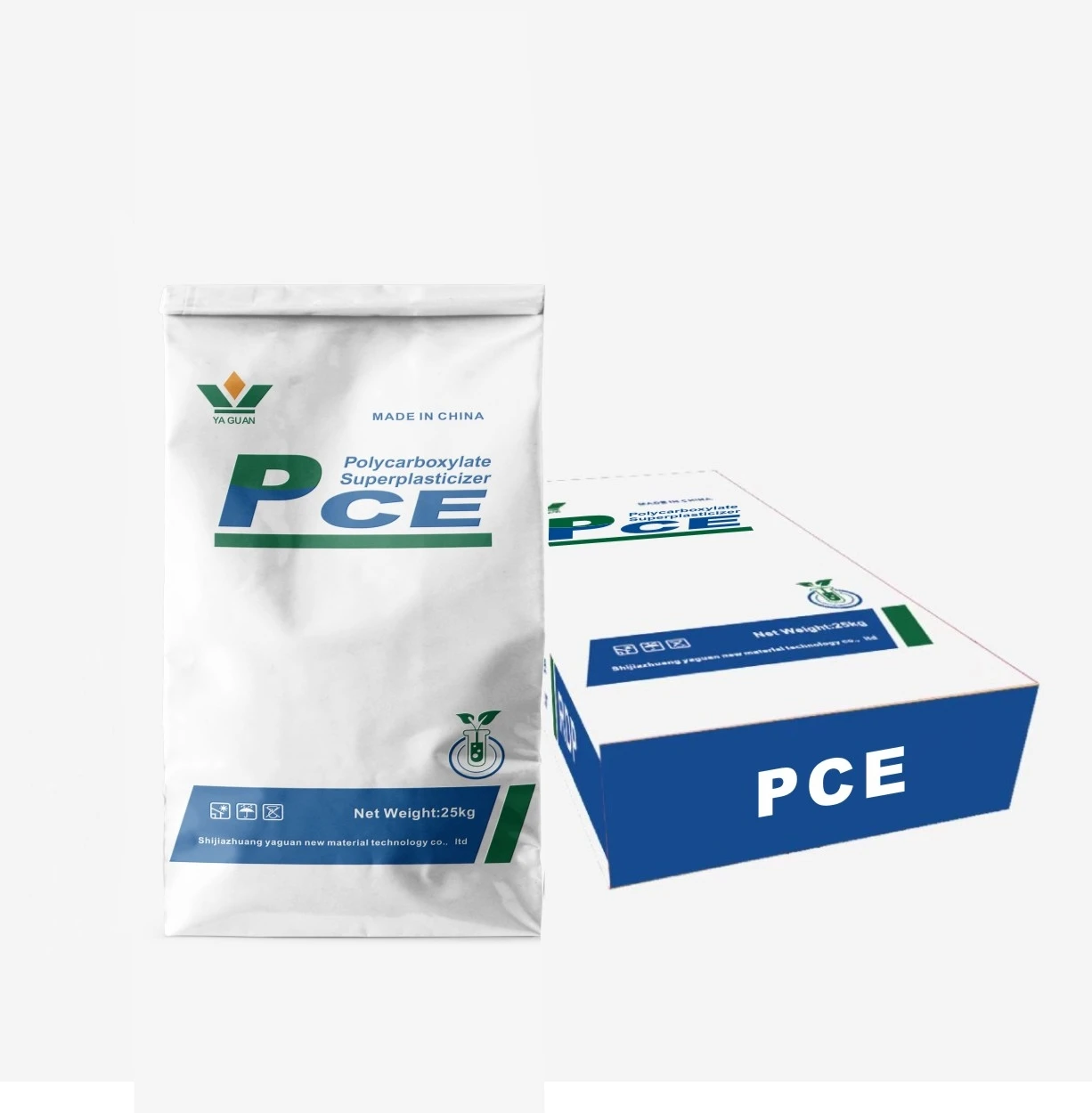
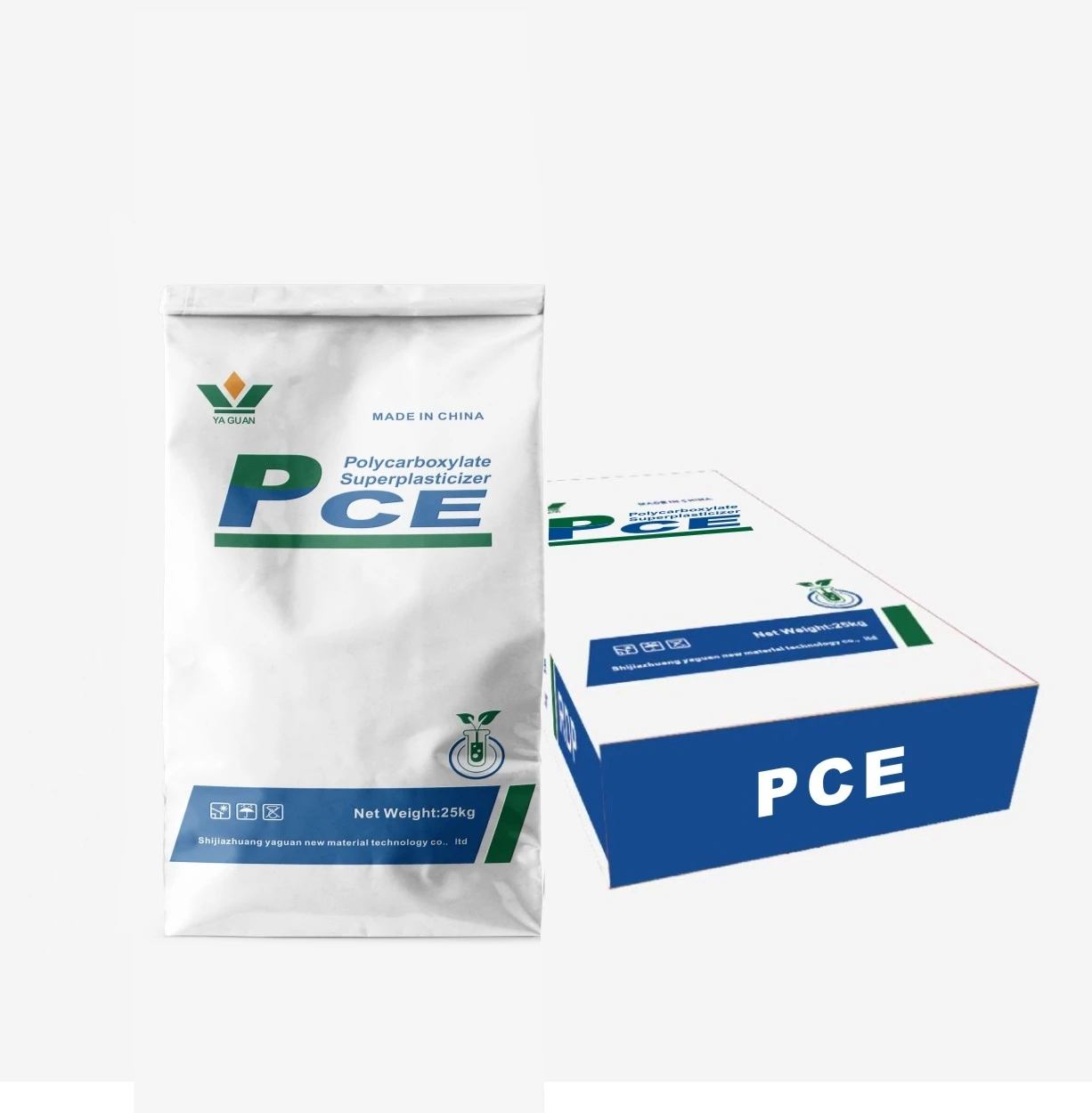
Water reducers come in various forms and chemistries, but most industrial-grade variants fall into two broad categories: conventional and high-range (also called superplasticizers). For example, hydroxypropyl methylcellulose, or HPMC-based polymers, are a popular choice for their consistency and environmental friendliness. They’re known to enhance workability without the usual stuffiness or smell that you sometimes get with older admixtures.
| Specification | Typical Value | Notes |
|---|---|---|
| Appearance | Powder / Granular | Easy to dissolve in mixing water |
| Solubility | Water-soluble | Key for uniform dispersion |
| Dosage Range | 0.1% - 0.5% wt of cement | Adjusted for mix requirements |
| Storage | Cool, dry place | Shelf life: 12 months |
Talking to some engineers over the years, one thing stands out: consistency is key. You can get fancy with your formulations, but if the water reducer doesn’t maintain consistent viscosity and dispersion, it’s frustrating at best, disastrous at worst. I remember a project where switching to a reliable HPMC-based water reducing agent from Yaguan disrupted no mixing schedules and ultimately yielded higher early concrete strength — a win all around.
Another practical point: environmental regulations are tightening, and water reducing agents that incorporate more sustainable or less toxic raw materials are gaining traction. I suppose it’s more than just compliance; it’s about future-proofing your supply chain. You can’t afford surprises from regulatory bodies, especially on large infrastructure projects.
| Vendor | Typical Product | Key Feature | Price Range | Customer Rating |
|---|---|---|---|---|
| Yaguan | HPMC-based Water Reducer | Stable viscosity, eco-friendly | Moderate | 4.8/5 |
| Vendor B | Polycarboxylate Superplasticizer | Ultra high-range water reduction | Higher | 4.3/5 |
| Vendor C | Lignosulfonate-based Reducer | Economical, reliable | Low | 3.9/5 |
To wrap up, if you’re messing around with concrete mix design — or overseeing procurement — don’t overlook the water reducing agent. It seems small but can yield big gains, especially when paired with quality materials and good site practices. Personally, I’m partial to the HPMC type from companies like Yaguan. Reliable, effective, and the kind of product you don’t have to second guess when the mixer’s humming and schedules are tight.
Oh, and a little industry anecdote: a plant I knew switched to a water reducer with better dispersion and saw early concrete strength jump by about 10%, allowing them to open forms faster and cut labor costs — kind of a happy accident, but it shows how the right additive pays for itself.
Stay curious, and remember: good concrete is part art, part science, and the right additives make all the difference.
References:
- ACI Committee 212.3R-10: Chemical Admixtures for Concrete.
- Concrete Society Technical Report: Use of Water-Reducing Agents.
- Industry whitepaper: Advances in HPMC Based Water Reducers (Yaguan Publication, 2022).