
Understanding Polycarboxylate Superplasticizer: A Veteran's Perspective
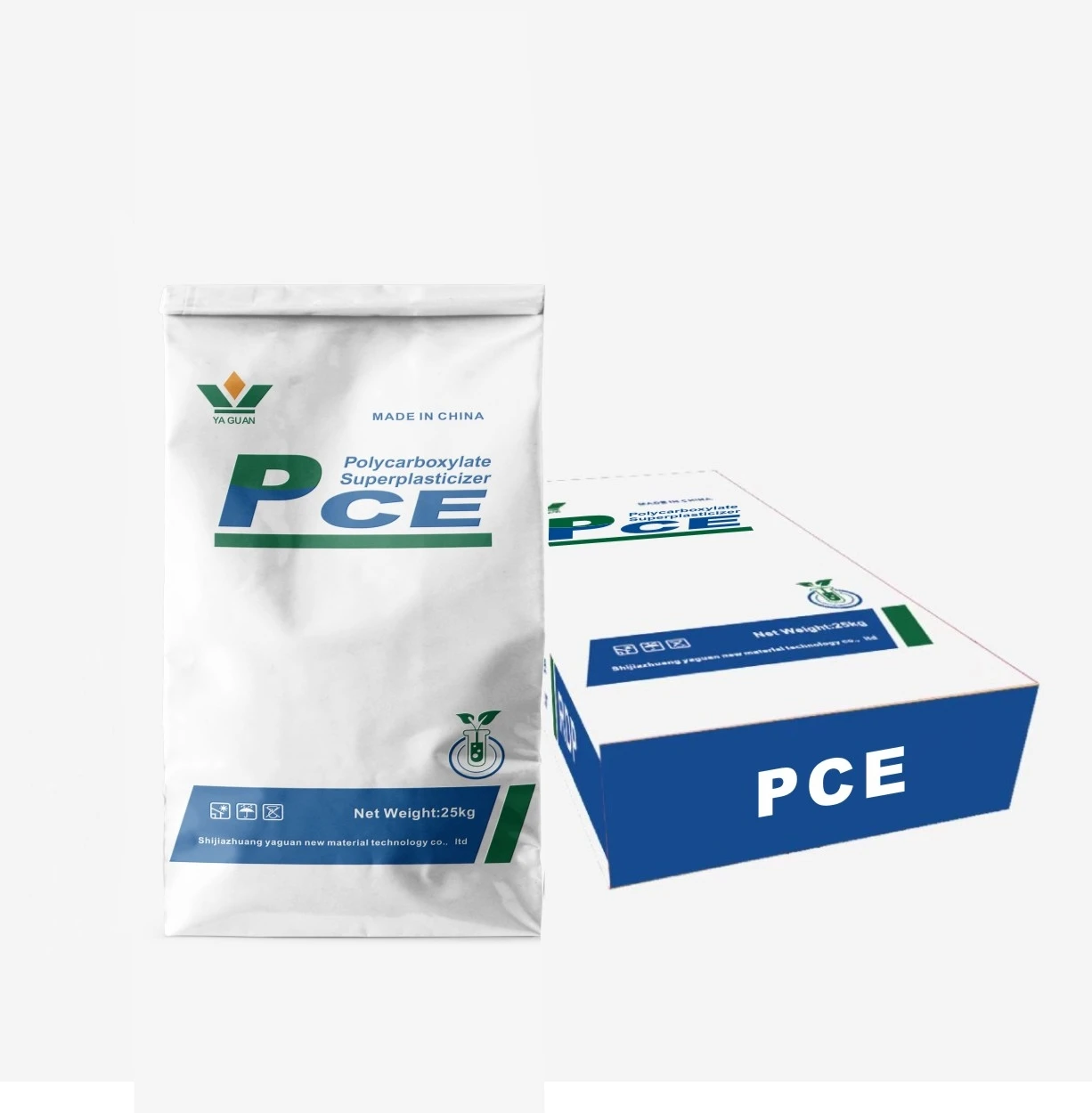
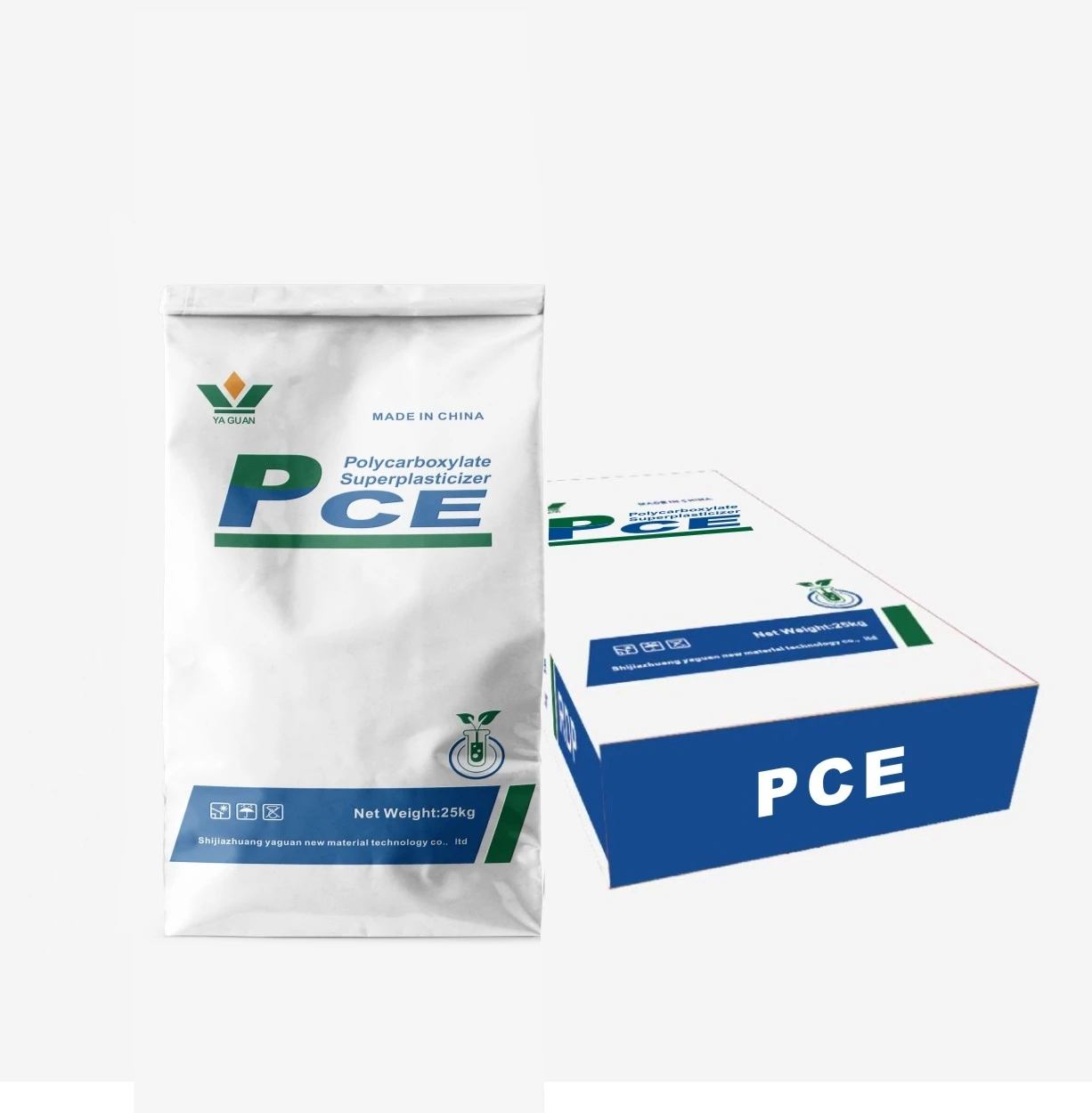
Having worked in the industrial equipment sector for over a decade, I’ve come to appreciate the subtle, yet game-changing technologies that quietly transform concrete technology. One such marvel is the polycarboxylate superplasticizer. If you’re in construction or materials engineering, you probably know this additive well, but for many, it remains a bit of an enigma.
So, why all the fuss? Essentially, polycarboxylate-based superplasticizers are the modern answer to a long-standing challenge: improving concrete fluidity without sacrificing strength. It’s something I first noticed on-site during a project requiring ultra-high-performance concrete. The mix was flowing like a dream, yet cured rock solid. Honestly, that balance wasn’t something we could achieve easily with older admixtures.
To break it down a bit, these superplasticizers are polymers with a particular molecular design—polycarboxylate ethers (PCEs)—that work by dispersing cement particles, reducing water demand by up to 30%. The result? Higher workability and reduced porosity, which translates into stronger, more durable concrete. Many engineers say it’s a quiet revolution in concrete technology.
What I particularly appreciate (and this may seem nerdy) is the customization potential. Different formulations can be tailored for setting times or environmental conditions. For example, some clients need rapid setting for cold climates, while others prioritize extended workability for complex pours. It’s somehow fascinating how tweaks on a chemical scale have such palpable effects on a construction site.
Key Product Specifications
| Specification | Typical Value | Unit |
|---|---|---|
| Solid Content | 40 ± 1 | % |
| pH | 6.5 - 8.5 | - |
| Chloride Ion Content | ≤ 0.1 | % |
| Water Reduction Efficiency | 25 - 30 | % |
| Dosage | 0.2 - 1.0 | % by weight of cement |
Anecdotally, the first time I saw this product at work, it was during a large-scale bridge project. Our batch mixer used less water than usual, but the slump test was perfect. The concrete pumped through hoses effortlessly, even in the hot midday sun — something I’ve rarely witnessed with traditional plasticizers.
Vendor Comparison: Choosing the Right Polycarboxylate Superplasticizer Supplier
| Supplier | Water Reduction (%) | Dosage Range (%) | Customization Options | Delivery Speed |
|---|---|---|---|---|
| Yaguan HPMC | 25 - 30 | 0.2 - 1.0 | High | Fast |
| Supplier B | 20 - 25 | 0.3 - 0.8 | Medium | Moderate |
| Supplier C | 15 - 22 | 0.5 - 1.2 | Low | Slow |
When picking a vendor, it’s not just about the numbers. I’ve learned that supplier reliability, technical support, and delivery flexibility often outweigh marginal gains in water reduction percentages. Frankly, on a big project, having a responsive partner can be the difference between meeting deadlines or losing days.
One client of ours—an industrial contractor in the American Midwest—switched to a polycarboxylate superplasticizer from Yaguan HPMC after struggling with inconsistent mixes during winter months. They noted a smoother pump operation and fewer cold joints, which immediately saved on rework. That’s the kind of practical impact you don’t always see in data sheets, but it sticks with you.
Oddly enough, the more I dive into these additives, the more I realize they’re a blend of art and science—chemistry meeting site intuition. For anyone in the construction or industrial materials space, it’s worth staying updated as formulations evolve and sustainability becomes an even bigger factor.
In real terms, polycarboxylate superplasticizers feel like one of those behind-the-scenes heroes of modern construction. Not flashy, sure, but essential.
References:
- Concrete Society, "Guide to Superplasticizers," 2021.
- ACI Committee 212, "Admixtures for Concrete," 2022.
- Yaguan HPMC Technical Data Sheets, 2023.