
Understanding Polycarboxylate Water Reducers in Concrete Applications
Having worked in industrial equipment and construction materials for years, I’ve got a soft spot for polycarboxylate water reducers. Frankly, these additives are a game-changer in concrete technology. If you’ve ever mixed concrete the old-fashioned way, you know how water content dramatically affects strength and workability. Polycarboxylate water reducers are a clever solution to keep concrete fluid while reducing water — kind of like a secret agent improving the mix from within.
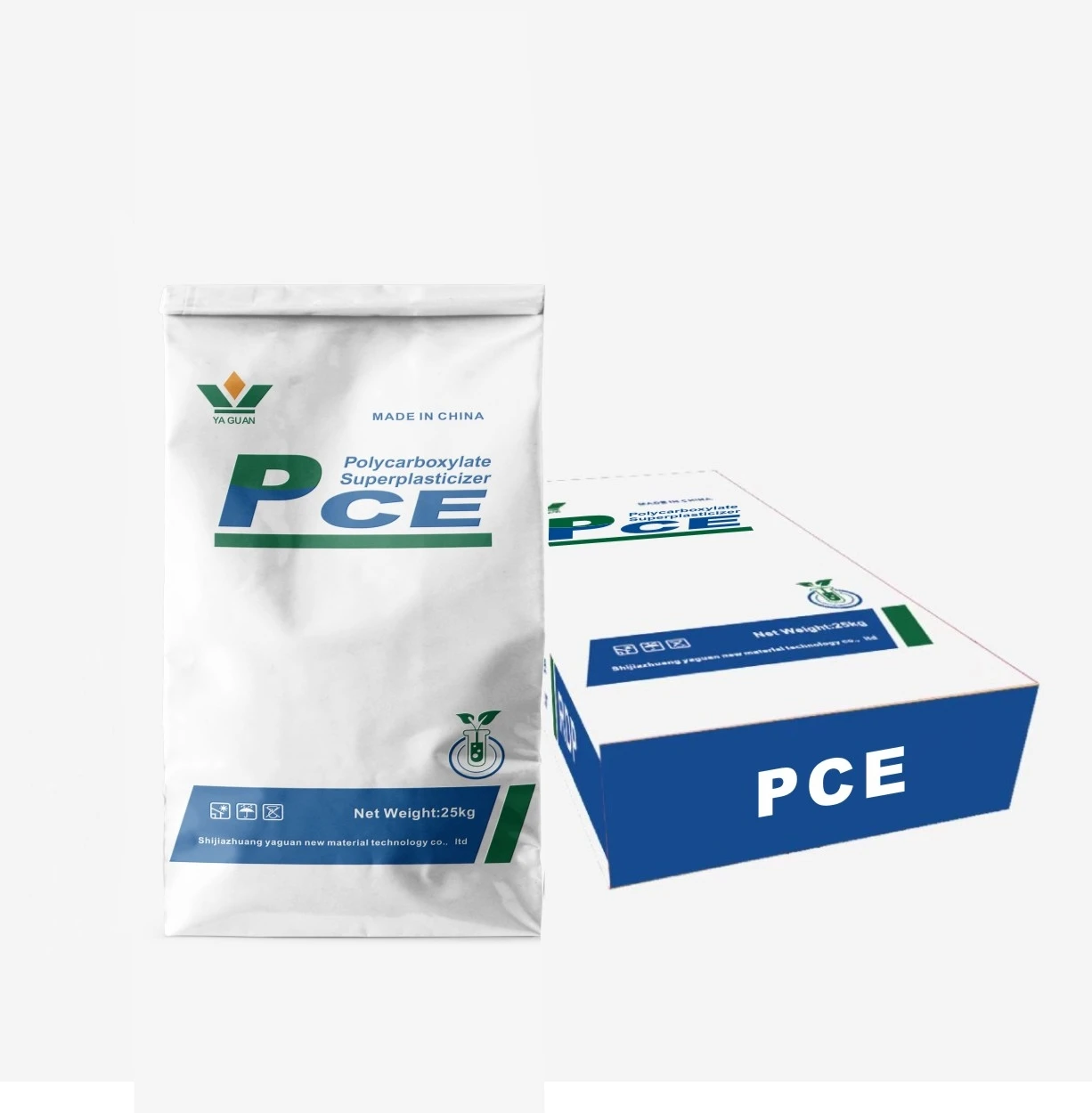
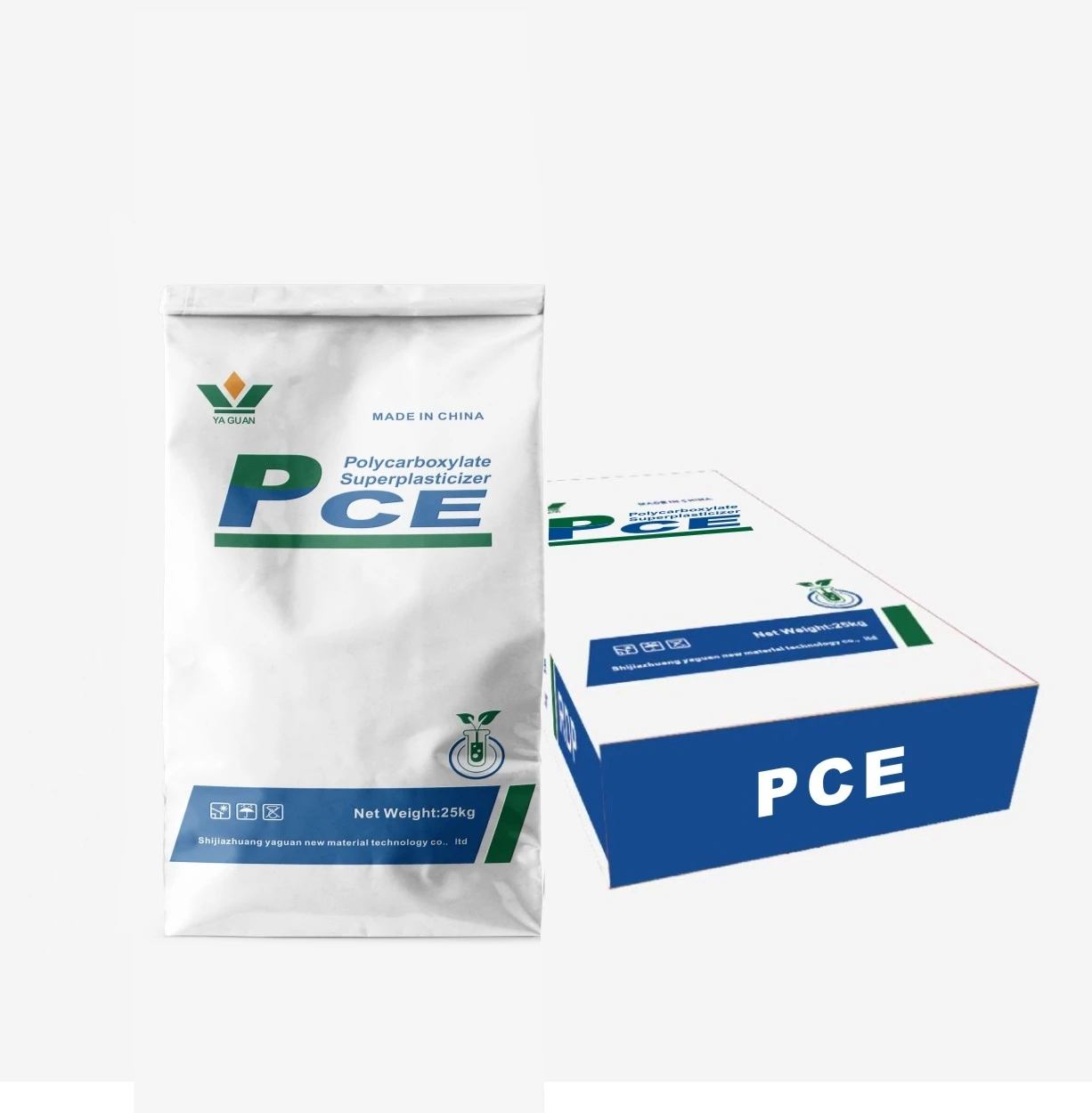
Polycarboxylate ethers (PCEs) are a newer generation of high-range water reducers. Unlike traditional superplasticizers, these work by adsorbing onto cement particles and providing steric hindrance. The result? Cement grains stay dispersed, preventing clumping, which improves flow without extra water. It feels like magic compared to the older products, which relied more on electrostatic repulsion and seemed less effective at lower dosages.
From my time on site, I noticed many engineers prefer PCE-based products because they offer better slump retention and are adaptable to different cement types — which is critical given the variability in regional raw materials. And oddly enough, since they reduce bleeding and shrinkage, they help ensure longevity of the concrete, reducing costly repairs down the road.
Typical Product Specifications of Polycarboxylate Water Reducers
| Parameter | Typical Range | Units |
|---|---|---|
| Solid Content | 20–30 | % |
| pH Value | 6.0–9.0 | — |
| Water Reduction Rate | 12–20 | % |
| Density | 1.05–1.10 | g/cm³ |
| Storage Stability | ≥6 | months |
Vendor Comparison: Leading Polycarboxylate Water Reducer Producers
| Company | Water Reduction Efficiency | Slump Retention (hrs) | Customization Options | Typical Applications |
|---|---|---|---|---|
| Yaguan HPMC | 18–20% | 4–6 | High – tailored polymers | Ready-mix, precast, infrastructure |
| BASF MasterGlenium | 15–18% | 3–5 | Moderate – standard formulas | Commercial, industrial concrete |
| Sika ViscoCrete | 16–19% | 3–4 | Moderate – some customization | Infrastructure, marine concrete |
| GCP Applied Technologies | 14–17% | 2–5 | Low – ready-to-use products | General-purpose concretes |
One anecdote I always recall: on a job in Midwest US, the project manager was struggling to meet slump requirements during a cold snap. Switching to a high-quality polycarboxylate water reducer from Yaguan improved consistency so much that the floor finished ahead of schedule. The mix stayed workable longer, which made pouring large slabs less stressful — you know the feeling when time’s ticking and you can’t afford to rush a mix.
In real terms, these products not only enhance performance but can also reduce material costs by lowering cement and water usage. Many folks underestimate how incremental such improvements are until they’ve been burned by poor admixtures.
While polycarboxylate water reducers are versatile, keep in mind that formulation can vary widely between vendors. Testing compatibility with your cement and aggregate locally is wise, especially if you’re producing specialty concrete like ultra-high performance or pumped concrete. Some suppliers offer formulations optimized for hot weather concreting or enhanced durability — talk about specialization.
Honestly, from my experience and industry chatter, if you’re sourcing polycarboxylates for a serious project, turn to reliable vendors offering technical support and customization. It’s not just a commodity, but a key ingredient for success.
To sum up, investing time in selecting and understanding your polycarboxylate water reducer will pay dividends in concrete quality and project efficiency.
References:
1. Ramachandran, V.S., “Concrete Admixtures Handbook,” 2001.
2. Neville, A.M., “Properties of Concrete,” 5th Edition, 2011.
3. Industry reports and product datasheets of leading admixture suppliers.