
Polycarboxylates in Concrete: Why They’ve Become Industry Staples
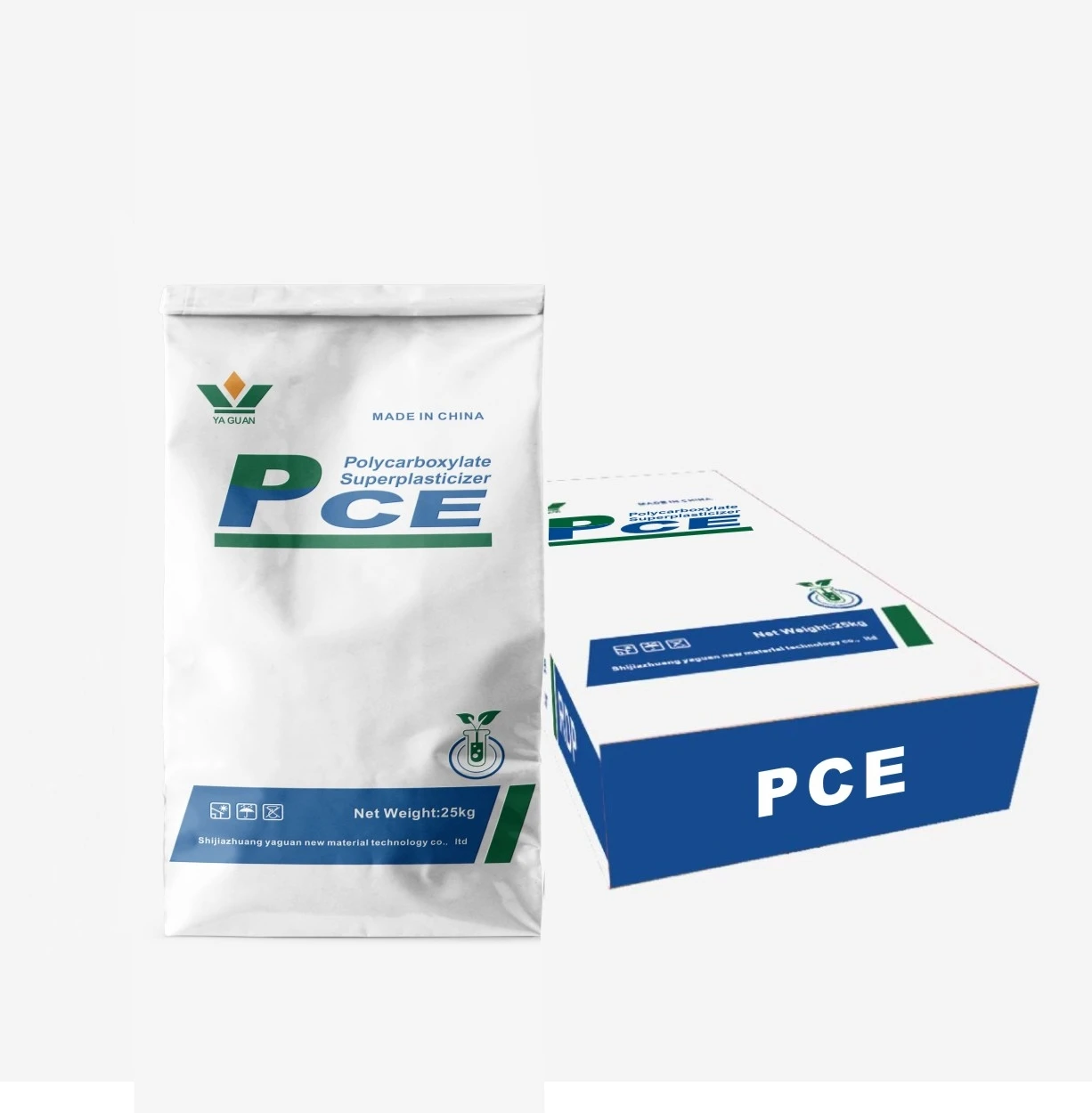
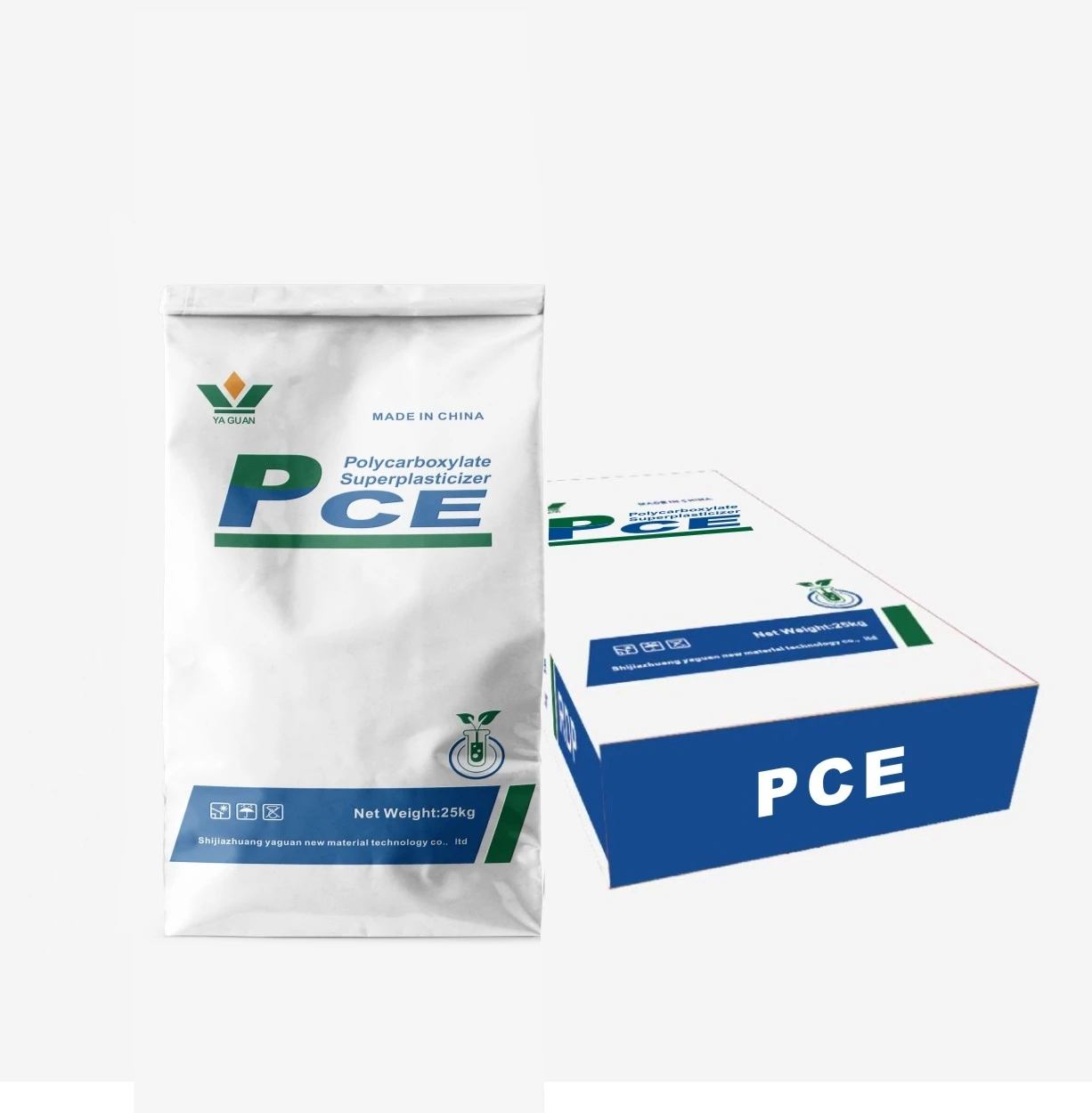
Having spent over a decade dabbling in the industrial equipment and construction chemicals scene, I can say polycarboxylate ethers—commonly called PCEs—are something of a game-changer. If you’ve worked in concrete production or admixtures, you probably have a love-hate relationship with concrete shrinkage and workability. That’s where polycarboxylates come in. Oddly enough, these molecules pretty much deliver what everyone wants: better fluidity with less water, stronger mixes, and reduced cracking.
Back in the day, we relied heavily on older generation superplasticizers like lignosulfonates or melamine sulfonates. They got the job done but with limitations—often compromising strength or prompting quick slump loss. Polycarboxylates changed the game because they work on a more sophisticated principle: a comb-like polymer structure that sterically hinders particle agglomeration. In real terms, this means cement particles stay separated more effectively, retaining flow and strength longer.
I remember working with a mid-sized ready-mix plant in the Midwest, where switching to polycarboxylate admixtures noticeably reduced water usage by nearly 15%, a figure confirmed by their lab chemist after some thorough slump and compressive strength testing. Not only did customers report easier pumping and finishing, but their maintenance fees on pumps dropped because the mix was less abrasive. So yes, it feels like a win all around.
Breaking Down the Product Specs
| Specification | Typical Value | Notes |
|---|---|---|
| Solid content | 40 ± 2% | Concentrated liquid |
| pH | 6–8 | Neutral to slightly alkaline |
| Density | 1.05 ± 0.02 g/cm³ | Typical for PCE liquid admixtures |
| Dosage | 0.05%–0.3% by weight of cement | Depends on application |
| Storage | >0°C to 40°C | Protect from freezing |
Choosing Polycarboxylate Suppliers: A Quick Comparison
| Vendor | Product Range | Customization Level | Support & Testing | Price Point |
|---|---|---|---|---|
| YaguanHPMC | Wide (PCE + others) | High, tailor-made solutions | Comprehensive lab support | Competitive |
| Vendor B | Moderate | Limited | Basic support | Higher |
| Vendor C | Narrow | Standard | No lab support | Low |
One quick note on usage: many engineers say the magic is in the dosage and compatibility with your specific cement and aggregate. I’ve seen projects where improper dosing caused unexpected retardation or poor set times. It underscores why working closely with suppliers who offer lab support is a good idea. For me, a collaborative approach beats just ordering off the shelf.
In addition to typical applications like ready-mix concrete, precast, and self-leveling compounds, I find PCEs increasingly used in performance concretes—think ultra-high strength or lightweight mixes where traditional admixtures just won’t cut it. It feels like the industry is embracing digital and data-driven mixing methodologies, and admixtures like polycarboxylates are central to pushing boundaries.
If you’re looking at upgrading your admixture lineup, this page might be a great place to start exploring options, especially when considering polycarboxylates that have been proven in the field. The investment usually pays for itself in better workflow and longevity of concrete infrastructure.
Final thoughts
Frankly, while there’s a bit of hype around “new” admixtures, polycarboxylates really do offer versatile solutions that I’ve found to hold up under pressure. Still, it’s worth remembering no chemical is a silver bullet—you have to know your mix and test. But for anyone serious about pumping up their concrete game, these are worth a closer look.
Sources & Further Reading:
- ACI Committee 212 – Chemical admixtures for concrete.
- International Cement Review - Trends in superplasticizers.
- Technical bulletins from YaguanHPMC chemical products.
Thanks for reading. Here’s to stronger, smarter concrete – one pour at a time.