
Understanding Polycarboxylic Acid Superplasticizer and Its Industrial Edge
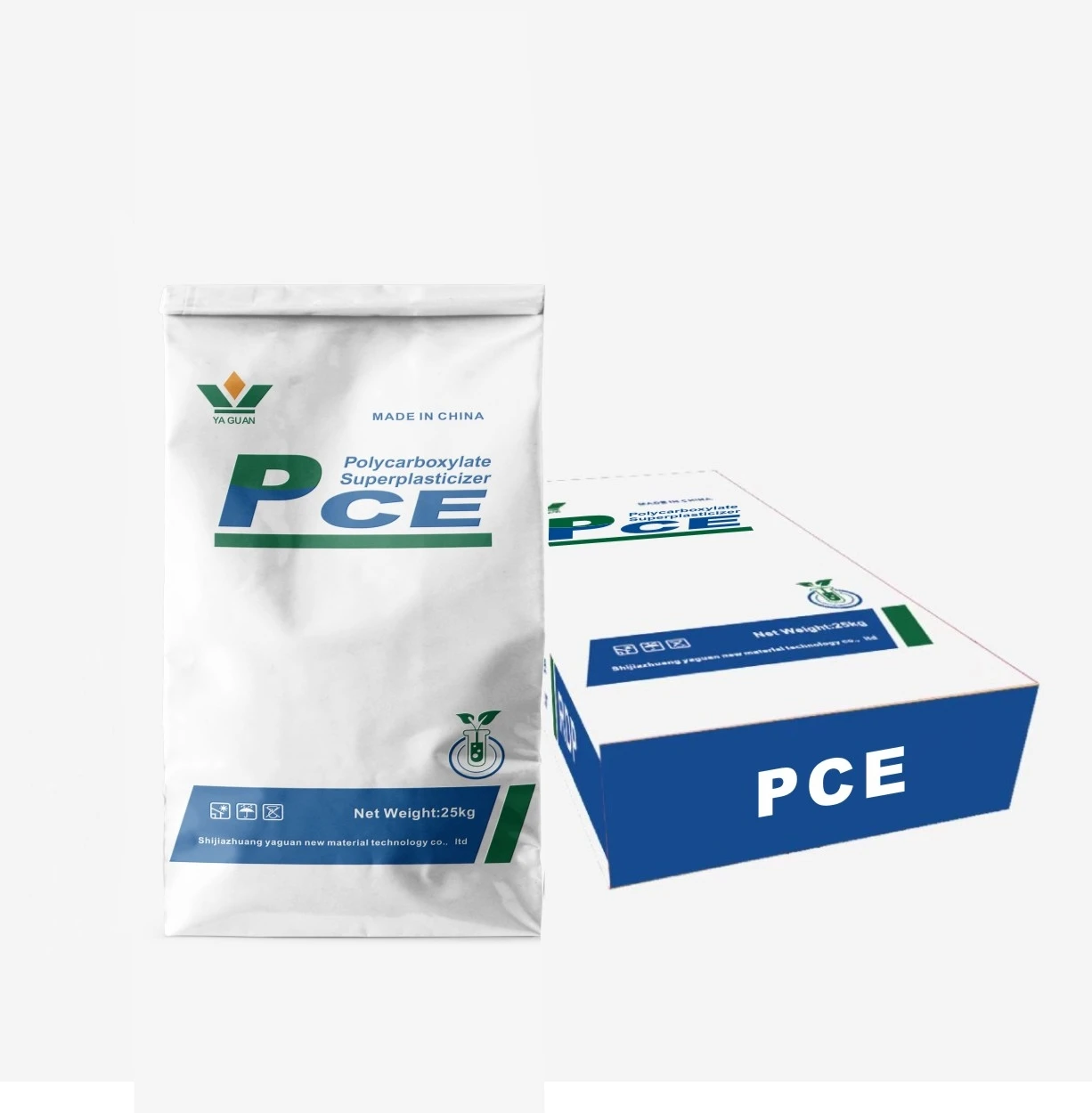
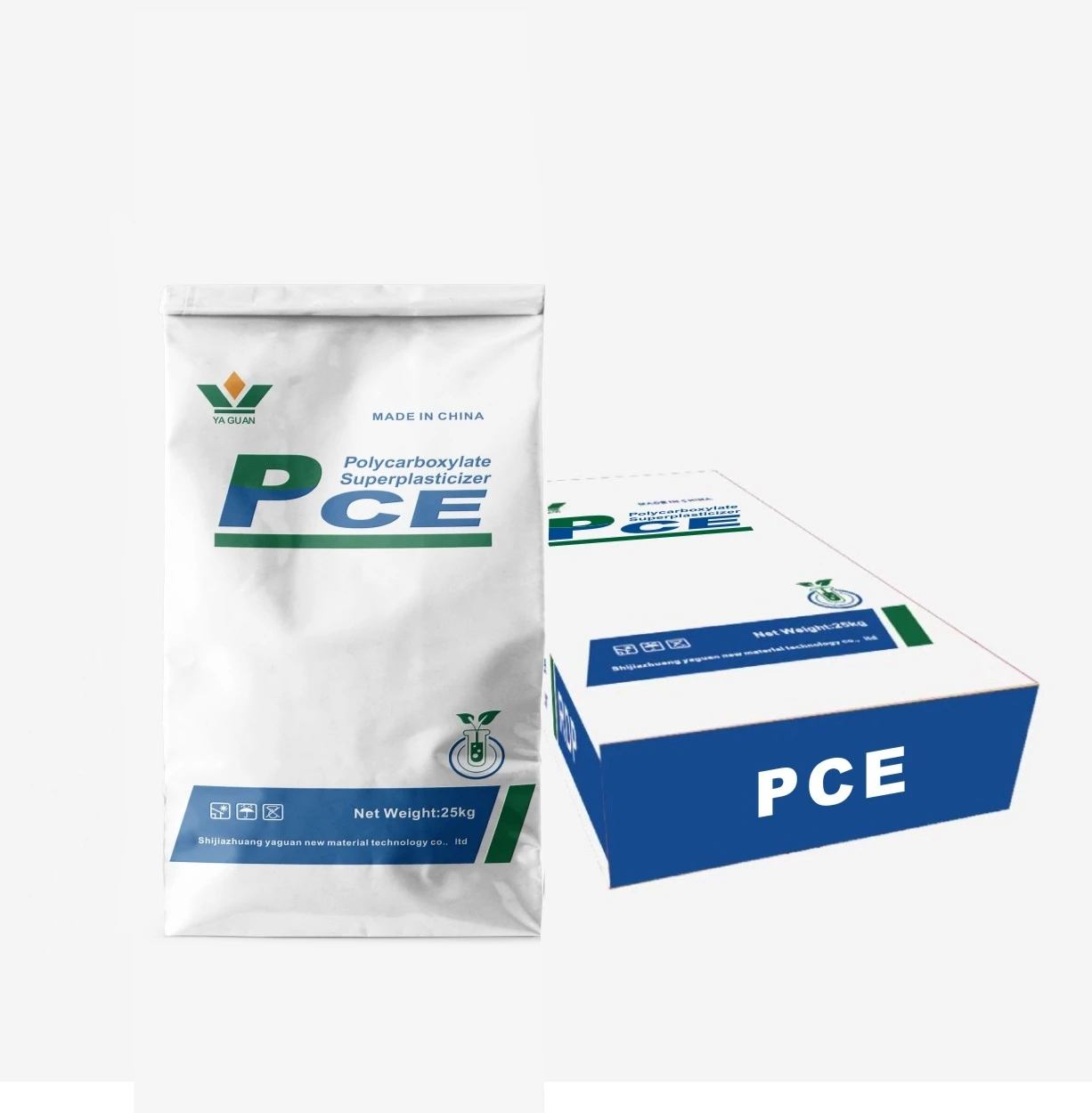
Having spent years in the industrial equipment sector, it’s fair to say that polycarboxylic acid superplasticizer is one of those game-changers you only appreciate once you see it in action. This specialized admixture isn’t just another additive—it’s the secret behind quality concrete mix designs pushing modern construction and infrastructure projects forward.
In real terms, this superplasticizer stands out because it dramatically improves workability without the need for excess water. You might recall those days doing site visits where the snag was always concrete slump dropping too fast or compensating with water that ended up weakening the whole batch—frankly, a constant struggle. Polycarboxylic acid variants changed that for me, boosting fluidity and strength simultaneously. Oddly enough, many engineers I know still underestimate how tailored formulations can maximize performance depending on project specifics.
What Makes Polycarboxylic Acid Superplasticizers So Special?
Simply put, the molecular design of polycarboxylic acids features comb-like polymer structures that provide excellent dispersion of cement particles. This reduces flocculation — the clumping that notoriously hinders workability. Because the cement is more evenly suspended, you get a smoother, more workable mix that sets stronger. I’ve always found this fascinating because it’s a neat example of chemistry solving a very practical, physical world problem.
On the manufacturing side, this admixture is synthesized through free radical polymerization processes, which lets producers tweak molecular weights and side chain lengths to customize performance. This flexibility is important for heavy-duty applications—think bridges, tunnels, or precast elements—where demands differ on flowability, strength gains, or durability. In fact, Yaguan’s line offers plenty of batch-to-batch consistency which is crucial when you rely on exact strengths and work intervals.
| Parameter | Value | Unit |
|---|---|---|
| Solid Content | 40 ± 1 | % |
| pH Value | 6 – 8 | |
| Chloride Ion Content | % | |
| Water Reduction Rate | 28 – 38 | % |
| Initial Setting Time | > 45 | minutes |
| Density | 1.08 – 1.12 | g/cm³ |
How Does It Stack up Against Other Superplasticizers?
In the field, you often pit polycarboxylic acid superplasticizers against alternatives like naphthalene sulfonate (NS) or melamine sulfonate (MS) types. Comparing quality, dosage, and performance consistently favors the polycarboxylates—though at a slightly higher price point. They excel in slump retention and long-term strength gains, which can make a difference in large-scale pours or precast elements.
| Feature | Yaguan | Competitor A | Competitor B |
|---|---|---|---|
| Water Reduction Efficiency | 36% | 30% | 28% |
| Setting Time Control | Excellent | Good | Fair |
| Slump Retention | >120 mins | 90 mins | 80 mins |
| Dosage Range | 0.3% - 1.2% | 0.4% - 1.2% | 0.5% - 1.0% |
| Price Competitiveness | Moderate | Low | Low |
One vivid project that comes to mind was a highway expansion in the Midwest. The contractor was struggling with early cracking and inconsistent strengths. Introducing a polycarboxylic acid superplasticizer sourced from Yaguan not only improved fluidity dramatically but also reduced shrinkage cracking — a subtle yet critical win they still talk about. It’s a reminder of how small chemistry changes can yield big real-world benefits.
When looking to specify or purchase, I always recommend focusing on vendors who offer excellent technical support and customized solutions because not all projects are one-size-fits-all. And frankly, when concrete quality is on the line, I’d rather pay a bit more for reliability.
Final Thoughts
Whether you’re a contractor, supplier, or engineer, polycarboxylic acid superplasticizers have become indispensable in pushing concrete performance boundaries. They feel like the gold standard for workability and durability nowadays — a trend only growing as projects get more demanding. If you haven’t experienced their impact yet, it’s worth looking into further; the difference can be surprisingly transformative.
References:
1. Neville, A. M. (2011). Properties of Concrete. Pearson Education.
2. Yaguan Industrial Product Datasheet, 2023.
3. Siddique, R. (2008). Superplasticizers and Their Influence on Concrete. Construction & Building Materials Journal.