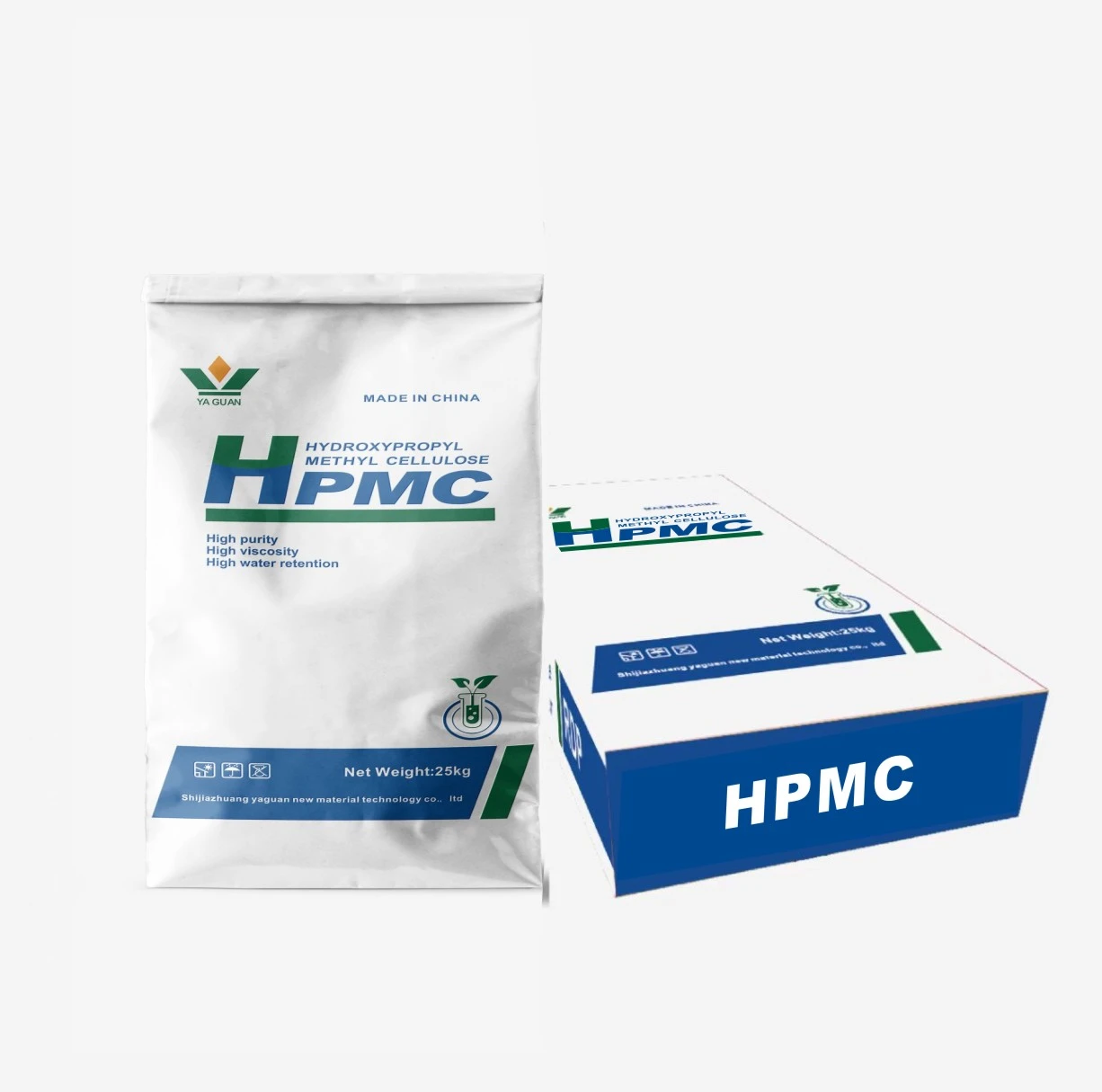

Understanding Polymer HPMC: A Key Component Transforming Industries Worldwide
Polymer HPMC isn’t something most of us think about daily, yet it quietly powers numerous products and solutions that impact our lives globally. Short for Hydroxypropyl Methylcellulose, polymer HPMC is a versatile, cellulose-based polymer with a slew of industrial and humanitarian applications—from pharmaceuticals to construction, even to food production. Grasping its significance opens a window into how modern technologies and sustainable materials reshape the way industries meet challenges like durability, safety, and scalability on a global scale.
Introduction: Why Polymer HPMC Matters Globally Today
In a world increasingly focused on sustainability and efficiency, polymer HPMC holds a unique position. The global demand for cellulose derivatives, including polymer HPMC, is projected to grow at a healthy clip, with some estimates suggesting more than 5% CAGR over the next decade. Organizations like the ISO and the United Nations Statistics Division highlight the critical role of eco-friendly polymers in green manufacturing and humanitarian products—especially in developing regions.
But here’s the kicker: many industries face the challenge of balancing product performance with sustainability goals, and polymer HPMC seems to offer a near-perfect bridge. Whether it’s enabling better drug delivery systems or improving the consistency and workability of construction materials, it’s become a quiet hero in tackling global challenges like resource scarcity and environmental impact.
What Exactly Is Polymer HPMC?
Put simply, polymer HPMC is a chemically modified cellulose polymer. It’s derived from natural cellulose but treated to enhance solubility, thermal resistance, and adhesive properties. You can think of it as cellulose's more flexible and functional sibling. This transformation means polymer HPMC finds its way into everything from thickening agents in paints to binders in pharmaceuticals.
Its connection to modern industry and humanitarian needs is surprising yet logical. The material is non-toxic, biodegrades relatively well, and is robust enough for demanding applications. That’s why it features prominently in emergency relief shelters, controlled-release medications, and eco-friendly packaging solutions.
Core Components and Key Attributes of Polymer HPMC
1. Durability and Thermal Stability
One of the standout attributes of polymer HPMC is its ability to maintain integrity under varied temperature conditions. For instance, in construction, it improves the freeze–thaw resistance of concrete mixtures. This durability is crucial in harsh climates, where material failure isn’t just annoying—it’s dangerous.
2. Water Retention and Solubility
The polymer excels at retaining moisture, an important factor for consistent product performance. In pharmaceutical tablets, this means improved controlled drug release. In building plasters, better hydration translates to smoother finishes and longer workability time.
3. Scalability and Customization
Thanks to ongoing R&D, polymer HPMC formulations can be scaled from small-batch pharmaceutical uses to large-scale industrial paints and adhesives. Variants with different molecular weights and substitution degrees let manufacturers tweak viscosity, gelling time, and other factors.
4. Eco-friendliness and Safety
Perhaps the most compelling benefit is its renewable origin and low toxicity. Unlike petroleum-derived polymers, polymer HPMC doesn't emit harmful VOCs during application, aligning it with stringent environmental regulations worldwide.
5. Cost Efficiency
While quality polymer HPMC might be pricier than basic cellulose ethers, its multi-functionality often cuts costs elsewhere—for example, reducing the need for additives or expensive processing steps.
Global Applications & Real-World Use Cases
Polymer HPMC’s versatility is reflected in its widespread adoption across continents and industries:
- Pharmaceuticals: It’s used as a binder and controlled-release agent in tablets, ensuring precise dosage and enhanced patient compliance—vital in developing nations with limited healthcare access.
- Construction: Enhances mortar, plaster, and tile adhesives, especially in regions where rapid urbanization demands quick, reliable, and affordable building solutions.
- Food Industry: Serves as a thickener and emulsifier in dietary products, aligning with health trends worldwide.
- Disaster Relief Operations: NGOs incorporate polymer HPMC materials into portable shelter composites for quick assembly and long-term durability under rugged conditions.
Oddly enough, some remote industrial zones in Southeast Asia praise polymer HPMC for its consistent supply chain and performance in humid tropical climates—a testament to its adaptability.
Product Specifications at a Glance
| Property | Typical Range | Unit | Notes |
|---|---|---|---|
| Methoxy Substitution | 19–30% | Weight % | Affects solubility |
| Hydroxypropyl Substitution | 4–12% | Weight % | Influences viscosity |
| Viscosity (@2%, 20°C) | 400–4000 | mPa·s | Adjustable per application |
| pH Stability | 6–8 | pH | Ideal pH range for use |
Comparing Top Polymer HPMC Vendors
| Vendor | Product Range | Pricing | Global Reach | Sustainability Initiatives |
|---|---|---|---|---|
| Yaguan HPMC | Broad—pharma, construction, food | Competitive | Strong in Asia, expanding globally | Carbon-neutral production goals |
| Celecox Chemicals | Focusing on pharma & cosmetics | Higher-end | Europe, North America | Eco-friendly packaging |
| CelluloTech | Industrial & specialty grades | Mid-tier pricing | Global | Sourcing certified cellulose |
The Advantages and Long-Term Value of Polymer HPMC
Beyond specs and markets, the true value of polymer HPMC lies in what it enables. For businesses, it means reduced waste and compliance with emerging environmental laws. For consumers, it’s often about safer, higher-quality products—like medication that works better or homes built faster without compromising on quality.
On a more emotional note, we can look at polymer HPMC as a material that supports safety and dignity. In disaster zones where temporary shelters rely on materials reinforced by HPMC, people regain some control in chaotic times. For innovators, it’s a canvas for “greener” solutions that still deliver strong performance. And frankly, who doesn’t appreciate innovation that feels responsible and trustworthy?
Looking Ahead: Future Trends and Innovations
It’s an exciting time. Polymer manufacturers are integrating digital transformation to better tailor HPMC grades with AI-driven predictive models. Green energy influences how raw materials are sourced and processed, while automation brings consistent quality to high-demand manufacturing flows.
We’re also seeing advances in bio-based derivatives—basically, even cleaner, more biodegradable polymers branching off. This aligns tightly with global sustainability frameworks like those from the United Nations Sustainable Development Goals (SDGs).
Common Challenges and How Experts Are Overcoming Them
Despite so many strengths, polymer HPMC isn’t a silver bullet. Issues like batch-to-batch variability and sensitivity to extreme pH still pose challenges. But many R&D teams are hard at work refining processing conditions and stabilizer formulations to address these:
- Improved quality control: Applying more rigorous in-line testing during production phases.
- Customized formulations: Tailoring substitution levels to specific environments.
- Supply chain optimization: Working with sustainable cellulose growers to ensure raw material consistency.
FAQ: Practical Questions About Polymer HPMC
Q1: What makes polymer HPMC preferred over traditional cellulose ethers?
A1: Polymer HPMC offers enhanced thermal stability and moisture retention, leading to better product longevity and performance compared to traditional cellulose ethers. Plus, its versatility across industries—from pharma to construction—makes it a preferred choice.
Q2: How do different grades of polymer HPMC affect its application?
A2: Viscosity and substitution degree influence workability and final product texture. Lower viscosity HPMC is ideal for liquids and coatings, while higher viscosity grades work better in thick pastes like tile adhesives.
Q3: Is polymer HPMC biodegradable and environmentally safe?
A3: Yes, since it’s derived from cellulose, polymer HPMC is biodegradable and generally considered environmentally friendly, although degradation rates depend on environmental conditions.
Q4: Can NGOs use polymer HPMC materials in emergency relief projects?
A4: Absolutely. Polymer HPMC-based materials offer fast setting and durable properties ideal for shelters, improving comfort and safety in post-disaster settings.