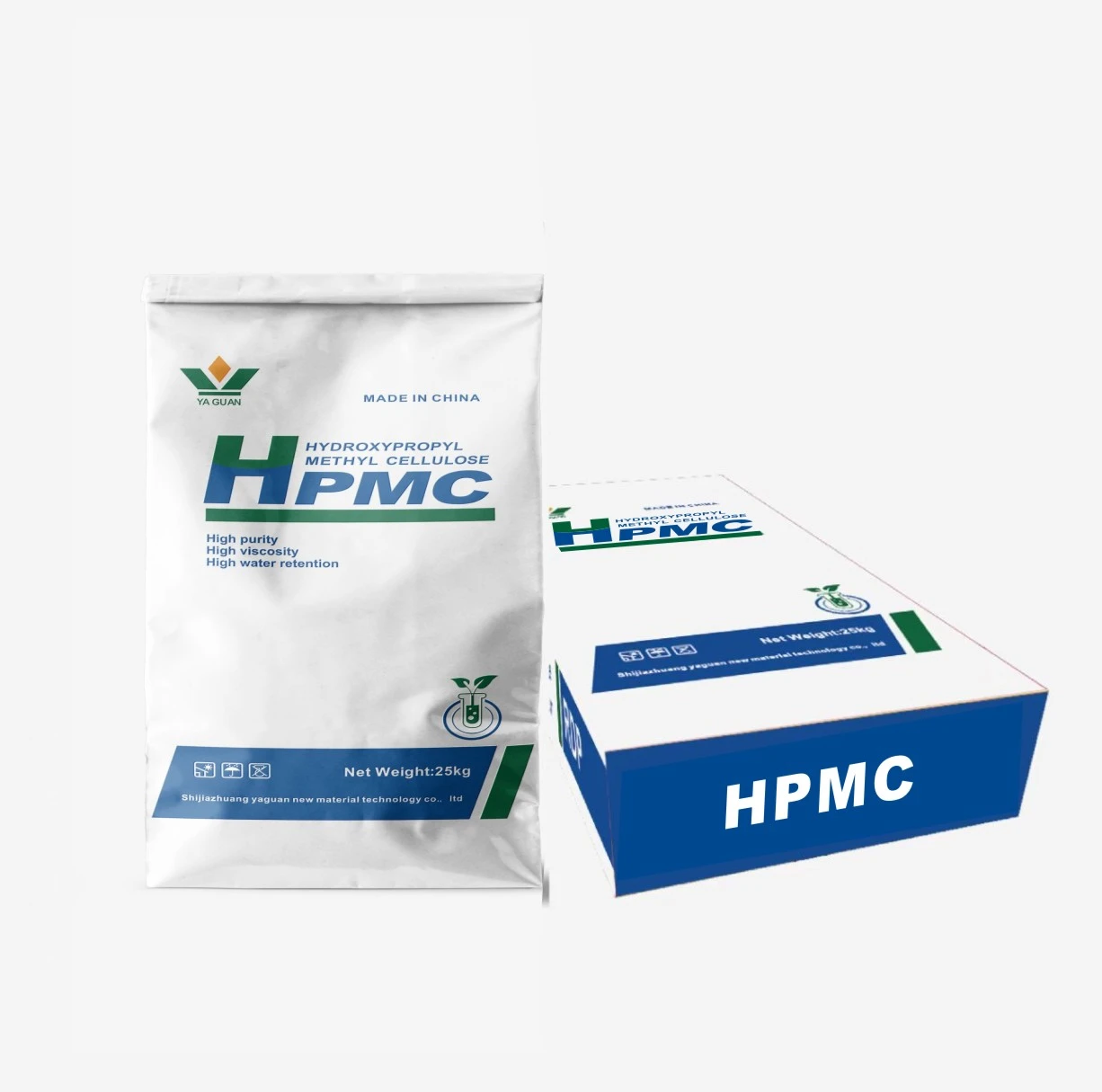

The Viscosity of HPMC: Why it Matters in Today's Industries
Hydroxypropyl methylcellulose, better known as HPMC, might sound like a mouthful of chemistry jargon, but its viscosity—the way it flows and thickens—has quietly become a crucial factor across multiple industries worldwide. This seemingly niche property affects everything from construction materials that hold our homes together to pharmaceutical gels protecting our health. Understanding the viscosity of HPMC isn't just academic; it plays a part in improving product quality and sustainability globally. Let’s unravel why this characteristic commands such attention and how it benefits sectors spanning continents.
Global Relevance: A Fluid Challenge Across Markets
Globally, the demand for reliable, versatile, and sustainable materials has skyrocketed. According to the International Cellulose Fibre Association, the cellulose derivatives market—including HPMC—is expected to grow by roughly 5.5% annually through 2028. Why? Because HPMC’s viscosity affects not only texture but also performance. Construction projects from Dubai's booming skyscraper projects to sanitary products made in Germany rely heavily on carefully calibrated viscosity grades to ensure consistent application and end-product reliability.
But here’s the rub: controlling viscosity is a tricky game. If it’s too thick or too thin, it can lead to poor quality, waste, and costly rework. For industries governed by strict ISO standards and sustainability measures, like packaging or food manufacturing, getting this just right can literally save millions. Hence, viscosity of HPMC stands at the crossroads of innovation and practical global challenges.
Mini takeaway: The global HPMC market’s growth hinges on viscosity control to balance performance and sustainability amid rising industrial demands.
What Exactly is the Viscosity of HPMC?
Put simply, viscosity is the measure of a fluid's resistance to flow. Imagine honey versus water—honey is more viscous; it flows slower. HPMC, a cellulose derivative obtained by chemically modifying natural cellulose, forms aqueous solutions whose viscosity can be tailored during production. It behaves like a glue or thickening agent, depending on molecular weight and degree of substitution during processing.
In industry, the viscosity of HPMC determines how it performs as a binder, stabilizer, or film-former. For example, in cement mixtures used to build housing, an HPMC with too low viscosity might cause the concrete to slump, while too high viscosity could make it hard to pump. So, viscosity is no mere footnote—it’s central to crafting HPMC-based products that perform safely and predictably.
Mini takeaway: Viscosity pinpoints how HPMC solutions behave, influencing product quality from construction binders to pharmaceutical gels.
Core Factors Influencing HPMC Viscosity
Molecular Weight
The heavier the polymer chains, the higher the viscosity. Manufacturers adjust molecular weight to match the intended application.
Degree of Substitution (DS)
This refers to how many hydroxyl groups in cellulose are replaced chemically. DS affects not just solubility but also thickening power.
Concentration in Solution
Higher concentrations create denser networks and greater resistance to flow—obviously raising viscosity.
Temperature and pH
Both factors alter viscosity. Most HPMC grades shear-thin with warmth; some are sensitive to alkaline or acidic environments.
Shear Rate
In processing, applying force (shear) breaks down molecular entanglements, temporarily lowering viscosity. This effect is vital for pumping and mixing.
Mini takeaway: Viscosity of HPMC depends on a blend of chemistry and environment—tailoring these parameters guides tailored industrial solutions.
Worldwide Applications: A Versatile Resource
The viscosity of HPMC plays starring roles in:
- Construction: In the Middle East and Asia, HPMC solutions optimize tile adhesives and cement mortars, ensuring strong, crack-resistant finishes.
- Pharmaceuticals: European and North American manufacturers rely on specific viscosities for eye drops and controlled-release tablets.
- Food: From vegan ice cream in Australia to gluten-free breads in South America, HPMC viscosity controls texture and mouthfeel.
- Personal Care: Lotions and shampoos use viscosity to strike that fine balance between spreadability and stability.
- Disaster Relief: In remote industrial zones or post-earthquake rebuilding efforts, consistent mortar viscosity with HPMC enables faster, reliable construction by field crews.
Mini takeaway: Viscosity versatility lets HPMC adapt globally—from comfort foods to critical construction support in disaster zones.
Advantages and Long-Term Value of Proper Viscosity Control
Achieving the right viscosity means more than better flow. It directly translates into:
- Cost Efficiency: Less waste, lower energy use during processing, and improved product consistency.
- Sustainability: By enabling the replacement of synthetic thickeners with bio-based HPMC, industries reduce environmental footprint.
- Reliability & Safety: Especially in pharmaceuticals and construction, correct viscosity ensures stability and usability, reducing risks.
- Customer Satisfaction: End-users experience improved product performance and quality.
Emotionally speaking, there’s a profound trust built when products “just work”—whether it’s a cream that spreads easily or a building material that holds firm through weather and time.
Mini takeaway: Viscosity affects everything downstream — financial savings, planet-friendly practices, and consumer confidence all hinge on it.
Future Trends and Innovations Impacting Viscosity of HPMC
Looking ahead, researchers and producers are pushing boundaries:
- Green Chemistry: Developing lower alkoxy-substituted HPMC variants to improve biodegradability without sacrificing viscosity control.
- Digital Monitoring: Inline viscosity sensors allow real-time adjustment during mixing and formulation, minimizing defects.
- Automation and AI: Predictive modeling of viscosity responses accelerates formulation processes, improving speed and accuracy.
- Sustainability Policies: Stricter ISO standards encourage use of bio-based HPMC in food and pharma, driving innovation in viscosity engineering.
Mini takeaway: The viscosity of HPMC is not static; it evolves with a blend of material science and digital tech to meet tomorrow’s sustainability goals.
Challenges and Practical Solutions
The main hurdles:
- Batch Variation: Slight differences in raw cellulose sources can swing viscosity unpredictably.
- Temperature Sensitivity: Cold or hot climates challenge consistent performance on-site or on-shelf.
- Compatibility: Mixing HPMC with complex active ingredients can alter viscosity unexpectedly.
Experts recommend advanced rheological testing combined with adaptive formulation strategies. For instance, adding small amounts of stabilizers or using dual molecular weight blends can even out viscosity inconsistencies. Also, on-demand viscosity monitoring with handheld devices is increasingly common on worksites, meaning quality control happens in real time rather than after the fact.
Mini takeaway: The viscosity puzzle is complex but manageable through smart testing, formulation, and real-time process control.
Specification Table: Typical HPMC Viscosity Grades
| Grade | Viscosity @2% (mPa·s) | Application | Typical Molecular Weight |
|---|---|---|---|
| Low Viscosity (E4) | 3,000–5,000 | Pharma, Food Stabilizer | ~40,000 g/mol |
| Medium Viscosity (E15) | 15,000–25,000 | Tile Adhesives, Mortars | ~70,000 g/mol |
| High Viscosity (E50) | 45,000–65,000 | Construction, Sealants | ~120,000 g/mol |
Vendor Comparison: Key HPMC Suppliers
| Supplier | Viscosity Range (mPa·s) | MOQ | Geographical Reach | Customization |
|---|---|---|---|---|
| Yaguan Chemicals | 3,000 to 70,000 | 1 Ton | Asia, EMEA, Americas | Tailored Molecular Weight & DS |
| CelluPoly Inc. | 6,000 to 50,000 | 2 Tons | North America, Europe | Standard Grades |
| BioCell Solutions | 5,000 to 65,000 | 500 kg | Asia-Pacific, EMEA | Low Alkoxy Variants |
FAQ: Your Questions About Viscosity of HPMC
- What does viscosity mean for HPMC performance in construction?
- Viscosity determines how well HPMC thickens building materials like mortar. Proper viscosity prevents sagging and ensures smooth application, affecting final strength and durability.
- How does HPMC viscosity impact pharmaceutical products?
- In pharma, specific viscosity levels help control drug release and texture in gels or tablets, influencing effectiveness and patient comfort.
- Can viscosity of HPMC be customized for different industries?
- Yes! Manufacturers can tailor viscosity by adjusting molecular weight and chemical substitution, producing grades suited for anything from food stabilizers to sealants.
- Why does temperature affect the viscosity of HPMC?
- As temperature rises, molecular motion increases, causing the polymer chains to flow more easily and viscosity to drop. This matters in production where heat control is critical.
- Is HPMC viscosity testing standardized globally?
- Standards from organizations like ISO guide viscosity measurement, but slight regional variations exist depending on industry requirements and regulations.
Wrapping It Up: Why Viscosity of HPMC Holds the Key
It’s odd but true that one property—viscosity—can influence so many facets of modern life, from the shelf at your pharmacy to the wall in your home. By mastering the nuances of HPMC viscosity, industries drive cost savings, sustainability, and innovation that reverberate globally. So whether you’re a product developer, engineer, or curious reader, understanding viscosity of HPMC opens doors to smarter, safer solutions in a rapidly evolving world.
Want to dive deeper? Visit our website for detailed product insights and tailored consultation on HPMC grades catering to your specific viscosity needs.