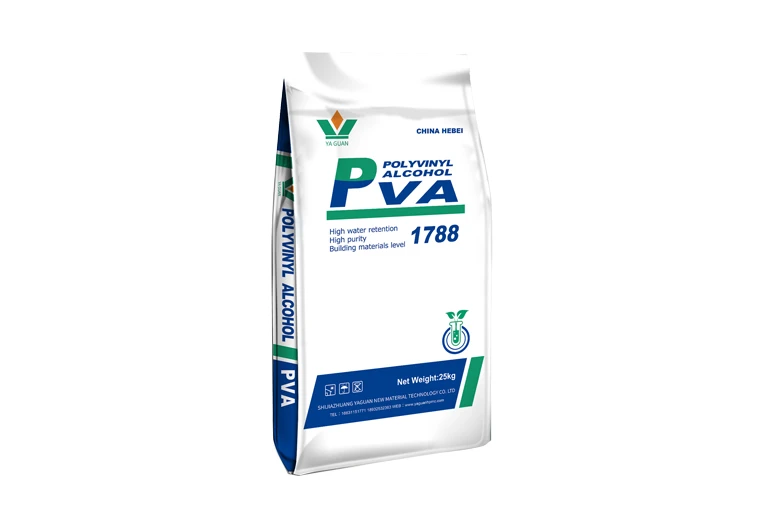
Introduction to Polyvinyl Alcohol (PVA)
Polyvinyl Alcohol (PVA), a water-soluble synthetic polymer, stands as a cornerstone in various industrial applications due to its unique combination of properties, including excellent film-forming capabilities, adhesive strength, chemical resistance, and biodegradability. As a versatile and non-toxic polymer, its applications span from textiles and paper manufacturing to advanced medical devices and construction materials. Understanding its intricate manufacturing processes, specific technical parameters, and broad application spectrum is crucial for B2B decision-makers seeking optimal material solutions. This comprehensive overview delves into the core aspects of PVA, its market dynamics, and its strategic utility in modern industrial ecosystems.
The demand for advanced polymer solutions that combine high performance with environmental responsibility continues to drive innovation. Polyvinyl Alcohol (PVA) meets these evolving requirements, offering a sustainable alternative in many traditionally petroleum-based applications. Its impressive array of characteristics, from its high tensile strength to its effectiveness as an emulsifying agent, positions it as a preferred choice across numerous sectors requiring reliable and high-quality material inputs.
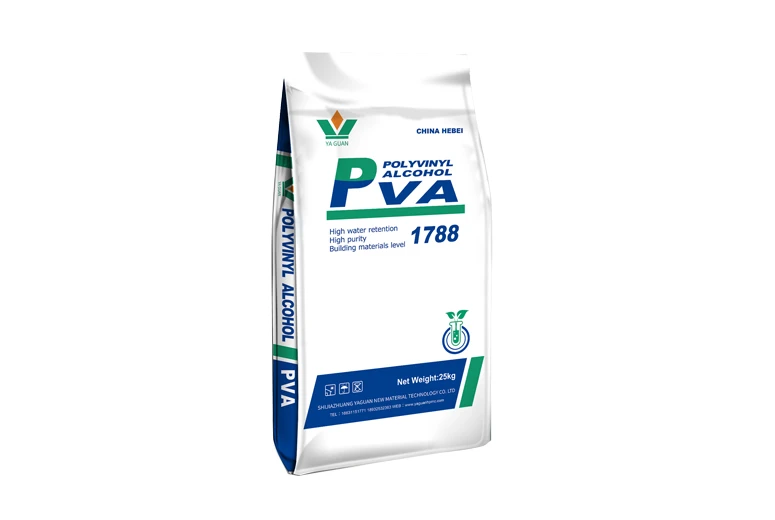
Polyvinyl Alcohol (PVA) Manufacturing Process Flow
The production of Polyvinyl Alcohol (PVA) is a multi-stage chemical synthesis primarily involving the polymerization of vinyl acetate followed by a controlled hydrolysis (saponification) reaction. This process demands precise control over reaction conditions to yield PVA with desired properties such as degree of hydrolysis, molecular weight, and viscosity.
Schematic Manufacturing Steps:
- Monomer Preparation & Purification: High-purity vinyl acetate monomer (VAM) is the primary raw material. Impurities are rigorously removed to ensure product quality and consistency.
- Polymerization of Vinyl Acetate: VAM undergoes free-radical polymerization to form polyvinyl acetate (PVAc). This reaction typically occurs in a solvent (e.g., methanol) using an initiator (e.g., azo compounds, peroxides). Control over temperature, pressure, and initiator concentration dictates the molecular weight distribution of the resulting PVAc.
- Hydrolysis (Saponification): The PVAc solution is then subjected to an alkali-catalyzed transesterification reaction, commonly using sodium hydroxide (NaOH) in methanol. During this crucial step, the acetate groups of PVAc are replaced by hydroxyl groups, converting PVAc into Polyvinyl Alcohol (PVA) and producing methyl acetate as a byproduct. The 'degree of hydrolysis' (or saponification) is meticulously controlled here, as it significantly impacts PVA's solubility, adhesive strength, and film properties.
- Separation & Washing: The synthesized PVA precipitates from the solution and is then separated, typically via centrifugation. Extensive washing with methanol or water is performed to remove residual catalysts, unreacted monomers, and byproducts like methyl acetate. This purification step is vital for the final product's purity and stability.
- Drying & Grinding: The purified PVA wet cake is dried in industrial dryers to achieve the desired moisture content. Following drying, the material is typically ground into a fine powder or granular form, screened, and packaged. Particle size distribution is controlled to meet specific application requirements.
Our manufacturing processes adhere to stringent international testing standards, including ISO 9001 for quality management and ISO 14001 for environmental management. Each batch undergoes rigorous quality control, with parameters like viscosity, degree of hydrolysis, ash content, and volatile matter verified against internal and external specifications. The product's inherent stability and non-toxic nature contribute to an extended service life in its various applications. Target industries benefiting from our high-quality PVA include petrochemicals (as an emulsifying agent), textiles (sizing agent), paper manufacturing (coating and binding), and construction (concrete additive). In water supply and drainage systems, PVA is increasingly used in water treatment membranes due to its excellent film-forming and hydrophilic properties, contributing to energy saving in filtration processes and offering superior corrosion resistance compared to other traditional materials.
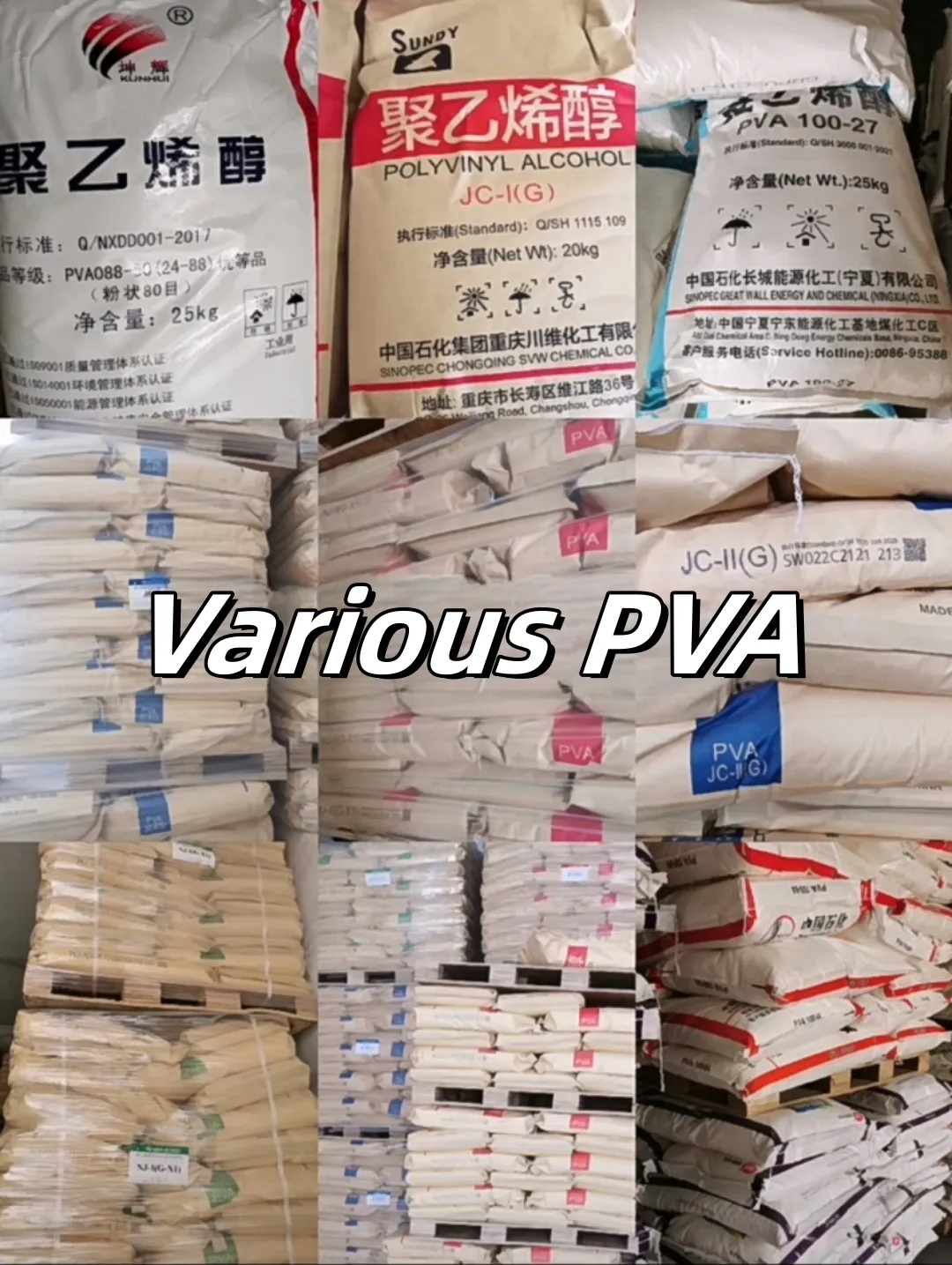
Technical Specifications and Industry Trends of Polyvinyl Alcohol (PVA)
The performance of Polyvinyl Alcohol (PVA) is defined by several key technical parameters, primarily its degree of hydrolysis and viscosity. These parameters are critical for determining its suitability for specific industrial applications. A higher degree of hydrolysis (e.g., fully hydrolyzed PVA) results in superior water resistance, tensile strength, and chemical stability, making it ideal for applications requiring robust film formation. Partially hydrolyzed PVA, on the other hand, exhibits better adhesion to hydrophilic surfaces and faster dissolution rates.
Typical PVA Product Specifications
| Property | Unit | Fully Hydrolyzed (e.g., PVA 24-99) | Partially Hydrolyzed (e.g., PVA 17-88) |
|---|---|---|---|
| Degree of Hydrolysis | mol% | ≥98.0 | 87.0 - 89.0 |
| Viscosity (4% aq. soln., 20°C) | mPa·s | 22.0 - 26.0 | 15.0 - 19.0 |
| Volatile Matter | % | ≤5.0 | ≤5.0 |
| Ash Content | % | ≤0.5 | ≤0.5 |
| pH (4% aq. soln., 20°C) | - | 5.0 - 7.0 | 5.0 - 7.0 |
Current Industry Trends
- Sustainability and Biodegradability: With increasing environmental consciousness, the demand for biodegradable polymers like PVA is surging. Its water solubility and eventual biodegradation in various environments make it highly attractive for packaging films, agricultural films, and disposable products. This trend drives innovation in high-performance, eco-friendly PVA grades.
- Advanced Materials Development: PVA is being increasingly incorporated into composite materials, hydrogels, and nanofibers for high-tech applications in biomedical engineering (e.g., drug delivery, tissue engineering scaffolds), advanced filtration membranes, and smart textiles.
- Enhanced Barrier Properties: Research and development are focused on optimizing PVA's oxygen barrier properties for food packaging, extending shelf life for perishable goods while maintaining biodegradability.
- Digitalization in Manufacturing: The integration of IoT, AI, and advanced analytics in PVA production processes is leading to greater efficiency, reduced waste, and more consistent product quality, enabling precise customization for client needs.
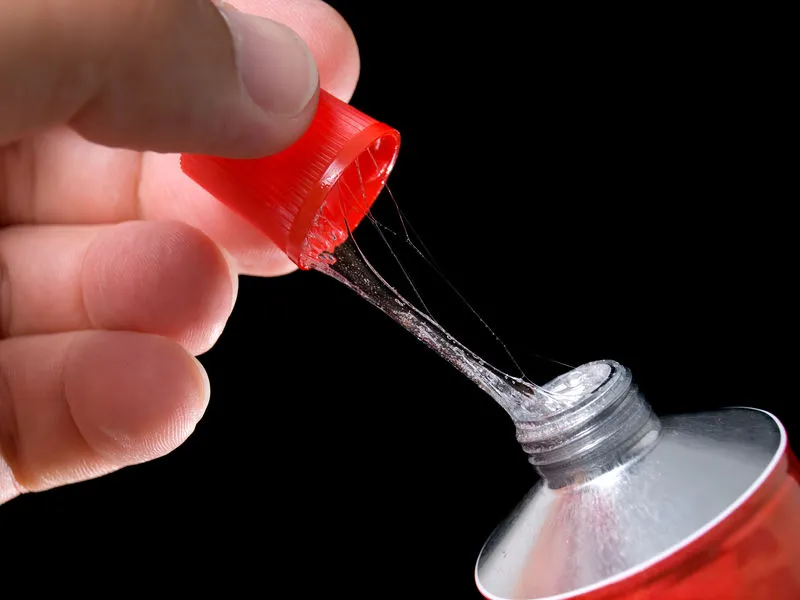
Application Scenarios and Technical Advantages of Polyvinyl Alcohol (PVA)
The versatility of Polyvinyl Alcohol (PVA) allows its deployment across an extensive array of industries, each benefiting from its unique set of properties. From enhancing structural integrity to improving surface finishes, PVA offers significant technical advantages.
Key Application Scenarios:
- Adhesives & Binders: PVA is an excellent adhesive for paper, textiles, and wood due to its strong hydrogen bonding capabilities. In packaging, it’s used in laminating adhesives, providing strong bonds and good adhesion to various substrates.
- Textile Sizing: Used as a warp sizing agent in the textile industry, PVA significantly improves yarn strength, abrasion resistance, and reduces yarn breakage during weaving, leading to higher production efficiency. Its easy removability with water further enhances its appeal.
- Paper Manufacturing: As a surface sizing agent, PVA enhances paper strength, printability, and oil resistance. In specialty papers, it contributes to excellent barrier properties against grease and oxygen.
- Construction Materials: PVA is incorporated into concrete and mortar mixes to improve workability, adhesion, and crack resistance. It acts as a redispersible polymer powder, enhancing flexibility and bond strength in dry-mix mortars, tile adhesives, and self-leveling compounds.
- Emulsion Polymerization: PVA serves as a protective colloid in the emulsion polymerization of vinyl acetate, acrylics, and other monomers, producing stable emulsions used in paints, coatings, and adhesives.
- Films & Packaging: Water-soluble PVA films are utilized for packaging laundry detergents, agrochemicals, and other materials where a controlled release or easy dissolution is desired. These films are also highly effective oxygen barriers for food packaging.
- Medical & Pharmaceutical: Due to its biocompatibility and non-toxicity, PVA is used in contact lenses, artificial organs, drug delivery systems, and surgical sponges.
Technical Advantages:
- Exceptional Film-Forming Properties: PVA forms strong, flexible, and transparent films with high tensile strength and elasticity, crucial for various film and coating applications.
- Superior Adhesion: Its numerous hydroxyl groups enable strong adhesion to cellulosic materials, making it an excellent binder.
- High Oxygen Barrier: Under dry conditions, PVA films offer one of the best oxygen barrier properties among synthetic polymers, critical for food and pharmaceutical packaging.
- Water Solubility & Biodegradability: A distinct advantage, allowing for environmentally friendly waste disposal and specialized applications requiring dissolution.
- Chemical Resistance: Exhibits good resistance to oils, greases, and organic solvents, enhancing the durability of end products.
- Non-Toxic & Biocompatible: Its safety profile allows for use in sensitive applications like food contact, cosmetics, and medical devices, often meeting FDA and other regulatory standards for indirect contact.
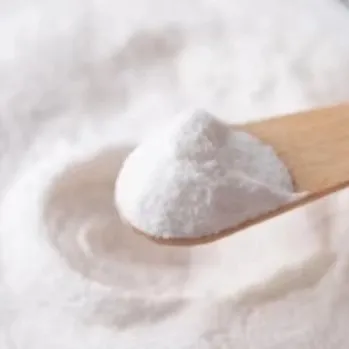
Vendor Comparison and Customized Solutions for Polyvinyl Alcohol (PVA)
Choosing the right supplier for Polyvinyl Alcohol (PVA) is paramount for ensuring consistent product quality, reliable supply chains, and access to technical support. While many suppliers exist, differentiation often lies in their ability to offer consistent quality, comprehensive customization, and robust after-sales service.
Key Factors in Vendor Comparison:
| Criterion | Our Company (Yaguan HPMC) | Typical Competitor A | Typical Competitor B |
|---|---|---|---|
| Product Purity & Consistency | Excellent (Rigorous QA/QC, ISO certified) | Good (Standard QA/QC) | Variable (Dependent on batch) |
| Customization Capabilities | High (Tailored DH, viscosity, particle size) | Limited (Standard grades only) | Moderate (Some blend options) |
| Technical Support & R&D | Proactive (Dedicated R&D team, application support) | Reactive (Basic inquiries) | Limited (Sales-focused) |
| Lead Time & Fulfillment | Fast & Reliable (Streamlined logistics, global network) | Standard (Regional limitations) | Potentially longer (Production constraints) |
| Certifications & Compliance | Comprehensive (ISO, REACH, often FDA-compatible) | Basic (Local standards) | Limited (May require client verification) |
Customized Solutions: Tailored for Your Success
Recognizing that off-the-shelf solutions may not always meet specific industrial demands, we specialize in providing customized Polyvinyl Alcohol (PVA) grades. Our customization capabilities allow clients to achieve optimal performance and cost efficiency for their unique applications.
- Tailored Degree of Hydrolysis: We can fine-tune the degree of hydrolysis to control water solubility, chemical resistance, and adhesive properties, optimizing PVA for specific textile sizing, paper coating, or adhesive formulations.
- Precise Viscosity Control: Custom viscosity ranges ensure ideal processing characteristics for diverse applications, from high-speed coating lines to specialized extrusion processes.
- Optimized Particle Size Distribution: Customized particle sizes can improve dispersion rates, enhance flowability in dry mixes, and prevent agglomeration, critical for applications like cement additives or pharmaceutical excipients.
- Functionalized PVA Grades: For advanced requirements, we can explore co-polymerization or post-modification to introduce specific functionalities, such as enhanced flexibility, improved adhesion to challenging substrates, or specialized reactivity.
Our R&D team works closely with clients, from initial consultation and small-batch trials to full-scale production, ensuring that the customized PVA precisely meets performance specifications and regulatory requirements. This collaborative approach minimizes development cycles and accelerates market entry for new products.
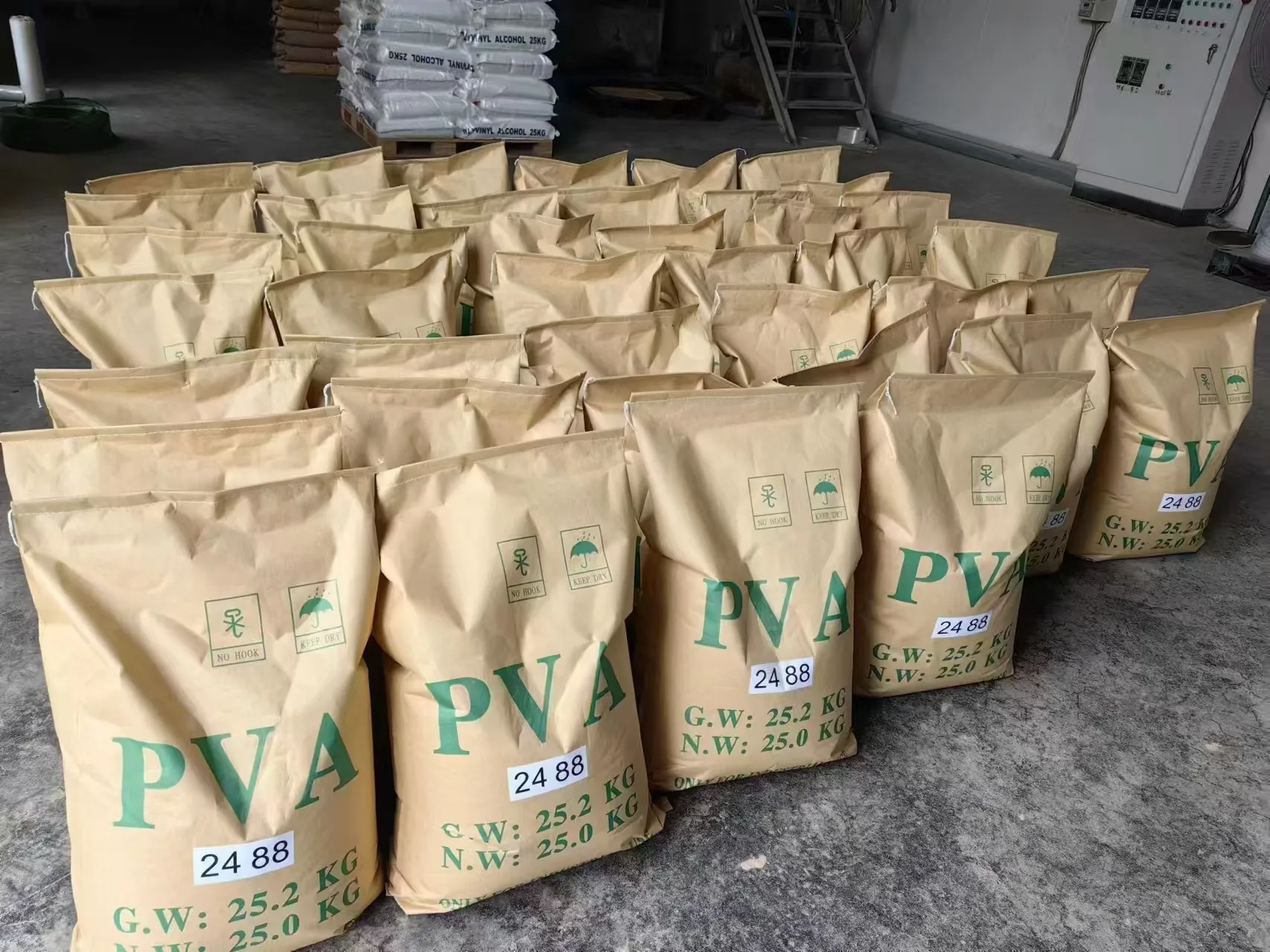
Application Case Studies & Customer Success
Our commitment to delivering high-quality Polyvinyl Alcohol (PVA) is reflected in the tangible successes of our partners across diverse industries. These case studies highlight the practical benefits and performance enhancements achieved through our tailored PVA solutions.
Case Study 1: Enhanced Textile Sizing for High-Speed Looms
A leading textile manufacturer faced challenges with excessive yarn breakage and shedding during high-speed weaving operations, impacting production efficiency and fabric quality. Their existing sizing agent offered insufficient protection.
- Solution: We developed a customized PVA grade with optimized molecular weight and degree of hydrolysis, specifically engineered for high-performance sizing. This PVA variant provided superior film flexibility and adhesion to synthetic and natural fibers.
- Result: The client reported a 25% reduction in yarn breakage, a 15% increase in loom efficiency, and a noticeable improvement in fabric hand feel. The PVA was also easily desized, reducing post-treatment costs.
Case Study 2: Biodegradable Packaging Film for Agricultural Use
An agricultural chemical company sought an eco-friendly packaging solution for their water-soluble pesticide sachets. The primary requirements were rapid dissolution in water, excellent mechanical strength for handling, and complete biodegradability.
- Solution: We supplied a specialized, partially hydrolyzed PVA film grade known for its consistent dissolution rate and robust physical properties. Our technical team provided guidance on film thickness and sealing parameters.
- Result: The client successfully launched their new product line with packaging that dissolved completely within minutes upon contact with water, leaving no microplastic residues. This led to enhanced farmer convenience and significant positive environmental impact, boosting their brand image.
Client Feedback & Partnership Philosophy:
"Partnering with Yaguan HPMC for our Polyvinyl Alcohol (PVA) needs has transformed our production efficiency. Their technical support and willingness to customize solutions are unparalleled. The consistency in quality has allowed us to reduce waste and improve our final product's performance." - Head of Procurement, Global Chemicals Inc.
We believe in fostering long-term partnerships built on trust, transparency, and a shared commitment to innovation. Our authoritative certifications (e.g., ISO 9001, REACH compliance), coupled with years of service in the specialty chemicals market, underscore our reliability as a global supplier. We consistently invest in R&D to stay ahead of industry demands, ensuring our Polyvinyl Alcohol (PVA) solutions continue to set benchmarks for performance and sustainability.
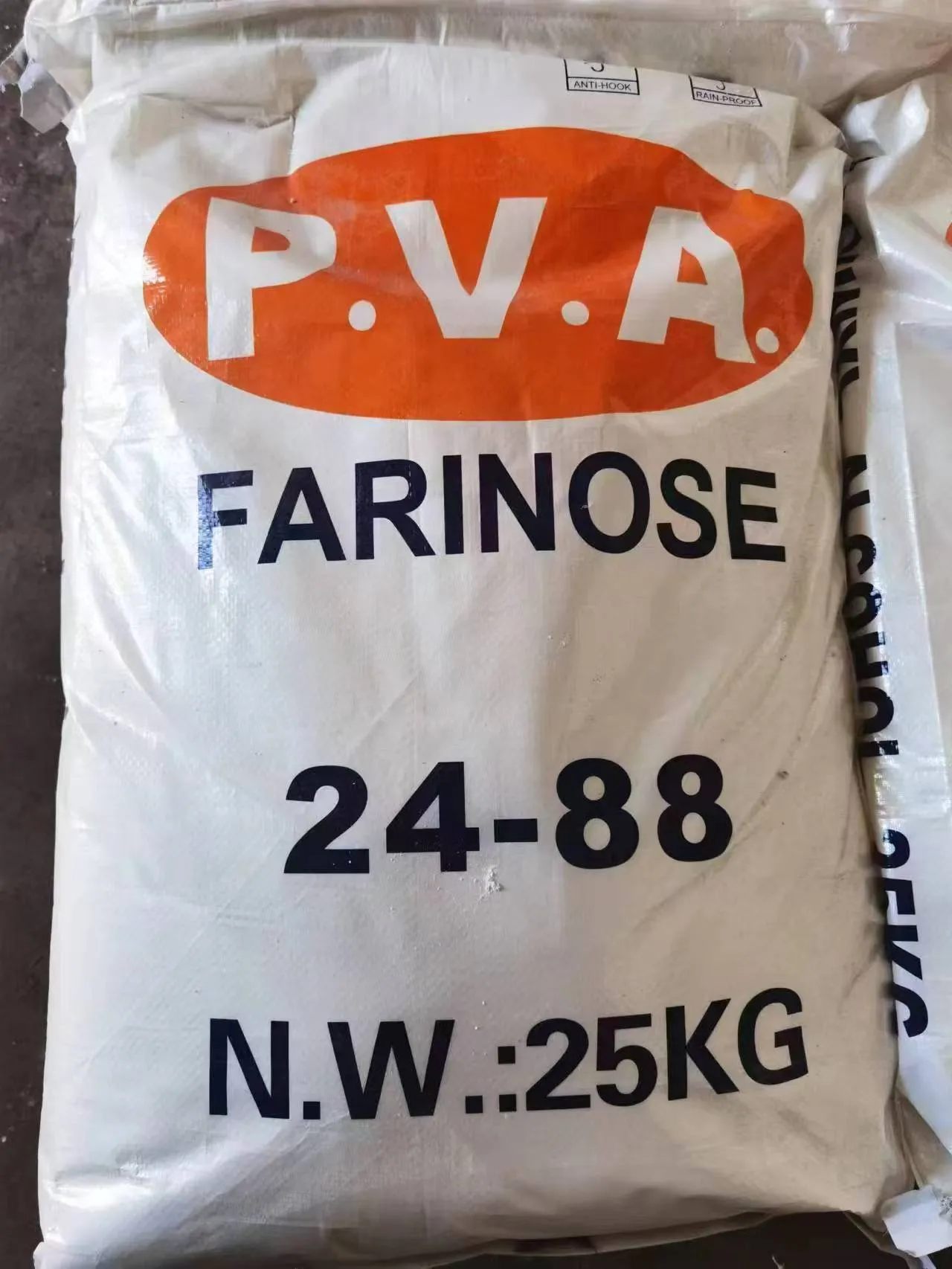
Trustworthiness & Support: FAQ, Lead Time, Warranty
Frequently Asked Questions (FAQ) about Polyvinyl Alcohol (PVA)
Q: What is the primary difference between fully and partially hydrolyzed PVA?
A: Fully hydrolyzed Polyvinyl Alcohol (PVA) (typically >98 mol% hydrolysis) is less water-soluble, forms stronger films, and has better chemical resistance. Partially hydrolyzed PVA (e.g., 87-89 mol% hydrolysis) dissolves more easily in cold water and exhibits superior adhesion to hydrophilic surfaces.
Q: Is PVA considered biodegradable?
A: Yes, PVA is generally recognized as biodegradable under various environmental conditions, particularly in wastewater treatment plants and in certain soil conditions, breaking down into water and carbon dioxide. Its biodegradability makes it an environmentally friendly polymer.
Q: What is the typical shelf life of PVA?
A: When stored in original, unopened packaging in a cool, dry place away from direct sunlight and moisture, PVA typically has a shelf life of 12-24 months from the manufacturing date. Always refer to the product's specific technical data sheet for precise storage recommendations.
Q: Can PVA be used in food contact applications?
A: Certain grades of PVA can be used in indirect food contact applications, typically as an adhesive component or barrier coating, provided they comply with relevant food contact regulations (e.g., FDA or EU regulations). Direct food contact applications are less common and require specific certifications.
Lead Time and Fulfillment Details
We maintain robust inventory levels and efficient logistics networks to ensure timely delivery of Polyvinyl Alcohol (PVA) products.
- Standard Grades: Typically 7-14 business days from order confirmation for common grades, depending on destination and order volume.
- Customized Solutions: Lead times for custom PVA solutions are determined on a project-by-project basis, factoring in development, testing, and production schedules. An estimated timeline will be provided during the initial consultation.
- Logistics: We offer flexible shipping options, including sea freight, air freight, and express delivery, to meet urgent requirements while optimizing cost-efficiency.
Warranty Commitments
All our Polyvinyl Alcohol (PVA) products are backed by a comprehensive warranty, guaranteeing that they meet or exceed the specified technical parameters outlined in our product data sheets and agreed-upon specifications. In the unlikely event of a product not meeting these standards, we commit to prompt investigation, replacement, or appropriate resolution as per our terms and conditions of sale.
Dedicated Customer Support
Our dedicated customer support team and technical experts are available to assist with product selection, application guidance, troubleshooting, and any technical queries you may have regarding Polyvinyl Alcohol (PVA). We pride ourselves on providing responsive and knowledgeable support to ensure your success.
- Technical Assistance: Our polymer chemists and application specialists are available for in-depth technical consultations.
- Sales Support: For inquiries regarding pricing, orders, and delivery, our sales team provides timely and transparent communication.
- Global Reach: With a network of partners and distributors, we offer localized support and service worldwide.
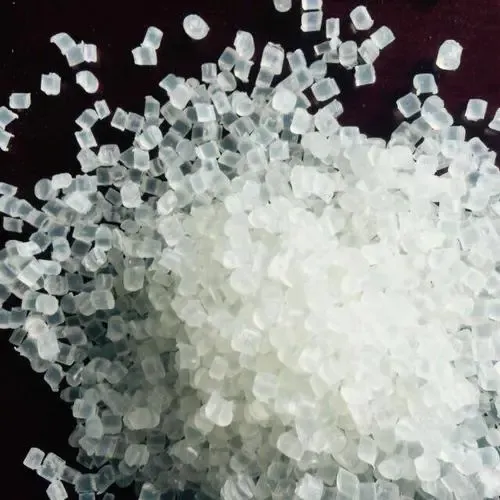
Conclusion
As a leading supplier of Polyvinyl Alcohol (PVA), we are committed to providing superior quality products and comprehensive support to meet the intricate demands of modern industries. Our extensive expertise, rigorous quality control, and dedication to customer success ensure that our PVA solutions deliver measurable value, driving innovation and efficiency across various applications. Partner with us to leverage the full potential of Polyvinyl Alcohol for your advanced material needs.
References
- Finch, C. A. (1992). Polyvinyl Alcohol: Properties and Applications. John Wiley & Sons.
- Wan, C., & Zhang, H. (2018). Biodegradation of Polyvinyl Alcohol. Journal of Applied Polymer Science, 135(21), 46274.
- Sakurai, Y. (1993). Polyvinyl Alcohol Fibers. Marcel Dekker.
- Gupta, B., & Kumar, R. (2007). Synthesis, Characterization, and Biomedical Applications of Poly(vinyl alcohol) Hydrogels: A Review. European Polymer Journal, 43(10), 4058-4075.
- Polyvinyl Alcohol Handbook, 2nd Edition. The Society of Polymer Science, Japan (2005).