Understanding the Role of PVA and Cement in Construction
The construction industry relies on a multitude of materials, and the effective combination of these materials is crucial for durability and structural integrity. Among these, Polyvinyl Alcohol (PVA) and cement play significant, often complementary, roles. This article will explore the applications of PVA in cement-based applications, delving into its benefits, uses, and considerations for optimal performance. Understanding how PVA enhances cement properties is vital for anyone involved in construction, from builders and contractors to material scientists and engineers. This synergy allows for stronger, more workable, and more sustainable building projects.
What is Polyvinyl Alcohol (PVA)?
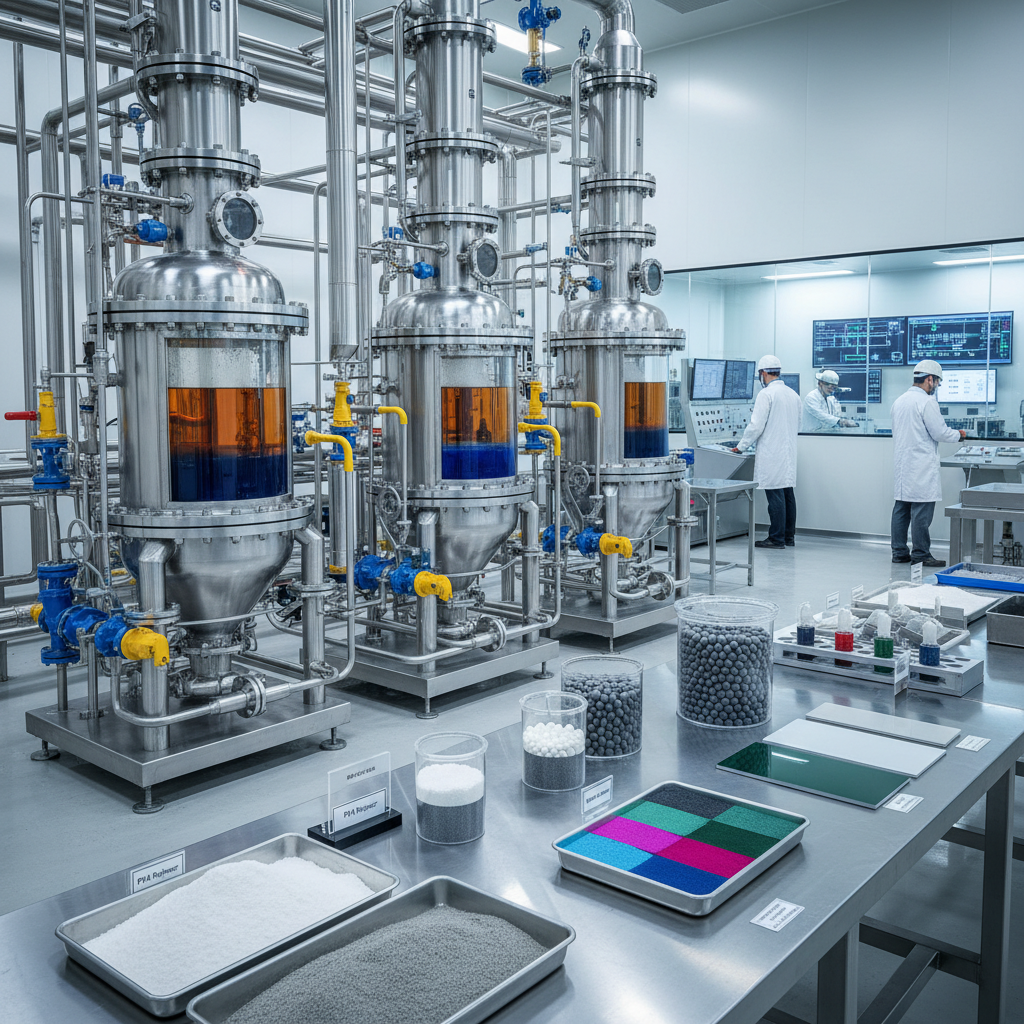
Polyvinyl Alcohol (PVA) is a synthetic polymer, typically appearing as a white, odorless powder or granules. It’s renowned for its excellent film-forming, emulsifying, and adhesive properties. Crucially, PVA is water-soluble, making it easily integrated into cement mixes. Different grades of PVA exist, varying in molecular weight and hydrolysis degree, which directly impact their performance characteristics. Higher molecular weights generally lead to stronger films and increased viscosity, while the hydrolysis degree affects water solubility and adhesive strength. Yaguan HPMC offers a variety of PVA grades tailored to specific construction needs.
Key Properties of PVA: Excellent film-forming capabilities, strong adhesion, high water solubility, and good emulsifying properties.
PVA and Cement: A Synergistic Relationship
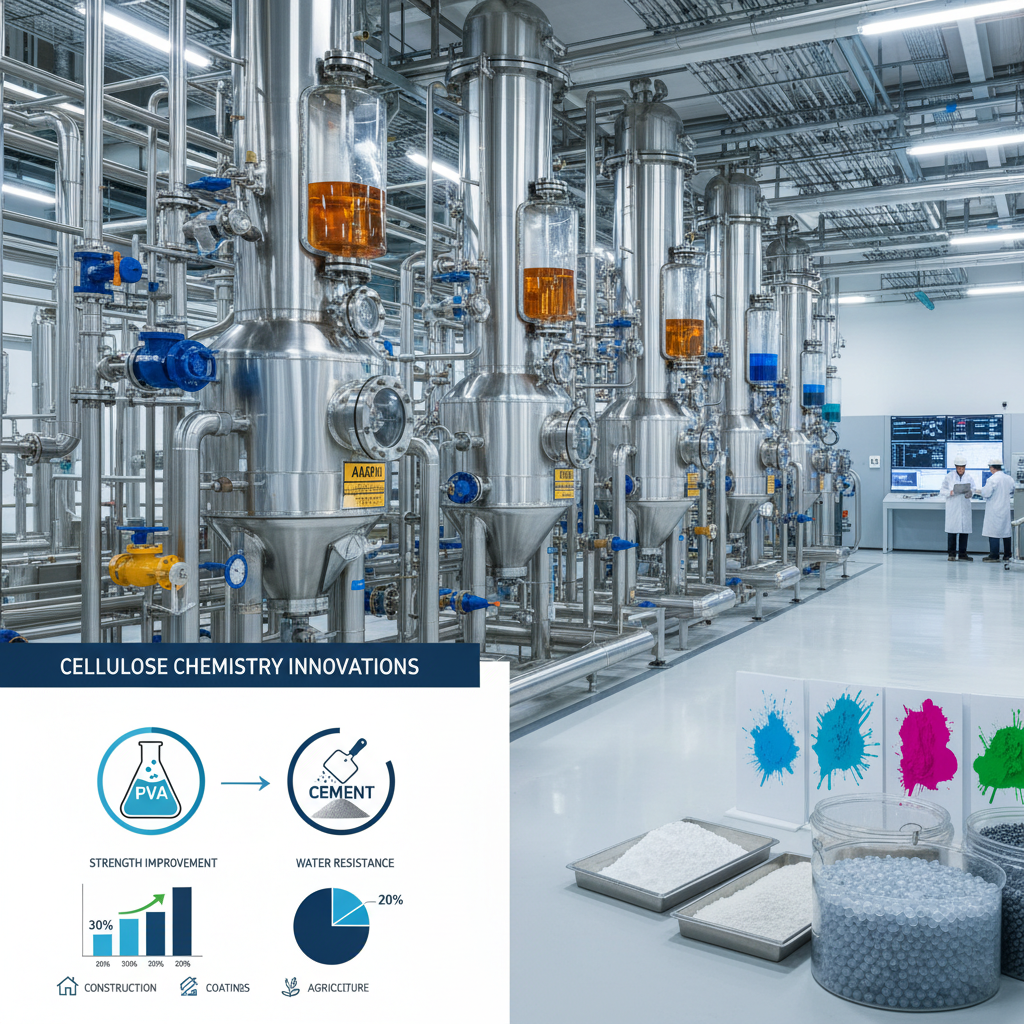
Adding PVA to cement mixtures offers a range of benefits. It acts as a re-dispersing agent, ensuring complete hydration of the cement particles, which leads to increased strength and reduced cracking. PVA improves workability by increasing the plasticity of the mix, making it easier to apply and finish. It also enhances adhesion to various substrates, resulting in stronger bonds and improved durability. Furthermore, PVA can reduce water demand, leading to higher density concrete and reduced shrinkage. This combination leads to better performance in applications like tile adhesives, repair mortars, and cement plasters.
Benefits of Using PVA with Cement:
• Increased strength and reduced cracking
• Improved workability and plasticity
• Enhanced adhesion to substrates
• Reduced water demand and shrinkage
Specific Applications of PVA in Cementitious Materials
PVA finds versatile applications across numerous cement-based products. In tile adhesives, it enhances adhesion to ceramic tiles and substrates, reducing the risk of tile failure. For repair mortars, PVA improves bonding to existing concrete surfaces, providing durable repairs. Cement plasters benefit from PVA’s increased workability and reduced cracking, leading to smoother, more aesthetically pleasing finishes. Self-leveling compounds also utilize PVA to improve flowability and prevent segregation. Additionally, PVA is incorporated into crack fillers and cementitious coatings to enhance their performance and longevity.
Dosage and Considerations When Using PVA
The optimal dosage of PVA varies depending on the specific cement type and application. Typically, PVA is added at a rate of 0.5% to 2% by weight of cement. It's crucial to ensure thorough mixing to avoid clumping and guarantee even distribution. Overdosing PVA can lead to excessive viscosity and reduced strength, while underdosing may not deliver the desired benefits. Consider factors like ambient temperature and humidity, as these can influence PVA's effectiveness. Always refer to the manufacturer’s recommendations for specific dosage guidelines and compatibility with other admixtures. Yaguan HPMC’s technical support team can provide tailored advice for your project.
Conclusion: Enhancing Construction with PVA
Optimizing Cement Performance with PVA
Incorporating PVA into cementitious systems represents a significant advancement in construction technology. Its ability to enhance workability, adhesion, strength, and durability makes it an invaluable additive for a wide array of applications. By understanding the benefits and proper usage of PVA, construction professionals can achieve superior results and create more resilient, long-lasting structures. Explore the range of high-quality PVA products available from Yaguan HPMC to elevate your projects.
Frequently Asked Questions (FAQs)
What is the shelf life of PVA powder?
PVA powder generally has a shelf life of 2-3 years when stored properly in a cool, dry place, away from direct sunlight. Exposure to moisture can cause clumping and reduce its effectiveness. It’s crucial to store the powder in airtight containers to prevent absorption of atmospheric humidity. While the powder might still appear usable after the expiry date, its performance may be compromised, so it’s best to adhere to the recommended shelf life for optimal results. Always check the manufacturer’s packaging for specific storage and expiry information.
Can PVA be used with all types of cement?
PVA is generally compatible with most common types of cement, including Portland cement, Ordinary Portland Cement (OPC), and Portland Pozzolana Cement (PPC). However, compatibility should be verified for specialty cements or those containing specific additives. It's always recommended to conduct a small-scale test batch before using PVA with a new cement type to ensure there are no adverse reactions or performance issues. Consulting the cement and PVA manufacturer’s technical data sheets is advisable.
How does PVA compare to other cement additives like acrylic polymers?
While both PVA and acrylic polymers improve cement properties, they differ in their characteristics. Acrylic polymers generally offer better water resistance and flexibility, making them suitable for exterior applications. PVA excels in improving workability, adhesion, and reducing water demand. PVA is often more cost-effective than acrylic polymers. The choice between the two depends on the specific application requirements and desired properties. For interior applications where high water resistance isn’t critical, PVA is often an excellent choice.
Is PVA an environmentally friendly additive?
PVA is considered relatively environmentally friendly compared to some other polymer additives. It’s biodegradable under certain conditions. However, it’s important to note that the biodegradation process can be slow and requires specific microbial activity. Responsible disposal practices are crucial to minimize environmental impact. Yaguan HPMC is committed to sustainable practices and offers PVA grades that minimize environmental impact.