Understanding Waterproof PVA: Why It Matters Globally
If you’ve ever dealt with moisture-related issues in construction, packaging, or textiles, you might already know that waterproof PVA is one of those quietly indispensable materials. Polyvinyl alcohol, commonly abbreviated as PVA, gets a waterproof makeover in many modern applications — making it a game-changer for industries across the globe.
Why should you care? Well, water damage is a notorious foe that costs billions annually, disrupts supply chains, and even puts lives at risk in disaster zones. Waterproof PVA tackles these problems head-on by offering durability, eco-friendliness, and cost-efficiency that keep products and people safe — from flood-prone homes to vital industrial equipment.
So yes, understanding waterproof PVA is more than a niche detail; it’s a key ingredient in global innovation.
Global Context: A Growing Need for Reliable Waterproof Materials
Did you know the United Nations estimates that over 1.6 billion people are at risk from natural disasters annually, many involving water-related damage? It’s not just the humanitarian angle — industries from automotive to electronics are dealing with moisture intrusion that can cost millions in product recalls and warranty claims.
Globally, waterproofing standards are getting stricter, and regulations like ISO 9001 and environmental protocols require innovations in materials science. Waterproof PVA fits neatly into that space, providing a chemical solution that blends durability with biodegradability — which is a rare combo.
In real terms, the challenge is clear: we need materials that are robust enough for industrial use but sustainable for long-term impact. Waterproof PVA ticks both boxes.
Defining Waterproof PVA: What Is It Exactly?
At its core, PVA is a water-soluble synthetic polymer known for its film-forming, emulsifying, and adhesive properties. When treated or combined with additives, it becomes waterproof — meaning it resists water absorption and swelling.
Think of waterproof PVA as a fabric or film that handles wet conditions without losing integrity. This is crucial not only for packaging but also for protective coatings, membranes, and even medical applications.
Its close ties to industries like packaging, agriculture, and construction highlight its growing significance where water resistance can literally be a matter of safety.
Mini takeaway: Waterproof PVA is more than just chemistry — it’s a practical answer to everyday water exposure challenges worldwide.
Core Components That Shape Waterproof PVA's Performance
1. Durability
Waterproof PVA films are built to last. They resist tearing, abrasion, and exposure to environmental conditions — a must for products exposed to rain, humidity, or submersion.
2. Biodegradability & Eco-friendliness
This might be the surprising bit: unlike many synthetic waterproof materials, waterproof PVA can be biodegradable under certain conditions. This makes it increasingly popular as environmental regulations tighten globally.
3. Cost Efficiency
Compared to some specialty waterproof membranes or coatings, PVA is relatively inexpensive while delivering solid protective qualities — a huge plus for both large-scale agricultural films and everyday packaging.
4. Versatility
Whether it’s a thin coating on textiles or a film used in packaging, waterproof PVA adapts well to diverse manufacturing processes.
5. Chemical Resistance
It holds up well against oils, solvents, and mild acids, ensuring longevity in industrial settings.
Mini takeaway: Waterproof PVA's blend of durability, eco-consciousness, and affordability makes it uniquely suited to both industrial and humanitarian needs.
Global Applications: Where Waterproof PVA Makes The Difference
Waterproof PVA has found its way into various sectors worldwide:
- Disaster Relief & Humanitarian Aid: Waterproof PVA films are increasingly used in temporary shelters, packaging of dry supplies, and even water filtration membranes — especially in flood-affected regions in Southeast Asia and Sub-Saharan Africa.
- Agriculture: Mulching films made from waterproof PVA protect soil moisture and crop roots in arid climates, helping reduce water usage.
- Packaging: Waterproof PVA coatings help keep food fresh by resisting humidity.
- Medical Industry: Waterproof, biodegradable films for wound dressings and controlled drug release are gaining traction globally.
- Construction: Protective coatings and membranes to guard against moisture ingress.
For example, in remote industrial zones in Canada, waterproof PVA-coated fabrics help prevent mold and rust in machinery housing — extending equipment life. Meanwhile, NGOs distributing aid kits in the Philippines rely on waterproof PVA packaging to keep sterile supplies intact during typhoons.
Mini takeaway: The global footprint of waterproof PVA spans industries and continents, proving its real-world reliability.
A Quick Look at Waterproof PVA Specifications
| Attribute | Typical Range / Value | Notes |
|---|---|---|
| Water Resistance | Up to 500 hours immersion | Depends on formulation and thickness |
| Tensile Strength | 40-60 MPa | Comparable to many synthetic films |
| Biodegradability | Compostable in 8-12 weeks | Under industrial composting conditions |
| Typical Thickness | 10-100 microns | Customizable per use |
Vendor Comparison: Choosing The Right Waterproof PVA Supplier
| Vendor | Product Range | Sustainability | Cost | Global Shipping | Customer Support |
|---|---|---|---|---|---|
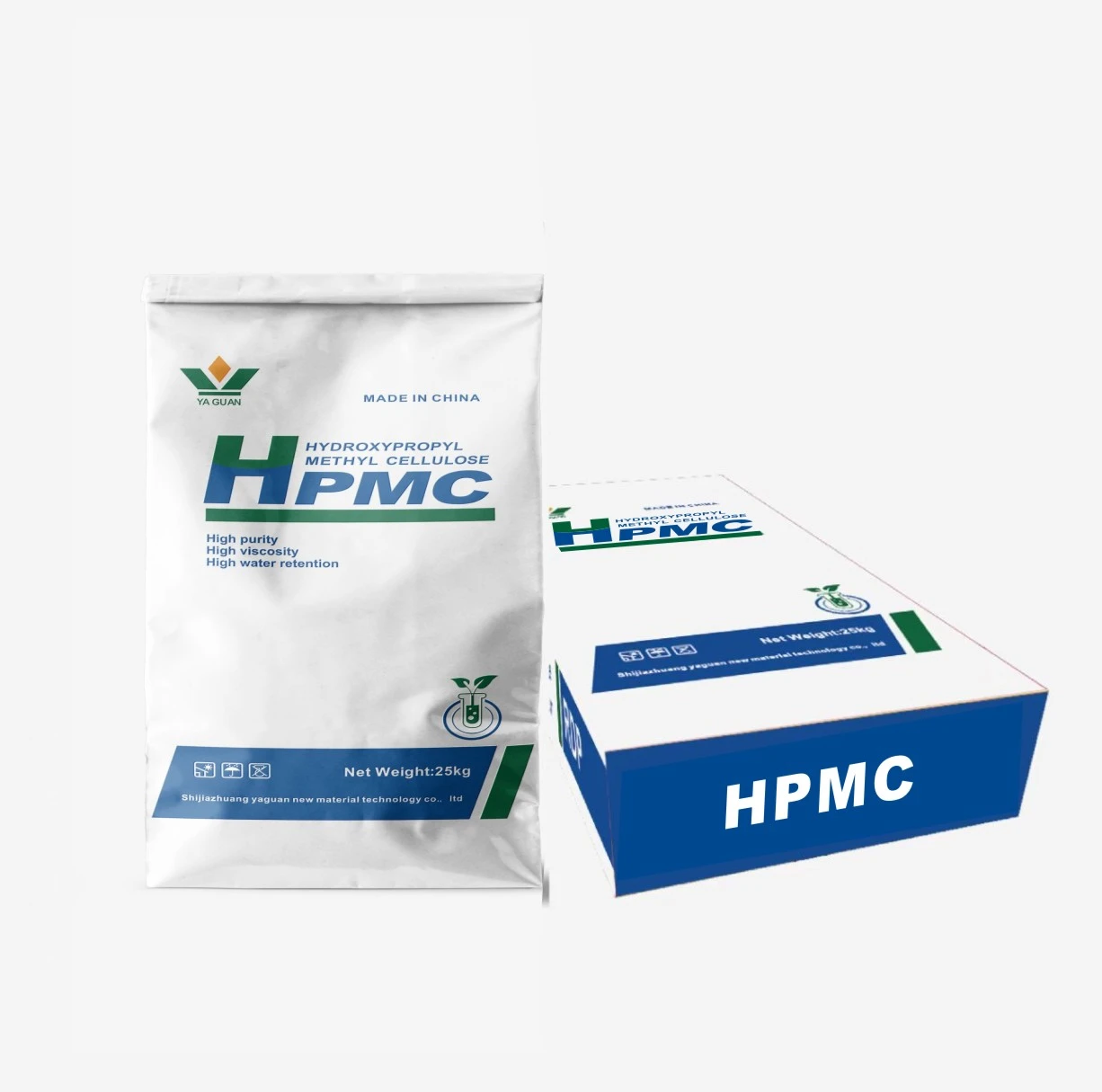
| Yaguan HPMC | Wide (films, coatings, powders) | High (biodegradable options) | Competitive | Yes | 24/7 Multilingual |
| Global Chemicals Inc. | Focused on powders and adhesives | Moderate | Mid-Range | Limited | Business Hours Only |
| EcoPolymers Ltd. | Specializes in sustainable polymers | Very High | Premium | Global | Comprehensive |
Advantages and Long-Term Value of Waterproof PVA
The benefits of waterproof PVA go beyond the obvious. It’s cost-effective — you don’t need to spend a fortune to get quality waterproofing that’s flexible and long-lasting. For industries, this means less waste, fewer replacements, and lower downtime.
Environmentally, waterproof PVA’s potential biodegradability means it leaves a smaller footprint compared with conventional plastics. That’s not just good PR; it’s important for regulatory compliance and sustainability goals.
On a human level, it safeguards supplies and infrastructure in places that need it most, offering peace of mind where water damage could disrupt everything—from emergency medical facilities to food stocks.
Frankly, innovation that feels responsible and reliable doesn’t come around every day.
Future Trends and Innovations in Waterproof PVA
Emerging research points toward even smarter waterproof PVA materials incorporating nanotechnology — offering self-healing films or enhanced barrier properties. Another exciting horizon is integrating waterproof PVA with green energy and smart sensor tech to create materials that monitor moisture levels in real time.
Automation in manufacturing is also enabling more precise and scalable PVA applications, bringing costs down without sacrificing performance.
We’re beginning to see regulations encouraging biodegradable water-resistant materials, gently pushing suppliers and R&D labs to innovate faster.
Addressing Challenges: What’s Holding Waterproof PVA Back?
No material is without its quirks. Waterproof PVA can sometimes struggle with long-term exposure to UV rays or extremely harsh chemicals, which degrade it faster than expected.
Manufacturers are tackling this by layering PVA with UV stabilizers or combining it with other polymers. Still, a balance between durability and biodegradability is tricky and requires ongoing fine-tuning.
Also, not every supplier offers standardized quality, which can be a headache for global projects requiring consistent specs — something trusted suppliers like Yaguan HPMC aim to fix.
Frequently Asked Questions About Waterproof PVA
- What makes waterproof PVA better than traditional waterproof plastics?
- Waterproof PVA stands out because it's often biodegradable and eco-friendly, unlike many plastic alternatives. It offers comparable water resistance but with the added benefit of breaking down under proper conditions, reducing long-term environmental impact.
- How long can waterproof PVA materials typically last in harsh outdoor conditions?
- Depending on thickness and additives, waterproof PVA can last from several months to years under outdoor exposure. However, UV exposure can degrade it faster, so UV-resistant coatings are recommended for prolonged outdoor use.
- Is waterproof PVA suitable for food packaging?
- Yes, due to its non-toxic nature and water resistance, waterproof PVA is widely used in food packaging applications, helping to preserve freshness and protect against moisture without harmful chemical leaching.
- Can NGOs import waterproof PVA products internationally for humanitarian aid?
- Absolutely. Many manufacturers, including Yaguan HPMC, offer global shipping and support export documentation to facilitate NGO procurement and deployment in disaster zones.
Conclusion and Next Steps
Waterproof PVA represents a fascinating crossroads of innovation, sustainability, and practical application. With the challenges of climate change and ever-increasing water-related risks, having reliable, eco-conscious solutions like waterproof PVA is a global priority. Whether it’s improving packaging, supporting disaster relief, or boosting industrial resilience, waterproof PVA delivers a trusted layer of protection.
Curious to see how waterproof PVA could fit your needs? Visit our website: https://www.yaguanhpmc.com for product details, expert advice, and tailored solutions.
Quick Takeaway:
Waterproof PVA is not just a material; it’s a smart choice for a wetter, warmer world.