Understanding Adding PVA to Mortar: Why It Matters Worldwide
Adding PVA (polyvinyl acetate) to mortar isn’t just a niche construction tip — it’s becoming a global game-changer in how we build and restore structures. From making repairs faster to enhancing durability in extreme climates, understanding this simple additive can transform projects, cut costs, and even support humanitarian efforts where reliable, affordable building materials matter most.
Why the fuss? When you consider how billions rely on masonry structures, often in harsh environments, a small upgrade to mortar makes a huge difference. It's no wonder international standards organizations, like ISO, and NGOs working in post-disaster zones are paying attention. Frankly, it shows that even basic materials can innovate and evolve.
The World Stage: How Adding PVA to Mortar Fits In
Globally, construction accounts for about 39% of carbon emissions (according to the International Energy Agency, 2021), and masonry construction is widespread — especially in developing economies. One key challenge? Mortar that cracks, loses adhesion, or lacks water resistance leads to costly repairs or safety risks.
Enter PVA additives. By blending polyvinyl acetate into mortar mixes, engineers can tackle problems like reduced durability, slower curing, and brittle bonds. This approach is gaining traction in regions vulnerable to natural disasters, like Southeast Asia and Central America, where rebuilding quickly and sustainably is vital.
As construction materials evolve alongside tighter sustainability guidelines from bodies like the UN Environment Programme, knowing how to improve mortar with PVA feels like one of those simple yet overlooked steps that have big influence.
Breaking It Down: What Does Adding PVA to Mortar Actually Mean?
In plain terms, adding PVA to mortar involves mixing a synthetic polymer emulsion into the traditional combination of cement, sand, and water. This polymer acts like a binder enhancer, improving flexibility, adhesion, and resistance to water penetration.
The result? Mortar that doesn’t just hold bricks together but clings tighter, remains more elastic under stress, and lasts longer. I’ve seen projects where this simple tweak saved slabs from spalling or wall cracks in tough conditions.
From an industry standpoint, it aligns well with modern demands for materials that balance performance, affordability, and environmental impact. For humanitarian agencies, it means quicker, safer building methods for shelters and infrastructure in remote or disaster-hit areas.
Key Aspects of Adding PVA to Mortar
1. Durability Enhancement
PVA polymers form a film inside the mortar matrix, enhancing flexibility and toughness. This means structures better resist cracking from temperature changes or settling—handy especially in climates with big daily swings.
2. Waterproofing Properties
Mortar mixed with PVA gains improved water resistance, reducing erosion and freeze-thaw damage over time. Coastal regions and humid zones find this a lifesaver.
3. Adhesion Improvement
One of the underrated benefits is how PVA helps mortar bond to bricks, stones, or tiles more firmly — reducing gaps that cause structural weakness.
4. Workability and Flexibility
Contractors often note the improved plasticity of the mortar, making application smoother and less prone to crumbling during construction.
5. Cost-Effectiveness
Though PVA adds a small upfront cost, it reduces maintenance and repair expenses long-term. Many managers say it’s “paying for itself” within the first few years.
Global Applications: Where Adding PVA to Mortar Really Shines
This technique is no longer just experimental — it has logged solid results all over. Here are some examples:
- Post-Disaster Relief: In earthquake-prone Nepal and Haiti, NGOs adopt PVA-modified mortar for quick, durable rebuilds.
- Industrial Zones: Remote mining facilities in Australia use it for weatherproofing brickwork that faces harsh sun and sudden rain.
- Heritage Restoration: European conservators integrate PVA-enhanced mortar to preserve aged masonry without compromising breathability.
- Urban Housing Projects: In fast-growing African cities, PVA admixture helps increase lifespan of affordable housing blocks.
Mini takeaway: Adding PVA to mortar is versatile — it supports resilience, speed, and sustainability in vastly different contexts.
Advantages & The Long-Term Value of Adding PVA to Mortar
Let’s talk benefits, both logical and a bit emotional. From a cost perspective, improved durability means less frequent repairs — that’s a direct saving on labor and materials. From a sustainability lens, extending the lifespan of masonry reduces resource waste and carbon footprint over decades.
Socially, safer buildings mean communities face less risk of structural failures—in disaster zones, that translates into preserved dignity and fewer disruptions. There's a quiet peace of mind knowing walls stand stronger and moisture doesn’t creep in.
Looking Ahead: Trends & Innovations Around PVA Mortar Use
Materials science keeps pushing boundaries. I’ve heard of PVA blends combining with other polymers or nano-additives to enhance strength even more. In addition, smart technologies are emerging — sensors embedded in mortar layers to monitor integrity and moisture in real-time.
This dovetails well with green building trends: sourcing bio-based PVA emulsions and integrating digital tools for quality control and predictive maintenance. The mortar you use might very well “talk” to you in the near future.
Common Challenges and How Experts Suggest Overcoming Them
Despite its benefits, not all is perfect. One issue is dosage accuracy—too much PVA can weaken mortar or cause setting delays. Quality consistency also varies among suppliers, which calls for rigorous testing and standards adherence.
To counter these problems, engineers recommend thorough pre-mix trials on small batches and adjusting recipes based on environmental factors. Also, adopting adding pva to mortar as part of standardized protocols can drive better adoption and outcome reliability.
Product Specification Table: Typical PVA-Modified Mortar
| Specification | Value/Range |
|---|---|
| PVA Content (by weight) | 5–8% |
| Compressive Strength (28 days) | 15–25 MPa |
| Water Absorption Reduction | 30–45% |
| Flexural Strength | 3–5 MPa |
| Setting Time Adjustment | +15 to +30 minutes (depending on dosage) |
Vendor Comparison: Top PVA Mortar Additive Suppliers
| Vendor | Product Range | Typical Lead Time | Price Range (per ton) | Quality Certifications |
|---|---|---|---|---|
| Yaguan HPMC | PVA Emulsions, Mortar Admixtures | 1–2 weeks | $1200–$1500 | ISO 9001, ASTM Compliant |
| PolyBond Inc. | PVA & Acrylic Blends | 2–3 weeks | $1100–$1400 | ISO 14001 |
| BuildFlex Chemicals | PVA Mortar Modifiers, Sealants | 1 week | $1300–$1600 | ASTM Compliant |
Frequently Asked Questions About Adding PVA to Mortar
- What exactly happens when you add PVA to mortar?
- PVA, a synthetic polymer, enhances mortar by improving its flexibility, adhesion, and water resistance. This results in stronger, longer-lasting masonry that better withstands environmental stresses.
- Will adding PVA change the mortar’s setting time?
- Yes, PVA typically extends the setting time by 15 to 30 minutes depending on the dosage, allowing for easier application and adjustments during construction.
- Is PVA-modified mortar more expensive?
- There is a slight increase in upfront cost due to the PVA additive, but it usually pays off through reduced repairs and maintenance over the building's lifetime.
- Can PVA mortar be used for both new construction and repairs?
- Definitely. It’s suitable for laying new bricks or blocks and for patching or restoring existing masonry to improve durability and waterproofing.
- Are there environmental concerns with adding PVA?
- Modern PVA emulsions are designed to be low-toxicity and environmentally friendly. Using them can actually reduce resource use by lengthening the service life of structures.
Wrapping Up: Why Adding PVA to Mortar Is a Smart Move
At the end of the day, adding PVA to mortar stands out as a relatively simple, cost-effective method that enhances construction outcomes — from increased durability to improved safety. Whether for a heritage restoration or emergency shelter, this additive shifts the value and longevity of masonry in a world where resilient infrastructure is more essential than ever.
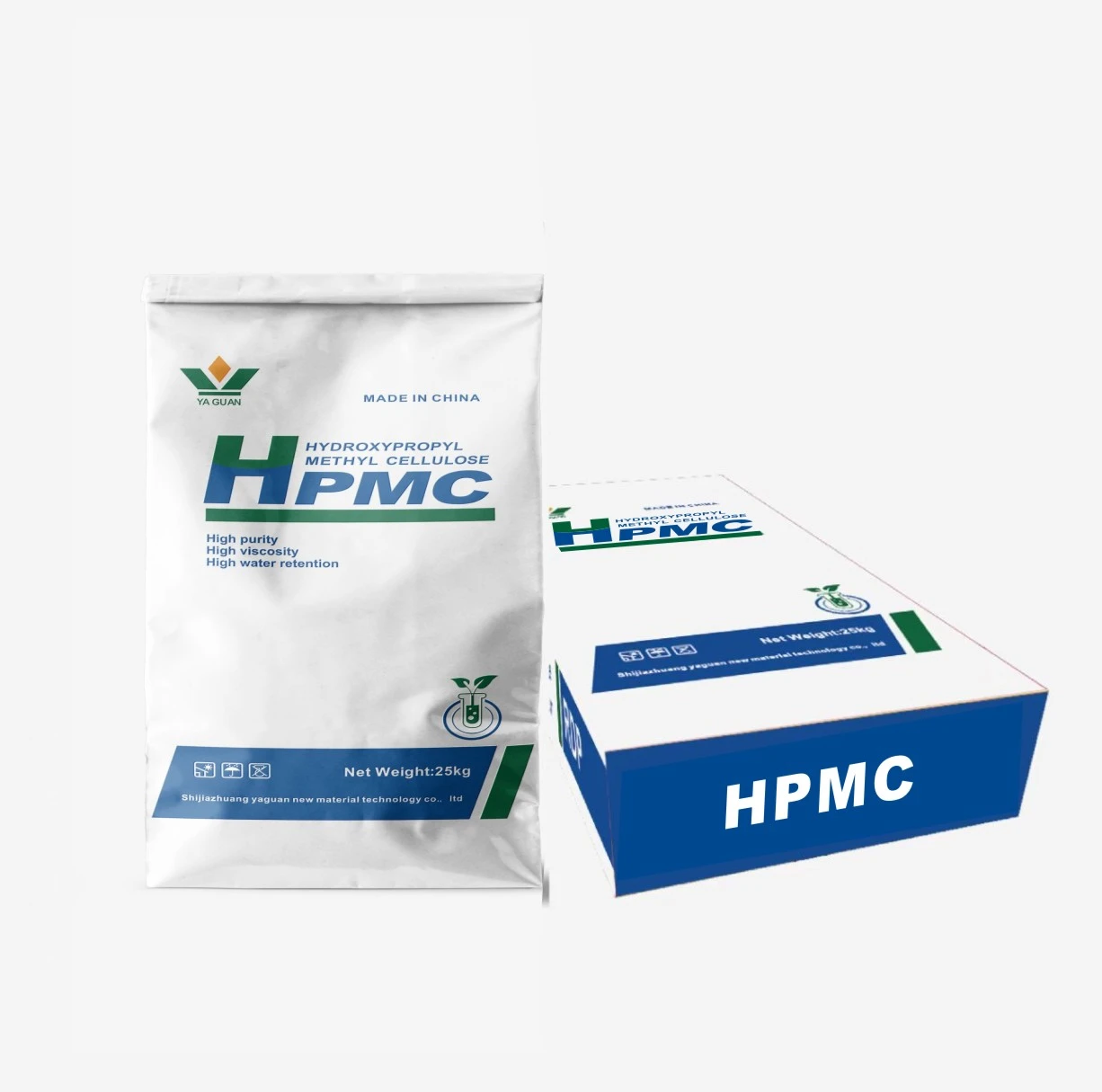
If you’re interested in sourcing quality PVA additives or learning more practical tips for adding pva to mortar, I highly recommend checking out suppliers like Yaguan HPMC. Small changes, big difference.