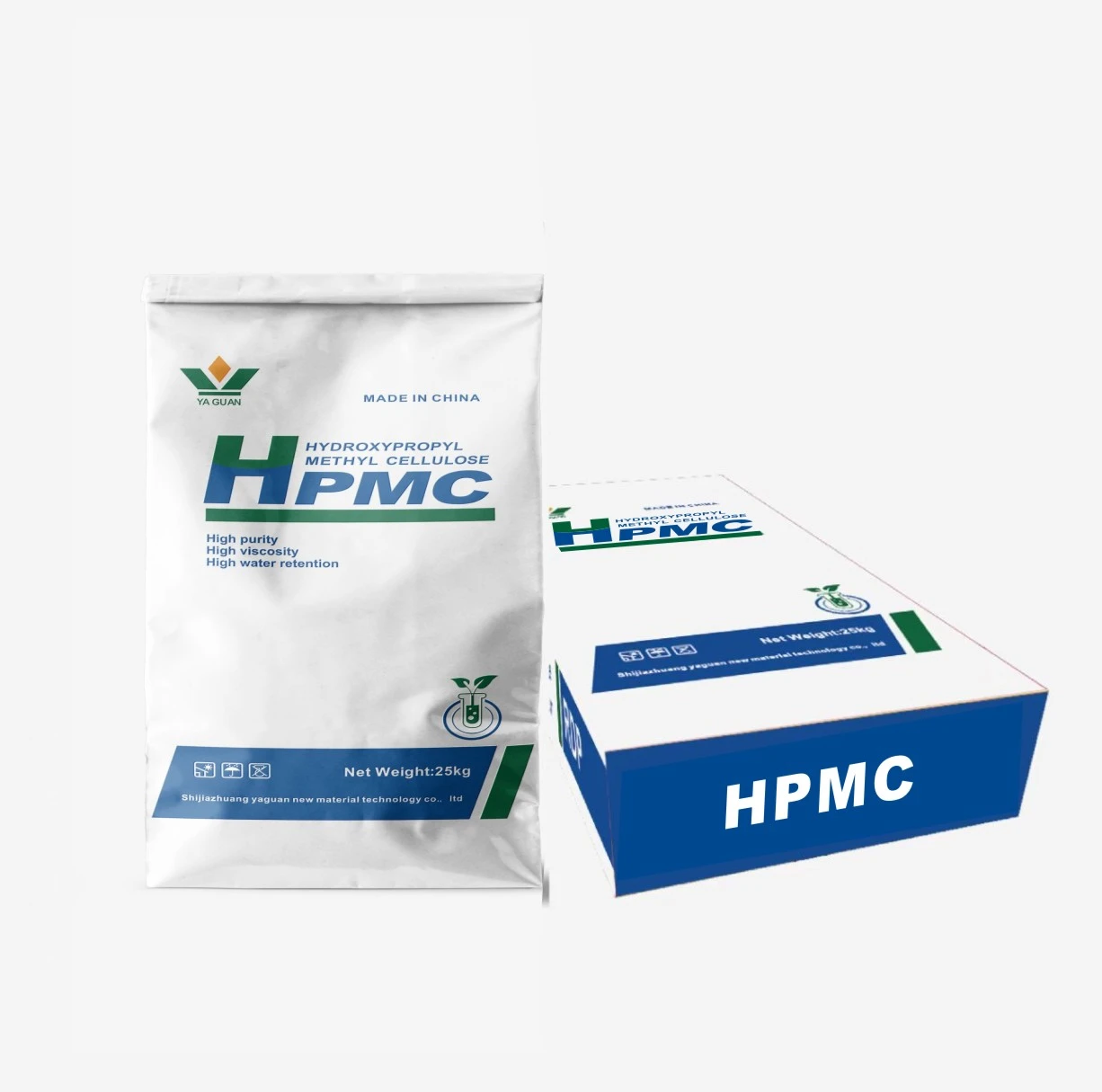

In the ever-evolving world of construction, the quest for materials that enhance performance, efficiency, and durability is constant. Among the unsung heroes in this realm is a versatile additive known as Hydroxypropyl Methyl Cellulose, or HPMC. This cellulose-derived polymer is a cornerstone in modern building formulations, quietly revolutionizing how mortars, plasters, and renders perform. For builders, manufacturers, and formulators, understanding the key properties of HPMC material is not just technical knowledge—it's a competitive advantage. This article delves into the critical role of HPMC for construction, exploring its unique characteristics and how it contributes to superior, reliable building outcomes.
Hydroxypropyl Methyl Cellulose: The Science Behind the Solution
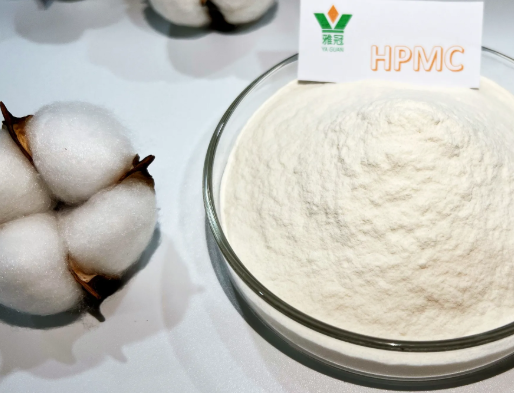
Hydroxypropyl Methyl Cellulose is a semi-synthetic, inert polymer derived from refined cellulose, typically from wood pulp or cotton. Through a series of chemical reactions involving alkalization and etherification, hydroxypropyl and methyl groups are introduced onto the cellulose chain. This modification bestows upon the cellulose a unique set of properties: it becomes soluble in cold water, forms transparent solutions, and exhibits exceptional thickening and water-retention capabilities. In the context of construction, this scientific transformation is pivotal. The molecular structure of HPMC material allows it to interact intimately with cementitious and gypsum-based systems. When added to a mix, the HPMC molecules disperse and hydrate, creating a protective colloidal network that fundamentally alters the rheology and hydration kinetics of the material. This isn't merely an additive; it's a performance modulator that ensures consistency, control, and quality from the mixing bucket to the final, cured application on the wall.
Key Properties and Advantages of HPMC for Construction
The widespread adoption of HPMC for construction is driven by a suite of interconnected properties that directly address common on-site challenges. These properties are not just theoretical; they translate into tangible benefits that improve workability, finish quality, and long-term integrity.
Superior Water Retention: This is arguably the most critical property. HPMC material forms a protective film around cement and gypsum particles, significantly slowing down the rate of water loss to porous substrates or dry, windy conditions. This ensures that binders have sufficient water for complete hydration, leading to optimal strength development and preventing issues like poor solidification, surface cracking, and shrinkage.
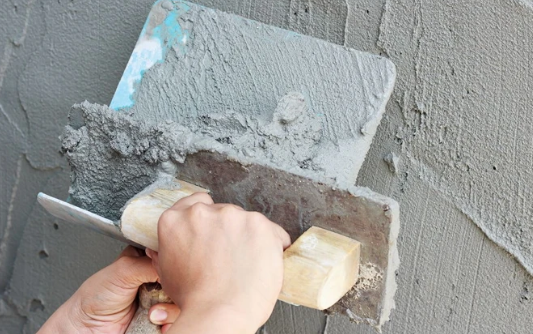
Enhanced Workability and Lubrication: HPMC acts as a lubricant, dramatically improving the plasticity and smoothness of mortars and plasters. This results in a "buttery" consistency that is easier to trowel, spread, and pump. It reduces the physical effort required for application, increases open time for adjustment, and boosts overall workforce productivity.
Excellent Adhesion and Anti-Sag Performance: The thickening effect of HPMC increases the cohesive strength and viscosity of the wet mix. This enhanced plasticity improves the bond to various substrates, reducing the risk of delamination. Furthermore, it provides crucial anti-sag properties, allowing for thicker single-layer applications on vertical surfaces without slumping or slipping, which is vital for tile adhesives and exterior insulation finishes.
Consistency and Air Entrainment: HPMC helps entrain a controlled amount of tiny, stable air bubbles into the mixture. This improves freeze-thaw resistance in exterior applications and contributes to a more uniform, manageable mix with better volume yield.
These advantages are systematically integrated into high-quality products, as evidenced by the technical parameters of premium-grade HPMC for construction. The following table outlines the specifications that guarantee these performance benefits, showcasing the material's precise engineering.
|
Advantage |
Description |
|
Increase Water Retention |
Protects cement and gypsum from poor solidification and cracking due to too fast drying and insufficient water mixing. |
|
Increase Plasticity |
Improves the workability of mortar and working efficiency. |
|
Enhance Adhesion |
Due to the enhanced plasticity of mortar, it has a better performance when binding the construction stuffs. |
|
Thickening & Anti-Sag |
Due to its thickening function, it can effectively prevent the slipping phenomena of mortar from the substance to be bound. |
|
Parameter Index Name |
Unit |
Standard Specifications |
|
Appearance |
-- |
White Powder |
|
Hydroxypropyl Content |
% |
4.0 - 12.0 |
|
Methyl Content |
% |
19.0 - 30.0 |
|
Viscosity (2% water solution) |
mPa·s |
50,000 - 200,000 |
|
Ash Content |
% |
3.0 - 5.0 |
|
Gel Temperature |
°C |
60 - 90 |
|
Light Transmittance |
% |
≥ 70 |
|
Whiteness |
% |
≥ 75 |
|
Packing Density |
G/L |
370 - 420 |
|
PH Value (25°C) |
-- |
5.0 - 8.0 |
|
Degree Of Fineness |
Mesh |
100 Mesh, >96% / 80 Mesh, >100% |
|
Water Retention Rate |
% |
≥ 92 |
Sourcing Reliable HPMC Material: A Partnership for Quality
Choosing a supplier for HPMC material is a decision that impacts the quality and consistency of your final construction products. It requires a partner with not just manufacturing capability, but also deep technical expertise and a commitment to understanding your specific needs. This is where a specialized, integrated enterprise makes all the difference.
Shijiazhuang Yaguan New Material Technology Co., Ltd. stands as a prominent example of such a partner. As an industrial and trade integration enterprise with profound strength in fiber ether products, Yaguan invests significantly in the backbone of quality: a total investment of 120 million yuan supports a vast 100,000 square meter factory housing 4 advanced production lines, capable of an annual output of up to 20,000 tons. This scale ensures supply reliability for a global clientele across more than 60 countries.
However, Yaguan's philosophy extends beyond scale. The company is built on a triad of core values: Innovation, Customization, and Trusted Partnership. With over 20 years of deep industry experience, a dedicated team of 50+ professional R&D, production, and service staff, and the trust of 1000+ cooperative clients, Yaguan has established itself as a leader. The company's commitment is reflected in its substantial investment in R&D centers and laboratories, enabling deep collaboration with customers to provide truly customized production and services. Whether your application is in dry-mix mortars, tile adhesives, renders, or plasters, Yaguan’s technical team engages in deep docking to tailor the hydroxypropyl methyl cellulose specifications—such as viscosity, gel temperature, and fineness—to your precise formulation and process requirements.
Yaguan is more than a supplier; it is a solution provider committed to one-stop sourcing services and comprehensive product solutions. This customer-centric approach, honoring every customer's trust, transforms the procurement of HPMC for construction from a simple transaction into a strategic partnership aimed at mutual growth and success.
FAQs About HPMC for Construction
What are the primary advantages of using HPMC in dry-mix mortar?
The primary advantages are significantly improved water retention, which prevents cracking; enhanced workability and extended open time for easier application; increased adhesion to substrates; and excellent anti-sag properties for vertical applications. These benefits collectively improve construction efficiency, finish quality, and the long-term durability of the masonry or plasterwork.
How does HPMC material improve water retention in cement-based products?
HPMC material dissolves in water to form a colloidal solution. When mixed into cement, this solution coats the cement particles and aggregates, creating a protective network that slows down the migration and evaporation of water. This ensures the cement has adequate water for complete hydration over a longer period, even under challenging conditions like high temperature or low substrate absorption, leading to full strength development and reduced shrinkage cracks.
Why is the viscosity range important when selecting HPMC for construction?
Viscosity is a core indicator of the thickening power of HPMC. A higher viscosity grade (e.g., 150,000 mPa·s) provides greater anti-sag resistance and is ideal for thick-bed tile adhesives or vertical renders. A medium viscosity (e.g., 60,000 mPa·s) offers a balance of workability and cohesion for standard plaster and masonry mortar. Selecting the correct viscosity from a supplier like Yaguan, which offers a wide range, is crucial for achieving the desired rheology and application performance in your specific formula.
Can HPMC material be customized for specific construction applications?
Absolutely. Leading providers like Yaguan specialize in customization. Key parameters such as viscosity, particle size (fineness), gel temperature (affecting performance in hot climates), and hydroxypropyl/methyl substitution ratios can be adjusted. For instance, a finer mesh improves dispersion in dry mixes, while a modified gel temperature ensures consistent performance in tropical climates. Deep collaboration with the supplier’s R&D team is key to developing the optimal HPMC material for your unique product line.
What makes a reliable and trusted hydroxypropyl methyl cellulose supplier?
A reliable supplier combines consistent quality with technical expertise and customer-oriented service. Look for a manufacturer with substantial in-house production capacity, strict QC protocols (as seen in detailed parameter sheets), and a dedicated R&D lab. A true partner will offer not just standard products but also technical support, formulation assistance, and the flexibility to provide customized solutions, ensuring the HPMC for construction you receive perfectly aligns with your production needs and performance goals, fostering a long-term trusted partnership.