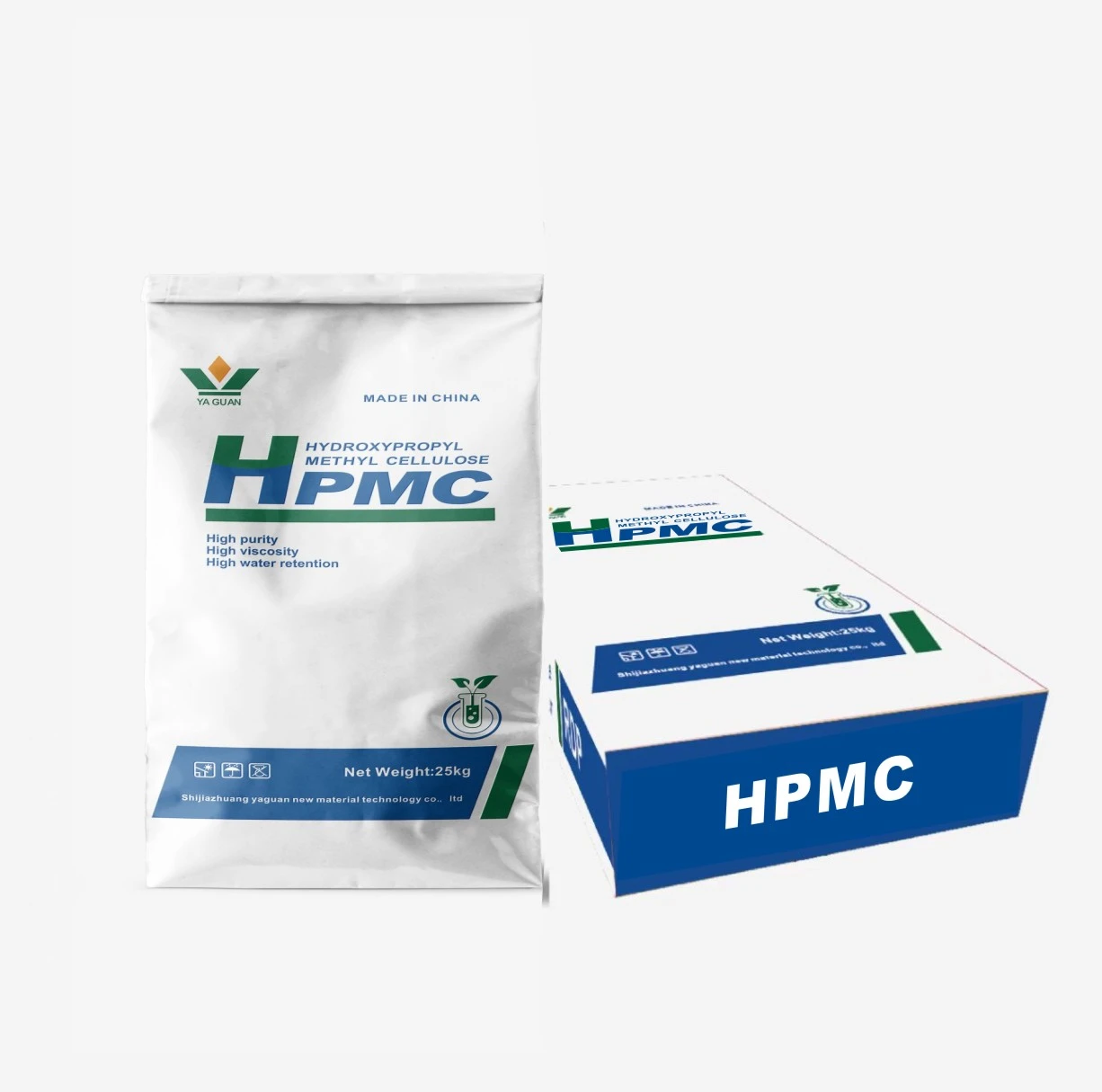


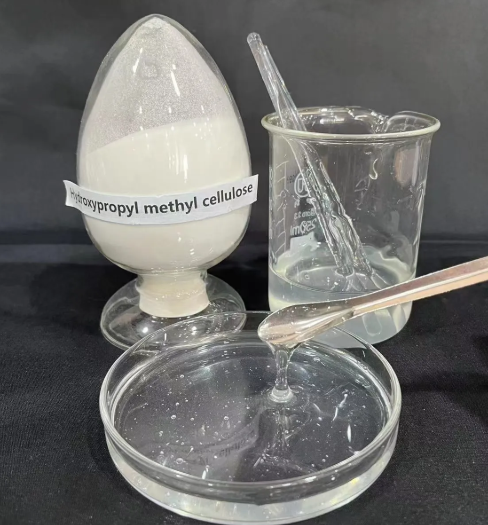
In the intricate world of ceramic manufacturing, where artistry meets engineering, achieving consistency, quality, and efficiency is paramount. Behind many of the flawless tiles, sophisticated sanitaryware, and advanced technical ceramics lies a silent yet powerful enabler: Hydroxypropyl Methylcellulose (HPMC). This versatile cellulose ether has revolutionized ceramic processing, moving it from a craft reliant on intuition to a precise, repeatable science. For over two decades, Shijiazhuang Yaguan New Material Technology Co., Ltd. has stood at the forefront of this revolution, dedicating its expertise to the research, development, and production of high-performance HPMC products that empower the global ceramics industry. With an annual output capacity of 20,000 tons and a commitment to innovation and customization, Yaguan provides the essential chemical solutions that transform raw clay into durable, beautiful ceramic wonders.
The Multifunctional Role: Understanding HPMC Chemical Uses in Ceramics
The HPMC chemical uses in ceramic processing are extensive and transformative, acting as the cornerstone for modern production techniques. Primarily, HPMC serves as a superb organic binder and plasticizer in the preparation of ceramic bodies and glazes. Unlike traditional binders, HPMC offers a unique combination of water retention, lubricity, and controllable viscosity. When added to ceramic slips or spray-dried granules, it significantly improves green strength—the strength of the unfired ceramic piece. This allows for safer handling, reduces breakage during transport and before firing, and enables more complex shapes to be formed. Furthermore, in glaze formulations, HPMC ensures uniform suspension of solid particles, preventing settling and resulting in a consistent, smooth application that fires to a perfect finish. Its ability to modify rheology means technicians can precisely control the flow and thickness of casting slips or spray-dried powders, optimizing them for specific forming processes like pressing, extrusion, or tape casting. These core HPMC chemical uses directly translate to higher production yields, superior product quality, and reduced waste, making it an indispensable component in the ceramist's formulary.
Enhancing Processability: The Power of HPMC Surfactant and Binder
Delving deeper into its functionality, the role of HPMC surfactant properties is crucial, though often understated. While not a surfactant in the traditional sense, HPMC exhibits surface-active characteristics at the interface between ceramic particles, water, and air. This action is vital for de-aeration. During the mixing and milling stages, air can become entrapped in the ceramic slurry, leading to defects like pinholes or blisters after firing. The HPMC surfactant effect helps to reduce the surface tension of the liquid phase, allowing trapped air to escape more easily and resulting in a denser, more defect-free ceramic body. Simultaneously, HPMC’s binding power is unparalleled. It forms a flexible, yet strong, polymer film around ceramic particles, bridging them together. This film provides excellent mechanical strength in the green state and burns out cleanly during the sintering phase, leaving no residual ash that could compromise the ceramic's structural integrity or aesthetic quality. This dual action—ensuring homogeneity and providing robust temporary strength—is why leading manufacturers rely on high-purity HPMC products for their most demanding applications.
Selecting the Right Solution: A Guide to HPMC Products for Ceramic Excellence
Not all HPMC is created equal. The performance in ceramic applications is highly dependent on key parameters such as viscosity, methoxy/hydroxypropoxy substitution levels, and purity. This is where Yaguan’s expertise shines, offering a range of specialized HPMC products tailored for the ceramics industry. The optimal grade depends on the specific process: high-viscosity types are excellent for achieving strong binding and high green strength in dry-press applications, while medium-viscosity grades offer the ideal balance of workability and retention for casting slips. Yaguan’s dedicated R&D centers and laboratories work in deep partnership with customers to fine-tune these parameters, ensuring the HPMC performs predictably in every batch. The company’s commitment to quality is reflected in the stringent specifications of its products, details of which are provided in the table below. This data-driven approach allows ceramic engineers to select the precise grade that will deliver the required water retention rate, gel temperature, and binding strength for their unique formulation and production conditions.
|
INDEX NAME |
UNIT |
STANDARD SPECIFICATIONS |
|
Appearance |
- |
White Powder |
|
Hydroxypropyl Content |
(%) |
4.0-12.0 |
|
Methyl Content |
(%) |
19.0-30.0 |
|
Viscosity (2% water solution) |
mPa·s |
50000--200000 |
|
Ash Content |
(%) |
3.0-5.0 |
|
Gel Temperature |
(°C) |
60-90 |
|
Light Transmittance |
(%) |
≥70 |
|
Whiteness |
(%) |
≥75 |
|
Packing Density |
(G/L) |
370-420 |
|
PH Value (25°C) |
- |
5.0-8.0 |
|
Degree Of Fineness |
(Mesh) |
100 Mesh,>96% / 80 Mesh,>100% |
|
Water Retention Rate |
(%) |
≥92 |
Partnering for Success: Your HPMC Products Solutions Provider
Choosing an HPMC supplier is more than a procurement decision; it's selecting a technical partner. With over 20 years of deep industry immersion, Shijiazhuang Yaguan New Material Technology Co., Ltd. embodies this partnership philosophy. The company’s significant investment—a 100,000 square meter factory, four advanced production lines, and a team of over 50 professional R&D and service staff—is dedicated to one goal: providing reliable, high-performance chemical solutions. Yaguan understands that customer needs vary, which is why customization is a core pillar of its service. Whether you require a specific viscosity profile, particle size distribution, or substitution ratio to optimize your ceramic formula, Yaguan’s technical team engages in deep docking to deliver a tailored HPMC products solution. This commitment to Innovation, Customization, and Trusted Partnership has earned the trust of over 1000 cooperative clients across more than 60 countries. From building materials to the precise world of ceramics, Yaguan is the one-stop sourcing partner that brings expertise, consistency, and value to your production line.
FAQs About HPMC Chemical Uses
What are the key advantages of using HPMC product in ceramic slips?
The primary advantages include exceptional water retention, which prevents premature drying and cracking; enhanced green strength for reduced handling breakage; improved plasticity and workability; and excellent binding properties that burn out cleanly during firing. These benefits directly improve production yield and final product quality.
How does the HPMC surfactant property benefit ceramic processing?
While HPMC is not a conventional surfactant, its surface-active characteristics help in de-aerating ceramic slurries. This reduces the surface tension, allowing trapped air bubbles to escape more easily, which is critical for preventing pinholes, blisters, and other defects in the final fired ceramic product, leading to a denser and more reliable body.
How do I choose the right viscosity among your HPMC products?
Selection depends on your application. For dry pressing requiring high green strength, a higher viscosity grade (e.g., 150,000-200,000 mPa.s) is ideal. For casting slips or glazes needing good flow and leveling, a medium viscosity grade (e.g., 50,000-100,000 mPa.s) is often recommended. Our technical team can provide specific guidance based on your process.
Can Yaguan provide customized HPMC chemical uses solutions?
Absolutely. Customization is one of our core strengths. We can adjust parameters such as viscosity, particle size (fineness), and substitution levels to meet the specific requirements of your ceramic formulation and manufacturing process, ensuring optimal performance and efficiency.
Why should I partner with Yaguan for my HPMC product needs?
Partnering with Yaguan means accessing over two decades of specialized expertise, a reliable supply from a large-scale producer (20,000-ton capacity), and a commitment to tailored solutions. Our integrated R&D, production, and service model ensures you receive not just a product, but a comprehensive solution and trusted technical support for your ceramic production challenges.