
 Mar . 12, 2026
Understanding the Diverse Types of PVA and Their Applications
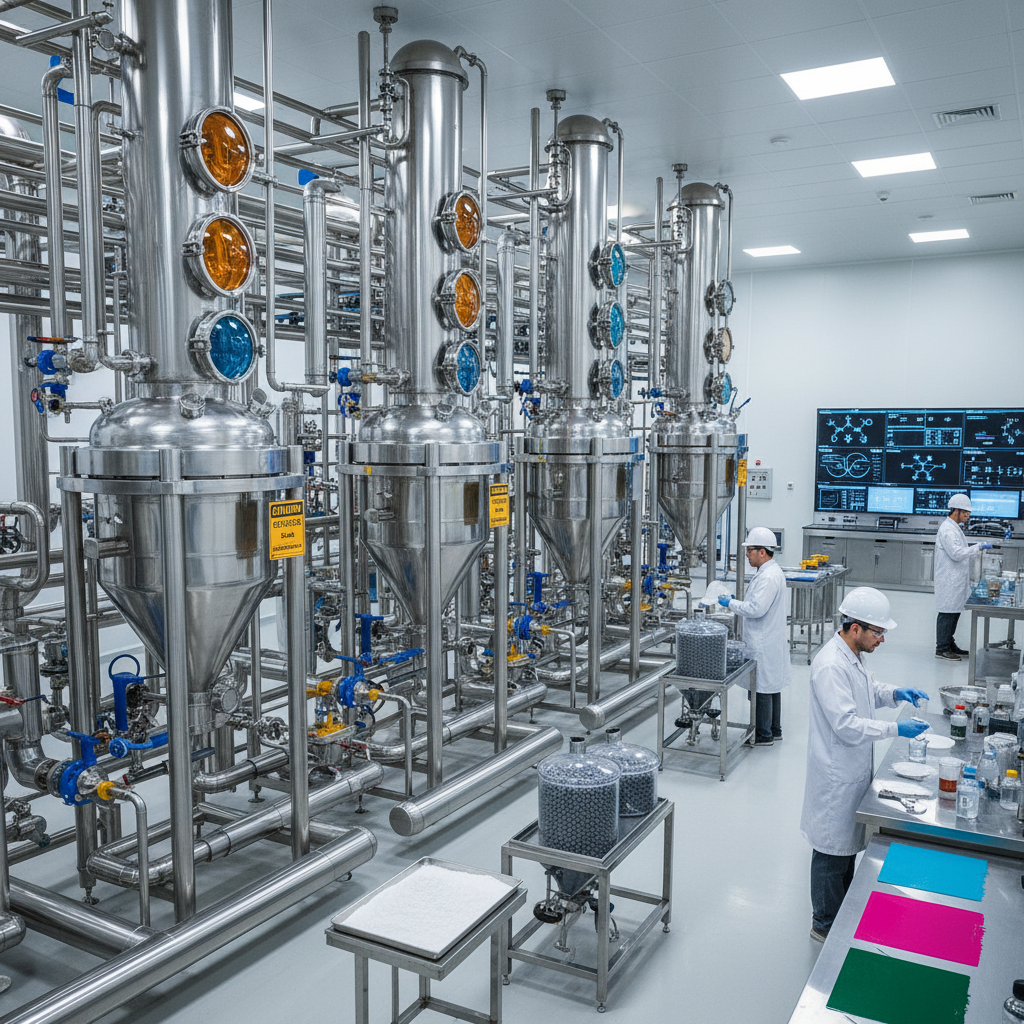
Polyvinyl alcohol (PVA) is a versatile synthetic polymer with a wide range of applications across various industries, including textiles, adhesives, paper, and pharmaceuticals. However, not all PVA is created equal. Different types of PVA are manufactured with varying properties tailored to specific needs. This article explores the key classifications of PVA, their characteristics, and common uses, helping you understand which grade is best suited for your application. Choosing the right PVA type is critical for achieving optimal performance and product quality. The degree of hydrolysis is arguably the most important factor in classifying PVA. Hydrolysis refers to the chemical reaction that breaks down the polyvinyl acetate (PVAc) precursor into PVA. The percentage of acetate groups removed determines the PVA’s properties. Generally, PVA is categorized into four main types based on its hydrolysis degree: 87-89%, 90-92%, 95-98%, and 99%+. Lower hydrolysis grades retain more acetate groups, making them more hydrophobic and offering better film-forming capabilities. Higher hydrolysis grades are more hydrophilic, enhancing their water solubility and adhesive properties.
Mar . 12, 2026
Understanding the Diverse Types of PVA and Their Applications
Polyvinyl alcohol (PVA) is a versatile synthetic polymer with a wide range of applications across various industries, including textiles, adhesives, paper, and pharmaceuticals. However, not all PVA is created equal. Different types of PVA are manufactured with varying properties tailored to specific needs. This article explores the key classifications of PVA, their characteristics, and common uses, helping you understand which grade is best suited for your application. Choosing the right PVA type is critical for achieving optimal performance and product quality. The degree of hydrolysis is arguably the most important factor in classifying PVA. Hydrolysis refers to the chemical reaction that breaks down the polyvinyl acetate (PVAc) precursor into PVA. The percentage of acetate groups removed determines the PVA’s properties. Generally, PVA is categorized into four main types based on its hydrolysis degree: 87-89%, 90-92%, 95-98%, and 99%+. Lower hydrolysis grades retain more acetate groups, making them more hydrophobic and offering better film-forming capabilities. Higher hydrolysis grades are more hydrophilic, enhancing their water solubility and adhesive properties.
 Mar . 11, 2026
Comprehensive Guide to Using PVA Walls Before Tiling for Lasting Results
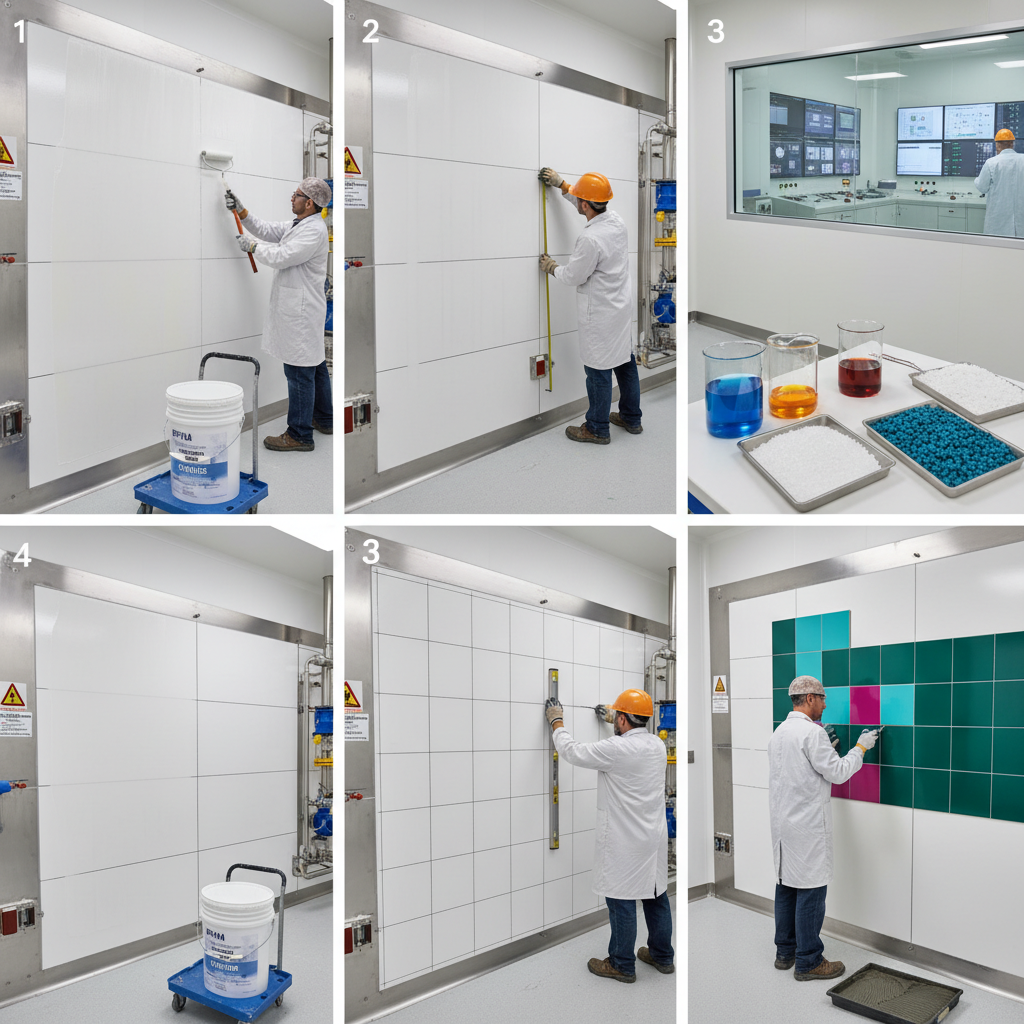
Proper surface preparation is paramount for a successful tile installation. One often overlooked, yet critical step, is applying Polyvinyl Alcohol (PVA) to your walls before tiling. This article will delve into the benefits of using PVA, how to apply it correctly, and why it's essential for achieving a long-lasting, professional tile finish. Understanding the role of PVA will significantly improve the adhesion and durability of your tiling project. Ignoring this step can lead to costly repairs and a less aesthetically pleasing result. PVA, or Polyvinyl Alcohol, is a water-based adhesive that acts as a primer for porous surfaces like plasterboard, screed, and even existing tiles. It's not a bonding agent on its own, meaning it doesn’t replace tile adhesive. Instead, it reduces the absorbency of the surface, ensuring the tile adhesive creates a strong and consistent bond. Without PVA, the wall can suck the moisture out of the adhesive, resulting in weak adhesion, tile slippage, and potential cracking over time. Applying PVA creates a more uniform surface, improves adhesive workability and enhances the overall longevity of your tiling project.
Mar . 11, 2026
Comprehensive Guide to Using PVA Walls Before Tiling for Lasting Results
Proper surface preparation is paramount for a successful tile installation. One often overlooked, yet critical step, is applying Polyvinyl Alcohol (PVA) to your walls before tiling. This article will delve into the benefits of using PVA, how to apply it correctly, and why it's essential for achieving a long-lasting, professional tile finish. Understanding the role of PVA will significantly improve the adhesion and durability of your tiling project. Ignoring this step can lead to costly repairs and a less aesthetically pleasing result. PVA, or Polyvinyl Alcohol, is a water-based adhesive that acts as a primer for porous surfaces like plasterboard, screed, and even existing tiles. It's not a bonding agent on its own, meaning it doesn’t replace tile adhesive. Instead, it reduces the absorbency of the surface, ensuring the tile adhesive creates a strong and consistent bond. Without PVA, the wall can suck the moisture out of the adhesive, resulting in weak adhesion, tile slippage, and potential cracking over time. Applying PVA creates a more uniform surface, improves adhesive workability and enhances the overall longevity of your tiling project.
 Mar . 10, 2026
Exploring PVA What Is It A Comprehensive Guide to Applications and Properties
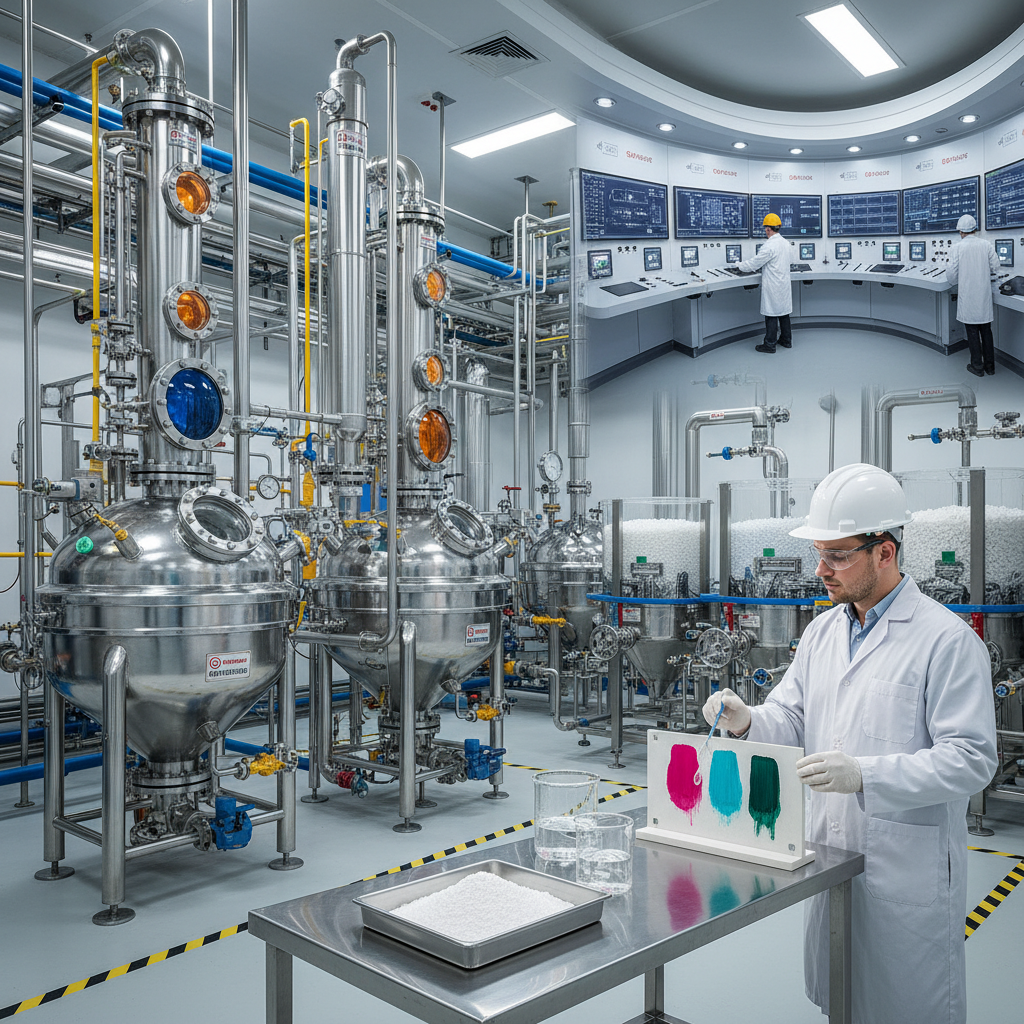
Polyvinyl Alcohol (PVA) is a fascinating synthetic polymer with a surprisingly wide range of applications, from adhesives and textiles to packaging and even medical uses. Understanding its properties and diverse roles is crucial for businesses involved in various industries. This article provides a detailed overview of PVA, exploring its characteristics, manufacturing process, applications, and considerations for sourcing high-quality material. We will help you understand how PVA can benefit your operations and offer insights into finding the right supplier for your needs. PVA is created through the polymerization of vinyl acetate. It’s a water-soluble synthetic polymer that exists as a white or yellowish powder, granules, or film. The degree of hydrolysis – the percentage of acetate groups converted to alcohol groups – dramatically influences PVA's properties. Higher hydrolysis levels generally result in increased tensile strength and reduced water solubility. PVA is known for its excellent film-forming, emulsifying, and adhesive characteristics. It's also biocompatible, making it suitable for pharmaceutical and biomedical applications.
Mar . 10, 2026
Exploring PVA What Is It A Comprehensive Guide to Applications and Properties
Polyvinyl Alcohol (PVA) is a fascinating synthetic polymer with a surprisingly wide range of applications, from adhesives and textiles to packaging and even medical uses. Understanding its properties and diverse roles is crucial for businesses involved in various industries. This article provides a detailed overview of PVA, exploring its characteristics, manufacturing process, applications, and considerations for sourcing high-quality material. We will help you understand how PVA can benefit your operations and offer insights into finding the right supplier for your needs. PVA is created through the polymerization of vinyl acetate. It’s a water-soluble synthetic polymer that exists as a white or yellowish powder, granules, or film. The degree of hydrolysis – the percentage of acetate groups converted to alcohol groups – dramatically influences PVA's properties. Higher hydrolysis levels generally result in increased tensile strength and reduced water solubility. PVA is known for its excellent film-forming, emulsifying, and adhesive characteristics. It's also biocompatible, making it suitable for pharmaceutical and biomedical applications.
 Mar . 09, 2026
Essential Guide to Using PVA Walls Before Painting for Professional Results
Preparing walls for painting is crucial for a flawless and long-lasting finish. One often overlooked step is the application of Polyvinyl Alcohol (PVA) size. This article explores the benefits of using PVA walls before painting, offering a detailed look at its purpose, application, and the results you can expect. Understanding how PVA size impacts paint adhesion and surface quality will help you achieve professional-looking results. We'll cover everything from identifying when to use PVA to the proper techniques for application. PVA, or Polyvinyl Alcohol, is a water-soluble synthetic polymer widely used in the construction and DIY industries. When applied to walls, it acts as a primer, sealer, and bonding agent. Its primary function is to reduce the porosity of the surface, meaning it fills in small cracks and imperfections, creating a more uniform base for the paint. This improves paint adhesion, prevents the paint from being absorbed unevenly, and ultimately leads to a smoother, more durable finish. It's particularly beneficial on new plaster, porous surfaces like brick, or when transitioning between different paint types.
Mar . 09, 2026
Essential Guide to Using PVA Walls Before Painting for Professional Results
Preparing walls for painting is crucial for a flawless and long-lasting finish. One often overlooked step is the application of Polyvinyl Alcohol (PVA) size. This article explores the benefits of using PVA walls before painting, offering a detailed look at its purpose, application, and the results you can expect. Understanding how PVA size impacts paint adhesion and surface quality will help you achieve professional-looking results. We'll cover everything from identifying when to use PVA to the proper techniques for application. PVA, or Polyvinyl Alcohol, is a water-soluble synthetic polymer widely used in the construction and DIY industries. When applied to walls, it acts as a primer, sealer, and bonding agent. Its primary function is to reduce the porosity of the surface, meaning it fills in small cracks and imperfections, creating a more uniform base for the paint. This improves paint adhesion, prevents the paint from being absorbed unevenly, and ultimately leads to a smoother, more durable finish. It's particularly beneficial on new plaster, porous surfaces like brick, or when transitioning between different paint types.
 Mar . 08, 2026
Exploring the Versatile Applications of PVA Product in Modern Industries
Polyvinyl Alcohol (PVA) is a versatile synthetic polymer with a wide array of industrial and consumer applications. Its unique properties, including water solubility, film-forming ability, and biocompatibility, make it a crucial component in various products. This article explores the diverse uses of PVA products, delving into the specifics of its applications and benefits. Understanding PVA’s capabilities is key to appreciating its importance in modern manufacturing and technology. From textiles to adhesives, PVA's impact is significant. PVA is created through the polymerization of vinyl acetate, followed by hydrolysis. The degree of hydrolysis determines the properties of the resulting PVA. Fully hydrolyzed PVA is water-soluble and exhibits excellent film-forming characteristics, while partially hydrolyzed PVA retains some water resistance and adhesive properties. Different grades of PVA are available, categorized by their molecular weight and viscosity. High molecular weight PVA is generally used for applications requiring high tensile strength and viscosity, while lower molecular weight PVA is suitable for coatings and adhesives.
Mar . 08, 2026
Exploring the Versatile Applications of PVA Product in Modern Industries
Polyvinyl Alcohol (PVA) is a versatile synthetic polymer with a wide array of industrial and consumer applications. Its unique properties, including water solubility, film-forming ability, and biocompatibility, make it a crucial component in various products. This article explores the diverse uses of PVA products, delving into the specifics of its applications and benefits. Understanding PVA’s capabilities is key to appreciating its importance in modern manufacturing and technology. From textiles to adhesives, PVA's impact is significant. PVA is created through the polymerization of vinyl acetate, followed by hydrolysis. The degree of hydrolysis determines the properties of the resulting PVA. Fully hydrolyzed PVA is water-soluble and exhibits excellent film-forming characteristics, while partially hydrolyzed PVA retains some water resistance and adhesive properties. Different grades of PVA are available, categorized by their molecular weight and viscosity. High molecular weight PVA is generally used for applications requiring high tensile strength and viscosity, while lower molecular weight PVA is suitable for coatings and adhesives.
 Mar . 07, 2026
Exploring the Versatile Applications of PVA in Water Across Industries
Polyvinyl alcohol (PVA) is a water-soluble synthetic polymer with a wide range of applications across industries. Its unique properties, including film-forming ability, emulsification, and adhesive characteristics, make it a versatile ingredient in textiles, adhesives, paper, and more. This article will delve into the properties of PVA in water solutions, exploring its diverse applications, key benefits, and considerations for optimal use. Whether you're a formulator, researcher, or simply curious, this guide provides a comprehensive overview of this valuable polymer. PVA is produced through the hydrolysis of polyvinyl acetate. The degree of hydrolysis determines the solubility and properties of the resulting PVA. Fully hydrolyzed PVA is highly water-soluble, forming clear, viscous solutions. This solubility is due to the presence of hydroxyl (-OH) groups along the polymer chain, which readily form hydrogen bonds with water molecules. The process of dissolution involves the water molecules penetrating the polymer structure, breaking the intermolecular forces and dispersing the PVA molecules evenly throughout the water.
Mar . 07, 2026
Exploring the Versatile Applications of PVA in Water Across Industries
Polyvinyl alcohol (PVA) is a water-soluble synthetic polymer with a wide range of applications across industries. Its unique properties, including film-forming ability, emulsification, and adhesive characteristics, make it a versatile ingredient in textiles, adhesives, paper, and more. This article will delve into the properties of PVA in water solutions, exploring its diverse applications, key benefits, and considerations for optimal use. Whether you're a formulator, researcher, or simply curious, this guide provides a comprehensive overview of this valuable polymer. PVA is produced through the hydrolysis of polyvinyl acetate. The degree of hydrolysis determines the solubility and properties of the resulting PVA. Fully hydrolyzed PVA is highly water-soluble, forming clear, viscous solutions. This solubility is due to the presence of hydroxyl (-OH) groups along the polymer chain, which readily form hydrogen bonds with water molecules. The process of dissolution involves the water molecules penetrating the polymer structure, breaking the intermolecular forces and dispersing the PVA molecules evenly throughout the water.
 Mar . 06, 2026
Optimizing Mortar Performance with Polyvinyl Alcohol PVA in Mortar Applications
Polyvinyl alcohol (PVA) is a synthetic polymer increasingly utilized in the construction industry, particularly as an additive to mortar mixes. Its inclusion significantly enhances the properties of mortar, improving workability, adhesion, and durability. This article will explore the benefits of PVA in mortar, its applications, optimal usage levels, and considerations for achieving the best results. Understanding these factors is critical for contractors, builders, and DIY enthusiasts aiming for superior mortar performance and long-lasting construction projects. PVA acts as a powerful plasticizer and adhesive agent within mortar. It improves the mortar’s flexibility, reducing cracking and increasing its resistance to shrinkage. This is especially important in environments prone to temperature fluctuations. By increasing the mortar's water retention capacity, PVA allows for more complete cement hydration, leading to increased strength and durability. Furthermore, PVA promotes better adhesion to various substrates like brick, concrete, and stone, contributing to a more robust and long-lasting bond.
Mar . 06, 2026
Optimizing Mortar Performance with Polyvinyl Alcohol PVA in Mortar Applications
Polyvinyl alcohol (PVA) is a synthetic polymer increasingly utilized in the construction industry, particularly as an additive to mortar mixes. Its inclusion significantly enhances the properties of mortar, improving workability, adhesion, and durability. This article will explore the benefits of PVA in mortar, its applications, optimal usage levels, and considerations for achieving the best results. Understanding these factors is critical for contractors, builders, and DIY enthusiasts aiming for superior mortar performance and long-lasting construction projects. PVA acts as a powerful plasticizer and adhesive agent within mortar. It improves the mortar’s flexibility, reducing cracking and increasing its resistance to shrinkage. This is especially important in environments prone to temperature fluctuations. By increasing the mortar's water retention capacity, PVA allows for more complete cement hydration, leading to increased strength and durability. Furthermore, PVA promotes better adhesion to various substrates like brick, concrete, and stone, contributing to a more robust and long-lasting bond.
 Mar . 05, 2026
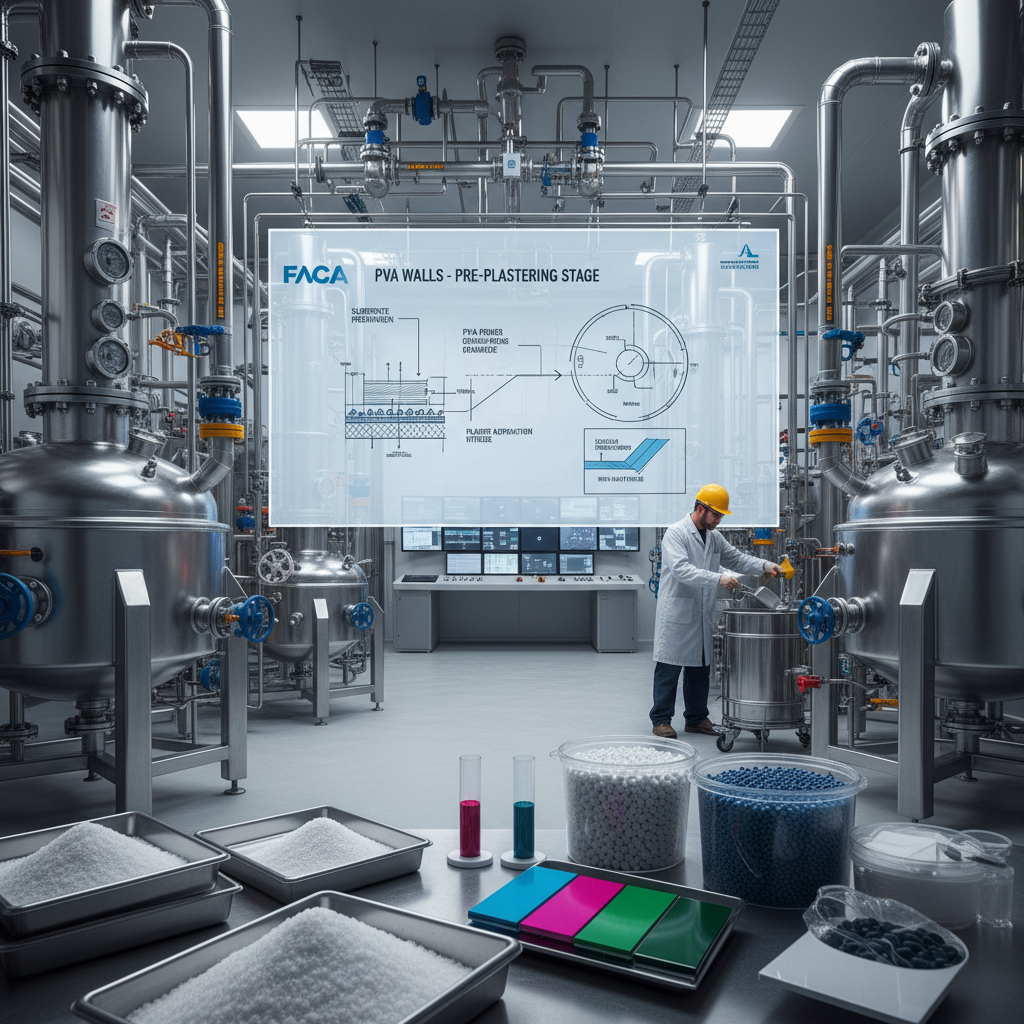
Understanding PVA Walls Before Plastering For Optimal Results
Preparing walls before plastering is a crucial step in achieving a smooth, durable, and professional finish. Polyvinyl Alcohol (PVA) is frequently used as a primer, often referred to as a 'sizing', to seal porous surfaces. This article will explore the benefits of using PVA before plastering, the proper application techniques, and what to expect. Understanding the role of PVA is essential for both DIY enthusiasts and professional plasterers to ensure optimal plaster adhesion and longevity. We will also cover potential issues and how to avoid them. PVA, in the context of wall preparation, isn’t the same as PVA glue used for crafting. It's a synthetic polymer emulsion specifically formulated for building applications. Its primary function is to reduce the porosity of the substrate (the wall surface). Porous surfaces like brickwork, old plaster, or highly absorbent boards will rapidly draw moisture from the freshly applied plaster, leading to issues like cracking, poor adhesion, and a weakened finish. PVA effectively seals these pores, creating a more uniform surface for the plaster to bond to. It also provides a slight 'key' for improved adhesion.
Mar . 05, 2026
Understanding PVA Walls Before Plastering For Optimal Results
Preparing walls before plastering is a crucial step in achieving a smooth, durable, and professional finish. Polyvinyl Alcohol (PVA) is frequently used as a primer, often referred to as a 'sizing', to seal porous surfaces. This article will explore the benefits of using PVA before plastering, the proper application techniques, and what to expect. Understanding the role of PVA is essential for both DIY enthusiasts and professional plasterers to ensure optimal plaster adhesion and longevity. We will also cover potential issues and how to avoid them. PVA, in the context of wall preparation, isn’t the same as PVA glue used for crafting. It's a synthetic polymer emulsion specifically formulated for building applications. Its primary function is to reduce the porosity of the substrate (the wall surface). Porous surfaces like brickwork, old plaster, or highly absorbent boards will rapidly draw moisture from the freshly applied plaster, leading to issues like cracking, poor adhesion, and a weakened finish. PVA effectively seals these pores, creating a more uniform surface for the plaster to bond to. It also provides a slight 'key' for improved adhesion.
 Mar . 04, 2026
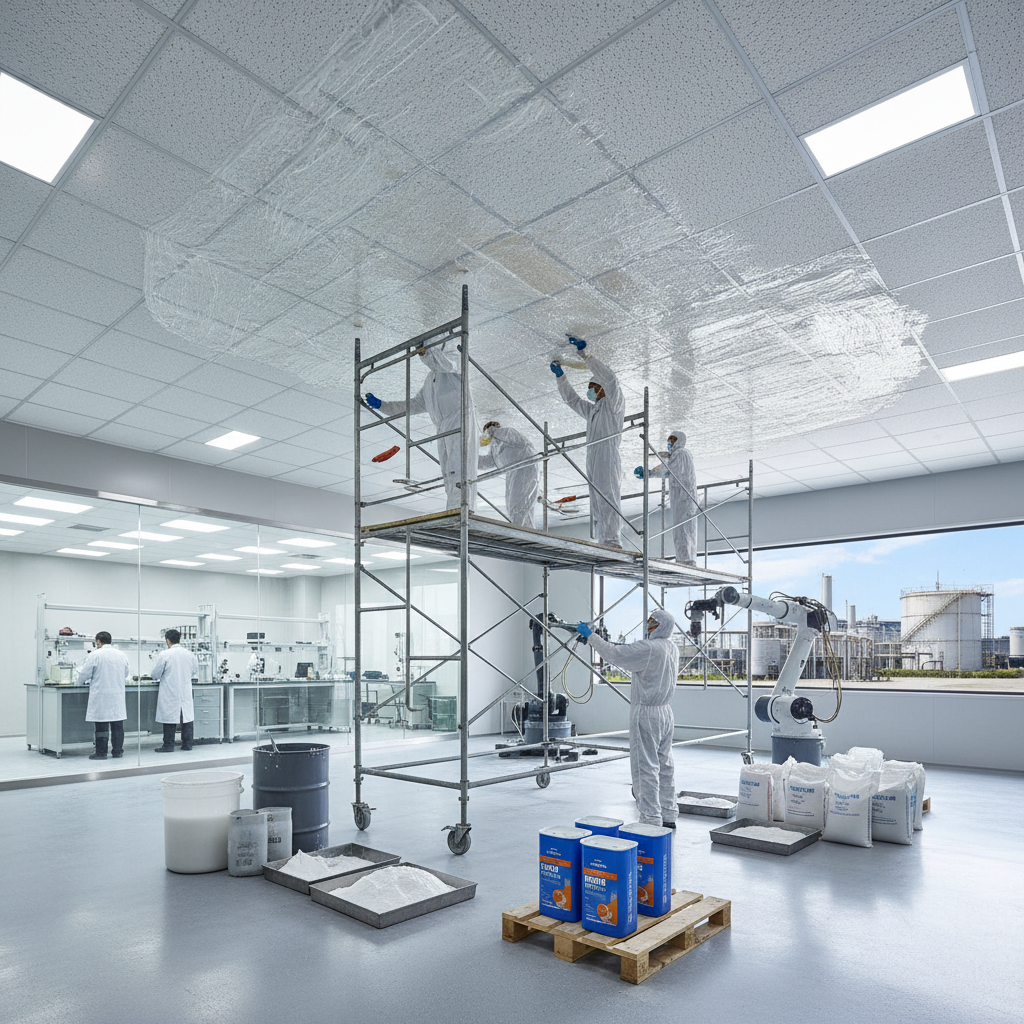
Comprehensive Guide to PVA Ceiling Preparation Before Plastering
Preparing a ceiling for plastering is a crucial step for achieving a smooth, durable, and aesthetically pleasing finish. Often overlooked, the application of Polyvinyl Alcohol (PVA) before plastering is a widely recommended practice. This article will delve into the benefits of using PVA, how to apply it correctly, and what to expect in terms of results. We’ll also cover common mistakes to avoid and address frequently asked questions, ensuring you have a solid understanding of this important pre-plastering process. Proper preparation, including PVA application, can significantly enhance the adhesion and longevity of your plasterwork. PVA acts as a primer, binding dust and loose particles on the ceiling surface. This creates a stable base for the plaster to adhere to, preventing it from being absorbed into the substrate. Without PVA, the plaster can dry out too quickly, leading to cracking and reduced strength. PVA also helps to improve the overall adhesion of the plaster, reducing the risk of delamination (peeling) over time. Furthermore, it equalizes the porosity of the surface, ensuring a more consistent finish. This is particularly important when plastering over previously painted surfaces or porous materials like drywall.
Mar . 04, 2026
Comprehensive Guide to PVA Ceiling Preparation Before Plastering
Preparing a ceiling for plastering is a crucial step for achieving a smooth, durable, and aesthetically pleasing finish. Often overlooked, the application of Polyvinyl Alcohol (PVA) before plastering is a widely recommended practice. This article will delve into the benefits of using PVA, how to apply it correctly, and what to expect in terms of results. We’ll also cover common mistakes to avoid and address frequently asked questions, ensuring you have a solid understanding of this important pre-plastering process. Proper preparation, including PVA application, can significantly enhance the adhesion and longevity of your plasterwork. PVA acts as a primer, binding dust and loose particles on the ceiling surface. This creates a stable base for the plaster to adhere to, preventing it from being absorbed into the substrate. Without PVA, the plaster can dry out too quickly, leading to cracking and reduced strength. PVA also helps to improve the overall adhesion of the plaster, reducing the risk of delamination (peeling) over time. Furthermore, it equalizes the porosity of the surface, ensuring a more consistent finish. This is particularly important when plastering over previously painted surfaces or porous materials like drywall.
 Mar . 03, 2026
Optimizing Plaster Adhesion with PVA Before Plastering Techniques
Preparing surfaces for plastering is critical for achieving a durable and aesthetically pleasing finish. One of the most common pre-treatment steps is applying Polyvinyl Alcohol (PVA). This article will comprehensively explore the purpose of PVA, how to use it correctly, its benefits, and potential pitfalls. We’ll delve into the science behind PVA’s effectiveness, and offer best practices for optimal results. Using PVA correctly ensures strong adhesion, reduces dust, and ultimately improves the longevity of your plasterwork. PVA, in the context of plastering, is a synthetic polymer adhesive. It’s a milky-white liquid that, when applied to a surface, penetrates and binds dust particles together. This creates a stable, sealed surface, enhancing the adhesion of subsequent plaster coats. Without PVA, highly absorbent surfaces like brickwork, concrete, or old plaster will draw moisture from the new plaster too quickly, leading to cracking, poor bonding, and ultimately, failure.
Mar . 03, 2026
Optimizing Plaster Adhesion with PVA Before Plastering Techniques
Preparing surfaces for plastering is critical for achieving a durable and aesthetically pleasing finish. One of the most common pre-treatment steps is applying Polyvinyl Alcohol (PVA). This article will comprehensively explore the purpose of PVA, how to use it correctly, its benefits, and potential pitfalls. We’ll delve into the science behind PVA’s effectiveness, and offer best practices for optimal results. Using PVA correctly ensures strong adhesion, reduces dust, and ultimately improves the longevity of your plasterwork. PVA, in the context of plastering, is a synthetic polymer adhesive. It’s a milky-white liquid that, when applied to a surface, penetrates and binds dust particles together. This creates a stable, sealed surface, enhancing the adhesion of subsequent plaster coats. Without PVA, highly absorbent surfaces like brickwork, concrete, or old plaster will draw moisture from the new plaster too quickly, leading to cracking, poor bonding, and ultimately, failure.


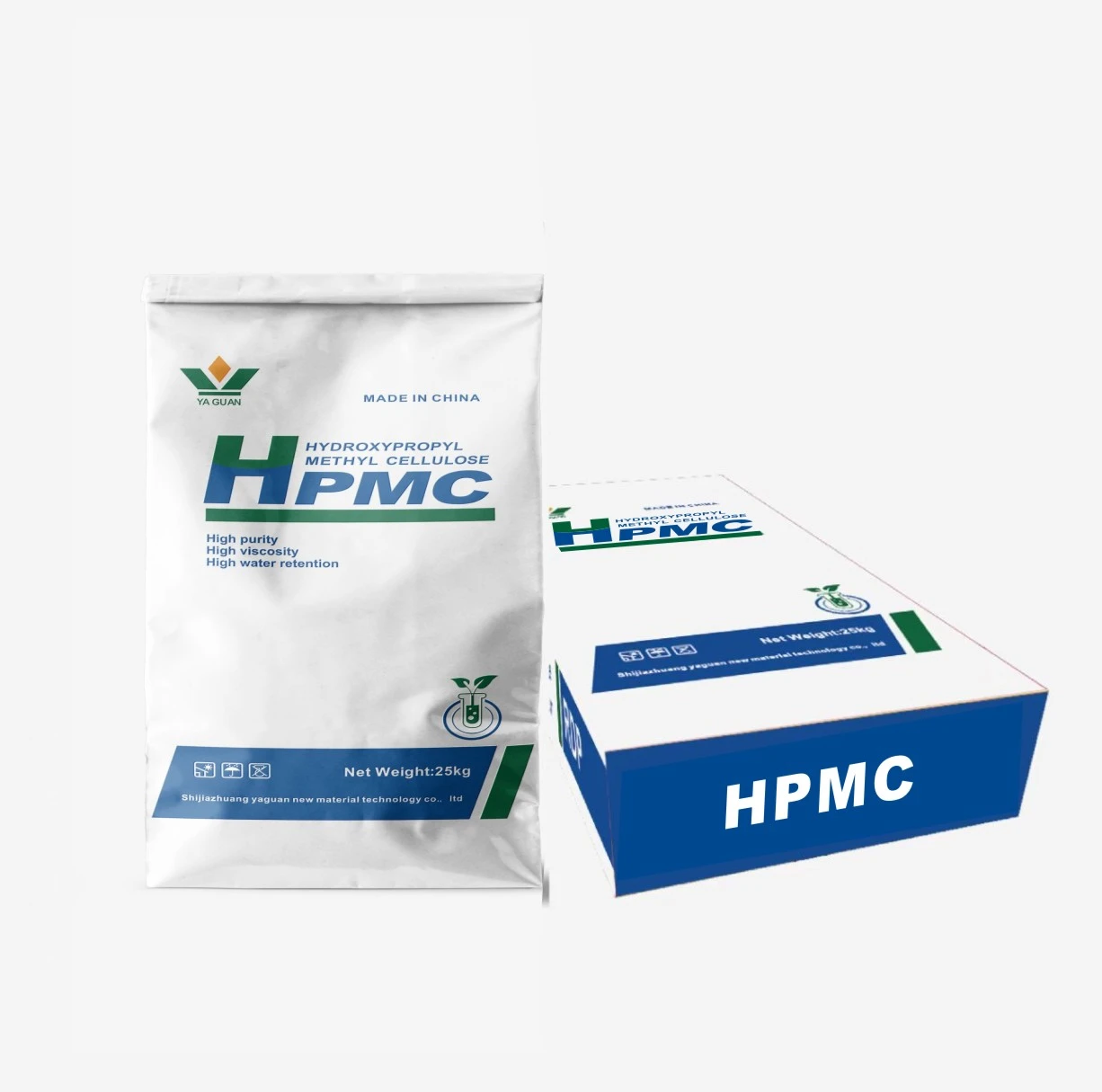 Hydroxypropyl Methyl Cellulose( HPMC)
YAGUAN"HPMC is a non-ionic cellulose ether,an odourless, tasteless,non-toxic white powder,soluble in water and most polar organic solvents.The aqueous solution has surface activity, high transparency and stable performance.It has the character- istics of thickening,bonding,dispersing,emulsifying,film-form- ing,suspending,adsorbing,gelling,surface activity,retaining water and protecting colloid.
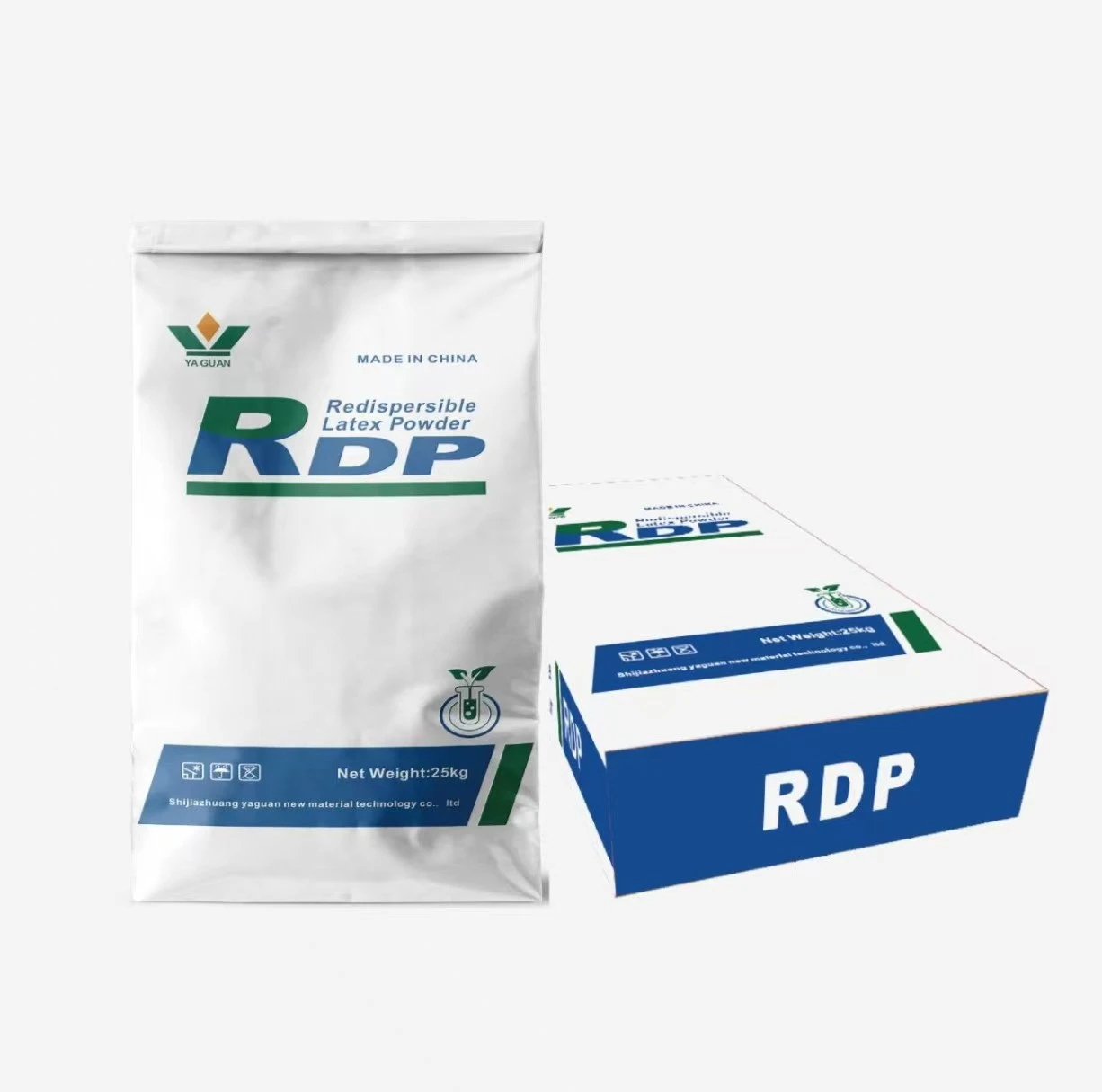 Redispersible Polymer Powder(RDP)
YAGUAN"RDP belongs to the emulsion powder of ethylene-vinylacetatecopolymer whichcanbe dispersed
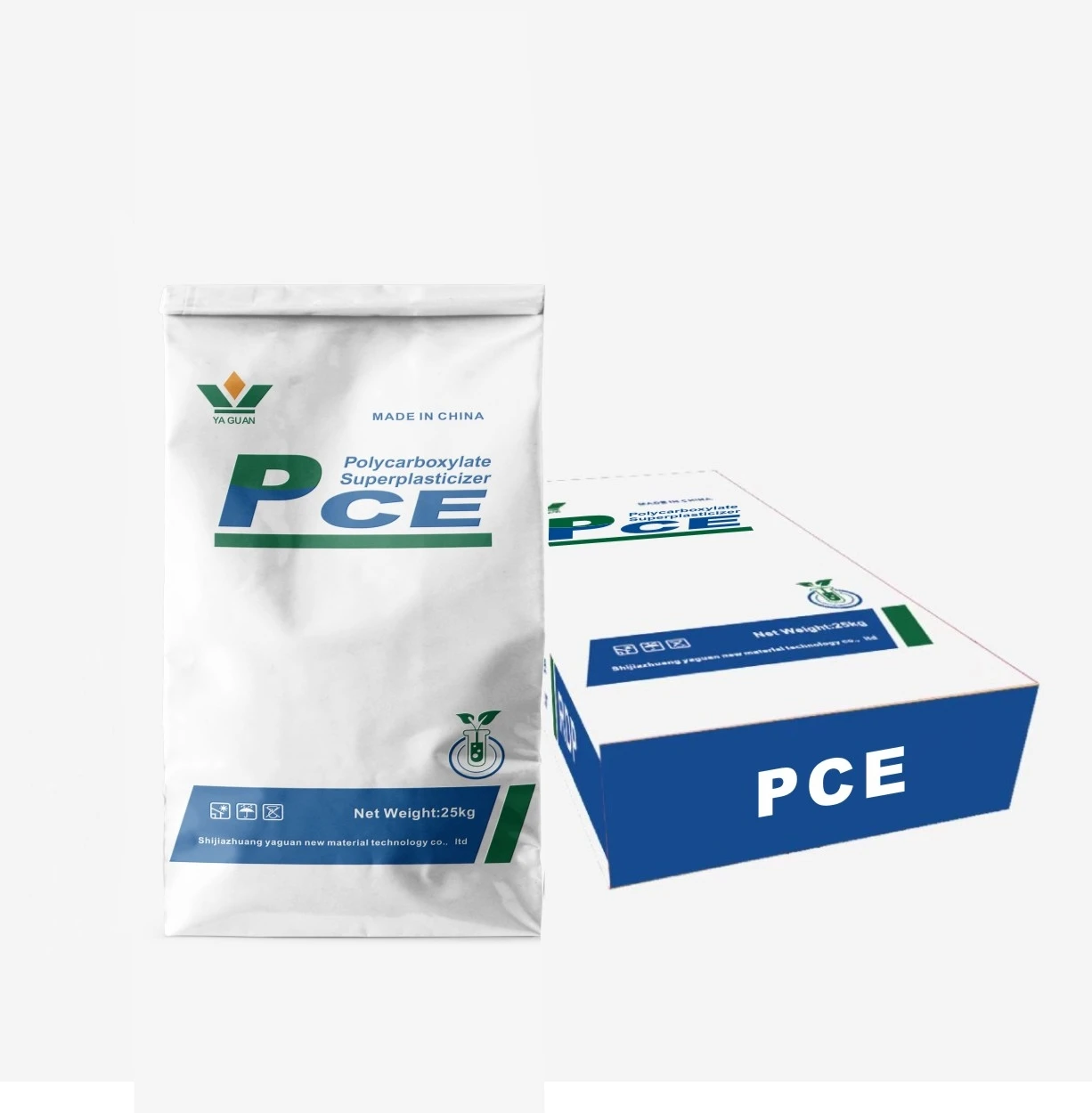 PC-826 Slump Retention Polycarboxylate Superplasticizer
product presentation
PC-826 is a functional powder polycarboxylic acid superplasticizer prepared by special spray drying process by modified polyether polymerization. It is a new generation of concrete slow-release water reducing agent with high plastic retention.
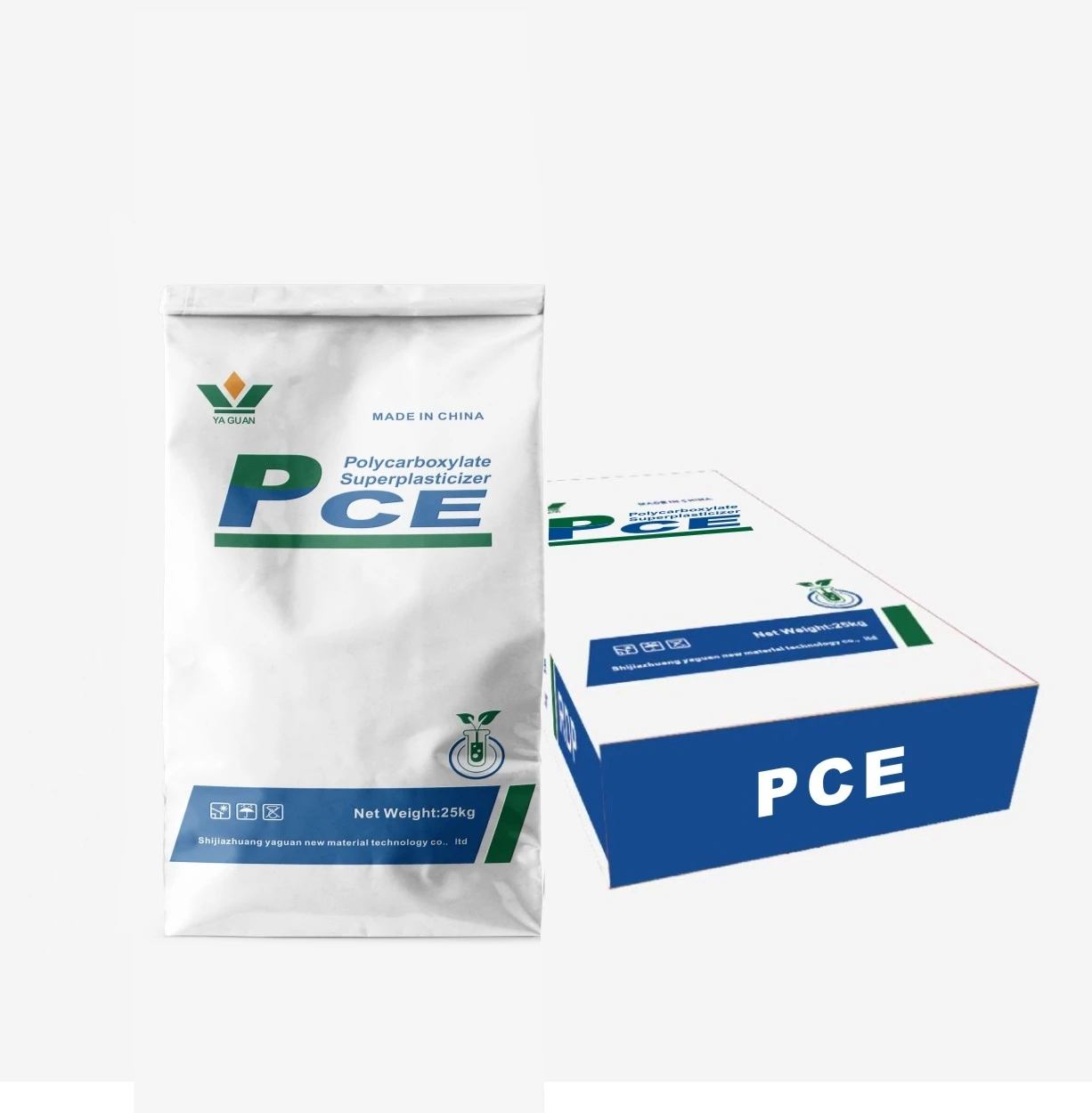 PC-733 Powder Polycarboxylate Water Reducing Agent
product presentation
PC-733 is a powder polycarboxylic acid superplasticizer prepared by special spray drying process by modified polyether polymerization, and a new generation of concrete water reducing agent with ultra high water reduction rate.
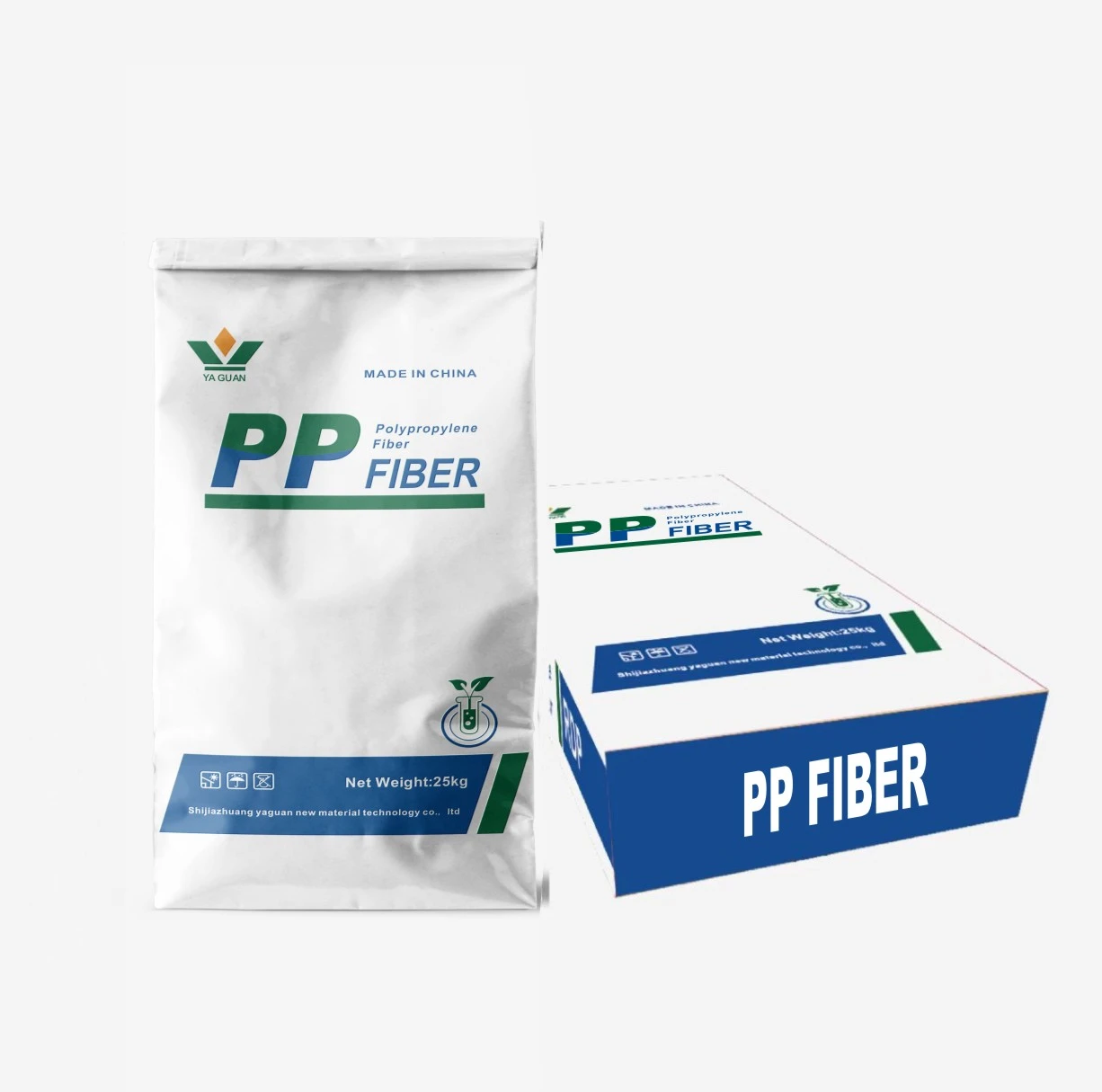 Polypropylene Fiber
YAGUANPolypropylene Fiber,also known as anti-crackingfiber,PPfiber,or concrete fiber,is a high-strength bundled monofilament fiber made of polypropylene.The addition of our polypropylene fiber products to mortar or concrete can effectively control the micro-cracks of concretes or mortars caused by plastic shrink- age